 Chinatown New in Town Weekend Planner: Errands and Temples
Weekend Plans

Singapore Date Night Itinerary Planner: Agree on Dinner
Build a Singapore dinner brief around dietary needs, spending and conversation. Compare two meal formats, then check menus and bookings with the venue.
A food-led date in Singapore begins with two appetites, not a restaurant ranking. One person may want a particular dish while the other needs a calm room, an early finish or ingredients they can eat with confidence. Use a date night itinerary planner to turn those needs into two dinner proposals you can compare. The useful outcome is an agreed meal with clear checks before booking. This page offers a way to write that brief; it does not claim that a table, menu item or Singapore-specific product result is currently available.
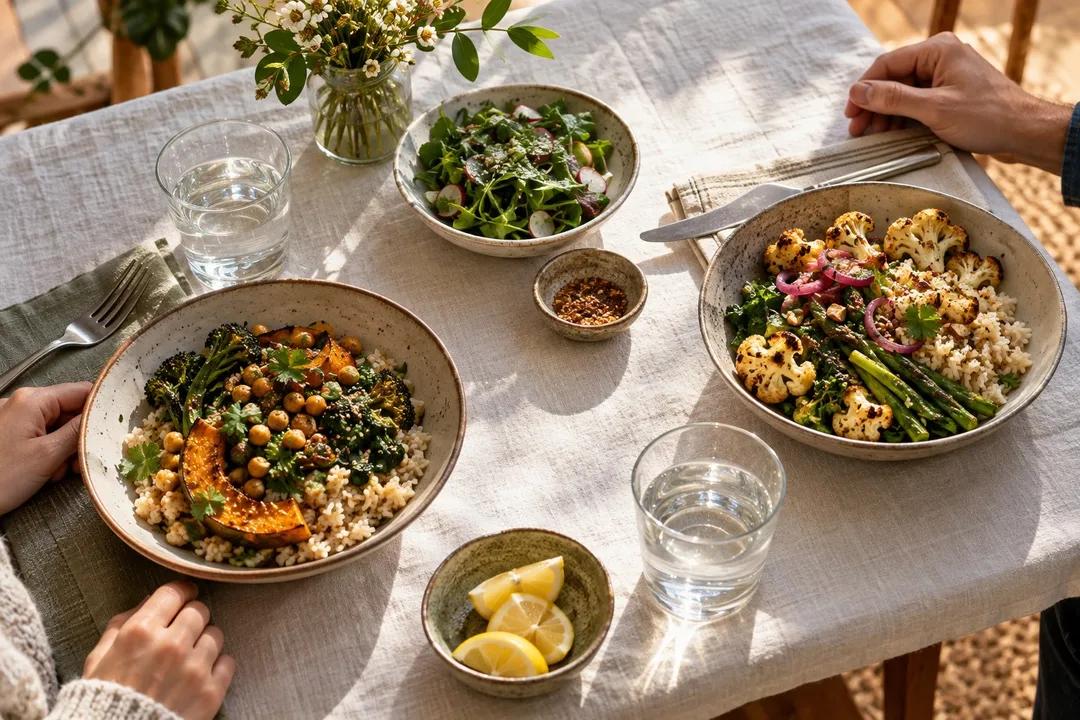
Put restrictions before preferences
Invite both people to separate requirements from wishes. A serious allergy, a religious dietary requirement and a dislike are all worth stating, but they require different kinds of checking. Give an assistant only the personal information needed for the task, and avoid treating its description as a venue's assurance about ingredients or preparation. Contact the restaurant through its own channel for questions that affect whether someone can eat safely. If the venue cannot answer clearly, change the proposal. The date should not depend on the person with the restriction improvising a meal after everyone else has ordered.
Decide what counts as dinner
"Let's try a few things" can mean a substantial meal to one person and a snack before a proper dinner to the other. Set the format in advance: a single seated meal, shared dishes or a smaller food stop followed by dessert. Discuss whether sharing plates is enjoyable, whether anyone wants their own main and how hungry you expect to be at the meeting time. These choices guide the search without requiring a specific business. They also prevent a planner from assembling several individually appealing stops that together cost too much or fail to provide enough food.
Give the evening a total spending limit
Use an amount you both feel comfortable spending, and decide what it includes. Food, drinks, travel, service charges and an optional second stop can compete for the same budget. An example limit written in your request is your preference, not a quoted restaurant price. Once you have real menus, compare the expected bill on the same basis for both options. Leave out a dessert stop if it would turn a comfortable dinner into a financial negotiation. A less expensive choice needs no elaborate justification; clarity about money is part of making the evening welcoming to both people.
Describe the conversation you want to have
Ask whether you want lively energy or an easy place to hear each other. A venue described as intimate may still have music, closely spaced tables or a busy service rhythm. Look for evidence relevant to your own needs, and contact the venue when a particular access or seating requirement matters. Avoid translating photographs into promises about noise or atmosphere. If one person finds long dinners tiring, a shorter seated meal with an optional pause afterwards may work better. Tell the planner what would support your conversation instead of relying on the word "romantic" to communicate everything.
Set a boundary around the meal
Use your meeting area and return journey to narrow the search. Chinatown, Katong and River Valley are possible research inputs, not a proposed route through all three. Choose one area or explain the transfer you are willing to make for a specific food experience. Check actual directions once you have venues. A second stop earns its place only if it adds something the dinner does not already provide. When the food is the anchor, the journey should support that decision rather than force you to eat quickly so that you can reach another neighbourhood.
Compose two different dinner proposals
A useful brief might read: "Help us compare a quiet seated dinner with a shorter shared-plate meal. Our requirements are listed below. Keep the total spend within our limit, suggest one area for each option and explain which choice leaves more conversation time." Use it in Karpo APP only after checking that its current coverage includes the location you need. The official material reviewed here supports preference-based recommendations, but does not establish Singapore availability. You can retain this brief for research regardless. Requesting two formats is useful because the resulting choice concerns the shape of the date, not just two restaurant names.
Read a menu for the pair of you
For each candidate, identify what both people could actually order. Do not assume that a broad cuisine label answers questions about vegetarian options, allergens or portion size. Check the venue's current menu and ask about anything essential that remains unclear. Then work through an ordinary order rather than the most photogenic dish: what is the meal, what would you drink and would either person need an additional item? Mark any unavailable price as unresolved instead of filling it from memory. A place is a strong candidate when both people can imagine eating there comfortably, not when one has found a perfect signature dish.
Compare the experience after the first course
A dinner plan includes waiting, ordering, eating, paying and leaving. Consider whether the format encourages the pace you want across that whole sequence. Shared plates can make an evening sociable, but they also require agreement about portions and timing. A fixed menu can simplify choosing while reducing flexibility. Neither format is inherently better. Put the main tradeoff into one sentence for each proposal, then ask your partner which compromise they prefer. If your explanation mainly repeats advertising language, return to the menu and practical details until you can describe the choice in your own words.
Keep research separate from a reservation
Once you have agreed on a candidate, check the booking channel, date, seating time and cancellation terms directly. A recommendation or saved pick is not a confirmed table. Keep any deposit, minimum spend or dietary arrangement with the venue's confirmation, rather than only in a chat with an assistant. If you cannot book the preferred option, ask whether to change the time, change the venue within the same format or move the date. Those are different decisions. The person who most wanted the original meal should be included before a replacement is made.
Use dessert to solve a real need
A sweet stop can extend a promising conversation or give someone a smaller commitment than a long dinner. It need not be a compulsory final chapter. If both people are comfortably full, finish after the meal. For another stop, look up its kitchen hours and admission or booking rules. Work out the journey from dinner, including the entrance you intend to use. Do not describe dessert as a guaranteed walk-in solution. An optional ending works best when it has a clear purpose, a separate budget and permission to disappear. That leaves room for the evening you are having instead of the itinerary you imagined earlier.
Finish with one agreed order of decisions
The final note should tell you which dinner format won, which venue is confirmed or still being checked, what dietary question remains and how you will get home. Keep the discarded option only if it is a useful backup. Karpo's published FAQ says users can save and share picks and compare options; where applicable, those actions can help both partners see the same shortlist. The important action is your shared decision, followed by the venue's own confirmation. A successful food-led date gives each person a meal they can enjoy and enough attention left for the person across the table.
Ask Karpo for more information.
Keep reading
- Chinatown New in Town Weekend Planner: Errands and Temples
 Kampong Glam New in Town Weekend Planner: Mosque to Murtabak
 Holland Village New in Town Weekend Planner: Meet People