 Kovan Hainanese Curry Rice Lunch Picker: Heartland Plates
Restaurants
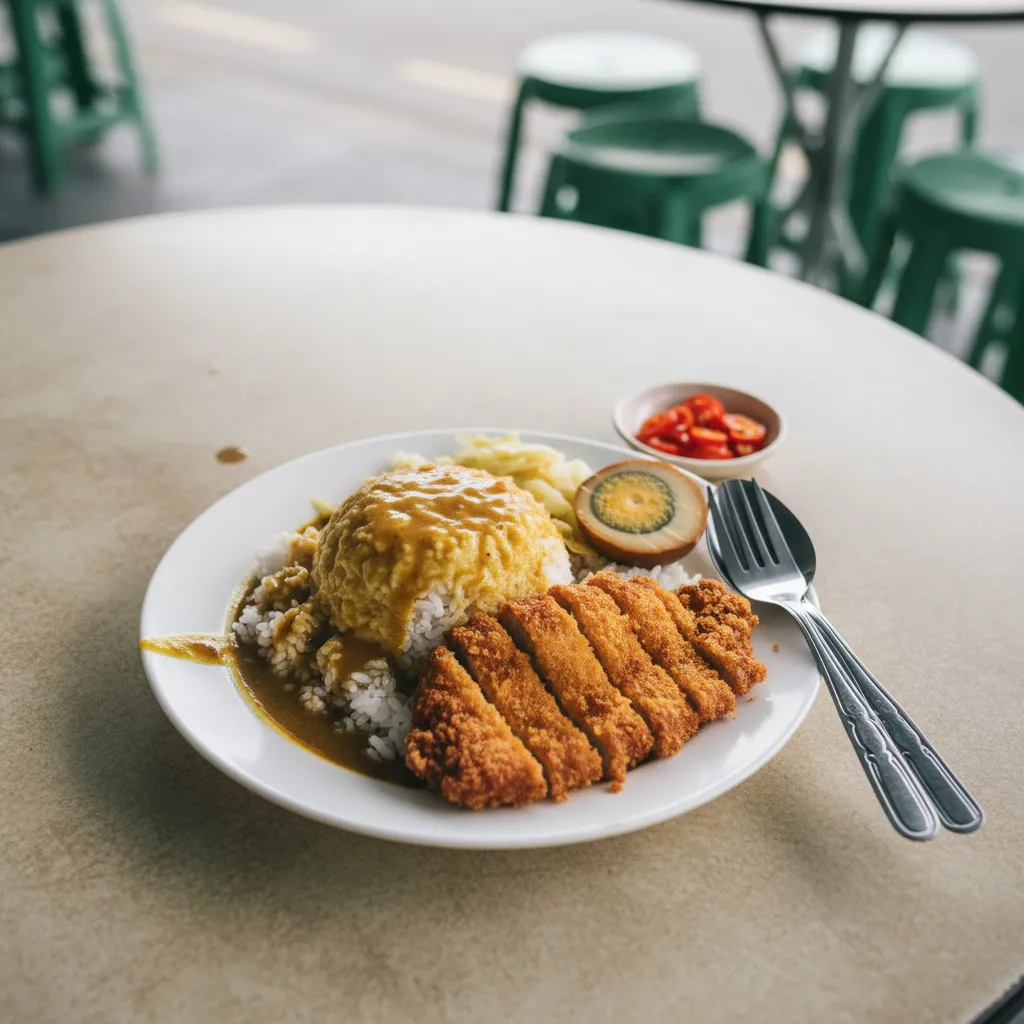
Tiong Bahru Curry House Lunch Picker: Drenched Rice Rules
Tiong Bahru lunch without the café queue: pick Hainanese curry rice, order it drenched or dry, then walk the Art Deco estate and its quiet back lanes after.
This Tiong Bahru curry house lunch picker is for anyone who has stood in a café queue on a weekend morning and wondered if there is a better way to eat in this old estate. There is. Long before the flat whites arrived, people here ate Hainanese curry rice for lunch: a plate of steamed rice, a few braised and fried sides, and a ladle of thick curry gravy poured over the lot. It is cheap comfort food, it comes fast, and it has a set of small ordering habits that make the meal feel like your own once you know them.
Why Curry Rice Belongs to This Estate
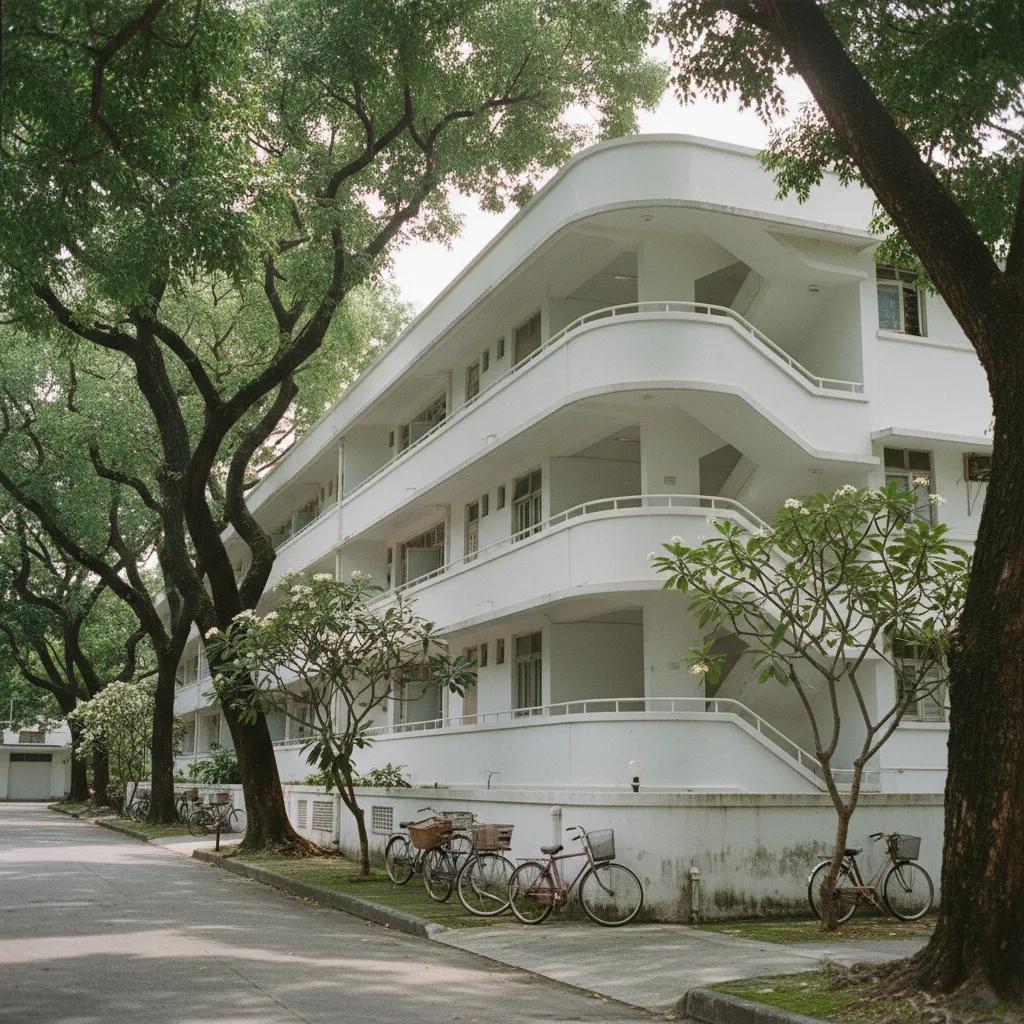
Tiong Bahru was one of the first public housing estates in Singapore, and its low, curved blocks have watched the neighbourhood change several times over. Families moved in, hawkers set up nearby, and over the years the area became known for simple Hainanese cooking. Hainanese cooks once worked in colonial kitchens and coffee shops, and they brought a habit of mixing local spice with Western touches, like the crumbed pork cutlet that still sits on many curry rice plates today.
Curry rice grew from that mix. It is not a single curry dish but a whole lunch built around one gravy. The style suits a working neighbourhood: you point, the stall assistant piles the plate, and you are eating within minutes. That is why it still makes sense for a lunch break here, even with all the new cafés and bakeries around it.
What Lands on the Plate
A classic plate starts with plain white rice. On top go the sides you choose from a glass counter. The usual list includes the fried pork cutlet, braised pork belly, braised cabbage, a soft braised egg, fried egg, sambal prawns, curry chicken and sometimes a crisp prawn fritter. Many stalls also keep a tray of stir-fried long beans or a simple chap chye of mixed vegetables.
Then comes the part that matters. The assistant ladles a mild, thick curry gravy over the rice, and then often adds some dark braising sauce from the pork pot. The two sauces run together into a sweet, savoury and gently spicy mess. It is not meant to be neat. A good plate looks like a small flood, and the rice soaks up every drop.
Drenched or Dry: The One Order That Counts
The most useful word to know is the one for how much gravy you want. Regulars say they want their rice drenched, sometimes called banjir, which is Malay for flood. That means extra curry and extra braising sauce until the plate is swimming. If you prefer to taste each side on its own, ask for the gravy on the side or just a little on the rice.
First-timers often go too careful and end up with dry rice by the last few spoonfuls. A better plan is to order it drenched and ask for a spoon of chilli on the side. You can always eat around the wet patch, but you cannot add gravy once you have walked back to your table. Pick at least one crisp side, like the cutlet, so the sauce has something to soften.
Building a Plate for One, Two or Four
On your own, three sides is plenty: one fried, one braised and one vegetable. Cutlet, cabbage and egg is the classic trio, and it makes a full, balanced lunch without feeling heavy. If you are very hungry, add the braised pork, but you may need a slow walk afterwards.
For two people, order two plates with different sides and share across the table. One plate can lean on pork and egg, the other on chicken curry and prawns. A group of four can order one large shared plate of sides with separate rice for each person, which is how many local families eat. It keeps the table lively and lets everyone try the full counter.
Timing Your Visit Around the Lunch Rush
Curry rice stalls are busiest when nearby offices and schools let out for lunch. The queue moves quickly because the cooking is already done, but the best sides can sell out by the end of the rush. If you want the full counter to choose from, come a little early. If you are happy with whatever is left, a later lunch is calm and the tables are easy to find.
Weekends feel different. The crowds here on Saturday and Sunday are often there for coffee and pastries, so a curry rice stall can be quieter than the cafés across the road. That is part of the appeal of this picker: you get a real local lunch while others are still waiting for a table indoors.
Hawker Centre Seat or Coffee Shop Corner
You have two main settings. The hawker centre in the middle of the estate is large and busy, with rows of stalls upstairs and a wet market below. It is good for groups because each person can add a drink or a dessert from another stall. Look for a free table, place a packet of tissues on it if that is the local habit around you, and then go and order.
The second setting is the corner coffee shop, a smaller open-front space with a few stalls and a drinks counter. These are slower and more neighbourly. Older residents read the paper, chat with the drink seller and stay for a second kopi. If you want a quieter meal, this is the better pick, and you will see how the estate still lives day to day.
Drinks and Sides That Suit the Gravy
Curry rice is rich, so the drink should cut through it. A cold barley water, a lime juice or an iced lemon tea all work well. If you want something more local, try a kopi peng, which is iced coffee with sweetened milk, or a teh o, which is plain black tea with sugar. Ask for less sweet if you do not want a sugar rush.
Many people finish with something light from a nearby stall. A bowl of cold chendol or a slice of soft kueh is a nice change after the curry. If you prefer to save room, buy a small bag of curry puffs from a bakery to eat later in the day. They travel well and taste just as good at room temperature.
A Slow Walk Through the Art Deco Blocks
After lunch, walk it off among the old flats. The white blocks have rounded corners, long balconies and spiral back staircases, which make them easy to spot from any lane. Many people come only to photograph the cafés, but the quieter streets behind them are where you see the estate as a home: laundry poles, potted plants, old shutters and cats asleep in doorways.
Take your time and keep your voice down in the residential lanes. These are still people's homes, so stay off private stairs and do not peer into windows. A loop of half an hour is enough to settle a full plate of curry rice and see the best of the architecture.
Bird Song, Murals and the Old Stories
Tiong Bahru once had a famous corner where bird owners hung their cages and let their songbirds sing together. The tradition has faded, but you can still find echoes of it, and some murals around the estate show the old bird singers, street hawkers and family life of earlier decades. They are worth looking for as you walk.
These small details help explain why a simple curry rice lunch fits here. The estate was always about everyday life, not grand dining. Eating the same food that residents have eaten for generations is a way to connect with that story, even if you only have an hour to spare.
Finding Your Next Curry Rice Plate
Once you have one favourite plate in Tiong Bahru, you may want to compare. Hainanese curry rice stalls are spread across the older parts of Singapore, and each one has its own gravy: some sweeter, some darker, some with more spice. Try ordering the same three sides at each one so you can tell the difference.
When you are planning your next lunch, open the Karpo APP and search for curry rice or curry house spots near where you are. It can help you shortlist nearby places to try, so you spend less time guessing and more time deciding how drenched your plate should be.
Ask Karpo for more information.
Keep reading
- Kovan Hainanese Curry Rice Lunch Picker: Heartland Plates
 Tampines Mee Rebus Breakfast Picker: Round Market Bowls
 Jurong West Mee Rebus Breakfast Picker: Boon Lay Bowls