 Kovan Hainanese Curry Rice Lunch Picker: Heartland Plates
Restaurants

Queenstown Curry House Lunch Picker for a Heritage Walk
A Queenstown lunch plan for an older relative and a younger one: curry rice that tastes of childhood, ordering together and a heritage walk between old flats.
Queenstown was one of Singapore's first public housing towns, and for many families it is where their story in the city began. Grandparents moved into the early flats, children ran along the corridors, and the curry stall downstairs became part of daily life. This curry house lunch picker is for an older relative who grew up there and a younger one who wants to hear the stories. Lunch comes first, then a slow walk through the blocks, and the curry becomes the way into the memories.
Why Queenstown Is a Lunch With Stories
Queenstown carries a lot of history for its size. Some of its earliest blocks went up before the country became independent, and many of the estate's firsts, early neighbourhood shops, schools and community spaces, shaped how later towns were planned. Walking through it today, you see older low-rise blocks next to tall new ones, and the gap between them is exactly the gap between the uncle at your table and the niece across from him.
That makes lunch here different from a lunch in the city centre. The coffee shops and curry stalls in older estates often serve the same kind of food people ate decades ago: curry chicken with potatoes, fried fish, simple vegetables, all over rice. For an older relative, a familiar taste can unlock stories faster than any photo album. For a younger one, it turns history into something you can actually taste and share.
Letting the Older Relative Choose
Hand over the decision. Ask your uncle, aunt or grandparent where they would have eaten curry as a child, or what kind of stall they remember. Even if the original stall is long gone, they will know what to look for: a certain kind of gravy, a way of cutting the chicken, a tray of fried fish next to the curry. Following their instinct makes the lunch theirs, and it honours what they know.
If they are unsure, choose a coffee shop busy with older residents. Those rooms tend to keep traditional dishes that regulars have eaten for years. Let your relative order in whatever language they are most comfortable with, whether Hokkien, Malay, Tamil or English. Watching them chat with the stall owner is part of the experience, and you may learn a few words and a few dishes you never knew they loved.
What to Order for a Memory Lunch
Classic curry rice is the heart of this lunch. Ask for a mild curry chicken with potatoes, a piece of fried fish or a fried egg, and a vegetable such as cabbage or long beans, with gravy poured over the rice. This is the plate many Singaporeans grew up eating, cheap and filling, and it carries memories of school holidays, shift work and family dinners after long days. Kopi in a thick cup completes the scene.
If your relative grew up in an Indian or Malay household, they might lean toward a fish head curry, a mutton curry or a plate of nasi padang instead. Let them guide you. Order a few dishes to share rather than separate plates, so the conversation can move from dish to dish. Each one may lead to a story: who cooked it at home, where they bought it, which festival it came with.
Questions That Turn Lunch Into a Story
Bring a few gentle questions to the table. Which block did you live in? What did your family eat on a normal weekday? Where did you play after school? Which shop sold the best snacks? Was there a cinema or a market you remember? These simple prompts often open up long stories, and the curry in front of you gives the memories a texture you would never find in a history book or a museum caption.
Listen more than you speak. Older relatives sometimes need a moment to warm up, especially if the memories are bittersweet, perhaps about friends who moved away or flats that were rebuilt. Let silences sit. If they seem happy to talk, ask if you can record a little audio on your phone afterwards. Many families later wish they had captured these stories, and an easy lunch is the perfect time to start.
Pacing the Day for an Older Companion
Plan the day around comfort. Choose a lunch time that avoids the busiest rush, so finding a table is easy and the room is quieter for talking. Pick a seat near a fan with a backrest if possible. Keep water handy, and do not over-order spicy dishes if your relative's stomach is sensitive. A slow, calm lunch sets the tone for a walk afterwards that should feel like a stroll, not a tour.
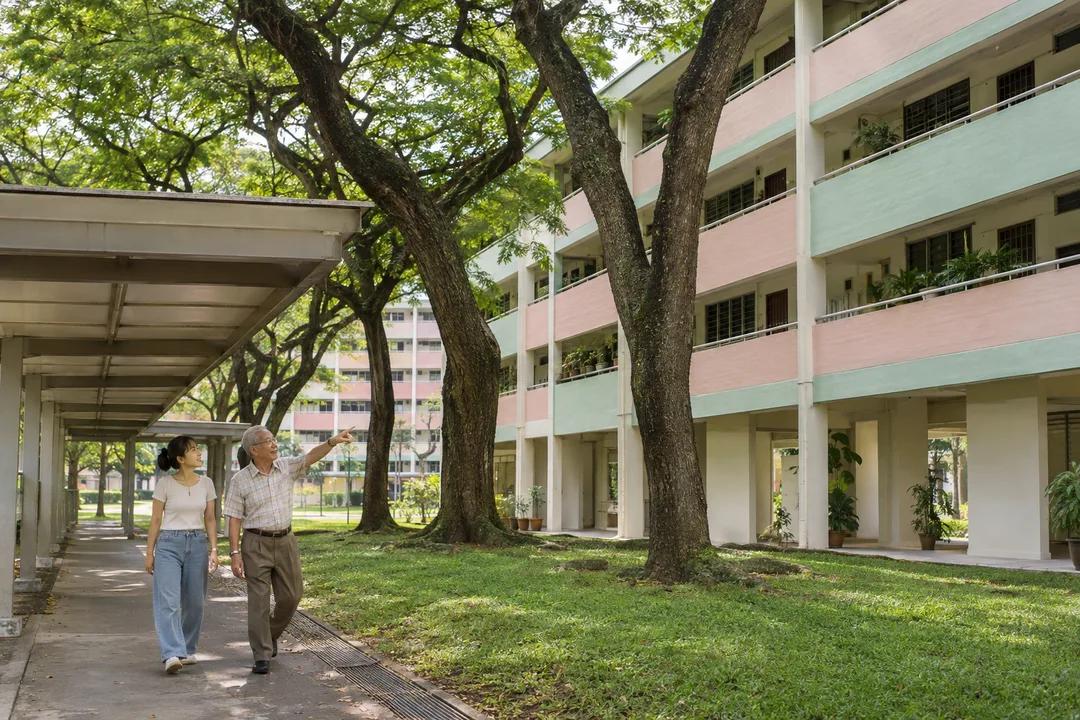
Think about the heat as well. Queenstown has plenty of covered walkways linking blocks, so you can walk mostly in the shade. Plan a short loop rather than a long one, with places to sit along the way. If your relative tires, a bench under a tree or a void deck can be a lovely spot to pause and keep talking while the estate's ordinary life carries on around you.
After Lunch: A Walk Through the Old Estate
Queenstown has a heritage trail that links several of its landmarks, and you can follow part of it at your own pace. Look out for the older blocks, the low-rise flats and neighbourhood shops that date back decades, and areas around Tanglin Halt and Commonwealth that hold strong memories for long-time residents. Some old blocks have been replaced, which can lead to touching conversations about what changed and what stayed the same.
Let your relative lead the way and point out places. A corner where a provision shop once stood, a field where they played football, a market that moved. The heritage trail markers can add context, but the real guide is the person beside you. If time allows, end near a green space like the stretch of the Rail Corridor that runs nearby, and sit together for a while before heading home.
Keeping the Stories Once You Are Home
A lunch like this can be the first of many. Write down the names, places and dishes your relative mentioned while they are fresh. Look up old photos of Queenstown together and match them with what you saw. Some families make a small booklet or a shared photo album, adding a new page after each visit. It becomes a gift for younger cousins and future generations who never saw the old estate.
You might also try cooking the curry they remembered at home. Ask your relative to describe how their mother or neighbour made it and try recreating it together. Even if it does not taste exactly the same, the act of cooking becomes another way to keep the memory alive. Next time you return to Queenstown, you will both have something new to compare with the stall downstairs.
Using Karpo APP for a Family Heritage Day
Tell Karpo APP that you are taking an older relative to Queenstown for a curry lunch and a heritage walk, and it can suggest the kind of traditional coffee shop that fits, along with a gentle, shaded walking route. You can mention mobility needs, mild-spice preferences or a wish to see specific parts of the estate, so the plan works for both of you rather than for a fit young walker.
Karpo APP can also help you plan the next chapter, perhaps a visit to another older estate your family lived in, or a lunch built around a dish your relative mentioned. Keeping the plans together makes it easier to share with siblings and cousins who want to join. The aim is simple: a warm plate of curry, a slow walk, and stories passed from one generation to the next.
Ask Karpo for more information.
Keep reading
- Kovan Hainanese Curry Rice Lunch Picker: Heartland Plates
 Tampines Mee Rebus Breakfast Picker: Round Market Bowls
 Jurong West Mee Rebus Breakfast Picker: Boon Lay Bowls