 Kovan Hainanese Curry Rice Lunch Picker: Heartland Plates
Restaurants
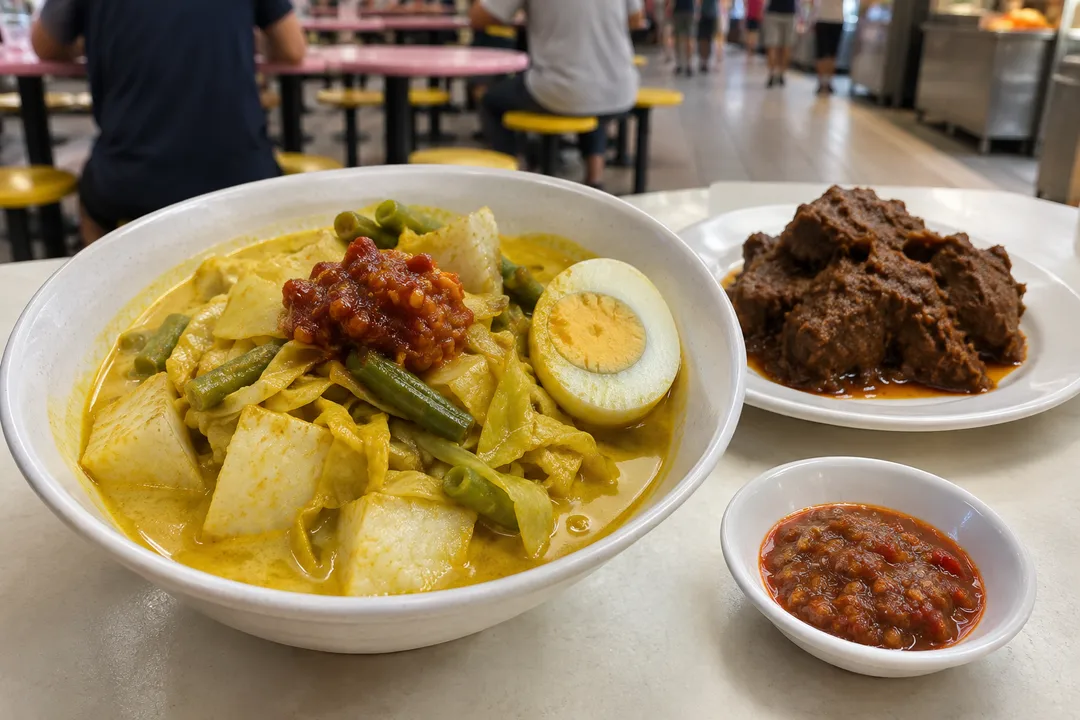
Geylang Serai Curry House Lunch Picker After the Market
Shop the Geylang Serai market first, then sit down to a Malay curry lunch of lontong, rendang or mee rebus, and walk the old Malay heartland with your bags.
Geylang Serai is the heart of Malay life in Singapore, and the best way to eat there is to shop first and lunch second. Spend the morning wandering the market stalls of chillies, lemongrass and fresh coconut, then sit down to a plate of lontong, rendang or mee rebus while your bags rest at your feet. This curry house lunch picker is for anyone who wants a Saturday that feels like a local's routine rather than a tour, with Malay curries at the centre of it.
Why Geylang Serai Is Different From Other Curry Neighbourhoods
Most visitors associate curry in Singapore with Little India's banana leaf rooms, but Geylang Serai shows a different side of it. Malay curries lean on coconut milk, lemongrass, galangal and shallots rather than heavy dry spice blends, and they are often slow-cooked until the gravy clings to the meat. Rendang is dry and dark. Lontong curry is light, yellow and soupy. Mee rebus swaps rice for noodles in a thick, sweet potato gravy.
The neighbourhood has long been a gathering place for Malay families, and that shows in the food. Lunch here is unpretentious, generous and built around sharing plates. You will see grandparents eating with grandchildren, workers on a break and friends meeting after shopping. That everyday energy is the point. You are not visiting a showcase. You are joining a Saturday rhythm that has run for generations.
Start With the Market, Not the Menu
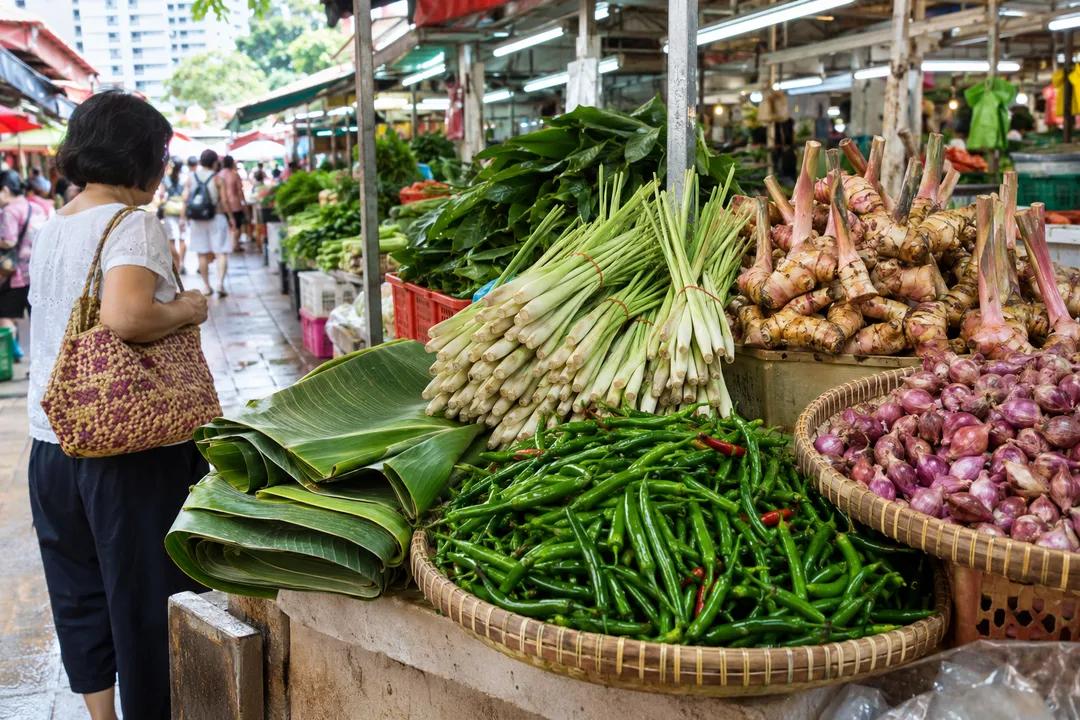
Arrive in the morning and let the market set your appetite. The wet market stalls are piled with fresh chillies, bunches of lemongrass, knobs of turmeric and galangal, and baskets of shallots, which are the backbone of every curry you will eat later. Upstairs or nearby, dry goods stalls sell spice pastes, dried anchovies and kerisik, the toasted coconut that gives rendang its nutty depth.
Buying a few ingredients is a lovely souvenir if you cook at home. Ask a stallholder which spice paste they would use for a simple chicken curry. They are usually happy to explain. Even if you buy nothing, walking the aisles teaches you to recognise flavours. When you taste the lemongrass in your lunch an hour later, you will know exactly where it came from and why it matters.
Choosing Between Lontong, Rendang and Mee Rebus
Lontong is the gentlest start. Pressed rice cakes sit in a light coconut vegetable curry with cabbage, long beans and sometimes tempeh, topped with a spoon of sambal and a boiled egg. It is a classic breakfast and brunch dish, so it fits a late-morning lunch perfectly. If you want something richer, order nasi padang style, with rice and a scoop of beef rendang, curry chicken and a few vegetables on the side.
Mee rebus is the choice for noodle lovers. Yellow noodles come drenched in a thick gravy made sweet with sweet potato and fragrant with dried shrimp, finished with lime, fried shallots and green chilli. It is messy and comforting. If your group is two or more, order one of each and share. The contrast between the light lontong, the dark rendang and the sweet mee rebus tells you more about Malay cooking than any single plate could.
Reading the Stall and Ordering With Ease
Many Malay curry stalls display their dishes in trays behind glass, which makes ordering easy even without dish names. Point at what looks good and the cook will build your plate. Rendang is usually the darkest tray, almost brown-black. Curry chicken has a reddish, oily gravy. Sayur lodeh, the vegetable curry, is pale yellow. Sambal goreng, often with tempeh and long beans, is red and glossy.
Ask for a little gravy poured over your rice. Locals call this banjir, meaning flooded, and it is how many prefer their nasi padang. If you are unsure about spice, ask which dish is the mildest. The cook will point you towards something gentle. Most stalls here are halal, so this is also a comfortable lunch for Muslim friends and anyone who avoids pork.
Eating Like a Regular
Many diners at Malay stalls eat with their right hand, especially with nasi padang, but a fork and spoon are always fine. The spoon goes in your right hand and does the work, while the fork pushes food onto it. Tear the rendang with the spoon's edge rather than a knife. Mix a little sambal into each mouthful rather than eating it alone, because it is there to brighten the rice, not to test you.
Drinks matter after rich coconut curry. Order a teh tarik, a cold bandung made with rose syrup and milk, or a lime juice. Bandung's sweet, pink coolness is a favourite partner for rendang. If you still have room, look for kuih stalls selling small Malay cakes made with coconut, pandan and palm sugar. They make a soft, sweet ending and travel well if you want to take some home.
Walking the Malay Heartland After Lunch
With lunch settled, take a slow walk around the neighbourhood. Geylang Serai's streets mix modern housing blocks with older shophouses, mosques and community spaces, and the area hums with Malay heritage. You might hear a call to prayer drifting across the street, see textile shops selling batik and baju kurung, or pass a bakery with trays of cookies stacked in the window.
If you visit in the weeks before Hari Raya Puasa, the neighbourhood transforms with lights and a festive bazaar, and the crowds grow much larger. A normal Saturday is calmer and easier for a first visit. Either way, carry your market bags with you, take your time and let the area show you a part of Singapore that many visitors never reach.
Letting Karpo APP Shape Your Saturday
Tell Karpo APP that you want a market morning and a Malay curry lunch in Geylang Serai, and it can suggest a simple route: when to start, which kind of stall suits your spice level and how to finish the day with a kuih stop or a quiet walk. It is especially useful if you are bringing a friend who has never eaten Malay food and needs a gentle introduction.
You can also ask Karpo APP for halal-friendly ideas, vegetarian-leaning options such as lontong without egg, or a backup plan for a rainy afternoon. Then head out with an empty stomach and a reusable bag. By the time you leave, you will have tasted rendang where it belongs, filled your kitchen with fresh lemongrass and spent a Saturday the way many Singaporean families do.
Ask Karpo for more information.
Keep reading
- Kovan Hainanese Curry Rice Lunch Picker: Heartland Plates
 Tampines Mee Rebus Breakfast Picker: Round Market Bowls
 Jurong West Mee Rebus Breakfast Picker: Boon Lay Bowls