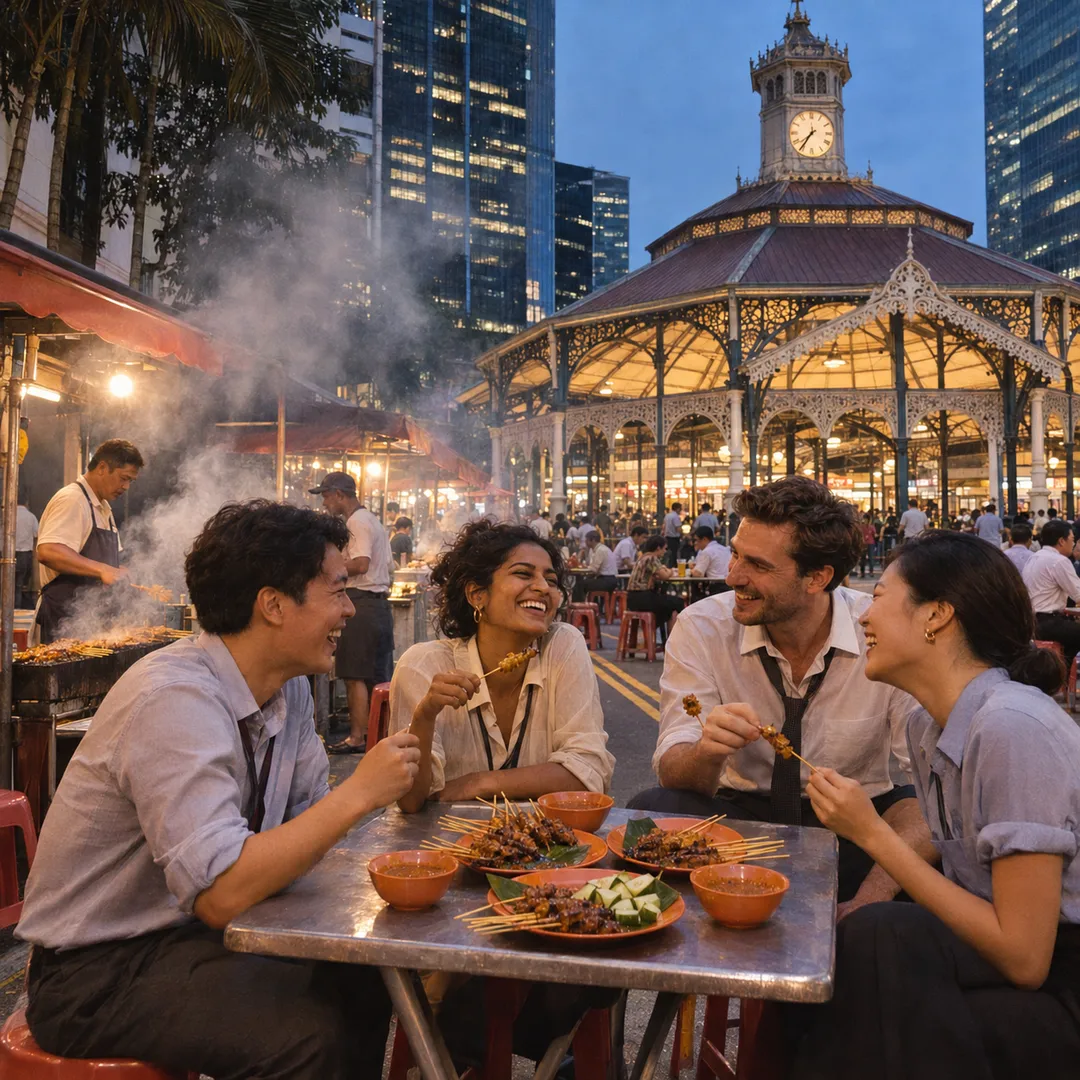
 Marina Bay Food Market Grazing Route After a Conference Day
Neighborhood Guides
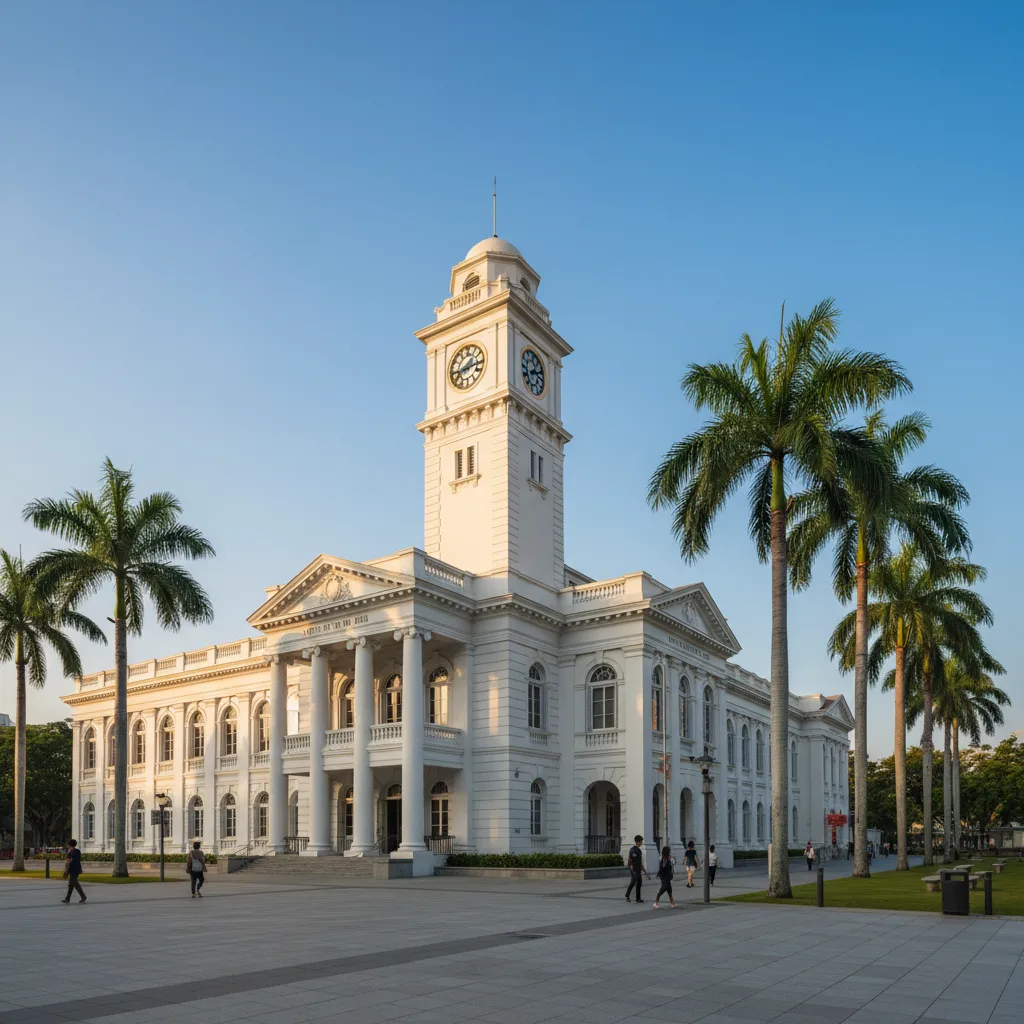
Civic District Colonial Heritage Architecture Trail Guide
Follow a walking route through Singapore's Civic District to see neoclassical facades, Victorian monuments, and historic riverside landmarks on Karpo APP.
Stepping out from City Hall MRT station onto the open lawns of the Padang places you directly in the architectural heart of colonial-era Singapore. Here along St Andrew's Road and Empress Place stands Southeast Asia's most intact ensemble of Victorian, Edwardian, and neoclassical public monuments, constructed during the nineteenth and early twentieth centuries when Singapore served as the administrative capital of the Straits Settlements. Setting aside an unhurried morning allows architecture enthusiasts and history buffs to trace the evolution of civic design from early Palladian administrative halls to monumental neoclassical municipal structures overlooking the historic Singapore River.
Monumental Landmarks Along the Padang
Beginning at the northern perimeter of the Padang brings you immediately before St Andrew's Cathedral, Singapore's premier English Gothic Revival structure consecrated in 1862. Designed by colonial civil engineer Colonel Ronald MacPherson to replace an earlier church damaged by lightning, the cathedral features soaring lancet windows, crocketed pinnacles, and a distinctive white exterior finished with Madras chunam plaster composed of shell lime, egg whites, and sugar. Stepping beneath the sheltered nave arcade reveals exquisite stained-glass memorial lancets honoring early colonial administrators, offering an atmosphere of serene contemplation amid the surrounding financial skyline.
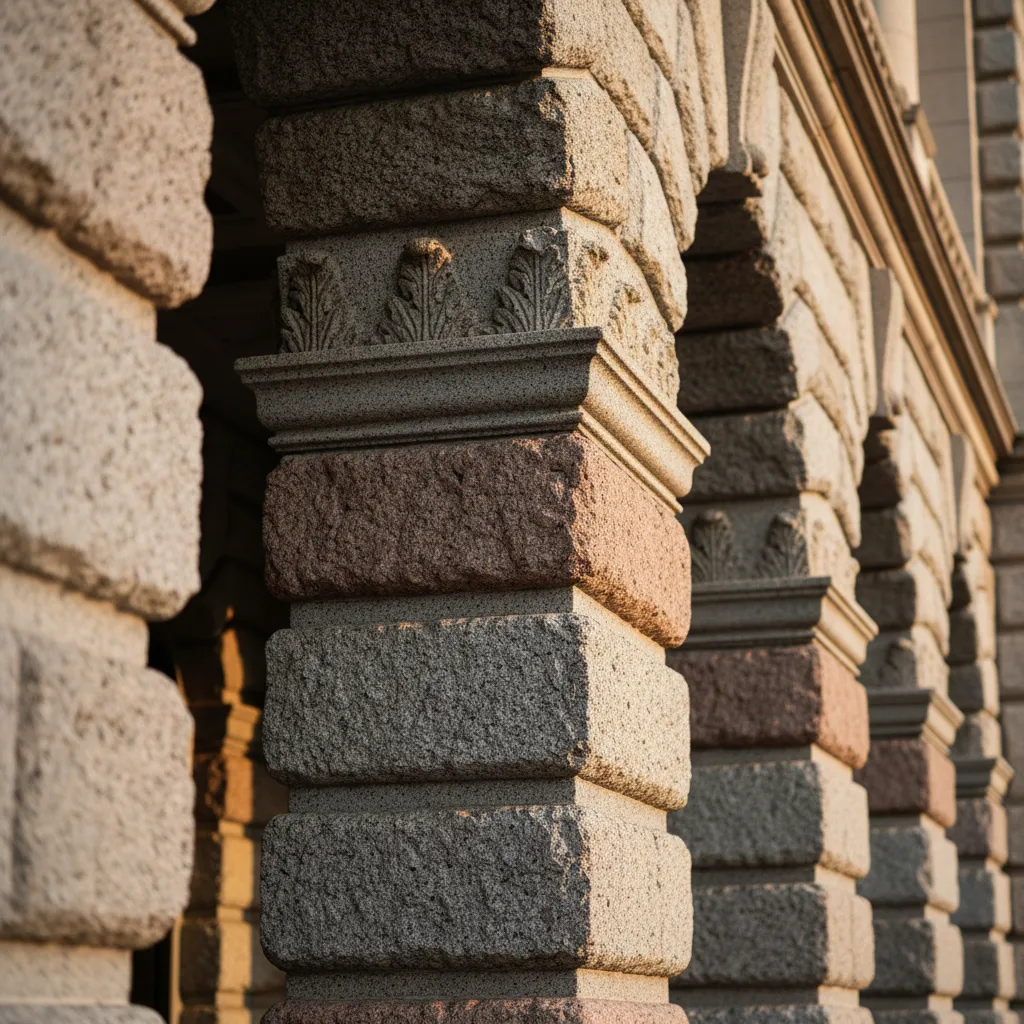
Walking south along St Andrew's Road leads toward the imposing dual facade of the National Gallery Singapore, uniting the former Supreme Court and City Hall buildings into a world-class visual arts institution. The former Supreme Court, completed in 1939 as the last grand neoclassical edifice erected in colonial Singapore, features colossal Corinthian columns, rusticated granite foundation blocks, and an iconic central copper dome designed by chief architect Frank Dorrington Ward. Directly adjoining stands the former City Hall, completed in 1929 with a rhythmic neoclassical colonnade of eighteen fluted Corinthian pillars where historic surrender ceremonies concluded World War II.
Crossing Connaught Drive toward the waterfront brings you alongside the historic Singapore Cricket Club, established in 1852, whose low-slung timber-framed pavilion reflects tropical colonial sports architecture. The wide green expanse of the Padang itself served as the primary ceremonial parade ground, military assembly field, and communal recreation space throughout the colonial period. Pausing near the cenotaph memorial along Esplanade Park provides an open vantage point where the contrasting proportions of grand civic masonry and modern steel towers can be captured in early morning sunlight.
Empress Place and the Historic Waterfront
Continuing south across the open square of Empress Place leads to the Asian Civilisations Museum, housed inside the historic Empress Place Building constructed between 1864 and 1867. Originally designed by Major John Frederick Adolphus McNair to accommodate the colonial government's civil secretariats, treasury, and public works departments, the building showcases symmetrical Palladian proportions, classical pedimented porticos, and deeply recessed louvred timber casements engineered to encourage cross-ventilation in the equatorial climate.
Adjacent to the museum stands the Victoria Theatre and Concert Hall, a striking two-building civic complex united by a fifty-four-meter Italianate clock tower completed in 1905. The older Town Hall section dates to 1862, while the adjoining memorial hall was erected after the death of Queen Victoria, showcasing ornate rusticated masonry arches and pediments adorned with classical relief sculptures. Circling the building toward the riverfront reveals the bronze statue of Stamford Raffles, sculpted by Thomas Woolner and installed on the grounds in 1919 for the colony's centenary.
Just footsteps away along the river embankment sits The Arts House, occupying the historic Old Parliament House. Originally designed in 1827 by master architect George Drumgoole Coleman as a private neoclassical mansion for merchant John Argyle Maxwell, this elegant structure stands as the oldest surviving colonial building in Singapore. Walking past its Tuscan portico and slender colonial columns highlights Coleman's early mastery of adapting Georgian Palladian forms to tropical Singaporean realities through high ceilings and deep shaded verandahs.
Historic Bridges and Riverside Monuments
Reaching the Singapore River embankment directs attention toward Cavenagh Bridge, the oldest bridge spanning the river that still retains its original structural form. Manufactured in Glasgow by P and W MacLellan and assembled on-site in 1869, this ornate cast-iron suspension bridge retains its original decorative iron arches, fluted suspension piers, and historic police notices prohibiting ox carts and heavy draft cattle. Pedestrians strolling across its timber-planked deck enjoy unobstructed views toward Boat Quay shophouses and the mouth of the Singapore River.
Positioned prominently at the southern bridgehead stands The Fullerton Hotel, occupying the monumental Fullerton Building constructed between 1924 and 1928. Named after Singapore's first governor Robert Fullerton, this colossal neoclassical landmark originally housed the General Post Office, the Singapore Club, and colonial tax offices. Its grand fluted Doric colonnade, coffered barrel vaults, and rugged granite ashlar walls reflect interwar British imperial ambition, while a brass marker embedded in the entrance foyer still denotes Singapore's historic Mile Zero postal hub.
Looking slightly downstream brings Anderson Bridge into view, an elegant three-span steel arch bridge constructed in 1910 to accommodate growing tram and motorcar traffic across the river. Featuring rusticated granite abutments, decorative bronze lamps, and intricate open lattice steelwork, Anderson Bridge stands as a testament to Edwardian structural engineering. Combining views of Cavenagh Bridge, Anderson Bridge, and the Fullerton Building creates one of the most rewarding architectural vistas in Southeast Asia.
Practical Walking Advice and Navigation
Commencing your walking trail in early morning allows you to explore the broad green grounds of the Padang, Esplanade Park, and the river bridges before midday heat peaks. Early morning light also accentuates the crisp white mouldings and classical pediments of Empress Place, creating optimal conditions for exterior architectural photography without harsh overhead shadows.
Navigating between monuments is exceptionally pleasant due to wide pedestrian boulevards and contiguous shaded arcades. If sudden midday monsoon rains sweep across the harbor, public interior galleries inside the National Gallery, Victoria Concert Hall, and Asian Civilisations Museum provide comfortable, climate-controlled shelter. Many of these public historic venues maintain free access to their atrium corridors and ground-floor heritage displays, allowing visitors to appreciate restored internal stairwells and vaulted ceilings without formal exhibition tickets.
Transport access throughout the district is seamless, with City Hall MRT station serving as the northern trailhead and Raffles Place MRT station providing convenient egress just across Cavenagh Bridge. Multiple municipal bus connections run along Stamford Road and Hill Street, allowing walkers to customize their start and finish points. Footpaths throughout the civic core feature smooth granite paving, drop kerbs, and well-marked pedestrian crossings suitable for leisurely walking paces.
Curating your architectural discovery route becomes effortless when utilizing digital exploration companions. The Karpo APP provides intuitive neighborhood walking guides, interactive monument waypoints, and detailed architectural notes that highlight historical context across conserved precincts. With a well-planned itinerary and attentive appreciation for classical craftsmanship, exploring Singapore's Civic District offers a profound journey through the city's built heritage.
Ask Karpo for more information.
Keep reading
- Marina Bay Food Market Grazing Route After a Conference Day
 River Valley Food Market Grazing Route With Young Kids
 Serangoon Food Market Grazing Route for a Homecoming Weekend