 Marina Bay Food Market Grazing Route After a Conference Day
Neighborhood Guides
City Walking Loop Planner: 5 Katong Peranakan Stops
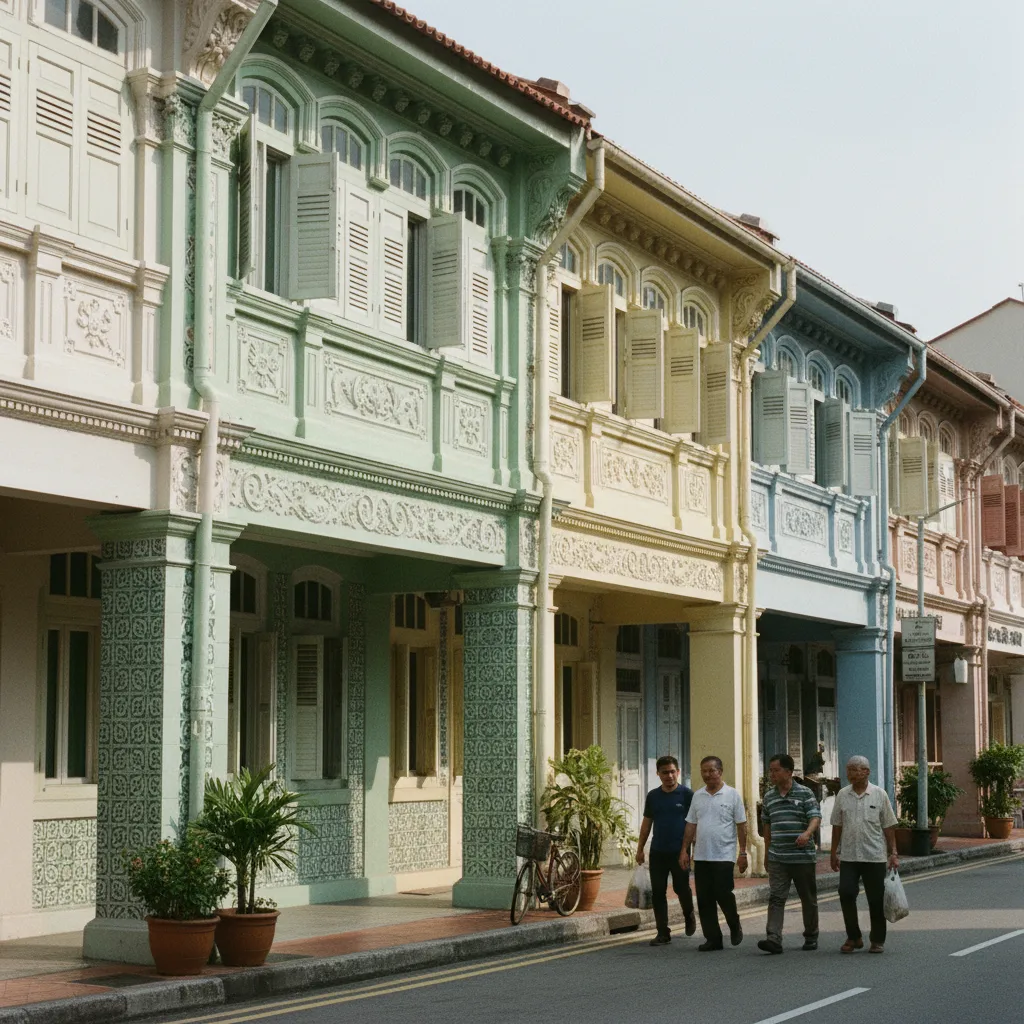
Plan a Peranakan heritage walking loop in Katong Singapore along Koon Seng Road. Admire pastel shophouse facades, local bakeries, and breezy neighborhood lanes.
Nestled on the eastern coast of Singapore, Katong and Joo Chiat represent the heart of Straits Chinese and Peranakan culture, famous for richly ornamented terrace houses and distinctive culinary traditions. Once covered in coconut plantations and sea-facing weekend villas, the precinct transformed during the early twentieth century into a bustling commercial and residential settlement. Mapping a circular walking loop through these vibrant streets allows you to trace architectural transitions from baroque colonial motifs to ornate Peranakan ceramic decorations, all while savoring the lively street atmosphere of local eateries, spice merchants, and traditional craft ateliers. The unique blend of Chinese, Malay, Indonesian, and European influences known as Peranakan or Straits Eclectic architecture reached its artistic zenith here between nineteen ten and nineteen thirty, leaving behind streetscapes that feel like open-air architectural galleries.
A thoughtfully designed walking loop of approximately three kilometers takes you from East Coast Road deep into the residential lanes of Joo Chiat and Koon Seng Road before returning along the temple-lined quietude of Ceylon Road. This circular itinerary ensures you encounter contrasting neighborhood layers—bustling shophouse arcades, quiet residential side alleys, and ornate ceremonial facades—without repeating pathways. By sharing your cultural interests and available time, Karpo APP generates general itinerary suggestions for visiting Katong and Joo Chiat, helping you outline a self-guided route that showcases the district's storied streets. Along the way, the route balances lively thoroughfares with serene residential corridors, providing opportunities to admire museum-grade conservation facades, observe local heritage craftsmanship, and absorb the distinctive coastal community ambiance.
Stage One: East Coast Road and the Gateway to Joo Chiat
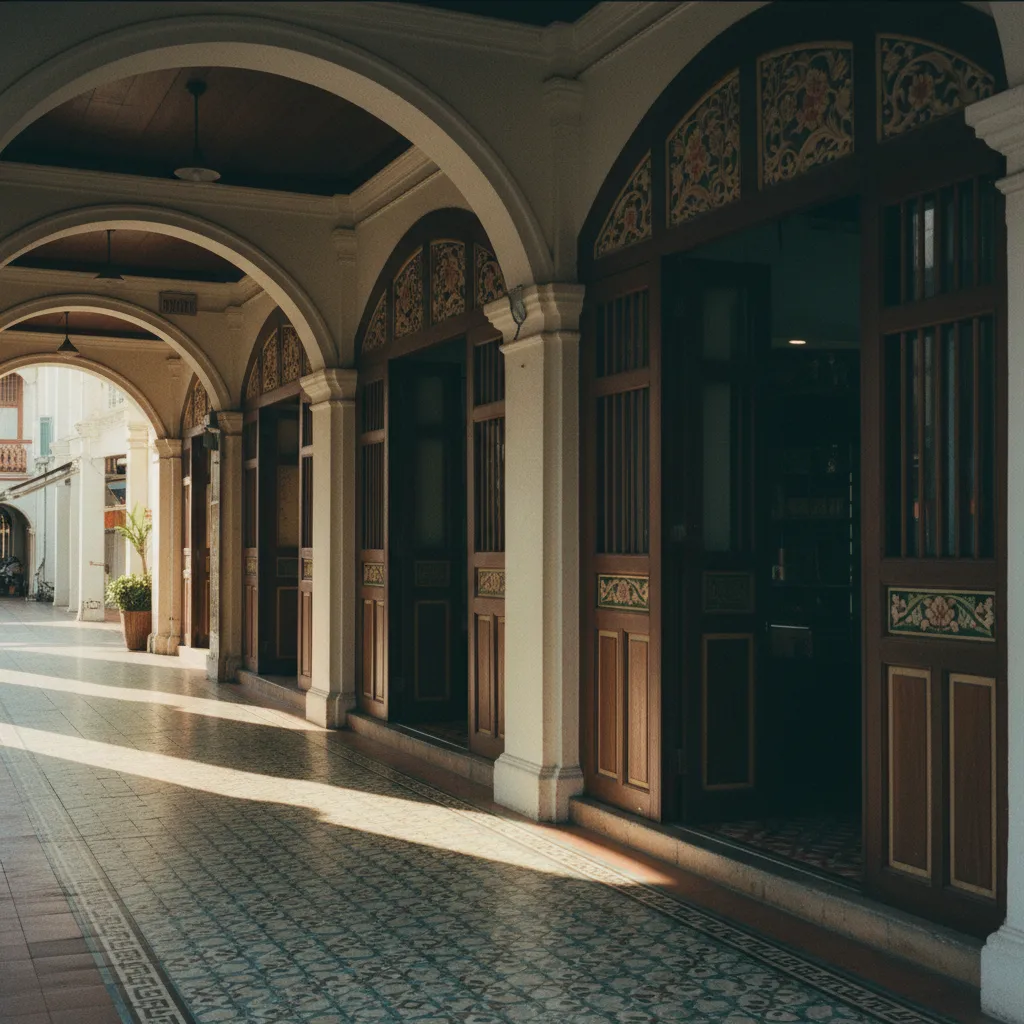
Begin your stroll at the bustling intersection of East Coast Road and Joo Chiat Road, the lively commercial crossroads of Katong. Setting out eastward along East Coast Road, the continuous covered five-foot ways shelter you beneath ornate ceiling moldings and carved timber architraves. A short walk along the street brings you past the historic Katong Antique House at two hundred and eight East Coast Road, where Peranakan heirlooms are preserved behind traditional painted timber shutters. Continuing eastward, traditional coffee shops hum with morning breakfast conversations, serving fragrant kaya toast, soft-boiled eggs, and local robusta coffee. The architectural detailing on these two-storey shophouses displays an eclectic mix of Corinthian capitals, decorative floral relief plasterwork, and carved wooden swing doors known as pintu pagar, which allowed cooling sea breezes to enter while maintaining family privacy. Notice the intricate timber fretwork louvers on the upper windows and the glazed European encaustic tiles paving the thresholds, symbols of prestige that early Peranakan families selected from English and Belgian pattern catalogs.
Turn north onto Joo Chiat Road, a designated conservation corridor celebrated for its vibrant commercial terraces and colorful facades. Here, eclectic shops display traditional beaded slippers, embroidered kebaya blouses, and glazed porcelain jars alongside independent modern boutiques and specialty coffee roasters. As you progress along the sidewalk, take note of the high decorative parapets and pediments bearing auspicious Chinese calligraphy intertwined with European classical swags. The human scale of the buildings and the generous pavement width make this a thoroughly engaging urban walking environment where historical craftsmanship remains on active daily display. Several shophouses retain their original second-storey cantilevered bow windows, which allowed family members to look up and down the street below without being seen from outside.
Stage Two: The Pastel Shophouses of Koon Seng Road
Veering right onto Koon Seng Road brings you to the crown jewel of Singapore's Peranakan architecture: the world-renowned row of pastel-painted terrace houses dating from the nineteen twenties. These impeccably preserved residences feature ornate plaster relief panels depicting mythical creatures, blooming peonies, and auspicious fruits. Hand-painted ceramic majolica tiles in shades of turquoise, blush pink, and canary yellow line the front gate pillars and facade plinths. Morning light catches the glazed tile surfaces, creating a brilliant spectrum of color that showcases the wealth and decorative exuberance of early Straits Chinese merchants who settled this coastal district. The rhythmic succession of pastel facades—soft lavender, pale mint, lemon chiffon, and rose pink—creates an unforgettable visual harmony, accented by jade-colored roof tiles that glisten against the equatorial morning sky.
Continue east along Koon Seng Road before turning southward down Joo Chiat Place and Everitt Road. Here the urban tempo slows dramatically as commercial storefronts give way to sleepy residential gardens behind ornamental wrought-iron gates. Towering traveler palms and potted frangipani trees spill over garden walls, scenting the warm air with sweet tropical blossoms. Small side lanes like Rambutan Road and Mangis Road invite brief contemplative detours, revealing how modern families maintain heritage terraces with contemporary architectural sensitivities, private courtyards, and lush greenery. The peaceful atmosphere along these side roads highlights how Katong functions as a living residential neighborhood rather than a sterile museum, with residents tending porch bonsai and children cycling along shaded sidewalks.
Stage Three: Returning via Joo Chiat Place and Ceylon Road
Follow the loop westward toward Ceylon Road, where the soaring gopuram tower of Sri Senpaga Vinayagar Temple comes into view. Rebuilt in South Indian Dravidian style and dedicated to Lord Ganesha, this historic temple has anchored the local Ceylonese Tamil community since the late nineteenth century. Its intricately sculpted deities, golden finials, and ornate temple bell tower provide a striking cultural contrast to the Chinese shophouses just a few hundred meters away, illustrating the harmonious multi-ethnic tapestry that characterizes Katong's living heritage across generations.
From Ceylon Road, a gentle walk south leads directly back to East Coast Road near the iconic Red House bakery building. Arriving back at your starting point after an enriching two-hour loop, you are ideally situated to sample famous Katong laksa or delicate handmade Nonya kueh at nearby heritage confectionery counters. The circular layout makes the entire excursion feel coherent, fulfilling, and delightfully manageable on foot, providing deep appreciation for how preserved architectural identity enriches contemporary neighborhood life.
Practical Route Planning and Peranakan Enclave Notes
When exploring Katong, start your walk before nine in the morning or after four in the afternoon to avoid the midday sun, especially along Koon Seng Road where shade is limited. Wear comfortable walking shoes with good grip for tiled five-foot ways that can be slippery when wet, and bring a small umbrella for tropical weather fluctuations. Respect residential privacy when admiring shophouse facades along Koon Seng Road by staying on public sidewalks and keeping voices at a neighborly volume so residents enjoy their quiet mornings undisturbed.
Sharing your walking mood, budget, or dining preferences with Karpo APP provides general recommendations to help shape an enjoyable excursion through Katong. You can browse suggested cultural highlights, match your stroll with neighborhood dining ideas, and explore the precinct at your own comfortable pace. This Katong and Joo Chiat loop remains an unforgettable immersion into Singapore's most vibrant cultural living tapestry, celebrating a colorful heritage that continues to inspire residents and travelers alike.
Ask Karpo for more information.
Keep reading
- Marina Bay Food Market Grazing Route After a Conference Day
 River Valley Food Market Grazing Route With Young Kids
 Serangoon Food Market Grazing Route for a Homecoming Weekend