 Kovan Hainanese Curry Rice Lunch Picker: Heartland Plates
Restaurants

Ghim Moh Chwee Kueh Breakfast Picker: Morning Queue Guide
Navigate Ghim Moh Market's charcoal-steamed rice-cake queues and HDB kopitiams before sell-out. Learn batch-wait timing, rustic chai poh, and Ulu Pandan walks.
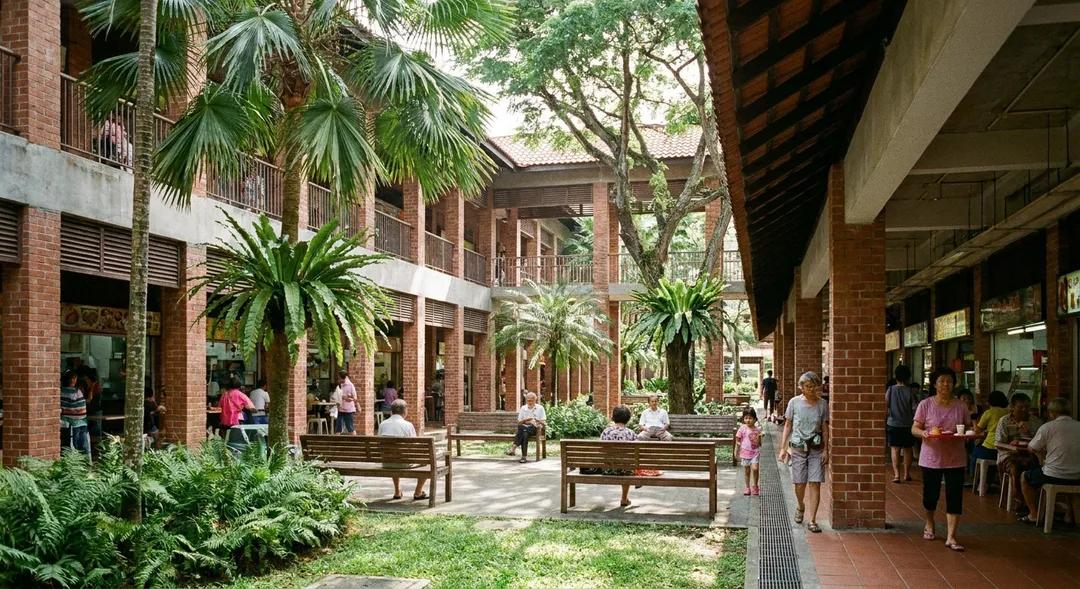
Across the single-story pitched roof of the neighborhood food centre beside the wet market, the scent of pandan leaves, roasted coffee beans, and simmering preserved radish signals why a smart chwee kueh breakfast picker matters in Ghim Moh. A visiting food writer and her Clementi aunt arrive with a two-wheeled market trolley just as the vegetable sellers finish stacking crates of mustard greens along the back apron. Unlike automated central kitchens where factory-molded rice cakes arrive in plastic crates before dawn, Ghim Moh's heritage morning stalls are renowned for grinding and steaming small batches on site—which means the queue pauses completely whenever a steamer rack empties. Knowing how to read the steamer lids, when to wait ten minutes for a fresh pull, and when to pivot to the neighboring HDB void-deck coffee shops determines whether you eat the finest rice cakes in the west or stand empty-handed.
Timing Batch Steamers vs Void-Deck Coffee Shop Counters
Stepping into the food centre side of Ghim Moh reveals an immediate visual cue that separates artisanal batch cooking from continuous-flow stalls: a line of fifteen patient regulars standing calmly even when no plates are coming over the counter. When the wooden or heavy metal lid stays clamped over the round steamer vat and white vapor hisses from the rim, the rice slurry is mid-cook. The Clementi aunt always checks how many customers ahead of her are holding up five fingers for family takeaway packs; if more than eight people are waiting for a closed steamer and she has perishable fish in her trolley, she knows the next batch is already spoken for.
Waiting through a full steaming cycle rewards patience if you have fifteen unhurried minutes to spare. Because the rice batter is ladled by hand into individual metal cups right at the stall, the freshly unmolded rounds emerge piping hot, slightly irregular around the edges, and perfumed with pure wet-milled rice fragrance. While one person holds the spot in line, the second partner claims a four-seat table along the outer brick breezeway facing the market courtyard, where open louvers let the western morning breeze sweep away the kitchen heat. Skip the interior center-aisle tables directly opposite the dish-return conveyor, where clattering trays and hot steam from the noodle boilers make the air heavy.
When the primary market stall sells out by mid-morning or the batch wait stretches past two steaming cycles, the ground-floor kopitiams under the surrounding residential blocks across the pedestrian crossing provide a dependable fallback. These corner coffee shops operate traditional multi-tiered drawer steamers that hold ready-to-serve rice cakes alongside siew mai and char siew pau. You trade the handmade batch drama of the market center for zero wait time, wide round tables that easily fit wheeled shopping carts, and ceiling fans strong enough to flutter your morning newspaper.
Evaluating Rustic Hand-Cut Chai Poh and Lard-Scallion Oil
Ghim Moh's reputation among western Singapore breakfast hunters rests on the contrast between an ultra-delicate rice cake and a bold, rustic turnip topping. Because handmade batter uses a higher ratio of water to aged rice flour without commercial stabilizers, the unmolded cakes do not sit tall and stiff like rubber hockey pucks. Instead, they slump gently onto the wax paper with a creamy, custard-like interior that melts on the tongue with minimal chewing. Even after cooling for five minutes on the table, the base stays supple and never develops a dry skin.
Rather than mincing the preserved radish into uniform machine-cut dust, old-school western heartland cooks chop the cured turnip slightly coarser so you can actually feel the fibrous crunch of the root vegetable between your teeth. Simmered in a heavy cast-iron cauldron with crushed garlic cloves, dark soy, and rendered shallot oil, the turnip takes on a savory, earthy depth with barely a hint of candy-like sweetness. The food writer notices tiny flecks of caramelized garlic skin mixed through the radish cubes—a hallmark of a kitchen that peels and fries its own aromatics from scratch every morning rather than pouring from a commercial jar.
Pay careful attention to the chili spoon at these traditional stalls, because the condiment is built to match the rustic turnip rather than mask it. Instead of a vinegary bottled sauce, the chili paste here is pounded rough and fried slowly in oil until the red chilies turn brick-colored and smoky. Ask for a half-spoonful dabbed on the edge of the wax paper rather than smeared across the center dimples. Dipping one corner of a rice wedge into the smoky chili while scooping up a generous heap of coarse radish gives you three distinct textures—silky pudding, crunchy turnip, and gritty chili paste—in a single bite.

Coordinating Market Trolleys, Kopi Gu You, and Side Plates
Navigating Ghim Moh with market bags or a wheeled basket requires a simple two-step table strategy before anyone joins a food queue. Park your trolley flush against the low perimeter wall or tucked beneath an end stool along the outer promenade so it never blocks the narrow serving lanes where aunties carry trays of scalding soup. For two hungry walkers, ordering an eight-piece parcel shared down the middle works better than two tiny four-piece packets, because the server ladles a more generous blanket of braised turnip and fragrant oil over the unified cluster of cakes.
What you drink alongside handmade rice cakes can elevate the entire breakfast table. Three stalls down from the steamer row, an old-style beverage counter still brews thick Nanyang coffee and tops it with a slice of salted golden butter—kopi gu you—upon request. As the butter melts into a glossy ring across the hot black coffee, its creamy saltiness echoes the savory oil pooling in the dimples of the chwee kueh. If you prefer something lighter after a humid walk from the MRT viaduct, ask for a tall mug of homemade barley water with soft boiled grains at the bottom, or pick up a pair of warm crispy-edged apam balik peanut pancakes from the neighboring griddle stall to finish the meal on a sweet roasted note.
When eating soft, high-moisture rice cakes that were unmolded seconds ago, avoid slicing the entire plate into tiny pieces all at once. Cut and eat one round cake at a time using your twin bamboo skewers; leaving the remaining cakes intact preserves their internal heat and keeps the central dimple holding its pool of savory turnip oil until the final bite.
Walking the Ulu Pandan Canal, Rail Corridor, and Karpo APP
Once the brown wax paper is folded and tucked into the clearing station, Ghim Moh sits at the crossroads of two of Singapore's finest green walking routes. Stepping behind the residential blocks puts you directly onto the Ulu Pandan Park Connector, a wide waterside path flanked by rain trees, pandan shrubs, and kingfishers perching along the canal railings toward Clementi and Holland Village. Walk five minutes in the opposite direction toward Buona Vista and you can step onto the red-earth gravel and steel truss bridges of the Rail Corridor, turning a twenty-minute hawker breakfast into a breezy morning hike under lush secondary forest canopy.
Because artisan batch stalls in Ghim Moh rest on irregular weekday schedules and often sell out of their last steamer vat earlier on sunny weekends, arriving to a shuttered counter is always a real possibility. Instead of guessing whether to walk uphill toward Holland Drive or west toward Clementi Central, open the Karpo APP to check nearby breakfast stalls and traditional hawker centers across the western corridor. The Karpo APP makes it simple to browse local morning favorites, compare neighborhood dining options, and route your walk straight to an open breakfast counter.
Ask Karpo for more information.
Keep reading
- Kovan Hainanese Curry Rice Lunch Picker: Heartland Plates
 Tampines Mee Rebus Breakfast Picker: Round Market Bowls
 Jurong West Mee Rebus Breakfast Picker: Boon Lay Bowls