 Kovan Hainanese Curry Rice Lunch Picker: Heartland Plates
Restaurants

Chinatown Chilli Crab Dinner Picker for a Melbourne Chef
A Chinatown chilli crab dinner picker for a visiting chef: taste the sauce in layers, compare it with pepper crab, then walk the temples and shophouse lanes.
Tom runs a small kitchen in Melbourne and has cooked his own version of chilli crab for years. When he visits his old cooking school friend Mei in Singapore, he has one request: show me how it is supposed to taste. Mei takes him to Chinatown, where old restaurants and zi char kitchens share streets with temples and shophouses. This chilli crab dinner picker is their tasting session, sauce first and crab second.
A Dish Born on the Street
Mei starts with the story, as her grandmother told it. In the years after the war, a couple selling stir-fried crab from a pushcart by the Kallang River began cooking their crabs in a sauce of tomato and chilli instead of plain steaming. The dish moved indoors, other cooks added egg, and in time chilli crab became something Singaporeans order for every celebration and every overseas visitor.
Tom likes that the dish began as street food, because it means no single recipe owns it. Mei explains that every kitchen in Singapore has its own balance: sweeter, hotter, thicker, more sour. That is why she chose Chinatown. The district still has restaurants that feed generations of the same families, and the chilli crab there tends to taste like the version many Singaporeans grew up with.
The First Taste: Sweet, Then Sour
Before touching the crab, Mei tells Tom to dip a fried mantou bun into the sauce and taste it alone. The first impression is sweetness, from tomato and a little sugar. Then sourness arrives, usually from vinegar or lime, which keeps the sauce bright instead of heavy. Tom writes this down. In his own version, he says, the sauce had been too sweet and too thick.
Next comes heat. Chilli crab is not meant to be fiery. The chilli builds slowly at the back of the throat and fades, which is why children and grandparents eat it happily. Underneath, Tom tastes garlic, ginger and a savoury depth that Mei says often comes from fermented soybean paste or a little shrimp paste in the base. Different kitchens guard their own versions of that base.
The Egg Ribbons Are the Point
What surprises Tom most is the texture. Beaten egg is stirred into the sauce at the very end, so it sets into soft ribbons instead of scrambling. The result is silky and thick enough to cling to the shell and to the buns. Mei shows him how a good sauce looks: glossy, bright red-orange, with visible threads of egg, never grainy or oily on top.
He asks the server how the kitchen does it, and the answer is a smile and a shrug. That is normal; cooks rarely share the details. Mei suggests watching the next table's crab arrive instead. The sauce moves like custard when the platter is set down. Tom says it is closer to a stirred French sauce than he expected, and resolves to rebuild his own from the beginning. Mei laughs and tells him that her aunt has been rebuilding hers for thirty years and still argues with her sisters about the vinegar every Lunar New Year.
Then the Crab: Choosing and Cracking
With the sauce understood, they turn to the crab itself. Mud crabs are the usual choice, sold by weight, and the staff will explain which sizes are meaty and how many people each crab feeds. Mei asks for a crab with plenty of meat in the claws, and Tom asks if there are female crabs with roe, which adds richness to the sauce. The staff happily guide both requests.
For comparison, Mei also orders a small black pepper crab. Its dry coating of cracked pepper and butter tastes completely different, sharp and aromatic, and shows Tom how much the chilli crab depends on its sauce. He cracks the claws with a metal cracker, picks out the meat with a thin fork, and drags each piece through the red sauce before eating it. That is the Singaporean way, and it is gloriously messy.
What to Order Around the Crab
Keep the rest of the table simple so the crab can speak. Fried buns are essential, steamed ones optional. A plate of stir-fried greens with garlic, a simple fried rice or plain rice to take the leftover sauce, and perhaps a cold tofu dish for contrast. Mei avoids other heavily sauced dishes, because they confuse the palate during a tasting.
Drinks matter too. Cold lime juice cuts the richness and resets the tongue between bites, while hot Chinese tea suits anyone who finds the chilli building up. Tom, who expected to want a beer, admits that the lime juice is the better match. Mei warns him to wear something dark and to accept that his sketch pad will end the night stained orange.
A Slow Walk Through Chinatown After Dinner
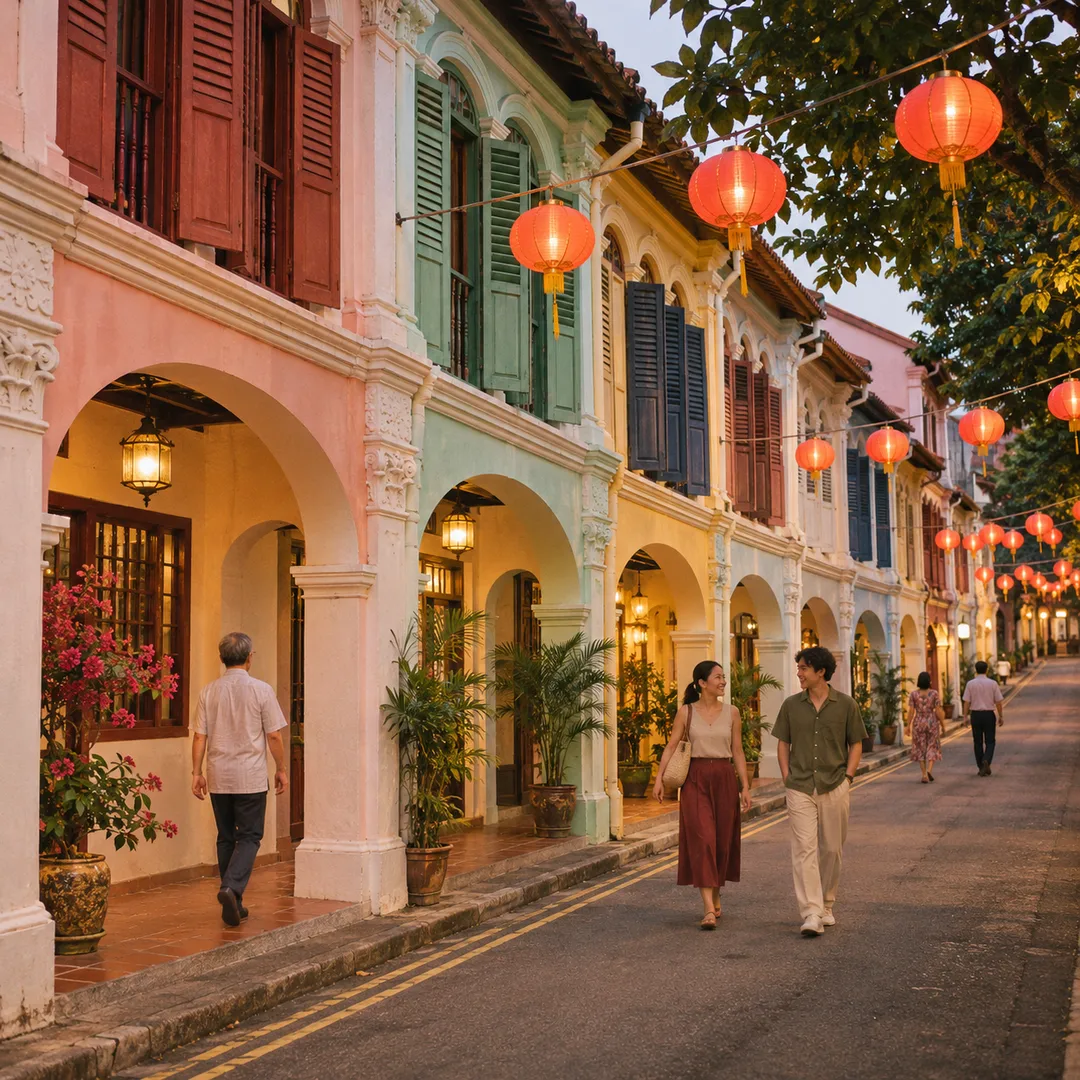
Afterwards they walk through Chinatown's lanes. Along South Bridge Road, the Hindu temple with its colourful gopuram and the large Buddhist temple stand within a short walk of each other, a reminder of how mixed the old town always was. Mei points out the restored shophouses with carved wooden shutters, many of them once clan houses and family businesses with homes upstairs.
Further on, Ann Siang Hill and Club Street rise gently on a small hill lined with shophouse bars and cafes, quieter on weeknights. Keong Saik Road curves through another row of restored shophouses. Tom photographs the lanterns and the old five-foot ways, and says the neighbourhood reminds him of Melbourne's laneways, only older, warmer and much more humid. Mei buys him a small bag of dried chillies from a provision shop on the way, half as a souvenir and half as a challenge for his kitchen back home.
Planning Your Own Chilli Crab Tasting With Karpo
To plan your own tasting, open the Karpo APP and search for chilli crab and zi char dinners around Chinatown. Pick one place for a full dinner and save a second for another night, so you can compare two sauces side by side. Karpo can also suggest dessert stops along the lanes, such as a traditional dessert shop for cold grass jelly or almond paste.
Tom flies home two days later and texts Mei a photo of his first new attempt: brighter sauce, softer egg, fewer spices. She replies with one word, closer. For any cook or curious diner, that is the real gift of a chilli crab dinner in Chinatown: not a recipe, but a clear memory of how the sauce should feel.
Ask Karpo for more information.
Keep reading
- Kovan Hainanese Curry Rice Lunch Picker: Heartland Plates
 Tampines Mee Rebus Breakfast Picker: Round Market Bowls
 Jurong West Mee Rebus Breakfast Picker: Boon Lay Bowls