 Kovan Hainanese Curry Rice Lunch Picker: Heartland Plates
Restaurants

Tiong Bahru Cheap Eats Lunch Picker: Café or Hawker Floor
Tiong Bahru lunch splits between bakery cafés and the hawker floor upstairs. Here is how remote workers and friends pick, order and walk the art deco estate.
Tiong Bahru is famous for two very different ways to eat lunch, and they sit only a few minutes apart. On the ground floors of the old art deco flats, bakery cafés serve croissants, grain bowls and flat whites to people with laptops. Up the stairs of the market building, a busy hawker floor serves chwee kueh, lor mee, fishball noodles and claypot rice on plastic trays, for a fraction of the café bill. This cheap eats lunch picker helps you choose between the two worlds, or combine them, depending on who you are with and what the afternoon needs.
Two Lunch Worlds on One Estate
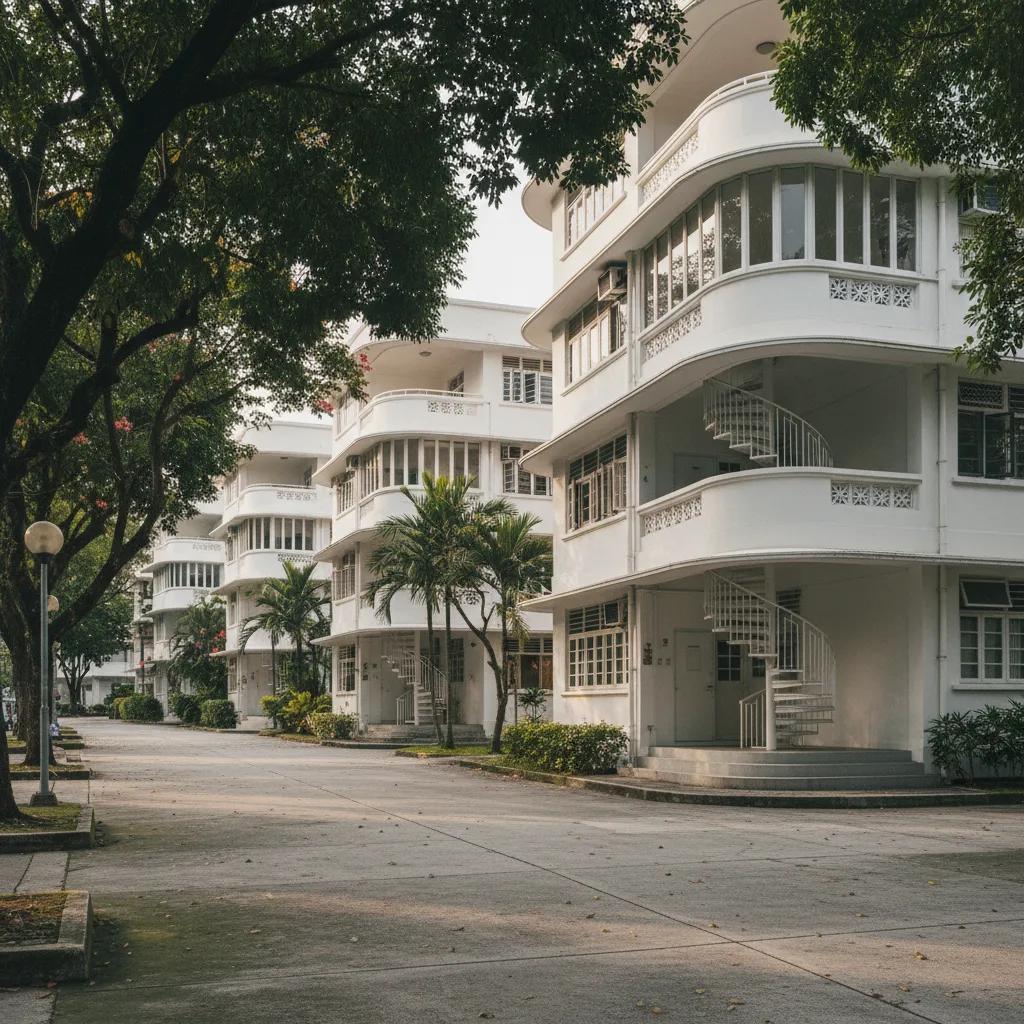
Tiong Bahru was one of Singapore's earliest public housing estates, and its low white blocks, curved corners and spiral staircases still give the neighbourhood a gentle, village-like feel. Over the years the shophouse units filled with independent bookshops, bakeries and coffee bars, and the estate became a favourite weekend spot for brunch crowds.
The market building, meanwhile, never stopped serving the older residents who have lived here for decades. Downstairs is the wet market, with fish, vegetables and flowers. Upstairs is the cooked food centre, where stalls run by families serve dishes many locals ate as children. The two worlds share the same pavements, and part of the fun is moving between them.
Who Should Choose the Café Side
Pick a café if you need a quiet table for an hour, a power socket and a good espresso, or if you are meeting someone for a slow catch-up. The café side also suits friends visiting from abroad who want a gentle first meal before tackling hawker food. Pastries, sandwiches and salads are easy to understand, and the art deco setting makes an easy photo backdrop.
The downside is cost. A café lunch with a coffee and a pastry can add up to several hawker meals. If budget matters, one good trick is to order only a coffee and a small bake at the café, then walk to the market for a proper meal. You keep the atmosphere and spend far less on food.
Who Should Climb the Market Stairs
Choose the hawker floor if you are hungry, short on money or curious about Singapore's everyday food. The menu is wide: chwee kueh, the soft steamed rice cakes topped with salty preserved radish, lor mee in thick dark gravy, and fishball noodles dry or in soup. Look out too for Hainanese curry rice, roast meats over rice and bowls of herbal soup for cooler, rainy days.
It is also the friendlier choice for a group with mixed tastes. Everyone can queue at a different stall and meet back at one table, so a vegetarian, a spice lover and a picky child can all eat happily together. The noise and bustle are part of the charm, though a remote worker hoping for a quiet call should look elsewhere.
How to Order Without Fuss
First, find a table. Locals often reserve a seat by leaving a packet of tissues on it, a habit known as chope. If a table has tissues, an umbrella or a lanyard, it is taken. Once you have a seat, one person can stay while the others queue. Note your table number, which is often painted on the table edge, in case a stall offers to bring food over.
At the stall, keep the order short and clear: the dish, dry or soup, and whether you want chilli. Many stall owners speak English along with Mandarin, Hokkien or Malay, and pointing at the photo board is perfectly normal. Pay when you order, then wait to the side. When you finish, return your tray to the tray return point, as everyone is expected to do in Singapore hawker centres.
A Combined Plan for Remote Workers
If you are working remotely, the neighbourhood can host your whole day. Start the morning at a café for focused work and a coffee. When hunger hits, close the laptop, pack it away and walk to the market for a hawker lunch. Eat slowly, then take a short loop around the blocks before settling into a second café, or a quieter corner of the first, for the afternoon.
This rhythm keeps your spending down and stops the day from blurring into one long screen session. The walk also helps after a heavy plate of lor mee. Keep your bag with you at the hawker table rather than leaving it to chope a seat. Tissues are for reserving, laptops are not.
Walking the Art Deco Blocks
After lunch, give yourself time to look up. Tiong Bahru's flats are among the most photogenic housing in Singapore, with rounded balconies, long horizontal lines and the back staircases that wind up the rear of each block. The streets are named after early Chinese community figures, and small plaques around the estate tell parts of its history.
Wander without a plan. You will pass a hidden bird corner where residents once hung songbird cages, murals that show old neighbourhood life, and quiet courtyards with old trees. It is a calm loop, mostly shaded, and a gentle way to digest before heading back to work or onward to the next stop.
Timing Your Visit
The hawker floor is busiest at the classic lunch rush, when nearby office workers and residents arrive together. Come a little earlier or later, and you will find more seats and shorter queues. Some stalls sell out of popular items, so if you have a favourite in mind, an earlier visit improves your chances.
Café queues follow a different pattern. Weekends bring brunch crowds, while weekday mornings are calmer. If you want both worlds without waiting, a weekday visit is ideal. Rainy days can be lovely too, since the market is covered and the cafés feel cosy as the storm passes.
Eating With Friends or Family
For a group, the hawker floor is the easier choice. Split up, order a mix of dishes, then share at one table. Make it a small tasting session: one person buys chwee kueh, another gets fishball noodles, another brings drinks. Everyone tries everything, and the total cost stays low.
With small children, the market is lively and forgiving, since nobody minds a little noise or spilled soup. Afterwards, the open spaces between the blocks let children stretch their legs. With older relatives, pick a table near the stairs or lift and away from the hottest stalls. A cup of barley water or sugarcane juice helps everyone cool down.
Small Courtesies at the Hawker Table
Sharing tables is normal. If a seat at your table is empty and someone asks, make room. Avoid choping large tables during the rush if you are only one or two people. Clear your tray when you leave, and wipe up any big spills with a tissue.
At the stalls, be patient and friendly. Many hawkers start work before dawn and cook nonstop through lunch. A simple thank you goes a long way. If you enjoyed a dish, come back another day, because regular customers are the heart of these family stalls.
Using Karpo for Your Next Visit
If you are not sure which way to go, the Karpo APP can suggest nearby hawker stalls and cafés around Tiong Bahru and the next estate over. Tell it whether you need a quiet work table, a cheap filling plate or a spot for a group, and use the ideas as a starting list for your walk.
Tiong Bahru rewards people who use both of its worlds. Work in the café, eat upstairs at the market, and then let the art deco blocks slow you down. A cheap lunch here is less about one perfect dish and more about finding your own rhythm in one of Singapore's most loved neighbourhoods.
Ask Karpo for more information.
Keep reading
- Kovan Hainanese Curry Rice Lunch Picker: Heartland Plates
 Tampines Mee Rebus Breakfast Picker: Round Market Bowls
 Jurong West Mee Rebus Breakfast Picker: Boon Lay Bowls