 Kovan Hainanese Curry Rice Lunch Picker: Heartland Plates
Restaurants
Tiong Bahru Budget Dining Planner For Shophouse Cafes
Explore casual perimeter dining routes in Tiong Bahru, balancing market stall favorites with relaxed walks through pre-war conserved residential streets.
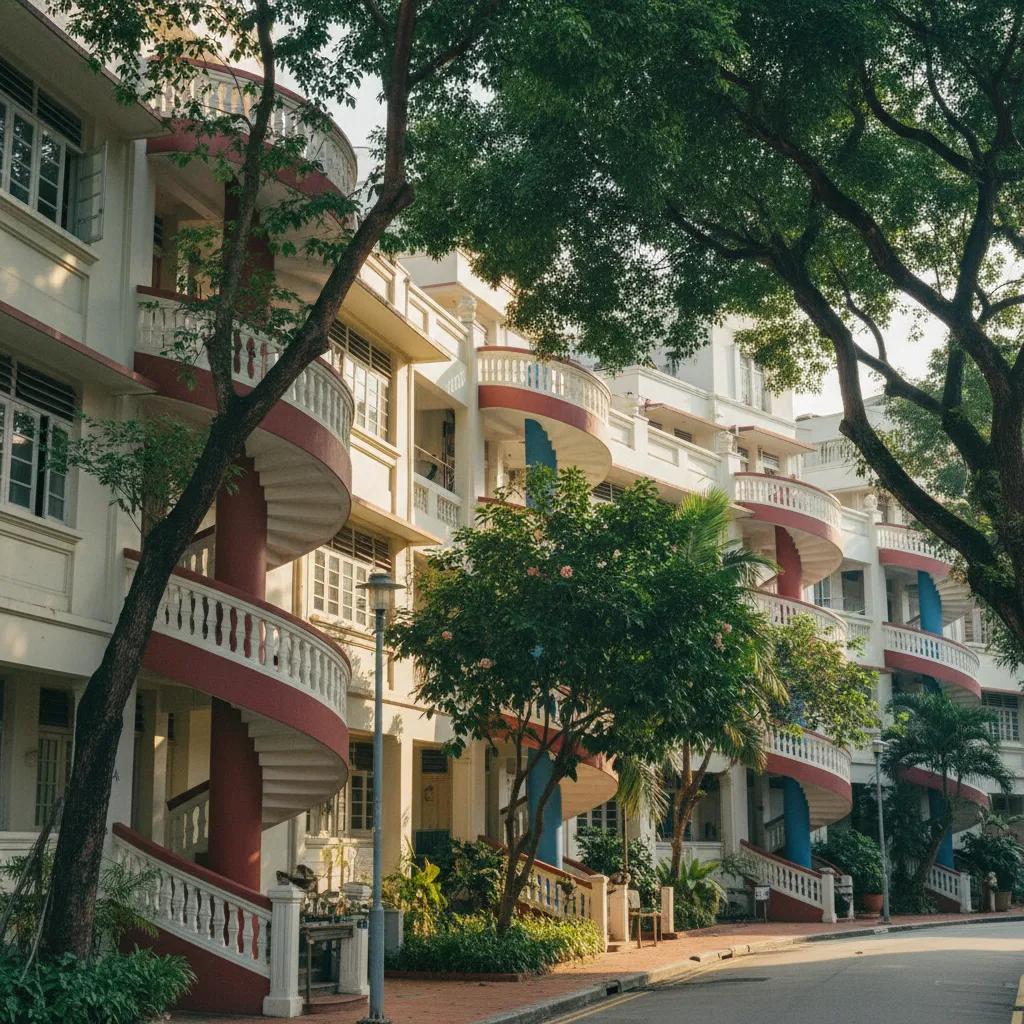
Walking into Tiong Bahru immediately introduces diners to Singapore's oldest public housing estate, celebrated for its Streamline Moderne curves and tranquil residential ambiance. Beneath conserved low-rise blocks along Seng Poh Road and Moh Guan Terrace, an appealing contrast unfolds between historic open-air market stalls and contemporary independent shophouse cafes. By utilizing a thoughtful budget dining planner within Karpo APP, savvy visitors effortlessly navigate the neighborhood fringe, uncovering satisfying meals that balance authentic heritage value with quiet neighborhood charm.
Morning Market Energy and Hawker Line Strategy
Early visitors reaching Tiong Bahru Market around breakfast witness the estate waking up amidst rich aromas of roasting coffee beans and freshly fried dough. The central second-floor food gallery acts as the beating heart of local culinary culture, drawing multi-generational families and neighborhood retirees. Arriving before 8:30 am guarantees relaxed table selection near natural airflow openings, well ahead of the bustling weekend rush.
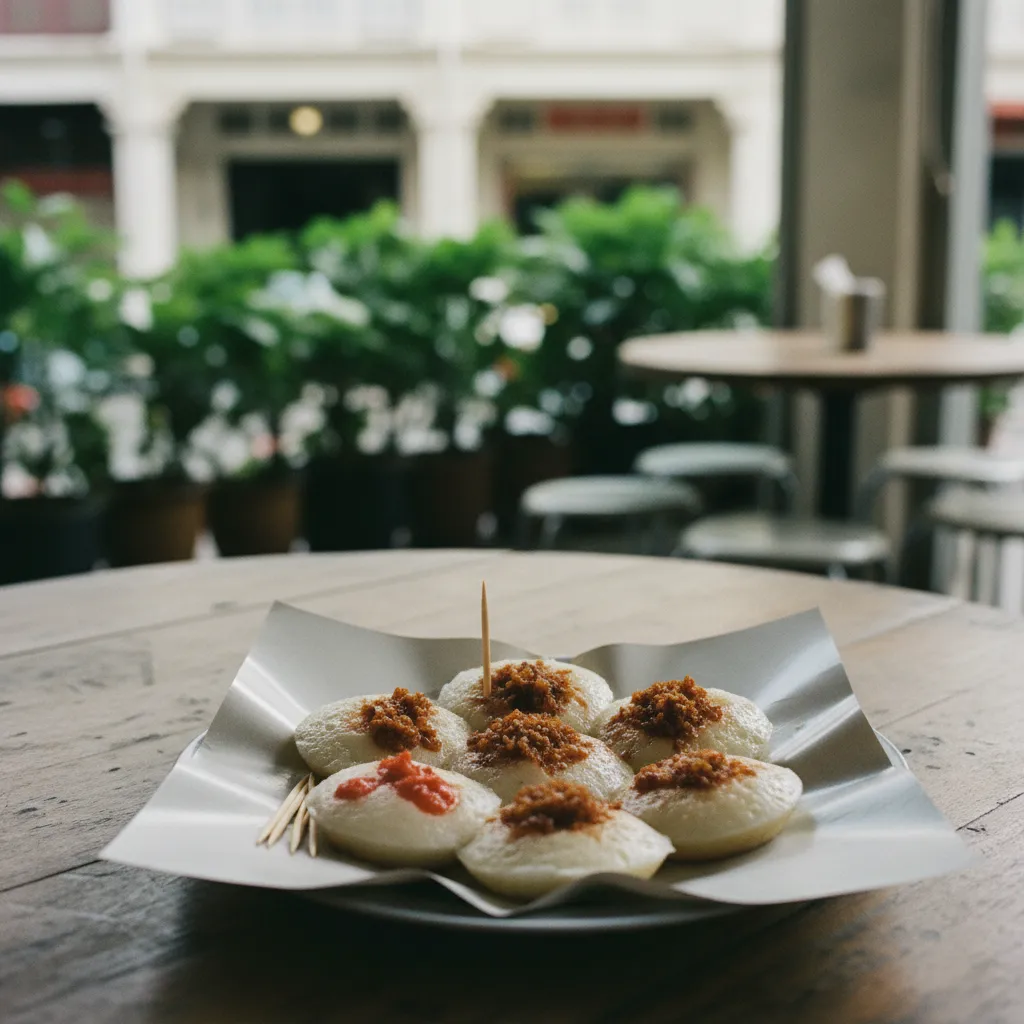
Ascending directly to the second floor reveals renowned stalls specializing in handmade steamed rice cakes, tender roast meats, and herbal pork rib soups. Queue formations snake between circular communal tables, yet seasoned stallholders handle customer requests with practiced speed and friendly banter. Observing which lines consist primarily of local residents carrying takeaway tiffin containers remains the most reliable indicator of consistent quality and fair pricing.
Selecting items across multiple specialty stalls allows diners to assemble comprehensive breakfast or lunch feasts without overspending. Sharing small tasting plates such as savory chwee kueh topped with preserved radish alongside crispy prawn fritters keeps overall expenses modest while maximizing gastronomic diversity. Coordinating orders with dining companions ensures hot items reach the table simultaneously for optimal freshness.
Strategic scheduling plays a pivotal role when timing midday meals at Tiong Bahru Market on busy weekdays. Arriving either prior to 11:45 am or postponing arrival until 1:15 pm avoids peak office crowd surges coming from nearby Tiong Bahru Road business hubs. During these quieter intervals, patrons secure tranquil window-side tables overlooking green canopy trees along Seng Poh Road.
Locals routinely employ tissue packets, small umbrella sleeves, or transit cards to reserve vacant table spaces before queuing at vendor counters. This polite social contract functions smoothly throughout the open-air market, preventing territorial confusion among hungry patrons. Diners finding an unattended packet resting on an empty table gracefully continue seeking alternative seating elsewhere without friction.
Navigating Estate Perimeter Dining and Cafe Value
Balancing spending across Tiong Bahru becomes easy when contrasting hawker staples against perimeter shophouse cafes. Traditional market mains such as wanton noodles, fishball soups, or braised duck platters typically cost between S$4.00 and S$6.50. Meanwhile, neighborhood perimeter bakeries along Yong Siak Street offer daily pastry sets, artisanal bread loaves, and filter coffees between S$5.00 and S$9.00 for a leisurely mid-morning interlude.
Surveying perimeter streets reveals heritage kopitiams and modest casual diners tucked into ground-floor corner units. These unpretentious establishments serve comforting curry rice, stir-fried noodles, and toasted baguettes alongside authentic traditional tea. Choosing a perimeter kopitiam allows patrons to enjoy the peaceful neighborhood streetscape while avoiding premium specialty cafe markups found along central retail rows.
Digital payment platforms operate smoothly alongside traditional cash transactions across both market stalls and perimeter cafes. Most vendor counters display standard SGQR placards accommodating local banking apps, PayNow transfers, and mobile contactless options. Nonetheless, keeping a handful of one-dollar coins and small notes remains handy for swift purchases of warm soybean milk or traditional steamed buns.
Responsible cleanup habits are strictly practiced and legally enforced across Singapore's communal food centers. Diners are required to clear their finished bowls, plates, and drink cups to designated sorting stations marked with halal and general categories. Taking thirty seconds to clear your table maintains communal cleanliness and respects the hardworking cleaning staff who manage high tray volumes daily.
Architectural Strolls Around Conserved SIT Blocks
Meandering through the shaded pedestrian walkways of Moh Guan Terrace showcases the unique architectural legacy of the Singapore Improvement Trust. Built during the late 1930s, these distinctive residential blocks feature aerodynamic rounded balconies, exterior spiral staircases, and porthole window frames inspired by maritime ocean liners. Walking beneath mature rain trees allows diners to digest comfortably while absorbing one of Southeast Asia's most celebrated urban housing experiments.
Appreciating distinctive rear alleyways reveals hidden residential courtyards filled with potted bougainvillea, traditional bird cages, and quiet sitting corners. These tranquil passageways provide pedestrian shortcuts between Yong Siak Street and Guan Chuan Street, away from vehicular traffic. Respecting resident privacy by keeping conversation volumes moderate preserves the peaceful neighborhood atmosphere that makes Tiong Bahru such a treasured heritage enclave.
Resting briefly at the communal open plaza near Seng Poh Tea Garden offers shaded park benches overlooking historic street lamps and low-rise residential vistas. Gentle tropical breezes rustle through flowering frangipani branches, creating an idyllic setting for sipping takeaway iced teh-c. Taking time to unwind here provides a contemplative pause before continuing your afternoon explorations.
Continuing along Tiong Poh Road leads past independent bookshops, vinyl record corners, and vintage lifestyle boutiques nestled inside conserved shophouses. Browsing local literature and historic photo collections offers cultural enrichment that complements your culinary journey. This thoughtful balance of architectural heritage and relaxed browsing makes an afternoon in Tiong Bahru deeply restorative.
Practical Notes for Visiting Tiong Bahru
Neighborhood transit connectivity is exceptionally convenient via multiple mass rapid transit access points. Tiong Bahru MRT station on the East-West Line lies a pleasant ten-minute stroll to the west, while Havelock MRT station on the Thomson-East Coast Line sits just minutes to the north. Plentiful public bus connections along Zion Road and Outram Road provide direct links to the downtown core.
Whenever primary market queues appear daunting on peak weekend mornings, shifting toward nearby Havelock Road hawker stalls provides an excellent alternative. The surrounding perimeter hosts quiet coffee shops serving equally delicious prawn noodles and claypot dishes with virtually zero wait times. Maintaining flexible dining plans ensures a stress-free meal while preserving your allocated budget and schedule.
Singaporean climate considerations warrant lightweight, breathable clothing and comfortable walking shoes when navigating outdoor residential estates. Humidity levels can rise significantly by midday, making shaded arcade walkways and canopy-lined residential lanes your preferred pedestrian routes. Carrying a reusable water bottle and compact umbrella ensures continuous hydration and weather readiness throughout your self-guided heritage excursion.
Ask Karpo for more information.
Keep reading
- Kovan Hainanese Curry Rice Lunch Picker: Heartland Plates
 Tampines Mee Rebus Breakfast Picker: Round Market Bowls
 Jurong West Mee Rebus Breakfast Picker: Boon Lay Bowls