 Kovan Hainanese Curry Rice Lunch Picker: Heartland Plates
Restaurants
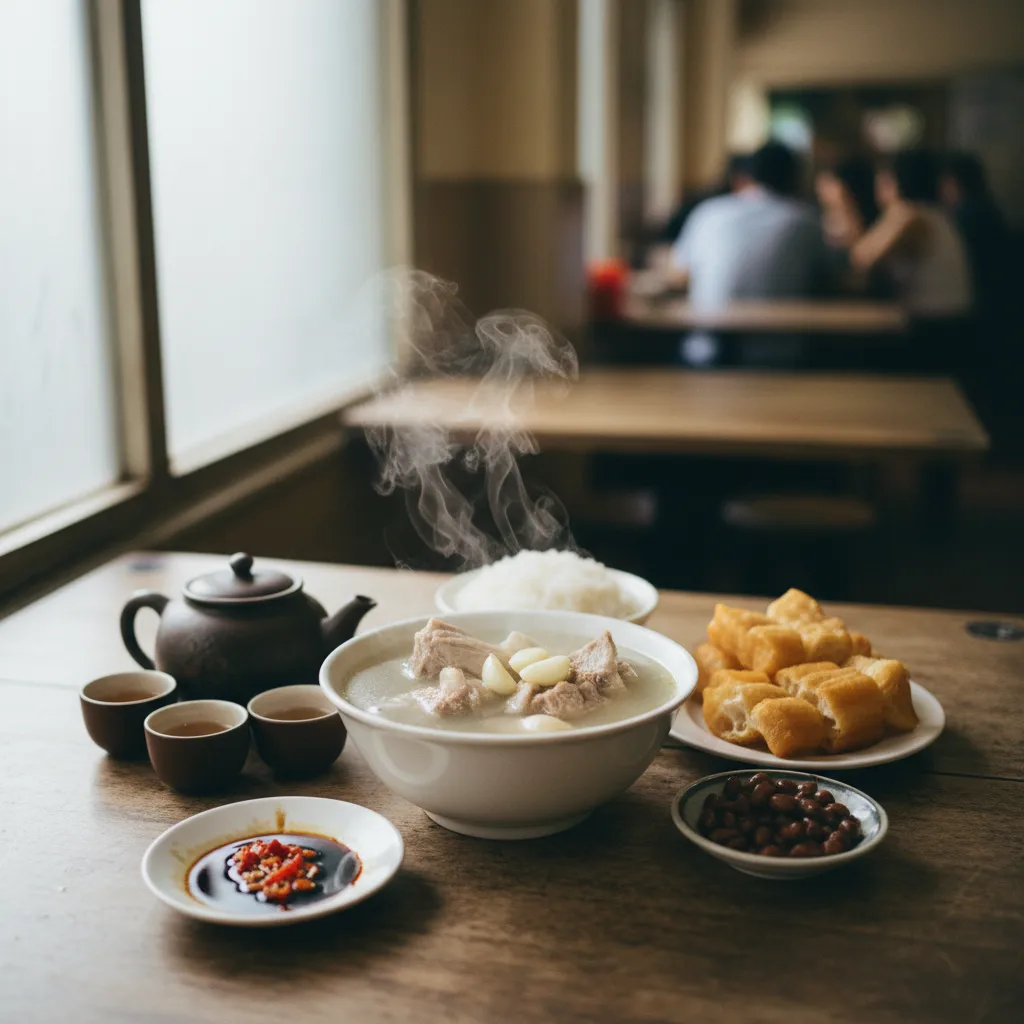
Jalan Besar Breakfast Spot Picker: A Bak Kut Teh Morning
Start a Jalan Besar morning with bak kut teh: pick a peppery or herbal style, learn the tea ritual and side dishes, then stroll the old hardware shop lanes.
Long before brunch became a weekend habit, Singapore's working people had their own power breakfast. In the early hours, dock workers, traders and drivers would sit down to bowls of bak kut teh, a peppery pork rib soup that warmed them up, filled them up and kept them going until lunch. Jalan Besar, with its old shophouses, hardware stores and coffee shops, is one of the best neighbourhoods to experience this tradition. A bak kut teh breakfast here is hearty, a little ritualistic and deeply local, and picking the right spot makes all the difference.
What Bak Kut Teh Actually Is
The name translates roughly as meat bone tea, which can confuse first-timers. There is no tea in the soup itself. Instead, the dish is a broth of pork ribs simmered for hours with garlic and spices, and it is traditionally eaten alongside strong Chinese tea that helps cut through the richness.
Many stories describe it as a meal brought by migrant workers who needed something cheap, warming and filling before long days of manual labour. Whatever its exact origins, it became part of everyday life in neighbourhoods like Jalan Besar, where small stalls and shops have served it to early risers for generations.
Peppery or Herbal: Pick Your Style
Singapore's best-known style is the Teochew version, a clear, light broth with a strong kick of white pepper and plenty of whole garlic. It is clean, bright and almost fiery on the throat, a wake-up call in a bowl.
The Hokkien style, more common across the causeway in Malaysia, uses dark soy sauce and Chinese herbs like angelica root and star anise, giving it a deeper, sweeter, more medicinal flavour. Some places in Singapore serve this style too. If you are new to the dish, start with the peppery version, then try the herbal one on another morning to compare.
How to Choose Your Breakfast Spot
Bak kut teh in Jalan Besar comes in two main settings. Traditional coffee shops and hawker stalls are the most authentic: open-fronted rooms with fans whirring overhead, plastic stools and regulars who have been coming for years. These are best for a quick, no-fuss breakfast.
There are also dedicated restaurants with air conditioning and more seating, often busier with families and visitors. They suit a slower meal or a group. When choosing, look for steaming pots in view and regulars ordering without menus. A refill policy on the broth is another good sign; many places top up your soup for free if you ask.

What to Order With Your Soup
Order a bowl of ribs with plain white rice. Many places also serve you tiao, golden fried dough sticks, which you dip into the broth until they soften and soak up the flavour. It is one of the best bites of the whole meal.
Side dishes add balance. Braised peanuts, salted vegetables, braised pig's trotters or tofu puffs are common. A small dish of dark soy sauce with chopped chilli is used for dipping the meat. If you are sharing, order a few sides for the table and let everyone mix and match.
The Tea Ritual
The tea that gives this breakfast its name is often served in a small clay pot with tiny cups, sometimes prepared at the table on a little stove or kettle. Strong oolong or pu-erh are common choices, chosen to cleanse the palate after rich, peppery bites.
If tea is prepared at your table, staff may show you how to rinse the leaves, steep them briefly and pour into the cups. Drink in small sips between mouthfuls of soup and rice. It is part of the slow, social rhythm of the meal and a fine way to linger before facing the day.
Etiquette at the Table
Bak kut teh is a casual meal, but a few habits help. Ask for a soup refill politely rather than waiting; staff are usually happy to top up. Eat the ribs with chopsticks or fingers, whichever is easier, and leave the bones in a separate small plate if one is provided.
Many breakfast spots are busy early in the morning, so do not linger too long once you have finished if others are waiting. Clear your table if it is a self-service place, and say thank you to the cook if you can catch their eye.
A Walk Through Old Jalan Besar
After breakfast, walk through the neighbourhood's grid of streets. Jalan Besar is famous for its old hardware and lighting shops, where coils of rope, pots, pans and tools spill out onto the covered walkways. Many shopkeepers are second or third generation and still open their doors early.
Look up at the shophouses as you walk. Some have elaborate facades with coloured tiles, carved details and shuttered windows, while others are simple and practical. Between them, new cafes, bakeries and design studios have moved in, giving the area an interesting mix of old trades and young creative businesses.
Combining Breakfast With Little India
Jalan Besar sits right next to Little India, and the two neighbourhoods blur into each other. If you have time after breakfast, walk over to see the colourful temples, flower garland stalls and spice shops. A cup of masala tea from a corner stall makes a lovely second round after your Chinese tea.
This combination shows how many communities share this part of Singapore. In a single morning, you can sample the breakfast of early Chinese workers and see the morning rituals of the Indian community just a few streets away.
Timing and Weather
Bak kut teh is best eaten early, when the broth is fresh and the ribs are tender. Many traditional places are busiest at breakfast time, and some popular pots can run low by late morning. Arrive early for the best choice.
Singapore is warm year round, and a hot peppery soup can feel intense in the heat. Choose an air-conditioned room or a coffee shop with good fans if you feel the warmth. On rainy monsoon mornings, though, the steaming bowl is pure comfort, and the covered walkways keep you dry on the walk afterward.
Bringing Friends and Family
Bak kut teh is a great breakfast to share with visiting friends who want to try something truly local. It is unpretentious, filling and full of stories. Children usually enjoy the dough fritters and rice, while adults can add more chilli and pepper as they like.
For older relatives, it can be a nostalgic meal. Many Singaporeans remember eating bak kut teh with their parents or grandparents in the early morning, and sharing it brings back memories of the neighbourhood as it once was.
Using Karpo APP to Find Your Bowl
If you are planning a bak kut teh breakfast, open the Karpo APP and describe what you want: a peppery Teochew bowl in a traditional coffee shop, a herbal version for a cool rainy morning or a comfortable room for a group. Karpo can help you shortlist breakfast spots in Jalan Besar that match your taste and your morning.
Ask Karpo for more information.
Keep reading
- Kovan Hainanese Curry Rice Lunch Picker: Heartland Plates
 Tampines Mee Rebus Breakfast Picker: Round Market Bowls
 Jurong West Mee Rebus Breakfast Picker: Boon Lay Bowls