 Kovan Hainanese Curry Rice Lunch Picker: Heartland Plates
Restaurants
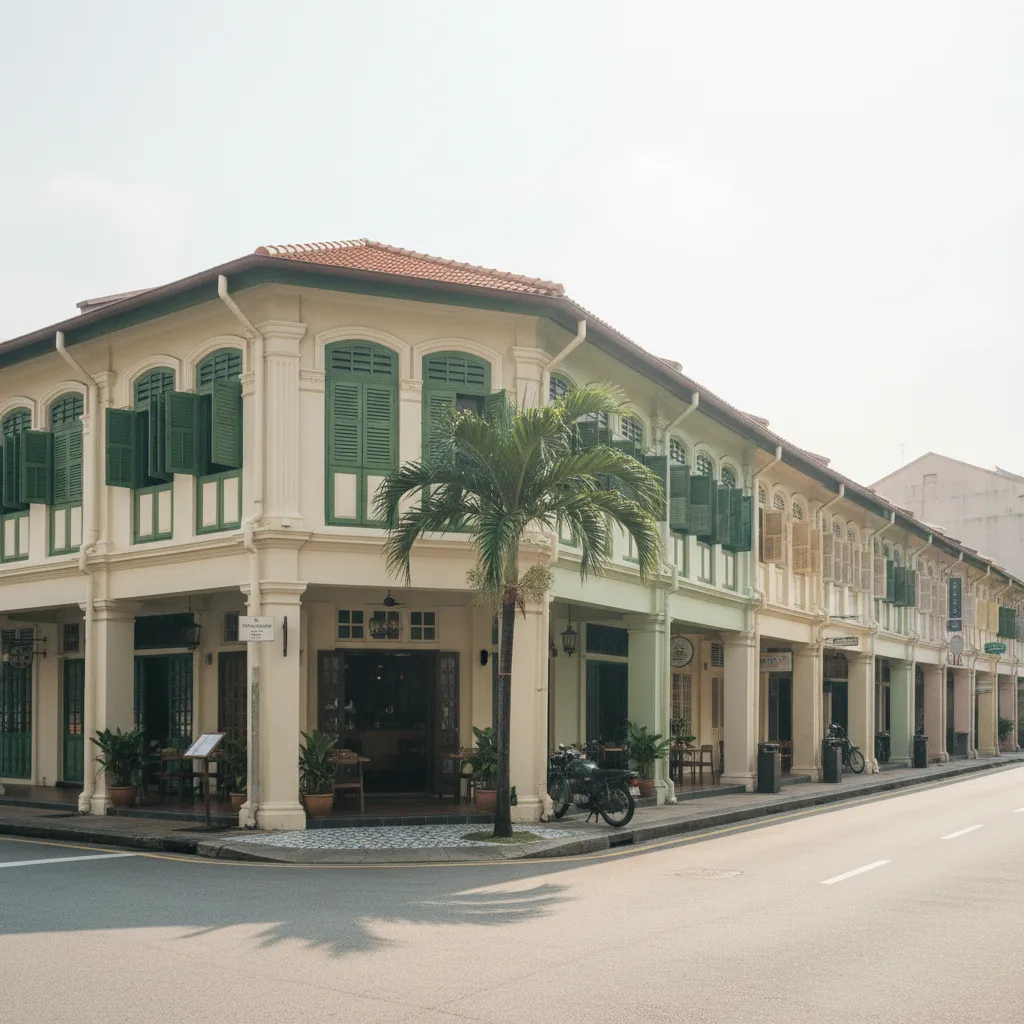
Biryani Near Me in Kampong Gelam: Islamic Restaurant's Beryani Since 1921
Islamic Restaurant at 735 North Bridge Road has cooked its family beryani recipe since 1921; mutton beryani is S$17 on its delivery menu.
Islamic Restaurant spells it beryani, and it has been cooking the same family recipe on North Bridge Road since 1921. The current restaurant is at 735 North Bridge Road, #01-01, in Kampong Gelam, and its own delivery menu prices chicken beryani at S$16 and mutton beryani at S$17. Anyone searching biryani near me between Bugis and Lavender is standing on the road where this dish first went public.

From the Alsagoff Kitchen to a Public Dining Room
The restaurant's history page tells a specific story. M. Abdul Rahiman was the master chef to the Alsagoff family, one of the most prominent Arab families in early Singapore, who built stately homes around Arab Street and North Bridge Road. He cooked beryani for the household and its guests, including British governors and visiting dignitaries, before founding the first Islamic Restaurant on North Bridge Road in 1921.
The family line has carried on through five generations, and the about page names the founder's grandson, Mr Kalil, as the person leading it today. The homepage claims over 20 million plates served since 1921, and the restaurant lists Singapore's first President, Yusof Ishak, and the current President, Tharman Shanmugaratnam, among its distinguished patrons. It is a family business that takes its heritage seriously.
The same page credits the founder with feeding his neighbours in hard times: during the Japanese Occupation, it says, he cooked large quantities of food every day for the poor and homeless around Kampong Gelam. It also describes how guests who had first eaten his beryani at the Alsagoff residence followed him to the new restaurant and brought their families, which is how a household dish once reserved for nobility became an everyday plate for the city.
What the Beryani Menu Looks Like
The signature section of the official Dial-A-Beryani delivery menu lists three plates: Chicken Beryani at S$16, Mutton Beryani at S$17 and Fish Beryani at S$18. The restaurant describes beryani as a dish of Turkish-Indian origin in which saffron rice is cooked with seasoned meat. Dine-in prices are not published online, so treat the delivery prices as the reference and expect the dining room bill to be close.
Mutton is the order with the most history behind it, since the original Alsagoff table was built around meat beryani rather than fish. Chicken is the lighter, cheaper choice and the better pick at lunch. If you are visiting with someone who does not eat red meat, the fish beryani at S$18 is the dish to try, and it shows how the kitchen handles a more delicate protein under the same spiced rice.
Dishes to Add Beside the Rice
The delivery menu also lists Chicken Mysore at S$14 and Mutton Mysore at S$20, dry-fried curries that work as a second meat on a shared table. Roti Mariam is S$7, a good bread for mopping up gravy, and Prawn Sambal costs S$18 for anyone who wants heat. The Tuna Murtabak at S$25 is a large dish for a group rather than a side for two people.
A plain judgement: with a beryani each, skip the Mutton Mysore. It doubles the mutton at a higher price than the beryani itself, and the plate is already rich. A Roti Mariam to share and a single Chicken Mysore are plenty for two, and keep the total under S$60 on the delivery prices, which is also the minimum order if you decide to have the meal delivered instead.
The Upper Room and How to Book It
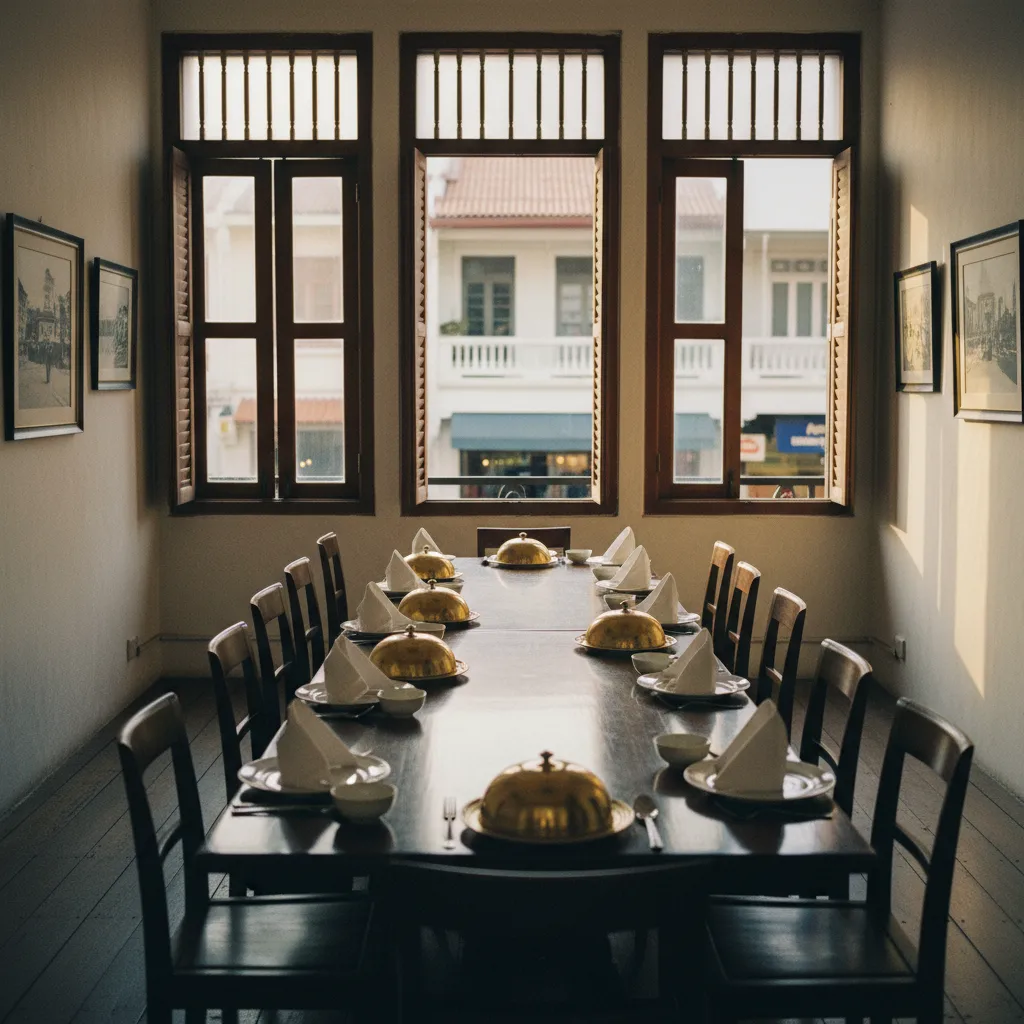
Upstairs, the restaurant runs a private dining room it calls the Upper-Room, which seats gatherings of up to 30 guests. That makes Islamic Restaurant a natural choice for family celebrations, office lunches and reunions where a long table and a shared beryani spread matter more than a view. The ground floor is the everyday dining room for walk-in diners.
The restaurant also runs catering and handles urgent large orders for funerals and other solemn occasions, which explains why you may see trays heading out of the door at odd hours.
Hours and When to Visit
Google's business listing for the dining room gives the hours as 10 am to 9:30 pm, Monday to Sunday. A late-morning beryani just after opening is the quietest visit; lunchtime is when the ground floor is at its busiest, so arrive before noon if you want a choice of tables.
If the dining room is full, walk south along North Bridge Road toward Zam Zam and Victory, the two century-old murtabak and biryani houses that face the mosque, rather than waiting. On a wet day, the simplest fallback is to order from Dial-A-Beryani and eat at home or in the office, since the delivery team covers the whole island.
A Walk Through the Old Arab Quarter
Kampong Gelam's story ties directly to the restaurant's, since the Alsagoffs settled here in the nineteenth century. Walk south to Bussorah Street, a pedestrian lane lined with palm trees that frames the gold dome of Masjid Sultan at its end. The Malay Heritage Centre, housed in the former Istana Kampong Gelam, stands close to the mosque within its own landscaped grounds.
For a different angle, cut across Jalan Sultan, where the Alsagoff Arab School still stands as one of the family's lasting legacies, then follow Beach Road toward the sea. Bugis MRT, on the East-West and Downtown lines, is the easiest station for the trip home.
Practical Notes
Address: 735 North Bridge Road, #01-01, Singapore 198703. Hours per Google's business listing: Monday to Sunday 10 am to 9:30 pm. Prices quoted come from the official Dial-A-Beryani delivery menu; the history is from the restaurant's own about page at islamic.sg.
Ask the Karpo APP for a teh tarik spot on Bussorah Street, a dessert stop near Haji Lane, or a second Kampong Gelam biryani to compare after your plate of beryani.
Ask Karpo for more information.
Keep reading
- Kovan Hainanese Curry Rice Lunch Picker: Heartland Plates
 Tampines Mee Rebus Breakfast Picker: Round Market Bowls
 Jurong West Mee Rebus Breakfast Picker: Boon Lay Bowls