 Kovan Hainanese Curry Rice Lunch Picker: Heartland Plates
Restaurants
Tanjong Pagar Artisan Ramen Tasting Route: Duxton Trail
Explore an artisan ramen tasting route through Tanjong Pagar and Duxton with broth pacing, shophouse heritage, and scenic evening walks on Karpo APP.
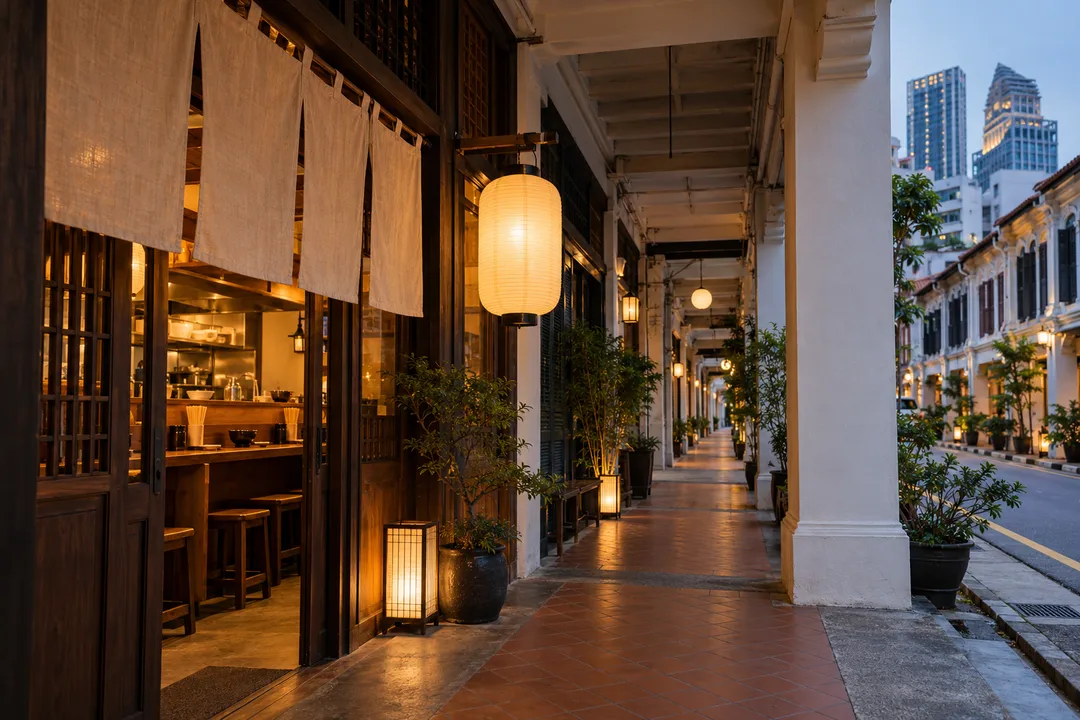
Restored architectural facades along Tras Street and Craig Road frame one of Singapore's most evocative culinary walking districts, where historic nineteenth-century shophouse blocks provide an intimate setting for mindful Japanese noodle craft. Developing a personalized artisan ramen tasting route through these conserved heritage corridors allows discerning diners to explore contrasting regional broth philosophies while appreciating the ornamental neoclassical masonry, louvered timber shutters, and sheltered five-foot-ways characteristic of the precinct. Dining rooms and noodle houses throughout this downtown quarter showcase a variety of culinary styles, ranging from crystalline sea-kelp dashi foundations to deeply savory broths crafted for satisfying dining comfort. The Karpo APP serves as your intuitive architectural exploration companion and route-planning framework—with full interactive discovery modules rolling out progressively across global design capitals following initial New York City unlocks—highlighting pedestrian corridors, conserved shophouse streetscapes, and tranquil open spaces across Tanjong Pagar and Duxton.
Architectural Heritage Across Tras Street And Duxton Hill
Gazetted on 7 July 1989 as Singapore's inaugural historic conservation precinct by the Urban Redevelopment Authority, Tanjong Pagar preserves an extraordinary architectural continuum that mirrors the island's commercial evolution. In the early nineteenth century, this rolling terrain was blanketed by nutmeg and fruit plantations, notably the estate of Dr. J. William Montgomerie, an East India Company assistant surgeon whose residence, Duxton House, lent its name to Duxton Hill and Duxton Road. By the late nineteenth and early twentieth centuries, rapid urban expansion transformed these former agricultural hills into densely populated residential and mercantile quarters. Today, the preserved two- and three-storey shophouses feature an eclectic mixture of Chinese, Malay, and European architectural elements, including ornate plaster moldings, pastel-toned ceramic tile borders, and shaded pedestrian colonnades that shield strollers from intense afternoon sun and sudden tropical downpours.
Meandering along the gentle slope of Duxton Hill brings diners into contact with a secluded enclave characterized by narrow cobblestone lanes, mature angsana shade trees, and tranquil outdoor plazas. This elevated pocket of the historic district presents a stark sensory contrast to the bustling vehicular traffic of nearby Tanjong Pagar Road, creating a peaceful atmosphere well suited for mindful dining transitions. Dispersed among restored shophouse units are diverse dining establishments and intimate counter spaces whose understated facades blend seamlessly into the heritage streetscape. Beginning a tasting itinerary during the golden hour of early evening permits walkers to observe the transition from daylight to ambient lantern glow while avoiding the denser dinner rushes from the adjacent financial core.
Sequencing Broth Intensities Across A Multi-Stop Itinerary
Beginning an evening noodle tasting with a delicate, sea-kelp-infused shio or light chicken broth establishes a refined sensory baseline without overwhelming the palate. Lighter broth preparations rely on crystalline poultry stocks steeped alongside premium kombu seaweed, dried bonito flakes, and aromatic vegetables to yield clean, transparent layers of umami. These golden soups provide an uncluttered framework where subtle nuances—such as citrusy yuzu zest, charred scallion oil, and tender bamboo shoots—can be fully savored before heavier seasonings are introduced. Dining in this sequence preserves your tasting sensitivity and prepares your appetite for the more robust and complex flavor profiles that characterize the second half of a well-balanced culinary walking route.
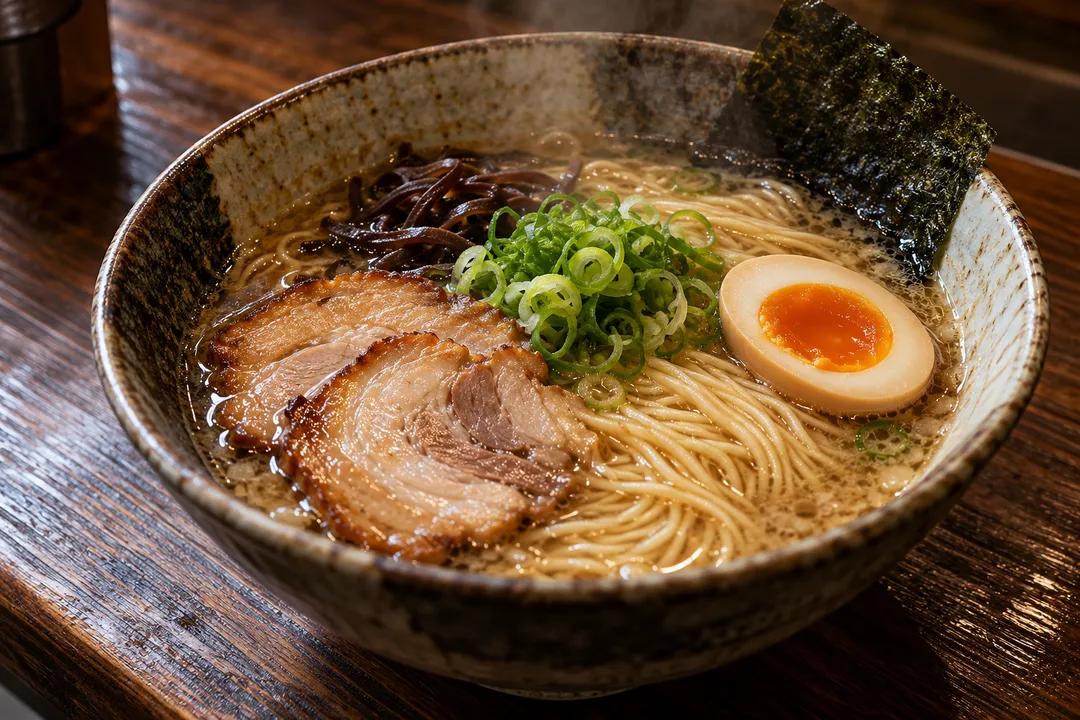
Progressing toward a deeper, collagen-rich broth or an aromatic fermented miso preparation during your subsequent stop delivers a hearty, comforting crescendo to the tasting journey. Full-bodied tonkotsu soups achieve their velvety, opaque consistency through extended simmering of marrow-rich bones, producing an emulsified broth that coats the palate in comforting richness. When paired with firm, thin wheat noodles, braised pork collar slices, and wood-ear mushroom strips, these bolder creations satisfy the craving for substantive umami and warmth. Practicing mindful pacing by appreciating the complex interplay of ingredients and finishing the noodles while leaving a portion of the dense broth unconsumed prevents early fatigue and maintains energy for the evening stroll ahead.
Mindful Pacing At Historic Shophouse Noodle Counters
Intimate interior spaces within conserved shophouses demand a quiet, attentive presence that respects fellow diners and culinary artisans at work. Many intimate shophouse dining rooms feature classic counter seating facing the open kitchen, offering patrons an unhurried view of culinary preparation while making efficient use of heritage interiors. Keeping conversations subdued and stowing shoulder bags on under-counter ledges or designated wall pegs preserves clear passageways in these compact architectural settings. Approaching the counter with unhurried mindfulness honors the focused culinary dedication that defines artisanal Japanese dining traditions across heritage neighborhoods.
Savoring freshly cooked noodles immediately upon presentation ensures the firm wheat strands maintain their delicate elasticity against the hot soup. Taking a few moments to inhale the fragrant vapor rising from the ceramic donburi and sipping the broth before adding table condiments allows the kitchen's original recipe balance to shine through. Slurping the noodles gently aerates the broth and cools each bite, releasing volatile aroma compounds across the palate in keeping with time-honored dining practice. When you have finished your meal, lifting your empty bowl onto the raised counter ledge and wiping your dining space signals gracious appreciation to the kitchen brigade before stepping back out into the night air.
Evening Stroll Along Duxton Plain Park And Railway Heritage
Taking a tranquil post-meal walk through Duxton Plain Park offers a refreshing transition between dining stops, surrounded by lush green canopies and gentle breezes. Preserved as a linear greenway by the National Parks Board, this curved path traces a historic railway reserve corridor that originated with the 1903 Singapore–Kranji Railway branch line toward Pulau Saigon and the Singapore River basin, prefiguring the later consolidation of regional rail terminus operations at nearby Keppel Road. Today, this peaceful public sanctuary provides a continuous pedestrian corridor accessible via New Bridge Road, Neil Road, Kreta Ayer Road, and Yan Kit Road, sheltered from street noise by towering rain trees and mature tropical palms. Wandering this leafy historic pathway allows the digestive system to settle naturally between culinary stops while highlighting Singapore's thoughtful integration of transport heritage into contemporary park networks.
Shaded walking paths and mature tropical foliage throughout the linear park create a cool, tranquil oasis away from traffic, offering ample wooden benches for unhurried reflection. Pausing along this peaceful green route grants walkers a momentary respite to discuss flavor impressions, take in the night air, and recalibrate sensory expectations before heading to the next stop. The gentle acoustic environment of the park, punctuated by nocturnal crickets and rustling leaves, contrasts delightfully with the aromatic intensity of shophouse dining rooms, underscoring the benefits of combining culinary exploration with intentional urban walking.
Panoramas From The Pinnacle@Duxton Skybridge To The Jinrikisha Landmark
Ascending to the public observation deck on the fiftieth storey of The Pinnacle@Duxton rewards walkers with sweeping harbor breezes and panoramic vistas of Singapore's skyline. Completed in 2009 as an internationally recognized high-density public housing project, the complex features continuous skybridges on the twenty-sixth and fiftieth levels that connect seven residential towers. The open-air skybridge on the uppermost floor offers an extraordinary bird's-eye perspective on the conserved low-rise shophouse roofs of Tanjong Pagar and Chinatown below, framed against the container terminal lights and the illuminated financial district. Taking in the cooling breezes at this dramatic vantage point provides a memorable conclusion to the tasting circuit, balancing historic streetscapes with cutting-edge municipal architecture.
Rounding the corner toward Neil Road brings you before the historic 1903 Jinrikisha Station, a poignant architectural reminder of Singapore's rickshaw era positioned at the strategic junction of Tanjong Pagar Road. Commissioned by the municipal government in the Edwardian Baroque style with exposed red-brick quoins and an octagonal cupola, this landmark building once accommodated hundreds of rickshaws and served as a central checkpoint for immigrant laborers. Viewing this conserved civic structure illuminated under evening streetlamps grounds your culinary journey in authentic urban history, connecting contemporary dining culture with the immigrant enterprise that shaped the district over a century ago.
Practical Notes
Seamless rail access defines the Tanjong Pagar dining district, with Tanjong Pagar MRT station on the East-West Line and Maxwell MRT station on the Thomson-East Coast Line both situated within a short five-minute walk of the primary shophouse corridors. Sheltered five-foot-ways and well-marked pedestrian crossings make navigating between Tras Street, Duxton Road, and Craig Road comfortable and safe in all weather conditions, even during sudden tropical rain showers. Carrying an umbrella, wearing comfortable walking footwear, and donning breathable natural fabrics will ensure pleasant mobility throughout your urban tasting loop.
Evening tasting walks are best planned outside peak lunch and dinner surges, allowing for unhurried strolls across the sheltered shophouse colonnades. Arriving slightly earlier in the evening or taking a later post-dinner walk through the historic enclave provides a tranquil street ambiance and relaxed pacing between destinations. Turn to the Karpo APP for curated neighborhood waypoints, architectural highlights, and pedestrian routing insights as international city coverage expands, and craft your own mindful artisan ramen tasting route across Tanjong Pagar and Duxton.
Ask Karpo for more information.
Keep reading
- Kovan Hainanese Curry Rice Lunch Picker: Heartland Plates
 Tampines Mee Rebus Breakfast Picker: Round Market Bowls
 Jurong West Mee Rebus Breakfast Picker: Boon Lay Bowls