 Kovan Hainanese Curry Rice Lunch Picker: Heartland Plates
Restaurants
Clarke Quay Artisan Ramen Tasting Route: Waterfront Walks
Plan an artisan ramen tasting route around Clarke Quay waterfront with evening river views, broth styles, and post-dinner walks using Karpo APP.
Conserved nineteenth-century commercial warehouses and waterside godowns along Clarke Quay flank the central curve of the Singapore River, providing a visually dramatic backdrop for an evening culinary exploration. Designing an artisan ramen tasting route through this historic waterfront allows diners to experience distinct Japanese regional broth philosophies while enjoying pedestrianized promenades and gentle river breezes. Culinary artisans along this historic waterfront draw on varied regional traditions, featuring broths that range from rich chicken collagen reductions to delicate sea-kelp dashi stocks paired with handcrafted wheat noodles. The Karpo APP serves as your essential guide for this artisan ramen tasting route, highlighting historic river crossings, waterside walkways, and scenic dining spots across Clarke Quay.
Conserved 19th-Century Godowns And Riverside Promenade Dynamics
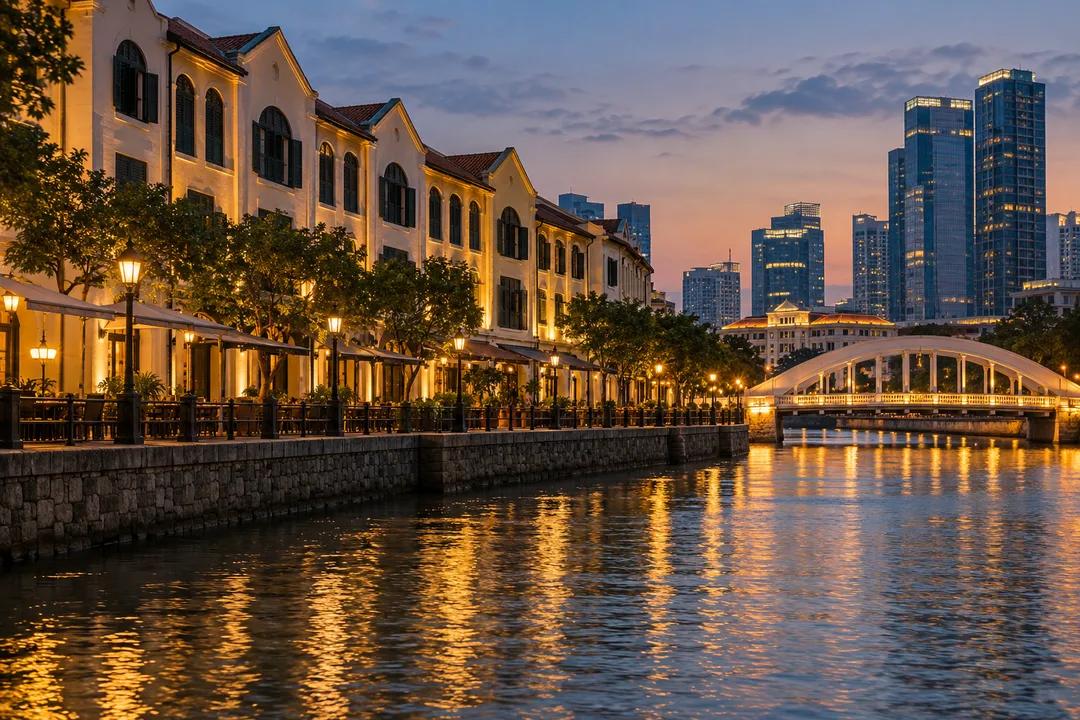
Flanking the riverbank along North Boat Quay and River Valley Road, the pastel-hued godowns of Clarke Quay showcase a vibrant transformation of Singapore's commercial heritage. During the nineteenth and early twentieth centuries, these riverfront warehouses served as bustling distribution depots where lighters and bumboats unloaded goods transported along the Straits of Malacca. Restored during the late twentieth century under careful preservation guidelines, the warehouses now feature eye-catching decorative pediments, arched wooden shutters, and broad verandas that house contemporary dining rooms. Structural timber roof trusses and exposed masonry walls were meticulously retained, providing authentic physical markers of the quay's working maritime origin. Stepping into a noodle bar housed within these historic godowns lets you appreciate the soaring timber roof beams and exposed brickwork that tell the story of Singapore's maritime trading roots.
Waterfront promenades connecting Clarke Quay with nearby Boat Quay and Fort Canning Park offer expansive, car-free walking corridors that make touring multiple eateries seamless and safe. Watching traditional electric bumboats glide across reflective river waters while cool evening air circulates along the quayside adds a scenic dimension to every dining outing. The gentle rhythmic sound of river currents lapping against stone retaining walls enhances the relaxed ambiance of this conserved precinct.
Timing The Circuit Before Nightlife Vibrancy Escalates
Arriving during the golden hour of twilight, as the sun begins to dip over the Singapore River, provides an optimal window for a calm, attentive noodle tasting experience along Clarke Quay. Exploring the promenade before late-night entertainment crowds gather ensures an unhurried atmosphere to appreciate your meal, allowing diners to enjoy scenic waterfront vistas while kitchen brigades prepare each bowl with focused care. Savoring steaming noodle bowls in the gentle dusk light allows the delicate aromas of simmered kombu and roasted aromatics to shine without the sensory overload of peak nightlife hours.
Twilight transitions across the Singapore River create a magical visual backdrop as daylight softens into warm golden hour reflections. As dusk falls, colorful architectural lighting illuminates the historic godown facades and arched bridge trusses, casting vivid reflections across the water's surface. Savoring a hot bowl of noodles while taking in this vibrant urban panorama offers a sensory harmony that makes early evening dining along the river particularly memorable.
Broth Selection Strategy For A Breezy Waterfront Evening
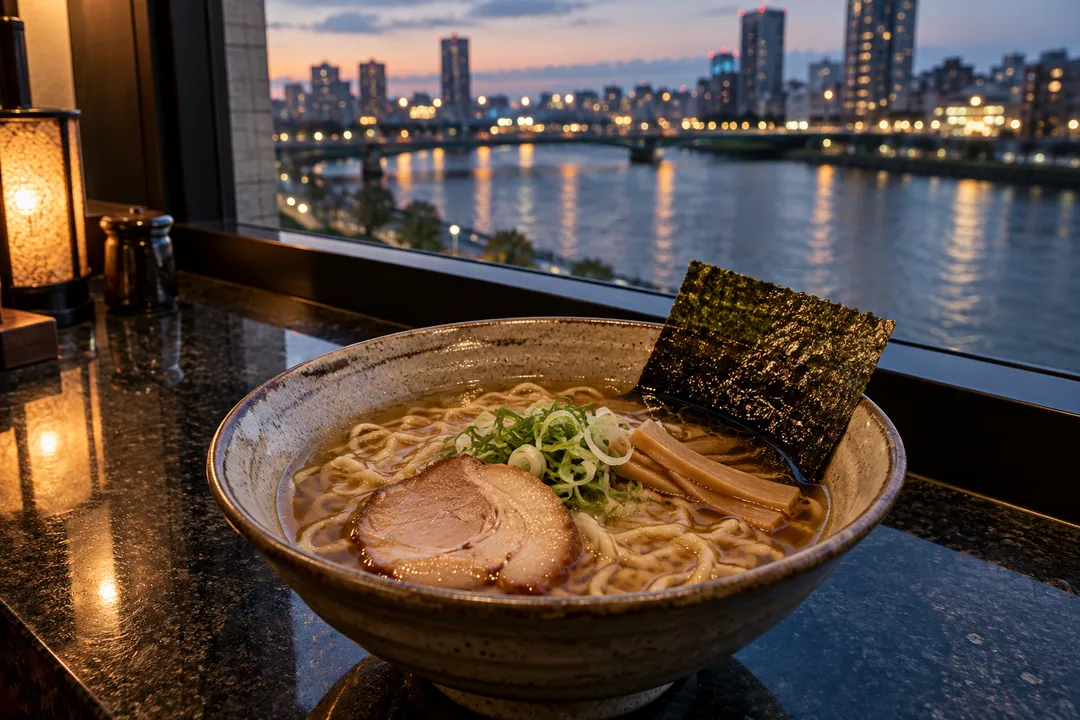
Careful broth selection allows you to experience distinct Japanese regional soup traditions across consecutive dining destinations. Beginning your tasting journey with a clean, clear chicken shio chintan or seafood dashi broth delivers refined mineral clarity that awakens the palate without feeling heavy. Tender bamboo shoots, nori seaweed, and finely sliced green onions provide crisp textural complements that highlight the chef's balanced reduction techniques.
Advancing to a thicker, velvety tori paitan or a savory pork-and-seafood gyokai broth for your next bowl introduces comforting, full-bodied indulgence. Dense emulsions simmered to extract gelatinous richness pair wonderfully with firm, wavy wheat noodles that grip generous amounts of savory soup with every slurp. Balancing your intake by focusing on the interplay between noodle chewiness and aromatic broth prevents early fullness, leaving you energized for continued evening exploration.
Waterfront Counter Consideration And Group Dining Pacing
Compact dining spaces in historic quayside buildings require considerate customer etiquette to maintain a pleasant environment for all guests. Keeping conversations at a moderate volume and placing shopping bags or backpacks under benches helps maintain open walkways within cozy dining rooms. Ordering efficiently and enjoying your steaming noodles without unnecessary delay honors the kitchen's craft and ensures the dish is enjoyed at its freshest state.
Respectful counter etiquette extends to wrapping up your meal cordially once finished, allowing waiting diners outside along the river promenade to be seated promptly. Clearing your placemat by placing used utensils and bowls on the upper counter rail is a customary courtesy that kitchen teams deeply appreciate. Stepping back outside into the breezy waterfront air keeps table turnover natural and unforced throughout the dinner hours.
Breezy Stroll Across Historic Read Bridge Toward Boat Quay
Crossing the pedestrianized span of Read Bridge, originally opened in 1889 to replace the historic Merchant Bridge, offers a beloved vantage point over the Singapore River. Named after prominent colonial merchant and civic leader William Henry Read, the sturdy beam bridge has long served as a popular social gathering spot where locals and travelers pause to enjoy river breezes and panoramic views of illuminated riverbanks. In historical records, the bridge was fondly known among local Chinese communities as the Malacca Bridge or the Green Bridge, serving as an open-air venue where traditional storytellers captivated evening audiences under kerosene lamps. Standing at mid-span today, you can watch passenger bumboats ripple the water below while the historic warehouse facades of Clarke Quay glow in rich pastel hues.
Strolling downstream along the southern bank leads smoothly toward the gentle bend of Boat Quay and the historic Empress Place precinct. The illuminated colonial facades of the Asian Civilisations Museum and Victoria Theatre provide impressive cultural anchors for an extended evening digestion stroll. Walking alongside the dark, glistening waters while taking in cool nocturnal breezes offers a serene conclusion to an exciting artisan noodle tasting expedition.
Practical Notes
Excellent transport infrastructure serves Clarke Quay, with Clarke Quay MRT Station on the North East Line situated directly adjacent to the river, and Fort Canning MRT Station on the Downtown Line accessible via a brief pedestrian bridge crossing. Wide paved esplanades and clearly marked pedestrian underpasses make walking along both riverbanks remarkably safe and convenient. Carrying lightweight rain gear is sensible for passing tropical showers, although extensive riverside awnings provide ample shelter.
Precinct dining rhythms along Clarke Quay come alive in the evening as daytime temperatures cool and riverfront breezes drift across the promenade. Exploring the waterfront during the transitional twilight hour ensures a relaxed pace before post-work nightlife builds along the quays. Noting specific service times displayed at individual entryways or on digital menus ensures a smooth progression throughout your walk. Use the Karpo APP to chart scenic river walks, explore historical quayside bridges, and personalize your artisan ramen tasting route across Clarke Quay.
Ask Karpo for more information.
Keep reading
- Kovan Hainanese Curry Rice Lunch Picker: Heartland Plates
 Tampines Mee Rebus Breakfast Picker: Round Market Bowls
 Jurong West Mee Rebus Breakfast Picker: Boon Lay Bowls