 Kovan Hainanese Curry Rice Lunch Picker: Heartland Plates
Restaurants
Bugis Strip Artisan Ramen Tasting Route: Bras Basah
Follow an artisan ramen tasting route through Bugis and Bras Basah with heritage streetscapes, broth styles, and cultural night walks on Karpo APP.
Bustling pedestrian avenues and storied heritage corridors across Bugis and Bras Basah have long formed Singapore's designated arts, heritage, and civic district, where nineteenth-century religious institutions and colonial educational campuses stand alongside vibrant contemporary retail centers. Designing an artisan ramen tasting route through this dynamic cultural precinct lets diners explore diverse regional Japanese soup craft while navigating pedestrian-only plazas and conserved shophouse arcades. From delicate Tokyo-style shoyu broths to rich sesame-spiced tantanmen and concentrated tsukemen dipping noodles, the neighborhood offers an energetic variety of bowl styles within comfortable walking distance. The Karpo APP serves as an indispensable tool for your artisan ramen tasting route, guiding you along pedestrian thoroughfares, cultural heritage monuments, and well-timed dining stops across Bugis and Bras Basah.
Urban Energy And Heritage Corridors Across Bugis And Bras Basah
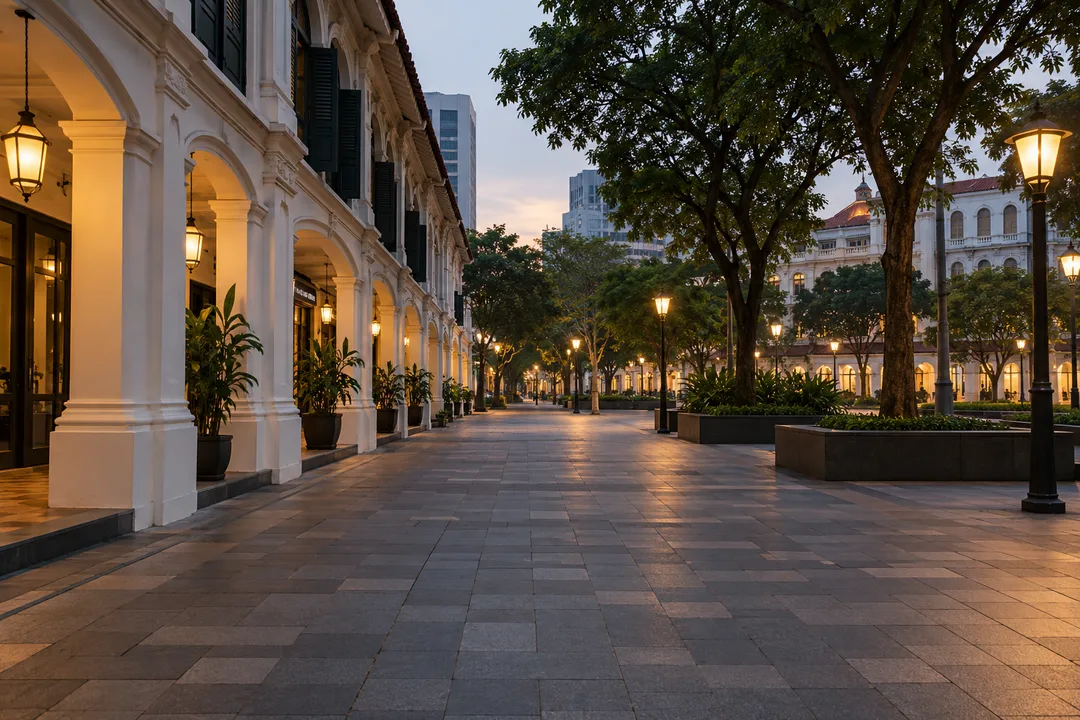
Dating back to the early colonial town plan of the 1820s, Bras Basah was envisioned as an institutional center, home to prominent schools like Saint Joseph's Institution and the Convent of the Holy Infant Jesus. Across the decades, this civic spine seamlessly absorbed cultural venues, bookshops, and diverse communities, evolving into the creative heart of modern Singapore. Today, conserved masonry facades along Victoria Street and Bras Basah Road house atmospheric dining spots where students, museum-goers, and office workers gather for comforting bowls of freshly prepared noodles.
Wandering through adjacent side streets such as Queen Street, Purvis Street, and Seah Street reveals charming low-rise shophouse rows preserved amidst contemporary high-rise complexes. These historic five-foot-ways provide shaded, breezy walkways lined with independent eateries, design galleries, and specialized culinary counters. The pleasant walkability of the neighborhood makes transitioning between different noodle stops effortless, allowing diners to soak in the layered architectural heritage of central Singapore while seeking their next bowl.
Structuring An Arts-District Noodle Circuit
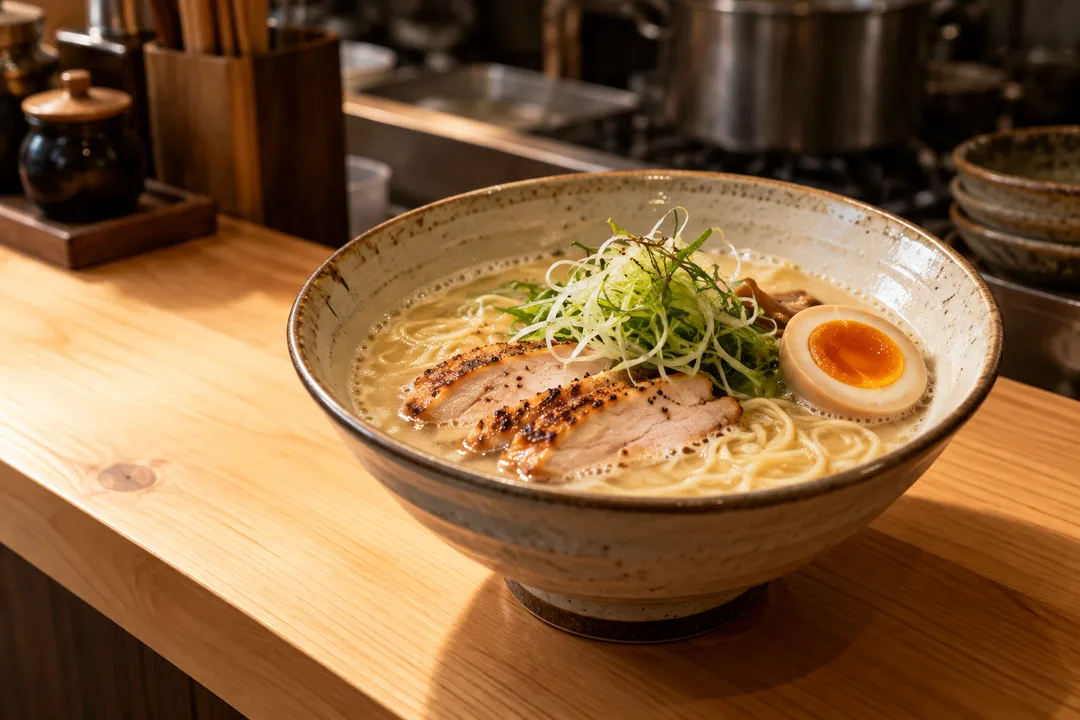
Crafting your noodle tasting schedule around the district's creative rhythm ensures a deeply rewarding culinary outing. Beginning with a nuanced clear broth, such as a sea-salt shio ramen with springy thin noodles, provides an unhurried, palate-cleansing start before the evening intensifies. A delicate broth lets you appreciate the balance of hand-harvested kelp, dried shiitake, and gently rendered chicken stock without dulling sensory receptors ahead of subsequent meals.
Following that initial bowl with a more intense preparation, such as a rich tonkotsu miso or a concentrated dipping-style tsukemen, introduces satisfying textural contrast. Tsukemen noodles, served chilled and extra-thick alongside a piping-hot, concentrated broth reduction, allow the chewy wheat flavor to stand out distinctly. Dipping each mouthful into the savory soup offers an interactive dining dynamic that feels especially satisfying after exploring neighborhood art spaces and book collections.
Navigating Pedestrian Plazas And Bustling Street Arcade Counters
Pedestrian thoroughfares connecting Bugis Junction and Bugis Plus incorporate glass-covered shopping promenades designed to shelter historic shophouse facades beneath transparent skylights. These climate-controlled walkways combine the architectural charm of conserved heritage streets with sheltered pedestrian comfort, allowing visitors to browse noodle menus and observe bustling dining rooms protected from tropical rains. Stepping through fabric doorway banners reveals lively open kitchens where broth vats steam gently and chefs assemble vibrant bowls with practiced speed. Exploring these sheltered plazas before progressing to quieter outdoor street counters provides an engaging cross-section of Singapore's multi-layered urban dining fabric.
Contrasting street-level counters along Waterloo Street and Middle Road offer a more intimate, personal counter dining experience away from mall traffic. These neighborhood shops often feature compact open kitchens where guests sit within arm's reach of boiling noodle baskets and chashu roasting ovens. The warm hospitality and focused culinary craftsmanship of these streetfront establishments provide an authentic taste of Japanese noodle culture right in the middle of Singapore's arts district.
Atmospheric Respect At Busy Arts-Quarter Noodle Counters
High foot-traffic environments demand considerate dining habits that help keep counter services running smoothly for everyone. Taking your seat promptly once called and keeping personal belongings tucked neatly under your stool preserves clear aisle space in tight dining quarters. Dining with focused attention while noodles are piping hot ensures you taste the dish at its pinnacle of flavor and texture, rather than letting broth cool while distracted by mobile phones.
Polite interactions with floor staff and noodle chefs foster a welcoming atmosphere inside busy urban dining rooms. A courteous word of thanks when receiving your bowl or departing the counter acknowledges the demanding labor behind long-simmered stocks and freshly pulled noodles. Returning your tray or placing used tableware on the elevated counter rail helps staff prepare seats quickly for the next eager patron waiting outside.
Post-Bowl Cultural Walks Past Kwan Im Thong Hood Cho And Albert Mall
Departing the noodle counter into the open air of Waterloo Street invites a memorable post-dinner cultural stroll along the pedestrianized Albert Mall corridor. This vibrant paved plaza is renowned for its remarkable interfaith harmony, with the historic Kwan Im Thong Hood Cho Temple, established in 1884, standing just steps away from the colorful gopuram of the Sri Krishnan Temple. In the evening, burning incense coils, floral garland vendors, and warm ambient streetlamps bathe the courtyard in a peaceful golden glow.
Venturing toward the modern architecture of the National Library building along Victoria Street offers another tranquil walking option with panoramic evening vistas. The library's open public courtyards and landscaped sky terraces provide breezy vantage points to take in the surrounding cityscape while letting your meal digest comfortably. This seamless pairing of rich noodle gastronomy with meaningful architectural and cultural landmarks highlights the unique charm of the Bugis and Bras Basah district.
Practical Notes
Transit convenience across Bugis and Bras Basah is among the best in Singapore, anchored by the Bugis interchange station serving both the East-West and Downtown Lines, as well as the Bras Basah station on the Circle Line and Bencoolen station on the Downtown Line. Extensive underground shopping links and covered walkway networks protect pedestrians from unpredictable weather throughout the day. Wearing comfortable shoes ensures effortless transitions across pedestrian plazas and heritage shophouse sidewalks.
Visiting the Bras Basah and Bugis arts corridor during the early evening allows diners to explore galleries and historic courtyards before settling in for a restorative bowl of noodles. Strolling between destinations as dusk settles over Waterloo Street and Victoria Street provides a seamless transition from cultural discovery to culinary indulgence. Use the Karpo APP to explore verified pedestrian routes, check cultural landmarks, and personalize your artisan ramen tasting route across Bugis and Bras Basah.
Ask Karpo for more information.
Keep reading
- Kovan Hainanese Curry Rice Lunch Picker: Heartland Plates
 Tampines Mee Rebus Breakfast Picker: Round Market Bowls
 Jurong West Mee Rebus Breakfast Picker: Boon Lay Bowls