 Chinatown New in Town Weekend Planner: Errands and Temples
Weekend Plans
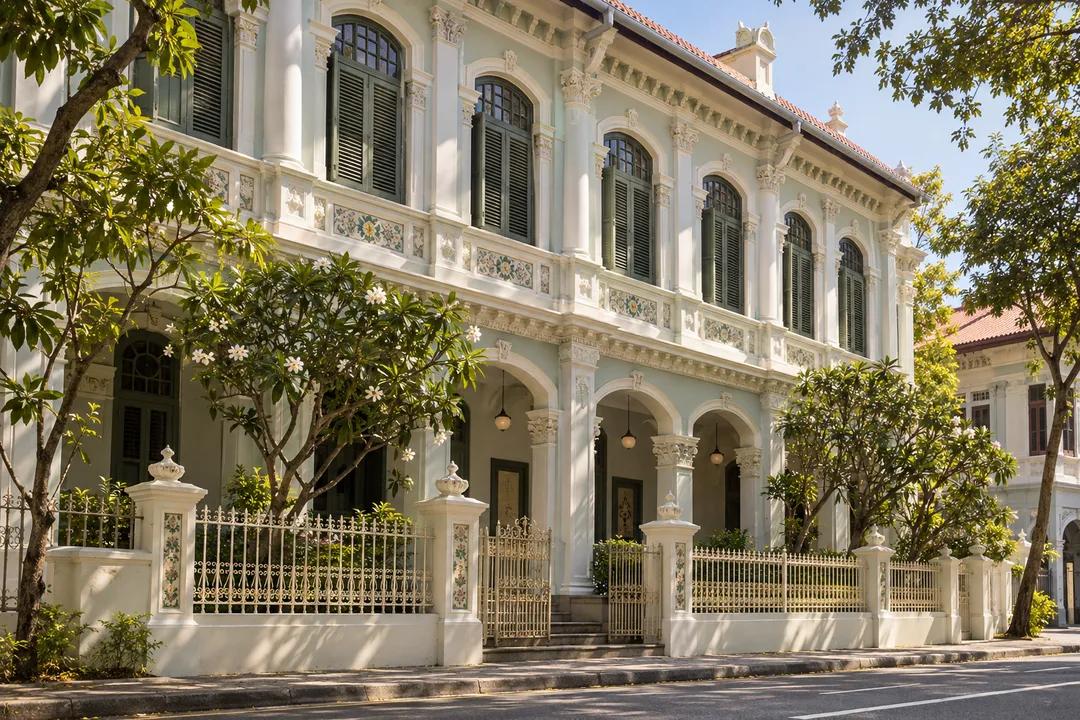
Singapore Art Museum Tour of Armenian Street's Peranakan Museum
Explore Singapore's Peranakan Museum on Armenian Street, featuring nine galleries of Straits Chinese decorative art, nyonyaware porcelain, beadwork, and cultural heritage.
For cultural travelers seeking an intimate and visually stunning art museum near me in Singapore, the Peranakan Museum on historic Armenian Street offers an unparalleled immersion into Southeast Asia's distinctive hybrid heritage. Situated at 39 Armenian St, Singapore 179941, this masterfully restored national institution showcases the vibrant material culture, artisanal traditions, and domestic artistry of the Peranakan communities. Across three elegantly appointed levels housing nine themed galleries, visitors encounter an extraordinary world of Straits Chinese beadwork, jewel-toned porcelain, gilded ceremonial furniture, and ceremonial textiles that capture the creative zenith of maritime trading culture.
Historic Tao Nan Architecture and the 2023 Museum Restoration
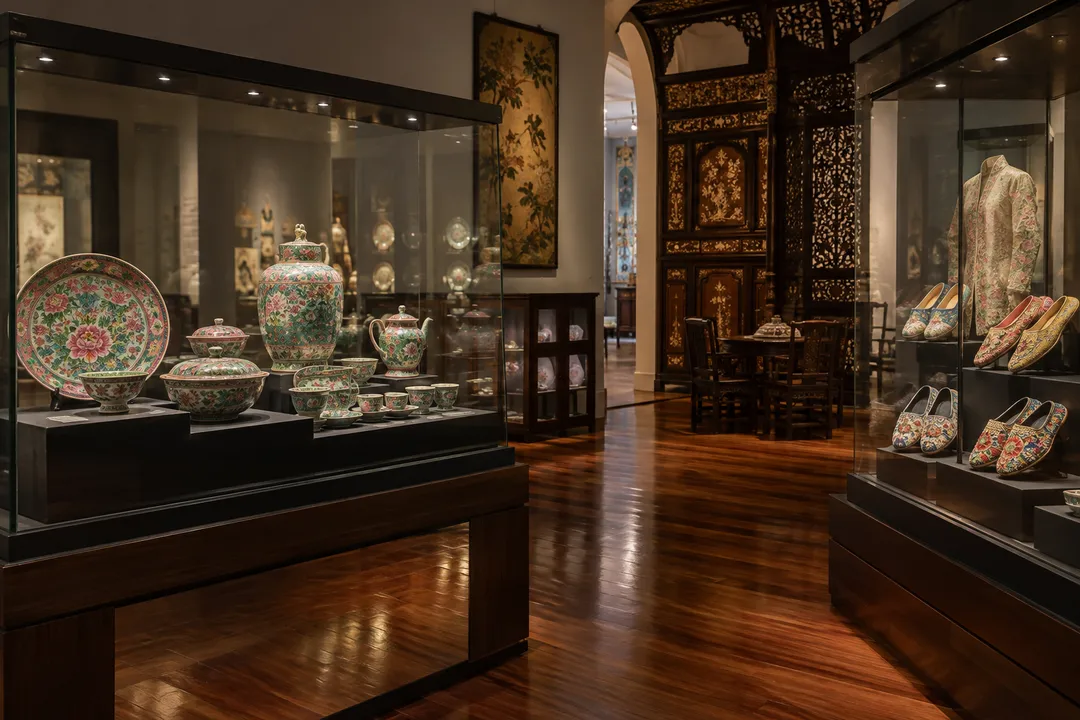
The building housing the museum is itself an architectural treasure deeply rooted in Singapore's multicultural history. Originally constructed in 1912 as the Tao Nan School, the structure stands as the first modern Chinese school established in the Straits Settlements. Designed in an eclectic neoclassical style infused with tropical adaptations such as generous wrap-around verandas, fluted Corinthian pilasters, and cross-ventilating French windows, the building was officially gazetted as a National Monument in 1998 before its inaugural museum opening in 2008.
Following a comprehensive three-year structural restoration, the Peranakan Museum triumphantly reopened to the public in February 2023 with completely reimagined permanent galleries. The conservation initiative meticulously preserved original architectural flourishes, including the central sunlit atrium and ornate ceramic floor tiles, while introducing state-of-the-art climate controls, acoustic dampening, and low-reflective showcase glass. Contemporary site-specific commissions by modern Southeast Asian artists now converse directly with century-old family heirlooms, providing fresh perspectives on evolving identity.
Architectural connoisseurs will appreciate the thoughtful preservation of authentic Straits craft methods throughout the stairwells and exhibition corridors. Hand-carved timber balustrades, cast-iron spiral fire stairs imported from Glasgow in the early twentieth century, and louvered shutters designed to funnel coastal breezes remain fully functional. By harmonizing century-old masonry textures with minimalist steel vitrines and warm architectural illumination, the museum creates an intimate domestic atmosphere that honors the historic families who once lived and learned within these halls.
Nine Galleries of Straits Chinese Craft, Textiles, and Ceramics
The permanent exhibition narrative unfolds across three conceptual themes titled Origins, Home, and Style. On Level 1, Origins explores the diverse ancestral roots of Peranakan Chinese, Chitty Melakan, and Jawi Peranakan communities through archival genealogical portraits, family testimonies, and oral histories. Interactive digital consoles allow guests to examine historical migration routes that connected Fujian, Melaka, Penang, and Singapore across four centuries of vibrant maritime commerce.
Ascending to Level 2, visitors enter the domestic and spiritual universe of the traditional Peranakan household. The centerpiece of Gallery 4 is an exquisite twelve-piece rosewood altar suite and a meticulously carved bridal chamber bed known as a ranjang abu, lavishly inlaid with mother-of-pearl and gold leaf. The adjacent ceramics gallery presents breathtaking displays of custom-commissioned polychrome enamelled porcelain, popularly known as nyonyaware, featuring delicate peony, phoenix, and robin-egg blue motifs produced in Jingdezhen specifically for Straits family banquets.
Level 3 celebrates the pinnacle of Peranakan fashion, decorative adornment, and ceremonial textiles. Display cases shimmer with manic potong glass beadwork, where hundreds of thousands of microscopic seed beads form breathtaking tablecloths, purse panels, and kasot manek slippers that took aristocratic artisans months to complete. Highlights include antique sarong kebaya crafted from Swiss voile with intricate cutwork embroidery, alongside heirloom gold kerosang brooch sets studded with rose-cut diamonds and natural pearls.
Equally compelling are the displays of ceremonial jewelry that demonstrate cross-cultural metallurgical mastery. Master goldsmiths combined southern Chinese filigree techniques with Malay floral openwork and European gem-setting conventions, creating elaborate gold hairpins known as cucuk sanggul, pierced silver belt buckles, and heavy repousse anklets worn during traditional twelve-day wedding ceremonies. Informative tactile stations allow guests to feel the weight of faceted glass beads and compare the tactile weave of hand-drawn Indonesian batik.
Armenian Street Park, Peranakan Dining, and Fort Canning Walks
The museum's location within the pedestrianised Armenian Street park creates an idyllic setting for an afternoon cultural promenade. Shaded by rain trees and lush tropical planters, the car-free corridor frequently hosts outdoor craft demonstrations, weekend book markets, and live acoustic performances. Just across the street, the historic Armenian Church of Saint Gregory the Illuminator, built in 1835 by architect George Drumgoole Coleman, offers peaceful garden grounds shaded by majestic frangipani trees.
Culinary exploration forms an essential complement to the visual experience. Visitors can enjoy an authentic Straits meal at nearby heritage restaurants such as True Blue Cuisine on Armenian Street, celebrated for its rich beef rendang, tangy ayam buah keluak, and crispy nonya kueh pie tee. A gentle five-minute stroll up the Fort Canning Rise slope leads directly into the historic spice garden and tranquil walking paths of Fort Canning Park, where fourteenth-century archaeological remains and colonial fort gates offer scenic picnic spots.
Admission Rates, Opening Hours, and Public Transport Access
The Peranakan Museum welcomes visitors daily from 10:00 am to 7:00 pm from Saturday through Thursday, with extended late-night hours until 9:00 pm on Fridays. Singapore Citizens and Permanent Residents enjoy complimentary admission to all permanent galleries upon presenting valid national identification. For international visitors, standard adult admission to the permanent galleries is priced at S$12, while students and senior citizens aged sixty and above qualify for a concession rate of S$8. All-access tickets covering temporary international exhibitions are available for S$18.
The building is thoroughly equipped with step-free wheelchair ramps at the courtyard entrance, wide automated gallery doors, and elevator access serving all three exhibition floors. Complimentary wheelchair loans and accessible restrooms are conveniently located on the ground level near the reception foyer.
Public transit connections to Armenian Street are exceptionally convenient. The museum sits within a comfortable six-minute walk from City Hall MRT station (NS25/EW13 Exit B) and Bras Basah MRT station (CC2 Exit A). Several municipal bus services, including lines 7, 14, 16, 124, 147, 166, and 175, stop directly along Stamford Road and Victoria Street right outside the precinct. For those driving, paid underground parking is readily available at the adjacent Singapore Management University School of Law garage.
To discover more historic museums, neighborhood craft ateliers, and cultural walking circuits across Singapore, open the Karpo APP. From uncovering hidden museum cafes to finding live acoustic evenings, the platform provides tailored insights for memorable city journeys.
Ask Karpo for more information.
Keep reading
- Chinatown New in Town Weekend Planner: Errands and Temples
 Kampong Glam New in Town Weekend Planner: Mosque to Murtabak
 Holland Village New in Town Weekend Planner: Meet People