 Chinatown New in Town Weekend Planner: Errands and Temples
Weekend Plans
Singapore Art Museum Tour of Empress Place's Asian Civilisations Museum
Discover the Asian Civilisations Museum along the Singapore River, showcasing Tang Shipwreck treasures, pan-Asian art, Islamic calligraphy, and riverfront dining.
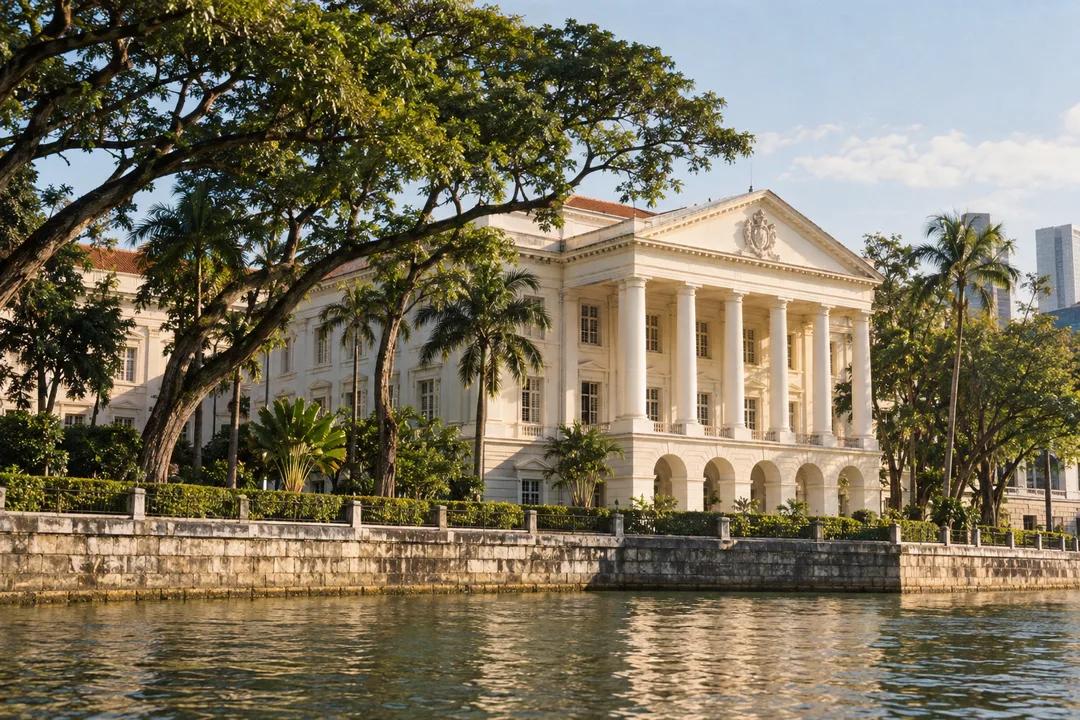
When seeking an enriching heritage art museum near me in historic Singapore, the Asian Civilisations Museum presents an unparalleled window into the artistic masterpieces, maritime trading networks, and spiritual traditions of Asia. Presiding regally over the historic northern bank of the Singapore River at 1 Empress Pl, Singapore 179555, this national institution is the only museum in the region devoted entirely to exploring the pan-Asian artistic heritage that shaped Singapore's multicultural identity. Across three sprawling floors of beautifully restored neoclassical galleries, visitors uncover priceless shipwreck ceramics, sacred Buddhist sculptures, and exquisite royal court textiles.

The Empress Place Building and Riverfront Civic Heritage
The Asian Civilisations Museum was officially established in 1993, originally displaying a modest collection within the Old Tao Nan School building on Armenian Street. On 2 March 2003, the museum inaugurated its magnificent permanent flagship home inside the historic Empress Place Building. Constructed between 1864 and 1867 in the classical Palladian style, the building initially served as the colonial Secretariat and administrative government offices before housing various municipal courts and the Registry of Citizens during the early decades of Singaporean statehood.
Recognized as a protected National Monument of Singapore, the Empress Place Building showcases symmetrical neoclassical porticos, Tuscan and Doric stone columns, tall shuttered French windows, and cooling internal courtyards designed for cross-ventilation in the tropical climate. A contemporary architectural wing designed by Singapore's GreenhilLi architects was completed in 2015 along the riverbank, introducing shimmering titanium-clad galleries that project gracefully toward the water while respecting the historic masonry of the nineteenth-century colonial core.
Tang Shipwreck Treasures, Maritime Trade, and Asian Faiths
The ground-floor galleries are dedicated to Maritime Trade, anchored by the internationally celebrated Tang Shipwreck collection in the Khoo Teck Puat Gallery. Discovered by fishermen off the coast of Belitung Island in Indonesia in 1998, the ninth-century Arab trading dhow sank around 830 CE while laden with over sixty thousand artifacts manufactured during China's Tang dynasty. The pristine salvaged cargo includes green-splashed Changsha stoneware bowls, intact storage jars, mirror castings, and the world's earliest intact complete blue-and-white porcelain pieces decorated with cobalt imported from ancient Persia.
Ascending to the second level, the Faith and Belief galleries examine how Buddhism, Hinduism, Jainism, Daoism, and Christianity spread and transformed artistic expression across Asia along overland and maritime silk routes. Masterpieces include an eighth-century monumental sandstone torso of the bodhisattva Avalokiteshvara from southern Thailand, intricately cast South Indian Chola bronze sculptures of Shiva Nataraja dancing within a ring of fire, and refined Gandharan schist reliefs blending Hellenistic drapery with Buddhist iconographic traditions.
The gallery also highlights exquisite historical examples of Asian Christian art produced by local master craftsmen for Portuguese and Spanish missionaries. On display are delicate ivory statuettes of the Madonna and Child carved in Sri Lanka and Goa, alongside seventeenth-century Japanese Namban export lacquer screens depicting European galleons arriving in Nagasaki harbor. An adjoining sacred arts chamber presents Islamic calligraphy folios, Ottoman enameled copper vessels, and engraved Mughal brass astrolabes that illuminate centuries of scientific and artistic exchange.
On the third floor, the Materials and Design galleries spotlight courtly refinement and decorative arts across Asian dynasties. The Fashion and Textiles gallery displays ceremonial batik fabrics from Javanese royal courts, delicate silk robes embroidered with imperial Chinese five-clawed dragons, and gold-thread Indian saris. The Ceramics gallery traces millennia of Chinese porcelain craftsmanship, while the Jewelry gallery dazzles with gemstone-encrusted South Asian hair ornaments, gold tribal rings from the Indonesian archipelago, and filigree prayer amulets.
Riverside Dining at Empress and Privé Waterfront Terrace
Dining at the Asian Civilisations Museum offers a delightful culinary complement to the museum's historical collections, set against picturesque riverfront views of the historic Boat Quay shophouses and the soaring downtown financial district towers. On the ground level, Empress restaurant presents contemporary Cantonese cuisine in an elegant dining room decorated with Chinese screen panels and antique brass accents. Diners savor signature dishes like crispy crackling roast pork belly, dim sum platters, and poached lobster noodles.
For casual afternoon refreshments, the outdoor terrace at Privé ACM provides an idyllic alfresco setting sheltered by leafy banyan trees directly beside the Singapore River promenade. Guests can unwind with fresh tropical juices, artisanal flat whites, wagyu beef burgers, sourdough sandwiches, and chilled craft beers while watching traditional wooden bumboat cruises glide along the river. The museum shop near the entrance carries an exquisite selection of museum monographs, Southeast Asian handcrafted silk scarves, and reproduction Tang ceramics.
Visitor Information, Concession Rates, and Transit Connections
The Asian Civilisations Museum welcomes visitors daily Monday through Sunday from 10:00 am to 7:00 pm, with extended late-night hours every Friday until 9:00 pm. Admission to the permanent galleries is priced at S$25 for international adult visitors, while foreign students and senior citizens enter for S$12. Singapore Citizens, Permanent Residents, and children aged six and under enjoy complimentary free admission to all permanent galleries upon presenting valid identity verification. Major temporary special exhibitions carry a modest admission fee of S$15 for standard ticket holders.
The museum features comprehensive barrier-free accessibility, including street-level ramps from Empress Place, elevators serving all floors, accessible restrooms, and complimentary wheelchair loans. Daily volunteer-led docent tours in English and Mandarin depart from the ground-floor foyer, offering deep cultural insights into the collections at no additional charge.
Reaching the Asian Civilisations Museum via public transit is exceptionally convenient. Raffles Place MRT station (served by the North-South Line NS26 and East-West Line EW14) is located just a five-minute walk across the historic pedestrian Cavenagh Bridge via Exit H. Alternatively, Clarke Quay MRT station (North-East Line NE5) is an eight-minute riverbank stroll away. Numerous public bus services, including lines 10, 100, 107, 130, and 196, stop along Victoria Street or Fullerton Square. Nearby cultural landmarks within easy walking distance include the Victoria Theatre, National Gallery Singapore, and the historic Asian Civilisations River Walk.
When you want to uncover more heritage museums, riverfront dining destinations, and cultural walking tours throughout Singapore, look to the Karpo APP. From hidden architectural gems to guided heritage strolls in the Civic District, the platform helps you discover the rich cultural tapestry of the Lion City.
Ask Karpo for more information.
Keep reading
- Chinatown New in Town Weekend Planner: Errands and Temples
 Kampong Glam New in Town Weekend Planner: Mosque to Murtabak
 Holland Village New in Town Weekend Planner: Meet People