 Chinatown New in Town Weekend Planner: Errands and Temples
Weekend Plans
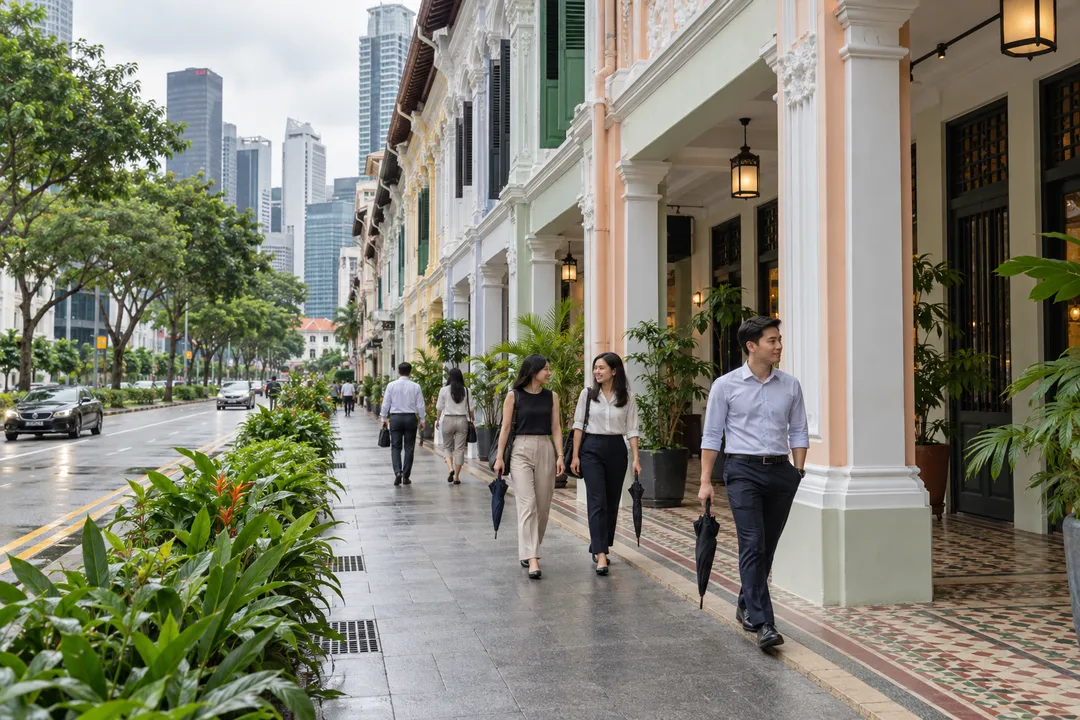
Singapore After Work Route Planner: Dinner in 45
Use a 45-minute Tanjong Pagar dinner buffer for one small stop and a clear return point. Ask Karpo APP for choices that fit your appetite and timing.
There is an awkward kind of freedom between finishing work and meeting someone for dinner. Forty-five minutes sounds generous until a coffee order, an aimless detour and the walk back use all of it. This Singapore after work route planner treats Tanjong Pagar as a waiting area with a purpose: enjoy the gap without making dinner harder. Start with the restaurant or meeting point you already chose, then ask the Karpo APP for a small nearby plan that respects both your appetite and your arrival deadline.
Work backward from the meeting
Your anchor is the moment you need to reach dinner, not the moment you feel like leaving the cafe. If your agreement is to meet outside, keep that location as the finish. If you have a reservation, include the arrival instructions you received. A route planner should work around the commitment that exists. It should not assume that a later table is available or that the restaurant will absorb a delay because the preceding stop looked appealing.
Subtract your return walk and a margin for paying before deciding what the gap can hold. For a sample forty-five-minute budget, allow ten minutes to reach a first stop, fifteen to enjoy it, ten to return and ten for ordering, payment and small delays. These are chosen limits rather than local travel measurements. If your first stop needs more time, the answer is to shorten or remove it. The dinner commitment should not become the flexible part by accident.
A buffer is different from a queue strategy

An empty stretch in your schedule is time you control. A waiting list is a process controlled by a restaurant. Do not combine them until you know the restaurant's actual arrangement. If you have been given a return instruction, keep it visible and follow it. If no place has accepted you onto a list, wandering for forty-five minutes does not create a position in line. Planning a pleasant pause and obtaining a table are separate tasks.
This distinction changes what you ask Karpo. For a fixed dinner, request a nearby diversion with a reliable return structure. For an undecided dinner, request a shortlist first, then choose your buffer around the dining area. Resist putting several popular restaurants into one walking circuit and calling it a way to beat queues. That creates repeated decisions and extra pavement. A useful fallback is an alternative dining format you would enjoy, not a prediction that somebody else's line will disappear.
Match the small stop to your appetite
A coffee can suit someone who wants a seat and a conversation, while a dessert may make sense when dinner will be light. Neither should be included automatically. Say whether caffeine, sweetness or a substantial snack would interfere with the meal you are anticipating. You can also request a non-food pause. A short browse or a quiet place to regroup can fill the gap without turning the evening into two meals joined by a walk.
If you are meeting friends with different hunger levels, let the hungriest person get something small without requiring everybody to order. Consider the social rhythm as well as the menu. A stop that takes ten minutes to agree on has already consumed much of the buffer. Ask for two contrasting options at most, such as a seated drink or a brief outdoor wander. Pick the format together, then let that choice narrow the places you discuss.
Keep the route on the dinner side
Tanjong Pagar and the dining streets around it provide a useful area for the request, but an area name alone is too broad to order your evening. Supply the actual dinner destination or a nearby intersection. Ask for options on the approach you are already taking, with the return leg stated plainly. A place that is close to the station can still be inconvenient for a restaurant reached from another direction. The dinner endpoint should organize the shortlist.
Avoid collecting attractive stops in opposite directions. If you intend to browse, specify one compact stretch and one turning point. If you prefer to sit, minimize the outward walk and spend the saved time at the stop. Those are different uses of the same forty-five minutes. You do not have to combine them. When a suggestion adds a street crossing, another floor or a second order, ask whether that step contributes enough to justify its share of the remaining gap.
Write the request around the fixed detail
A focused message might read: “I have forty-five minutes before dinner in Tanjong Pagar. I will share the meeting point. Find a compact coffee or browsing option on my approach, with enough time to get back. I want a light stop because dinner is the main event, and I would rather skip a second place than rush.” In the Karpo APP, add your preferred spend, group size and any food restrictions. The request can stay conversational while still giving clear boundaries.
If the proposed plan feels overfilled, do not ask for a completely new evening. Say which element you want removed. “Keep the cafe idea and leave out the shopping detour” is an efficient correction. If you are already running late, change the available time rather than keeping the original brief. Your route is a working arrangement. Updating the departure point or deleting a stop is a practical use of the conversation, and it keeps dinner at the center of the decision.
When the gap shrinks to fifteen minutes
A meeting that ends late can erase the buffer before you leave the office. At that point, replace the excursion with a direct approach and a pause near the finish. You might read outside, take a short stretch of pavement or simply arrive early. The smaller plan still serves the original goal of changing pace. Trying to rescue the full coffee stop usually spends the last few minutes on ordering and payment instead of on the break itself.
Tell your dinner companion when you have changed the plan. Share the final meeting point and arrival intention, rather than sending a long chain of possible cafes. If one person is already waiting at the restaurant, prioritize joining them. If everybody is delayed, agree on a new meeting arrangement together. Karpo can be the place where you formulate another request for suggestions, but a proposed route is not a message sent to your companion or a change accepted by the restaurant.
Practical Notes before you order
Use the venue's own ordering and payment process once you choose a stop, and treat any availability as a venue decision. This page assigns no opening hours, menu prices or guaranteed seats to a particular business. Your chosen spending limit belongs in the request, including whether you want to buy anything at all. A successful buffer can cost nothing beyond your existing evening, because its essential ingredients are a small change of scene and a finish you can reach comfortably.
When you sit down, decide when you will ask to pay. Keep the return leg separate from the enjoyable pause so it is not forgotten at the bottom of the plan. You are using a little time to arrive at dinner in a better mood, with an appetite and enough attention for the people there. If the gap ends with one good conversation and no extra stop, it has already worked. The restaurant remains the destination, and the buffer has done its quiet supporting job.
Ask Karpo for more information.
Keep reading
- Chinatown New in Town Weekend Planner: Errands and Temples
 Kampong Glam New in Town Weekend Planner: Mosque to Murtabak
 Holland Village New in Town Weekend Planner: Meet People