 Tampines Board Game Cafe Night Picker for School Holidays
Bars & Nights Out

Bugis After Work Drink Finder: Late Start, Easy Return
Plan after-work drinks around Bugis with a late start, walk limit, mood, and return buffer. Save a flexible shortlist in Karpo APP before leaving work.
An after-work drink plan gets easier when the brief is concrete. In Karpo APP, begin with Bugis as the destination, then write the group size, the earliest realistic arrival, and the latest time anyone wants to leave. Add one sentence about the night: a quiet catch-up, a food-led first round, or a livelier bar hop. That small description gives the finder a usable starting point instead of a generic list.

Name the night you want
The most useful detail is the social job the first stop must do. Say whether the group wants a quick decompression drink, a meal that can unfold slowly, or a place where a few people may join after the first round. Mention if conversation matters more than music, and whether anyone needs to leave early. These are planning inputs, not claims about a particular venue. They let the finder explain why a result fits and make the next human check faster.
Set an arrival window you can keep
A late start is often more honest than an optimistic one. If the office releases people at 6:45, use a 7:15–7:45 arrival window rather than 6:30. The finder can use that band to rank options that make sense for the evening you actually have. Keep the window wide enough for a delayed lift or train transfer, but narrow enough that the first stop does not drift into a dinner plan.
Choose a mood before you choose a venue
Mood is the most useful early filter because it changes the shape of a night. Select a conversation-friendly setting when the group needs to hear one another, a polished room for a client-adjacent drink, or a casual stop where people can arrive in stages. You can also leave mood open and compare the first few results. The point is to make the trade-off visible, not pretend one ranking fits every group.
Make the walk limit practical
Set the maximum walk from the chosen arrival point in minutes, not an imaginary radius. A ten-minute limit feels different in rain, in office shoes, or when one person is carrying a laptop. If everyone is comfortable with a longer stroll, widen the limit after the first search rather than adding a second neighborhood at random. The route card should show the walking budget so a late joiner knows what the plan assumes.
Use budget as a signal, not a promise
For a group that has not settled on spend, use budget as a preference signal and leave room for the human decision. The finder can help separate a quick first round from a longer evening, but it does not invent live prices, guarantee a table, or claim that a venue is available. If the group has a hard ceiling, write it into the brief and keep the shortlist focused on options that can be checked before booking.
Build one anchor and one backup
A good after-work route has a clear first choice and a credible second choice. Ask for one anchor with the strongest match on mood and timing, then keep a backup that changes one variable: shorter walk, quieter room, or better rain cover. This is more useful than saving ten near-identical cards. In the APP, label why the backup exists so the person making the final call can switch without reopening the whole search.
Read the result cards like a planner
When the shortlist returns, scan the cards for the evidence behind each match. Look at the neighborhood fit, the stated atmosphere, the walk estimate, and the service or booking link supplied by the venue. Treat descriptive language as a clue rather than a guarantee. If a card lacks the detail your group cares about, widen one filter or remove that card; do not fill the gap with an assumption about hours, prices, or stock.
Keep food and access needs visible
A drinks plan still needs practical context. Add dietary needs, step-free access, a preference for bar seating, or the need for a non-alcoholic option to the brief when those details matter. These notes help the finder surface relevant information for the next human check. They also prevent a common failure: choosing an attractive first stop and discovering only after arrival that one person cannot comfortably use it.
Save the route for the late joiner
Once the first stop and backup feel right, save the route with a plain-language handoff: where to meet, the arrival band, the walking limit, the mood, and what changes if the first choice fails. A saved route is easier to share than a string of screenshots because the reasoning stays with the options. Keep the note short enough that someone joining at 7:30 can understand it in one glance.
Leave the booking step to a person
The finder supports discovery and planning; a person still makes the booking or confirms the venue details. Open the supplied venue link, check the actual service information, and make the reservation through the venue’s own channel when needed. If the place is walk-in only, mark that in the route note and keep the backup ready. This boundary keeps the tool useful without claiming a reservation succeeded when no booking action occurred.
Plan for rain and a late finish
Bugis evenings can change quickly when rain slows a walk or a meeting runs over. Build the fallback before anyone leaves work: a shorter transfer, a covered meeting point, or a first stop that can absorb a staggered arrival. Add a finish cue as well, such as the last comfortable departure window for the group. The route should make it easy to shorten the night without turning the fallback into a new research project.
Practical notes for a repeatable search
For a reusable Bugis brief, keep five lines together: destination, arrival band, walk limit, mood, and backup rule. Add the group size and any access or dietary note, then save the result in Karpo APP. On the next workday, change only one variable at a time—start later, widen the walk, or switch the mood—so you can see what improved the shortlist. A small, legible brief beats a crowded list of unranked venues. Keep the first search to two or three deliberate changes, and name the saved brief so the group can find it again without rebuilding the plan.
Ask Karpo for more information.
Keep reading
- Tampines Board Game Cafe Night Picker for School Holidays
 Dhoby Ghaut Board Game Cafe Night Picker for a Second Date
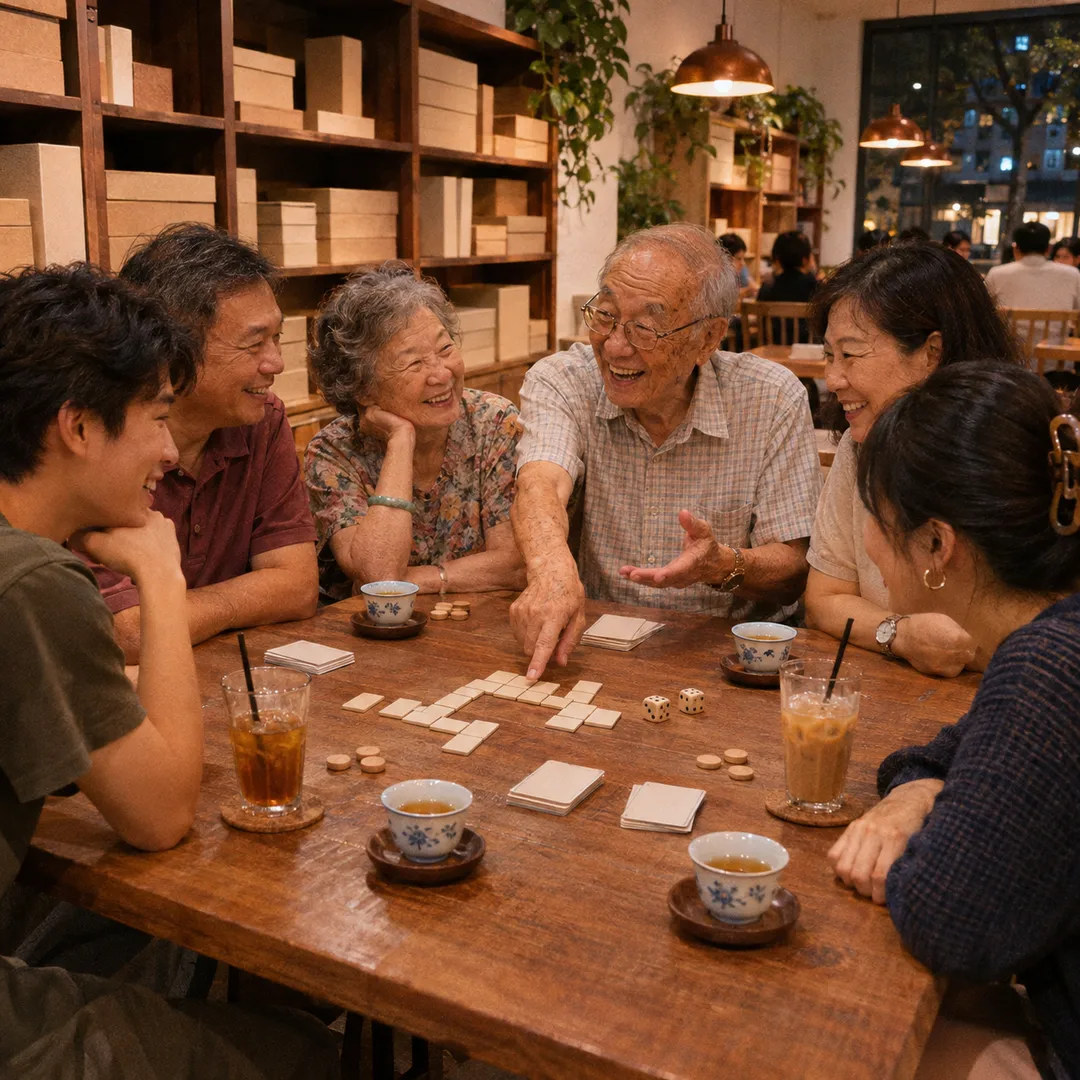 Chinatown Board Game Cafe Night Picker for Three Generations