 Tampines Board Game Cafe Night Picker for School Holidays
Bars & Nights Out

After Work Drink Finder Singapore: Boat Quay Team Toast
Find after-work drinks in Singapore's Boat Quay: set walk time, mood, and arrival, then save a route for riverfront team toast before the first round.
A Boat Quay after-work drink finder is most useful when a team needs coordination more than a famous name. Tell Karpo APP how many people may arrive, when the first person can start, what level of conversation the group needs, and when the evening should break for the trip home. Add a walking limit from the selected station or office. The tool can organize the decisions and explain the fit; it cannot claim a live table, a live crowd count, or a reservation nobody has made.

Define the team toast
Anchor the brief to a real arrival point. You might start from Raffles Place, Clarke Quay, or the edge of the river walk, then set a short route for people carrying laptops or coming from different towers. State whether the group needs a clear indoor meeting point or can begin outside. This prevents the plan from scattering across the waterfront. A team route is successful when the first person can wait comfortably and the last person can find the group without a long message thread.
Anchor the river arrival
Set the table rhythm before choosing a room. Some teams need a quick drink and a firm end; others want time for food, introductions, or a second round. Tell the finder whether people will order individually, share plates, or leave in waves. That detail helps distinguish a first stop designed for circulation from one designed for a seated conversation. The route should respect the meeting's purpose rather than treating every after-work drink as the same social event.
Set the table rhythm
Describe atmosphere with signals a group can agree on. Ask for river light, moderate music, a room that supports introductions, or a livelier finish once everyone has arrived. Add a boundary around noise and walking. When the brief contains those signals, the shortlist can show meaningful choices instead of a stack of generic bars. A host can then say why the first room fits and what would make the second room a better move later in the evening.
Choose atmosphere signals
Build the route in two phases. Phase one is the arrival window: easy access, simple ordering, and enough space for people who join at different times. Phase two is the toast or meal: a stronger atmosphere, a better shared-table setup, or a place that suits the people staying late. Ask for a short transfer and an exit near a major connection. Two phases give the team shape without forcing every colleague to stay for the full plan.
Build a two-phase route
Read the shortlist through the team's constraints. Check the arrival pocket, walking estimate, noise cue, food signal, group size, and departure point. If a result looks attractive but makes late arrivals cross the river alone, remove it. If it solves access but loses the desired atmosphere, ask for a second option. Product-flow planning earns trust when a host can explain the tradeoff in one sentence and the team can choose without reopening the entire search.
Read the shortlist
Staggered arrivals need a shared handoff. Save the meeting point, the exact first-stop role, the latest time the group will wait, and the point where the route changes. If someone joins after the toast, the note should say whether to meet at the first room or go directly to the second. That is more useful than broadcasting a map link. It gives late colleagues a decision and gives the host one less thing to coordinate aloud.
Handle staggered arrivals
Keep the booking action outside the discovery screen. The finder can compare a route, but the venue's official channel handles a table request, deposit, party size, or menu question. Assign that action to one person and record the response with the plan. Do not present a recommendation as confirmed capacity. This boundary is especially helpful for teams, where a confident-sounding assumption can turn into a long wait for everyone at the riverfront.
Keep reservations separate
Use the Boat Quay walk as a controlled reset. A short riverside stretch can separate arrival drinks from the main toast, but a long detour exposes the group to heat or rain and makes the second phase late. Ask for a direct path and a more scenic alternative. The host can choose after seeing the weather and the group's energy. The route should make the waterfront feel intentional without asking people to march in formation between every decision.
Use the river walk well
Set a departure cue before the first order. Enter the final MRT or ride-hail moment, a preferred station, or a time when the team should split. The planner can then keep the last stop near that constraint and avoid an accidental drift toward another district. A clear departure cue also makes it socially easier for someone to leave early. The plan does not need everyone to finish together to be a good team evening.
Set a departure cue
Change one team setting at a time. Tighten the walking radius, lower the noise, add shared food, or move the arrival window, but keep the other choices stable. This shows whether the problem was access, atmosphere, or timing. If the group feels too formal, soften the room signal. If introductions are difficult, prioritize conversation and seating. Small edits help the host make a defensible choice without turning a simple toast into a committee meeting.
Change one team setting
Save the meeting brief once it works. Keep the arrival point, group size, waiting rule, first-phase length, second-phase purpose, and departure cue together. Next month, ask for fresh options using the same structure. The team keeps a repeatable method while the actual shortlist changes. Saving the brief is more useful than saving one venue name because every work group has a different mix of late arrivals, dietary needs, and people who leave early.
Save the meeting brief
Carry a rain branch even when the forecast looks kind. Ask for a backup with a clear indoor handoff, a different energy, and the same general radius. If the first room is too full or a colleague arrives late, the host can switch without starting another search. A backup should solve a known risk, not merely add another name. Keeping the route compact preserves the team mood when Singapore weather changes the plan at short notice.
Carry a rain branch
Share the plan as a small operating note: meeting point, arrival window, first phase, reassessment time, second phase, and departure cue. Put the booking owner and any unanswered question on separate lines. This makes the route legible to someone who was not in the planning conversation. Karpo APP supplies the comparison and the sequence; the team still owns the final confirmation, the order, and the decision to move.
Practical Boat Quay notes
Practical Boat Quay notes: anchor the search to an arrival point, define the team's waiting rule, give the first and second stops different jobs, and make the split time visible. Use the river walk as a short buffer, keep booking separate, and preserve a rain branch. A good team toast feels coordinated without feeling managed. The finder should remove friction so colleagues can focus on one another and leave with a clear route home.
Ask Karpo for more information.
Keep reading
- Tampines Board Game Cafe Night Picker for School Holidays
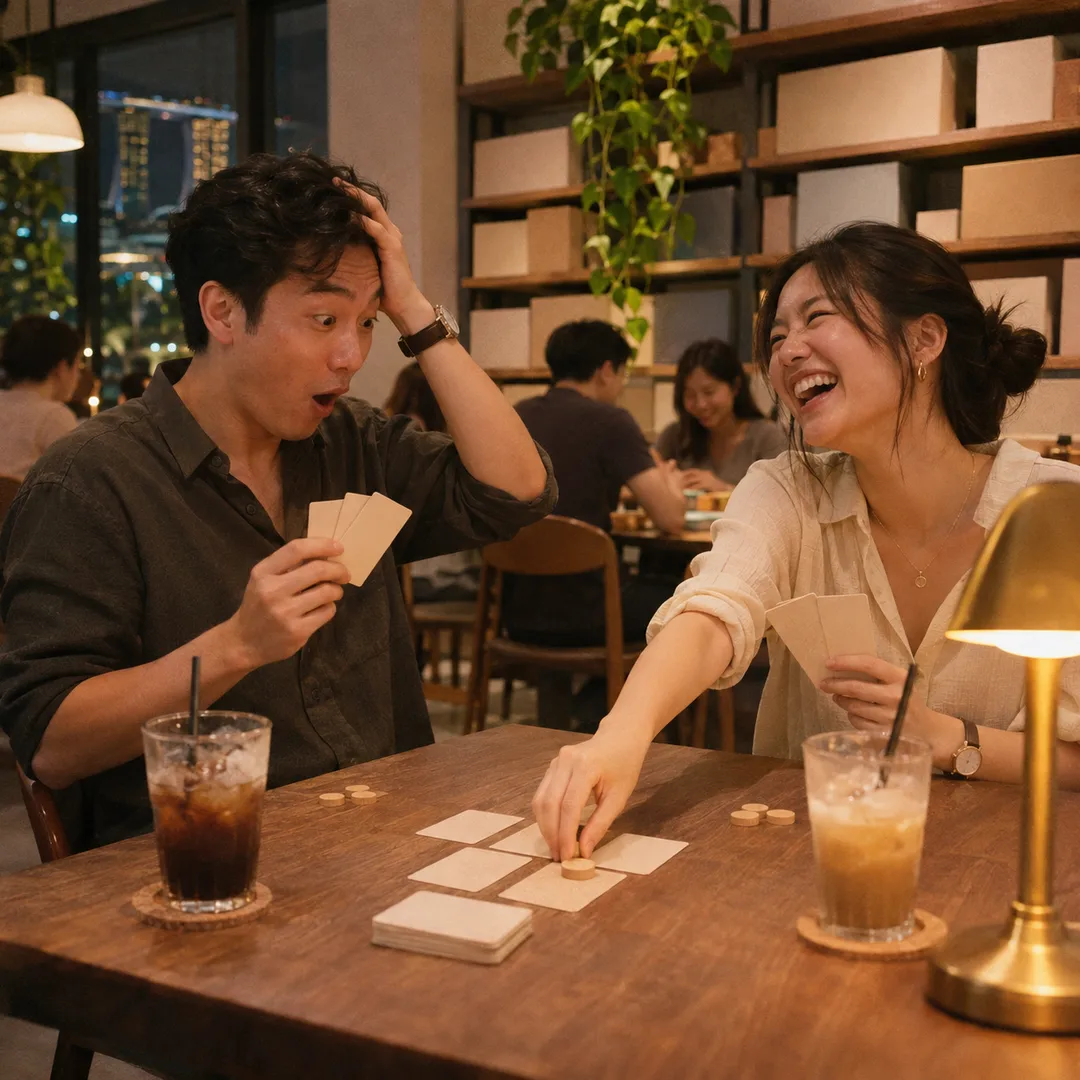 Dhoby Ghaut Board Game Cafe Night Picker for a Second Date
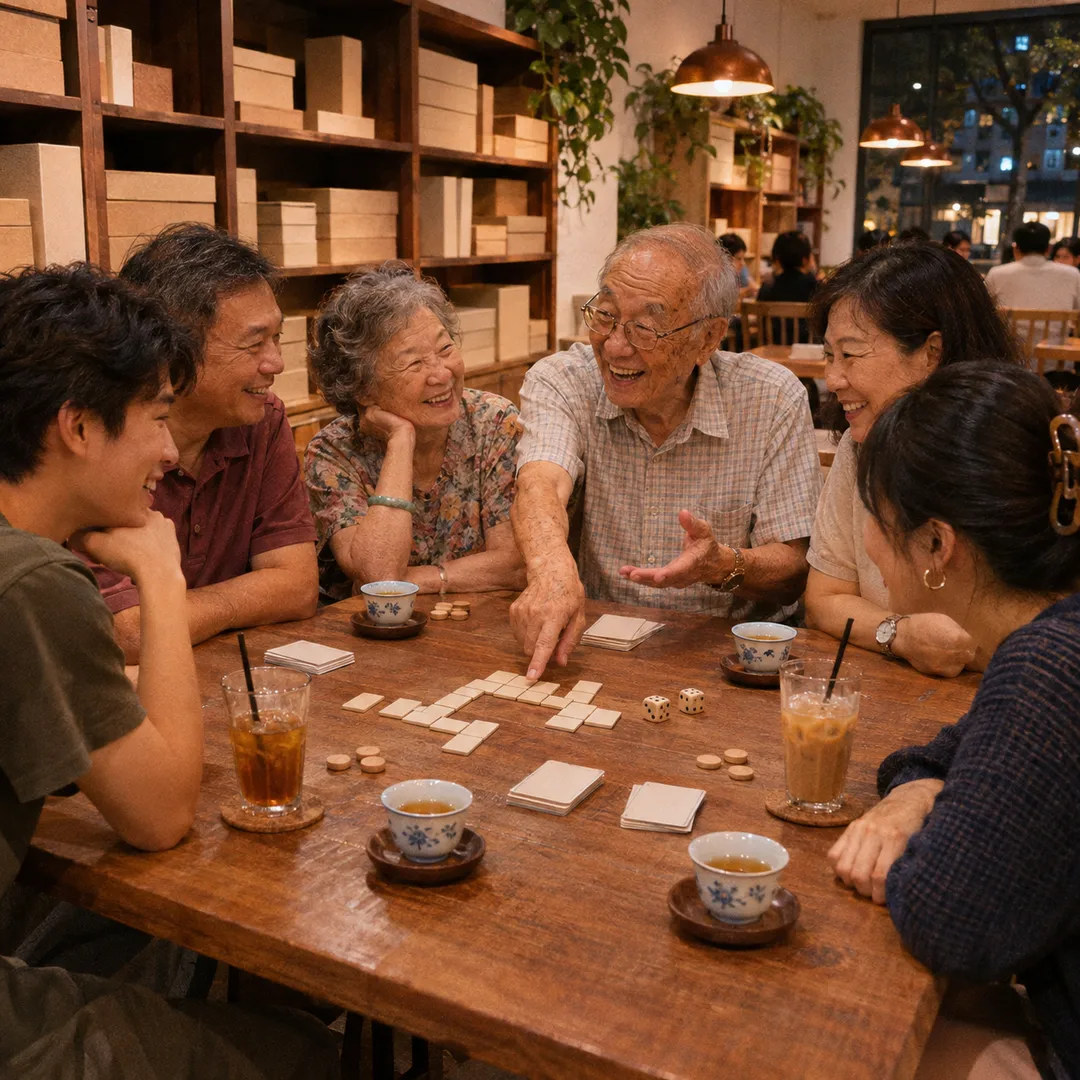 Chinatown Board Game Cafe Night Picker for Three Generations