A Door That Only Looks Closed
The entrance sits tucked into a canyon-facing corner where Silver Lake's residential streets start their climb toward the ridgeline, marked by nothing more than a brushed-steel number and a single bulb that glows amber after dark. Most evenings the door stays shut until nine, sometimes later, and the room beyond fills slowly with a specific breed of neighborhood regular—the ones who've done their reservoir loop, fed the dog, and now want a glass of something cloudy and alive. The space holds maybe thirty people comfortably, forty if everyone's willing to stand, and the bartender often pours the first round while still wearing the apron from wherever they cooked dinner earlier.
The Room Smells Like Old Wood and Citrus Peel
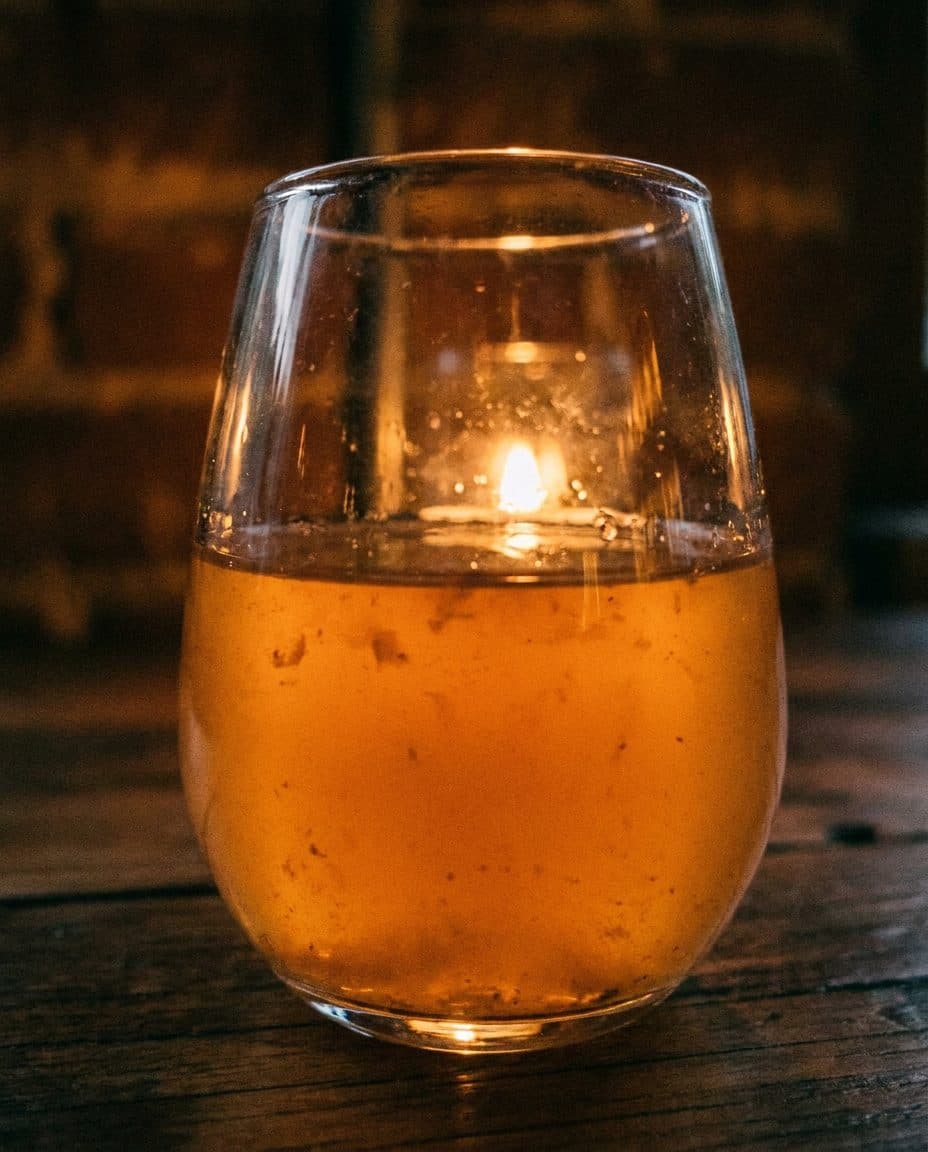
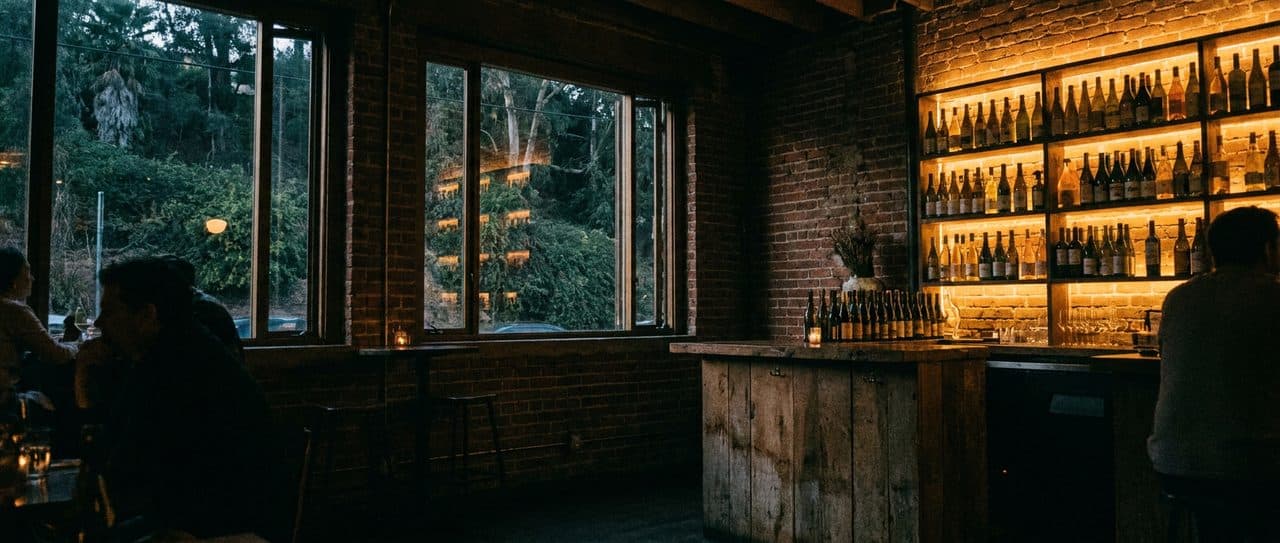
Inside, the walls are unfinished plaster the color of wet sand, and the bar itself is a single slab of reclaimed walnut that still shows chisel marks along one edge. A narrow shelf runs the length of the back wall, bottles arranged without labels facing forward—just handwritten cards propped against the glass noting region and grape. The air carries the scent of expressed orange oils and something faintly herbal, a result of the house practice of twisting citrus over nearly every pour and keeping a jar of fresh verbena near the ice well. During the shoulder seasons when the canyon windows stay open, the room takes on the smell of eucalyptus and night-blooming jasmine drifting up from the hillside gardens below. The lighting comes entirely from Edison bulbs strung on dimmer switches, casting everything in a warm, low glow that makes faces look softer and wine look darker than it actually is.
Skin-Contact Pours and Wines That Taste Like Barns
The list changes weekly, sometimes daily, built around small-production natural wines that rarely make it onto restaurant menus across town. Skin-contact whites dominate the selection—Georgian qvevri wines, Italian ramatos, Slovenian blends that pour the color of apricot flesh and taste faintly of hay and stone fruit. The pour is always generous, never measured with a jigger, and the staff tends to steer newcomers toward whatever bottle they opened for themselves an hour earlier. A regular practice involves leaving the last glass of any bottle on the bar as a tasting pour for whoever asks the right question. The wines skew funky, often cloudy, occasionally fizzy in ways that aren't entirely intentional, and the bartenders speak about them the way some people discuss rescue dogs—with affection for their quirks and a realistic sense of their limitations. There's no cocktail menu, no beer on tap, and the only spirit kept in regular stock is a single bottle of mezcal reserved for the closing round.
The Crowd Arrives in Waves, Never All at Once
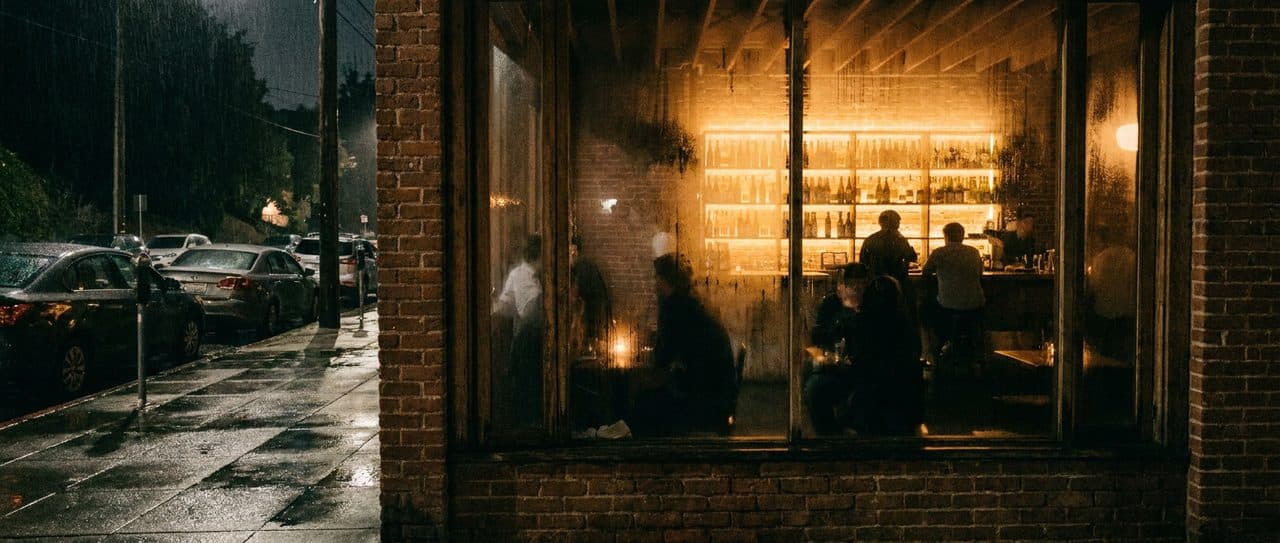
The first wave shows up around ten—couples finishing late dinners elsewhere, solo drinkers who've closed out tabs at louder spots down Sunset. They claim the stools near the window and settle in for the long haul, ordering by the glass and asking about the natural wine club that meets monthly in the back corner. The second wave arrives closer to eleven, a louder group that includes bartenders and line cooks from other restaurants, still riding the adrenaline of a busy service. They order bottles, share plates of whatever the kitchen has left—usually bread, cultured butter, and a rotating selection of tinned fish—and the room's volume lifts noticeably. By midnight the space has hit its rhythm, a low hum of conversation punctuated by the sound of bottles being uncorked and the occasional burst of laughter from the corner where the staff keeps a private stash of older vintages. The bartenders know most people by name or at least by drink preference, and there's a practiced efficiency to the way they move through the narrow space behind the bar.
A Kitchen That Barely Exists but Always Delivers
The food program operates out of a galley setup barely larger than a closet, visible through a pass-through window behind the bar. There's no printed menu, just a chalkboard listing three or four items that change based on what showed up at the farmers market that morning. On a recent night the options included marinated anchovies with fennel, a wedge of aged sheep's milk cheese with honeycomb, and thick slices of country bread grilled over a small tabletop burner and rubbed with raw garlic. The kitchen closes when the last plate goes out, sometimes as late as one in the morning, and the cook—a former pasta chef who left a downtown restaurant group to work fewer nights—often emerges to drink a glass of whatever's left open. The food exists primarily to support the wine, salty and fatty and acidic in ways that make the next sip taste better, and portions are sized for sharing even when ordered alone.
The Hours That Make It a Destination for Night People
The bar operates on a schedule that makes sense only to those who've adjusted their circadian rhythms to service industry hours. Doors open late, stay open later, and the peak energy hits right around the time most neighborhood spots are stacking chairs. The staff has been known to keep pouring past one on weekends, especially when the crowd includes enough regulars to justify staying open, and there's an understanding that last call is more suggestion than rule. This makes it a final destination rather than a starting point, the place people end up after everywhere else has shuttered, when the conversation has shifted from planning the night to reflecting on it. The canyon location helps—far enough from the main drags that foot traffic is minimal, close enough to the reservoir that the late-night walk home feels safe and scenic under the streetlights.
Practical Notes
The bar operates Thursday through Sunday, opening sometime between nine and ten in the evening and closing when the room empties, typically between midnight and two. No reservations, no phone number posted, and the door stays locked until someone on staff arrives to open it. Street parking only, and the walk from Sunset Boulevard takes about eight minutes uphill. The natural wine club meets the first Monday of each month and requires advance sign-up through a low-key email list. Glasses start around what one might expect for natural wine in this neighborhood, bottles climb from there, and the food rarely exceeds the cost of two glasses. Cash preferred but cards accepted. The space gets warm when full, and the bathroom situation is single-occupancy with a line that forms after eleven.
Tags: #TheLongWayHome #SilverLake #NaturalWine #LosAngelesNightlife #WineBar #LateNightLA #SkinContactWine #NeighborhoodGem #CanyonVibes #ServiceIndustryHangout #LAWineScene #HiddenGemLA #ReservoirDistrict #MidnightPours #NaturalWineBar
Sources consulted: timeout.com · lamag.com · discoverlosangeles.com
Please drink responsibly. Must be of legal drinking age.
All trademarks are the property of their respective owners.
Ask Karpo first
Want to know which Silver Lake wine bars are open latest on weeknights?
Ask Karpo for the canyon-side spots with the best small-producer pours before you head out.