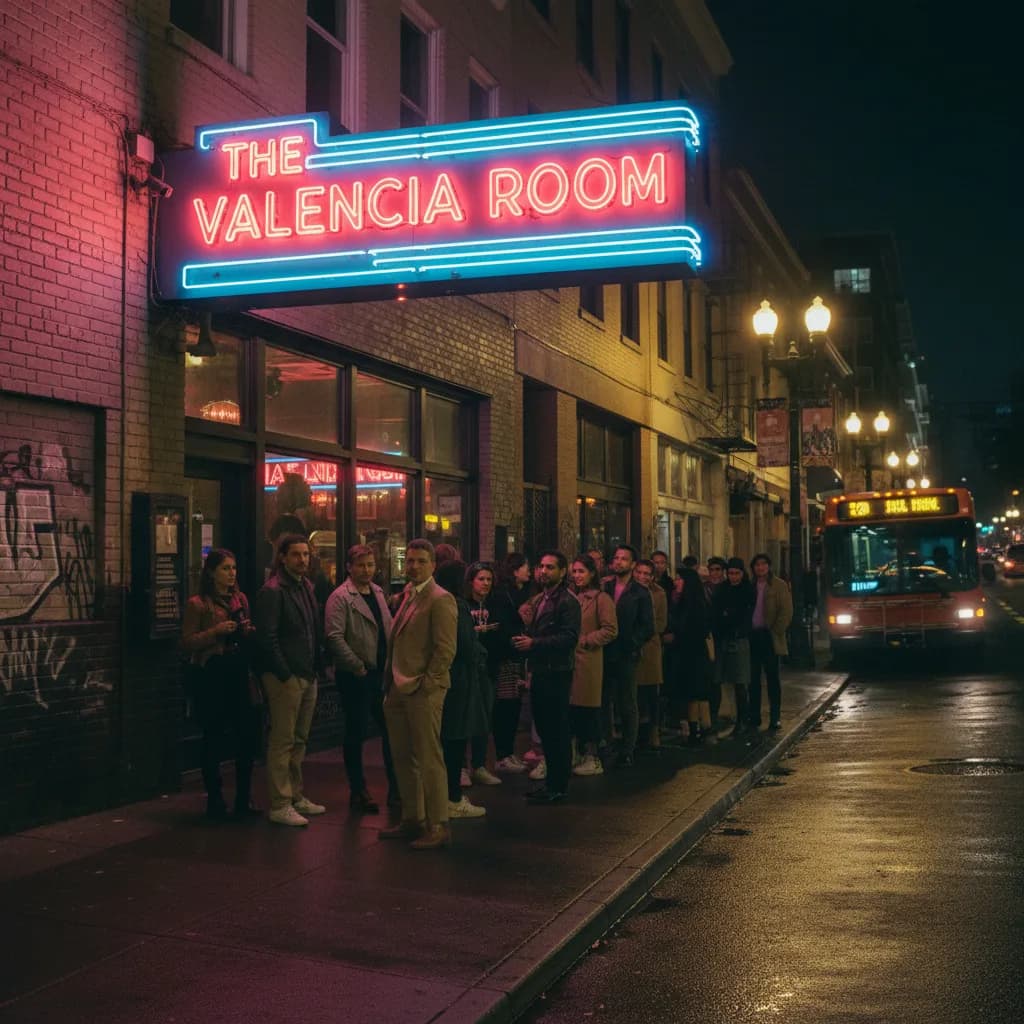
 Mission Concerts: The Valencia Room's Pulsating Beat on Valencia Street
Bars & Nights Out
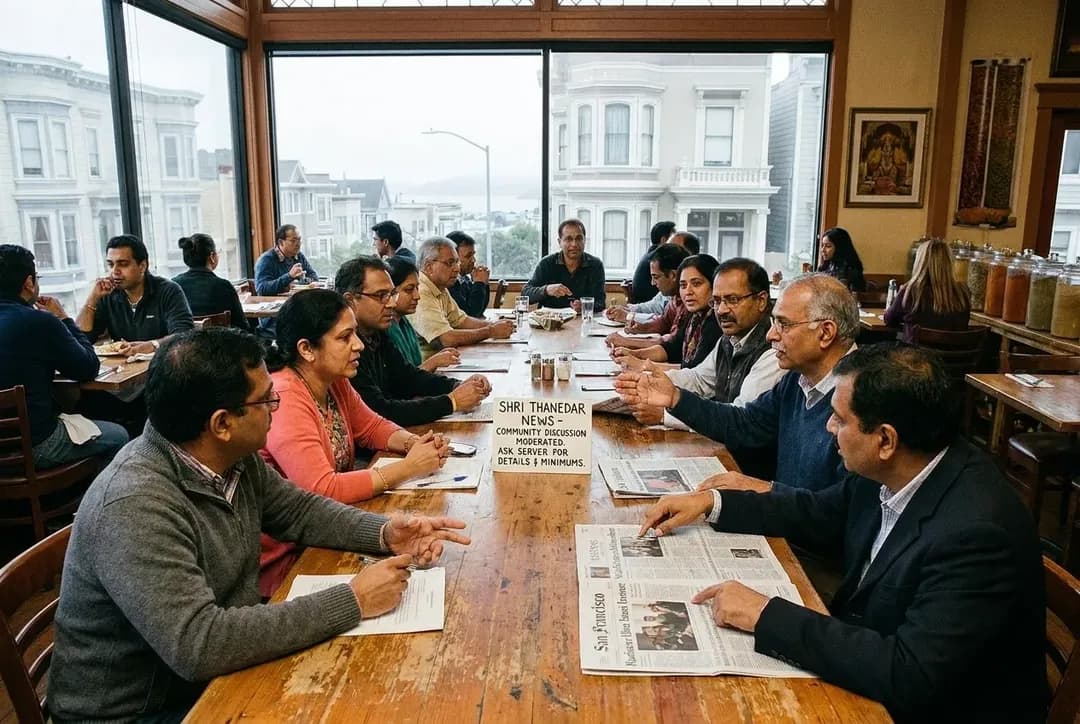
Shri Thanedar Congressional News: SF Indian Restaurants With Political Discussion Tables
San Francisco's Indian dining spots occasionally host informal political conversations when South Asian representatives like Shri Thanedar make national headlines. Community tables offer a welcoming space for friends to share meals and beginner-level civic dialogue.
When South Asian political figures such as shri thanedar appear in congressional news cycles, some San Francisco Indian restaurants become informal gathering points for community members eager to discuss representation over weekend meals. These venues—often featuring communal seating arrangements—allow friend groups to combine dining with beginner-level political conversation in a relaxed atmosphere. The format suits diners who feel proud of South Asian visibility in national politics but may lack experience navigating civic discussions in public settings. Before arriving, confirm whether specific tables are reserved for open dialogue, whether volunteer moderators facilitate conversations, and if the restaurant enforces menu minimums during peak hours. This approach balances culinary enjoyment with the opportunity to engage thoughtfully on topics that matter to the community.
Text Karpo your group size, preferred SF Indian-food neighborhood, and whether you want facilitated discussion or casual conversation. We'll send three restaurants with community tables and Shri Thanedar discussion nights, plus one backup private-room option if communal seating is full.
Understanding Community Table Dynamics in Indian Dining Spaces
Community tables in Indian restaurants typically seat six to twelve diners who may not know one another beforehand, creating organic opportunities for conversation. When political news involving South Asian representatives circulates, restaurant staff sometimes designate one or two tables for guests interested in discussing current events while sharing appetizers or thali platters. The informal structure works well for those new to political dialogue because no prior expertise is expected—participants range from college students to longtime residents, all contributing perspectives shaped by personal experience rather than formal training.
Not every Indian restaurant in San Francisco offers this setup, and availability fluctuates based on weekend demand and staff capacity. Call ahead to ask whether the venue accommodates discussion-focused seating, how long tables remain available, and whether reservations are accepted for groups. Some establishments rotate community table access by week, while others activate the format only when major legislative news breaks. Knowing these variables helps you plan a visit that aligns with your group's interest in blending food and conversation without arriving to find standard two-tops only.
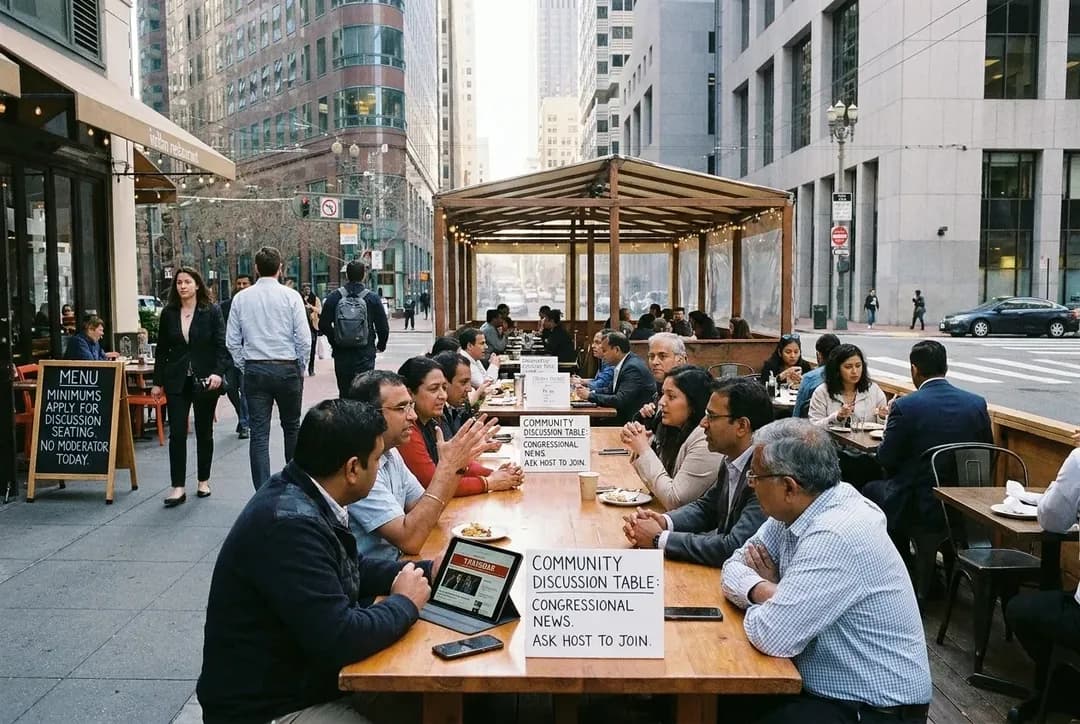
Confirming Moderator Presence and Discussion Guidelines
A handful of restaurants partner with local civic organizations to provide volunteer moderators during designated discussion evenings, ensuring conversations remain respectful and accessible to beginners. Moderators typically introduce a broad topic—such as representation in Congress or immigration policy—then invite diners to share thoughts in rotating turns. This structure prevents any single voice from dominating and helps participants who feel uncertain about jumping into political debate. If your friend group values guided dialogue, ask whether a moderator will be present and what their background entails, since facilitation styles vary from light prompts to structured question rounds.
When no moderator is scheduled, community tables operate on an honor system: diners self-regulate tone, listen actively, and agree to disagree without hostility. For groups new to political discussion, this unmoderated format can feel liberating or overwhelming depending on table chemistry. Clarify your comfort level before committing, and consider attending with friends who share similar conversational goals. If the evening veers off course, you retain the option to finish your meal at a quieter table, though most participants report positive experiences rooted in mutual curiosity rather than confrontation.
Navigating Menu Minimums and Ordering Strategies
Restaurants that offer community table seating during weekend dinner service sometimes enforce menu minimums to ensure turnover and cover operational costs. Minimums typically range from one entrée per person to a set dollar amount, though specifics vary by venue and are not publicly standardized. Before sitting down, ask the host or server about any spending requirements and whether sharing family-style dishes satisfies the policy. This transparency prevents awkward moments when the check arrives and ensures your group budgets appropriately for both food and the extended conversation time you hope to enjoy.
Ordering strategy matters when balancing discussion with dining: heavier dishes like biryani or korma allow leisurely eating between talking points, while quick-service items such as dosas may rush the experience. If your group plans to stay for ninety minutes or more, consider appetizers that arrive in waves—samosas, pakoras, paneer tikka—so the table remains active without requiring constant attention to plated meals. Confirm whether the kitchen accommodates dietary restrictions, since inclusive menus help every friend feel welcome and engaged rather than sidelined by limited options.
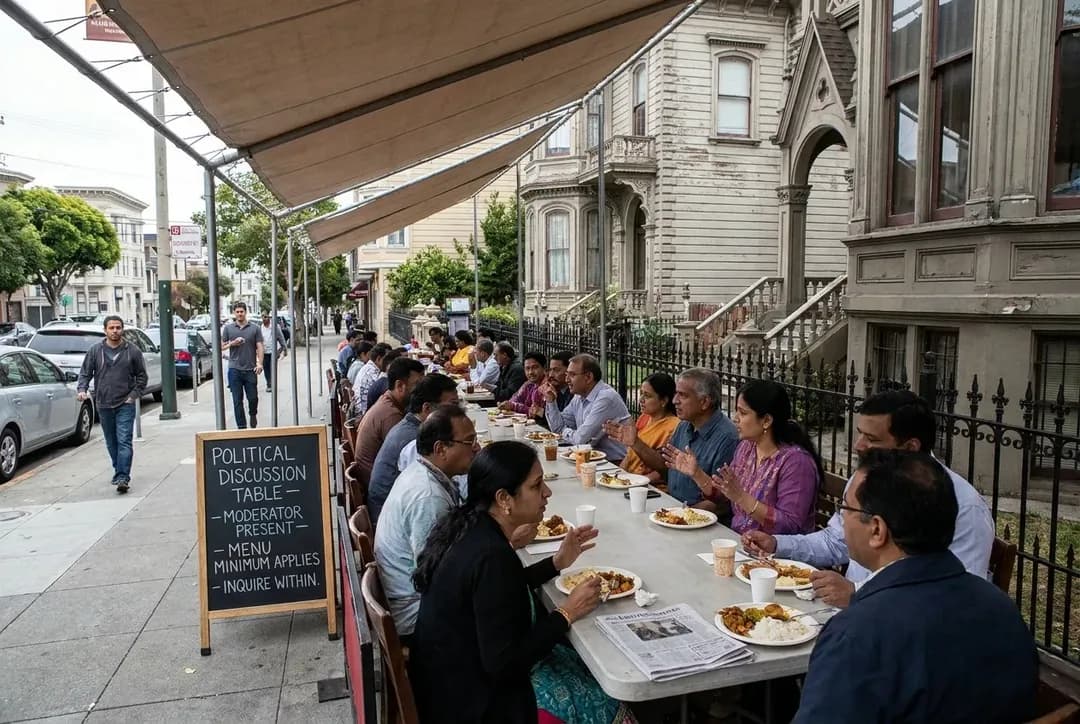
Getting to Indian Restaurant Clusters via Public Transit
San Francisco's Indian dining establishments concentrate in neighborhoods well-served by Muni transit, making weekend visits feasible without a car. According to the SFMTA, riders can use the trip planner at SFMTA.com/Go to map routes from their starting location to restaurant districts, choosing between bus lines, the T Third light rail, or walking connections. The system operates seven days a week, with weekend schedules offering frequent service to areas like the Mission, Richmond, and Sunset, where many South Asian eateries operate. Checking real-time updates before departure helps you avoid delays and coordinate arrival times with friends traveling from different parts of the city.
For groups meeting directly at a restaurant, agree on a nearby Muni stop as a rendezvous point rather than the venue's front door, since some addresses sit mid-block or share entrances with adjacent businesses. Walking from the stop also gives latecomers a buffer to catch up without disrupting an ongoing discussion at the community table. If your party includes members with mobility considerations, review accessibility information on the SFMTA site to confirm whether your chosen route accommodates wheelchairs or other assistive devices, ensuring everyone participates fully in both the journey and the evening's conversation.
Who This Experience Suits and What to Expect
This dining-and-discussion format appeals most to South Asian community members who feel energized by political representation and want to process that pride alongside peers. Friend groups work better than solo diners or couples seeking intimate meals, since the communal table thrives on multiple voices and spontaneous exchanges. Beginners to political conversation benefit from the low-stakes environment—no one expects policy papers or debate-team rhetoric, just honest reactions to news that affects the community. If your group includes members with varying levels of civic engagement, the mix often enriches dialogue rather than hindering it, as long as everyone commits to listening as much as speaking.
Expect the evening to unfold unevenly: some moments buzz with animated agreement, others slow to thoughtful pauses as diners consider unfamiliar viewpoints. The restaurant's ambient noise—clattering dishes, background music, neighboring tables—creates a buffer that makes political talk feel less formal than a library meeting room or community center panel. You may leave with new contacts, reading recommendations, or simply a renewed sense of connection to others navigating similar questions about representation and identity. The experience rarely provides definitive answers but offers something equally valuable: a shared space where food and civic curiosity coexist without pressure to perform expertise you do not yet possess.
Tags: #Indianrestaurants #communitytables #politicaldiscussion #SouthAsiancommunity #weekenddining #SanFrancisconightlife #civicengagement #Munitransit #groupdining #beginnerpolitics
Sources consulted: Source 1: sf.gov · Source 2: sfmta.com · Source 3: sfpl.org · Source 4: sf.gov
Please drink responsibly. Must be of legal drinking age.
All trademarks are the property of their respective owners.
Ask Karpo first
Ask Karpo to turn this San Francisco idea into a current plan for your date, budget, companion, transit preference, and energy level. Karpo can narrow the route and flag what to verify before you go.
Ask Karpo for more information.
Keep reading
- Mission Concerts: The Valencia Room's Pulsating Beat on Valencia Street
 Happy Hour Near Me in Union Square: Pacific Cocktail Haven’s Inventive Elixirs
 Bourbon & Branch Tenderloin: Happy Hour Near Me, a Speakeasy Sanctuary