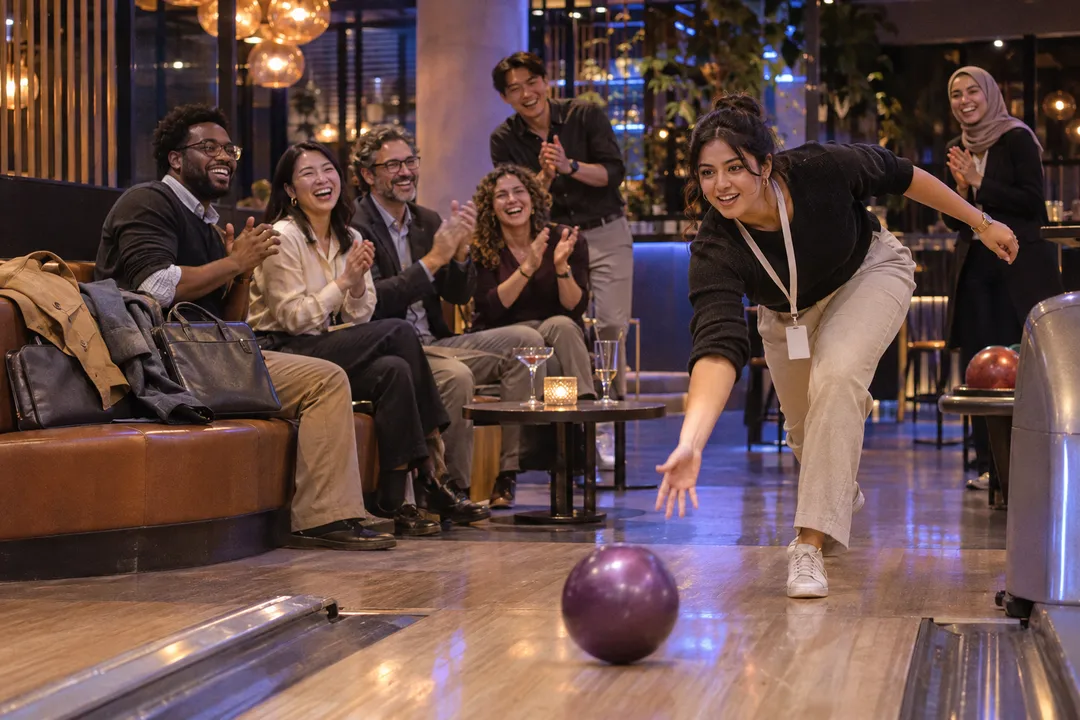
 SoMa Bowling Group Night Planner to Welcome New Hires
Sports Social

Mission Women Only Fitness Studio: 6 AM Lifting Routines
Mission District athletes can map boutique strength spaces near Valencia Street. Compare private barbell racks, small group circuits, and BART transit access.
Locating a dedicated women-only fitness studio across San Francisco's Mission District gives neighborhood athletes an empowering space to pursue serious strength and conditioning goals without typical commercial gym distractions. Stretching from the historic 16th Street transit hub down to the bustling 24th Street corridor, this culturally vibrant enclave is home to converted warehouse lofts, natural light-filled movement rooms, and boutique barbell facilities. Navigating these private athletic environments requires understanding local class scheduling, transit proximity, and coaching methodologies. Utilizing the Karpo APP to explore walking routes, check facility amenities, and coordinate workout windows helps lifters establish a focused, sustainable weekly training routine in the heart of the city.
Evaluating Studio Layouts Along Valencia And 18th Street
The architectural character of the Mission District shapes the physical layout of its boutique fitness destinations. Many private training studios occupy preserved timber-frame lofts and former industrial printing warehouses situated along Valencia, Guerrero, and 18th Streets. These spacious footprints feature lofty ceiling clearances, exposed brick accents, and resilient commercial rubber subfloors that safely accommodate heavy deadlifts and dynamic kettlebell work. Wide open floor configurations allow personal trainers and class leaders to maintain clear sightlines across all lifting stations, ensuring athletes receive prompt coaching cues while preserving ample personal buffer zones during high-intensity intervals.
Ventilation and natural lighting remain critical considerations when choosing an indoor athletic space. Studios positioned along sunny east-west corridors often incorporate operable skylights and expansive street-facing windows that circulate coastal breezes during warm afternoon sessions. High-efficiency particulate air filtration systems actively purify indoor air throughout peak evening training hours, eliminating stale odors and airborne dust. Inquiring about specialized acoustic dampening panels helps identify facilities that keep background noise controlled, fostering an undisturbed environment where members concentrate on breath mechanics, barbell timing, and precise movement execution.
Optimizing Morning And Evening Training Timetables
Structuring a dependable workout schedule in the Mission requires careful alignment with regional transit flows and class caps. Early morning sessions kicking off at 6:00 AM or 7:00 AM cater specifically to downtown tech professionals and medical workers commuting toward the Financial District or Mission Bay. These dawn workouts emphasize structured strength cycles, barbell fundamentals, and nervous system priming before daily work obligations begin. Because boutique spaces deliberately cap participant rosters to ten or twelve athletes per time slot, reserving slots via the digital app several days in advance prevents unexpected scheduling bottlenecks.
Midday training periods between 11:30 AM and 1:30 PM offer an unhurried atmosphere for hybrid employees and neighborhood freelancers working from home near Dolores Street. During these sunny hours, open floor access allows self-directed athletes to progress through extended joint mobility protocols, tempo squat variations, and core stability drills without waiting for unoccupied racks. Evening training blocks starting after 5:30 PM shift focus toward energetic metabolic circuits and athletic conditioning. Studios with straightforward check-in kiosks and strict class start times ensure that each evening session begins promptly, maximizing every training minute.

Hardware Standards And Progressive Resistance Ratios
Technical progression in resistance training depends on accessing high-grade lifting equipment built to exact biomechanical tolerances. Premium women-focused facilities equip their stations with twenty-five-millimeter Olympic barbells, which provide an optimal shaft diameter for lifters with smaller hands tackling cleans, snatches, and heavy pulls. A complete inventory of cast-iron and competition kettlebells ranging from eight kilograms to thirty-two kilograms enables smooth load increments across functional lunges, Turkish get-ups, and single-arm presses. Verifying that bumper plates, safety spotter arms, and pull-up attachments receive daily maintenance guarantees safety during maximal effort sets.
Coaching ratios in boutique strength groups should never surpass an eight-to-one athlete-to-instructor proportion. Close oversight guarantees that coaches actively observe spine neutrality, hip hinge mechanics, and ankle dorsiflexion under load. Certified strength specialists provide constructive, tactile adjustments rather than generic cheerleading, creating an inclusive educational platform where beginners build confidence beside experienced powerlifters. This intentional coaching format prevents chronic overuse injuries, fosters balanced structural muscular adaptations, and accelerates steady athletic growth across every phase of the lifting year.
Transit Proximity To 16th And 24th Street BART Hubs
Urban accessibility forms a major pillar of sustained training compliance in San Francisco. Facilities located within a five-minute walk of the 16th Street Mission or 24th Street Mission BART stations offer effortless connections for cross-bay commuters traveling from Oakland or Berkeley, as well as riders coming north from Daly City. Frequent Muni bus corridors along Mission Street, including the 14 and 49 rapid lines, run every few minutes, providing reliable surface transportation on rainy winter mornings when cycling across the city is less appealing.
Studio amenities such as secure indoor bicycle racks, private changing rooms, and keyless digital storage lockers streamline the daily transition between athletic gear and workplace attire. Full-service shower suites equipped with rapid hot water delivery, high-velocity hair dryers, and botanical skincare products remove post-workout friction for busy commuters heading directly to the office. Selecting a facility located along designated cycling routes like Valencia Street allows athletes to pedal to early morning sessions with peace of mind, knowing their bikes are stored safely indoors during class.
Active Recovery Routes Around Mission Dolores Park
A well-rounded athletic regimen includes deliberate low-intensity active recovery outside the studio walls. Following an intensive lower-body lifting workout, heading west toward Mission Dolores Park provides a scenic, restorative outdoor environment. Walking the gentle sloping perimeter paths along 18th Street and Church Street encourages venous blood return, clears cellular metabolic waste, and gently unwinds tight hip flexors. Spending twenty minutes in light aerobic locomotion while taking in iconic views of the downtown skyline helps athletes decompress mentally and physically after demanding barbell work.
Nutrition refueling options situated within short walking distance of local studio corridors supply balanced macronutrients essential for cellular muscle repair. Athletes can pick up nutrient-dense seasonal salads, cold-pressed vegetable tonics, and organic grain bowls from sustainable grocers clustered near Guerrero and 20th Streets. Taking time to sit outdoors under the palm trees of Dolores Park allows the central nervous system to shift smoothly from sympathetic exertion into parasympathetic rest. Pairing rigorous indoor resistance work with peaceful neighborhood park strolls establishes a healthy, long-lasting wellness rhythm.
Community Culture And Onboarding Etiquette
Joining a boutique athletic collective involves adopting clear floor etiquette and shared studio courtesies. First-time visitors should arrive ten minutes prior to class start to introduce themselves to the coaching staff, review movement history or pre-existing injuries, and get acquainted with equipment locations. Cleaning chalk dust from barbell knurling, stripping bumper plates after finishing working sets, and sanitizing vinyl benches with eco-friendly disinfectant wipes reflect mutual respect among training partners. These considerate habits preserve clean, welcoming platform spaces for everyone throughout the daily training schedule.
The collective community culture cultivated within female-centric training facilities encourages authentic camaraderie and mutual athletic accountability. Regular workshop series focusing on breathwork, barbell mechanics, and hormonal training balance deepen technical knowledge beyond regular workout blocks. Whether training alongside competitive athletes or newcomers mastering their very first deadlift, members experience an uplifting, non-judgmental atmosphere that celebrates personal milestones and consistent dedication. Integrating these community values ensures your athletic journey in the Mission District remains deeply fulfilling and sustainable over the long term.
Ask Karpo for more information.
Keep reading
- SoMa Bowling Group Night Planner to Welcome New Hires
 Lower Haight Bowling Group Night Planner for Kitchen Crews
 Bernal Heights Bowling Group Night Planner for Parents Out