The default assumption about wine in the Bay Area is that tasting means a car, an hour on the freeway, a designated driver and a day gone. That is one option. The other is that San Francisco has actual working wineries inside its own boundaries — fruit trucked in from the growing regions, crushed, fermented and aged in warehouses on the eastern edge of the city, with a tasting bar in the same room as the barrels. The Dogpatch and the surrounding industrial blocks are the centre of it.
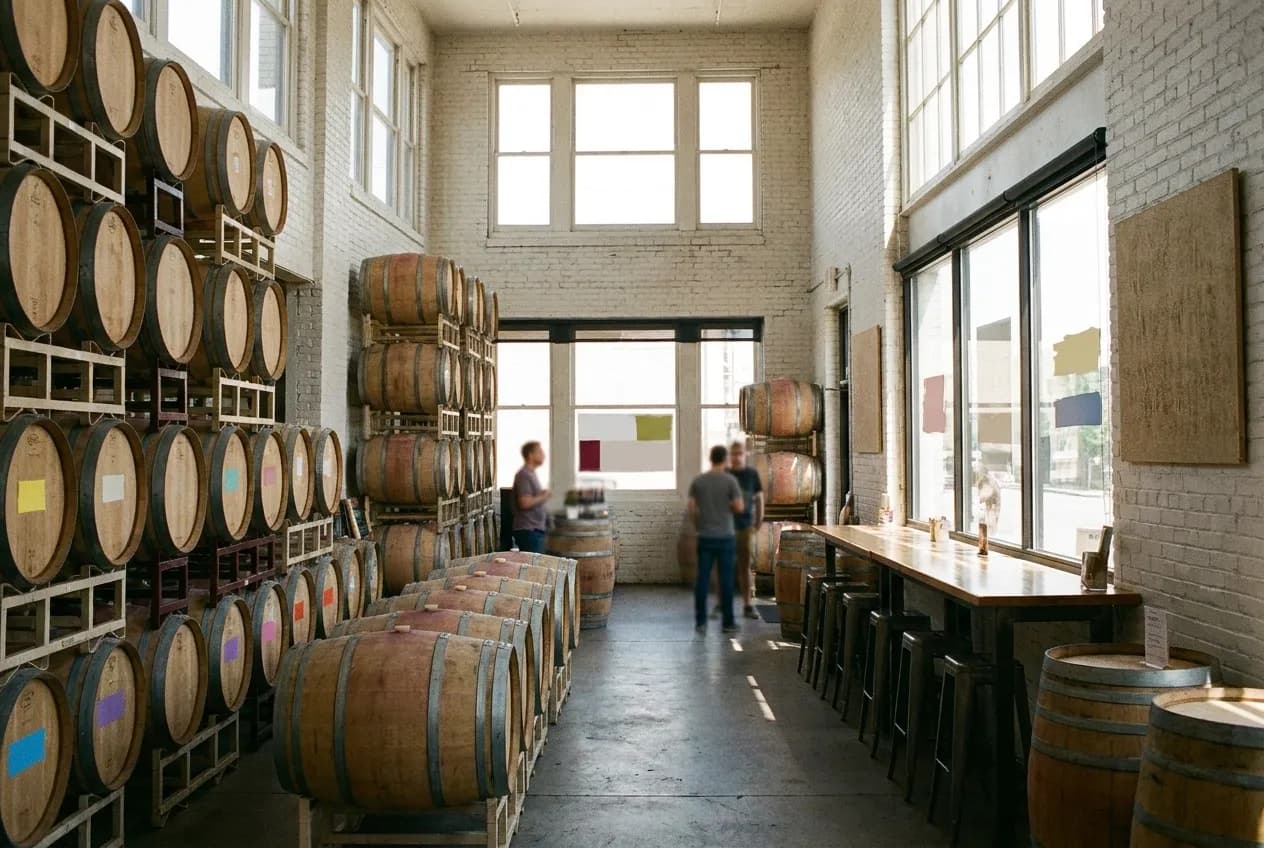
Barrels, crush pad and a tasting bar, no freeway required. Ask Karpo which urban winery near you is pouring this weekend.
What an urban winery actually is
It is a production facility with a public bar, not a bar with a wine theme. The grapes come from vineyards in Sonoma, Napa, the Sierra foothills or further afield, arrive in the city during harvest, and are made into wine on site. When you taste, the tanks and barrels are twenty feet away, and the person pouring is frequently the person who made it — which is a very different conversation from the one you get at a large wine country tasting room with a script.
Several of these operations are custom-crush facilities hosting multiple small labels under one roof, which means a single visit can cover four or five completely different producers. That is genuinely hard to replicate in wine country without a full day and a driver.
Opening days, which are the main constraint
This is the thing that catches people. Urban wineries are production facilities first, so the tasting room is frequently open only Thursday to Sunday, sometimes only at weekends, and sometimes by appointment. Turning up unannounced on a Tuesday afternoon means a locked roller door. Check the current hours on the winery's own site and book if a booking option exists, particularly for groups.
Harvest, roughly late August through October, is the exception worth planning around. During crush the facilities are working — fruit arriving, presses running, the whole building smelling of fermentation — and several run open days or extended hours specifically so people can see it. If you go once a year, go then.
What it costs, and the fee waiver
A tasting flight typically runs in the range of twenty to forty dollars for four or five pours, and a large majority of these places waive the fee, or part of it, against a bottle purchase. That is the standard arrangement and it changes the arithmetic considerably: if you were going to buy a bottle anyway, the tasting is close to free. Ask about it at the start rather than at the till, because the terms vary — some waive per person, some per party, some only on two bottles or more.
Prices for the bottles themselves are usually better than retail for the same wine, because you are buying at the door. For small-production labels this may also be the only place the wine is sold at all.
The neighbourhood around it
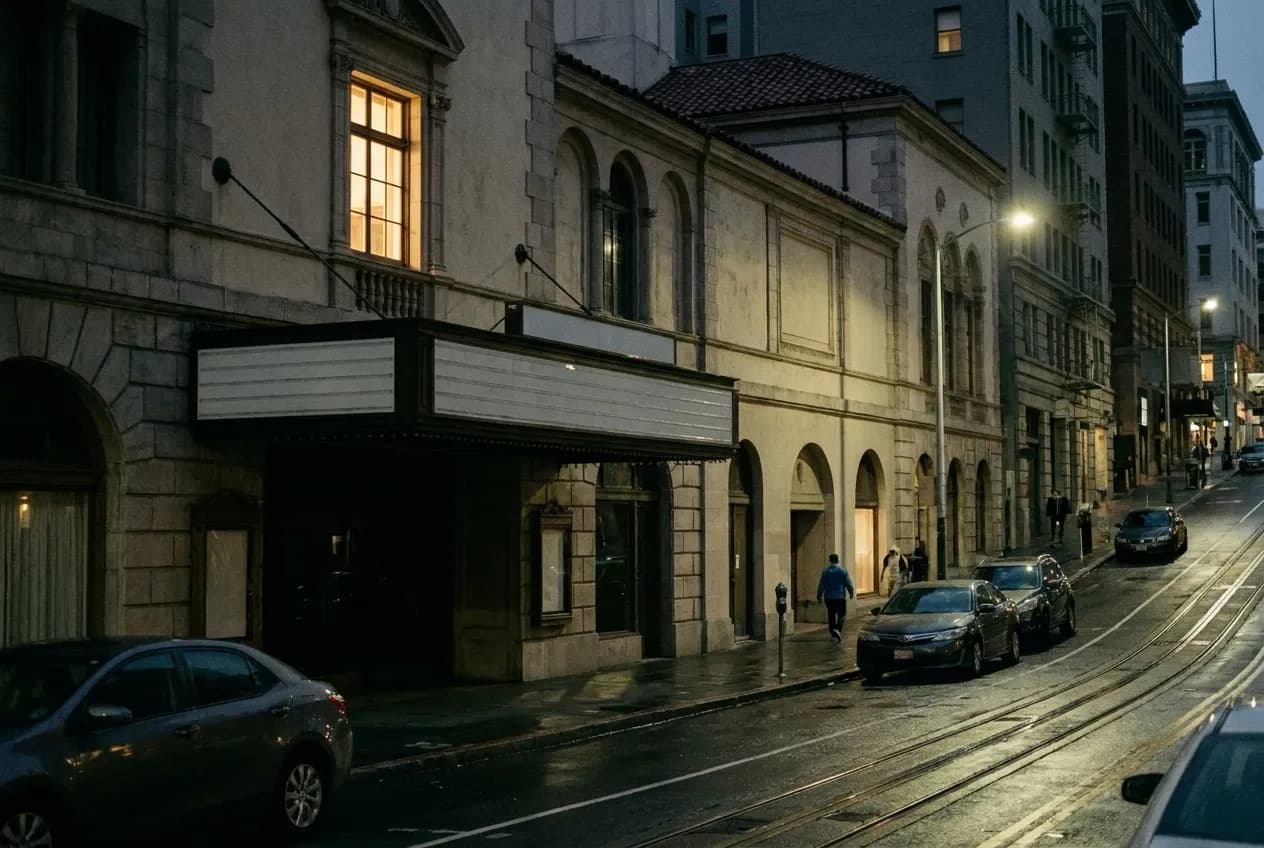
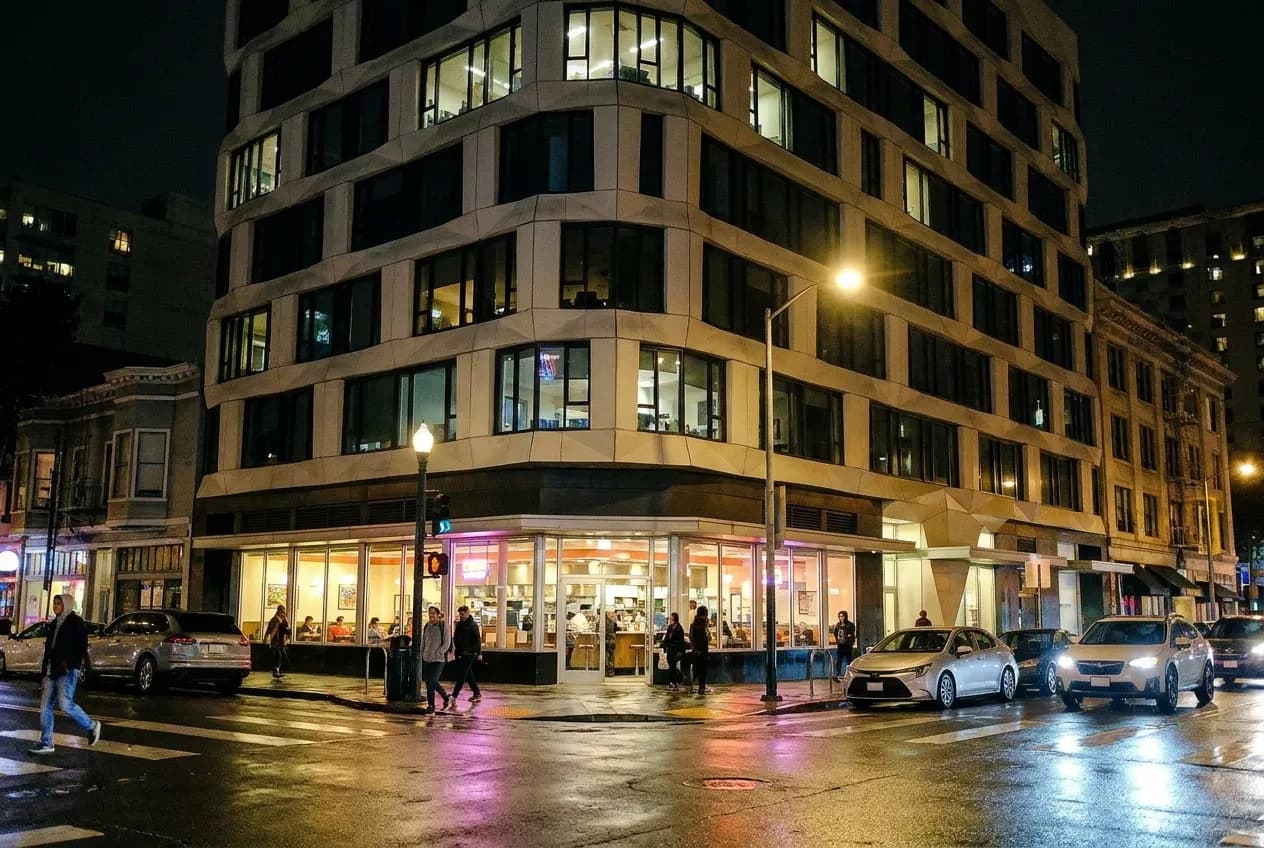
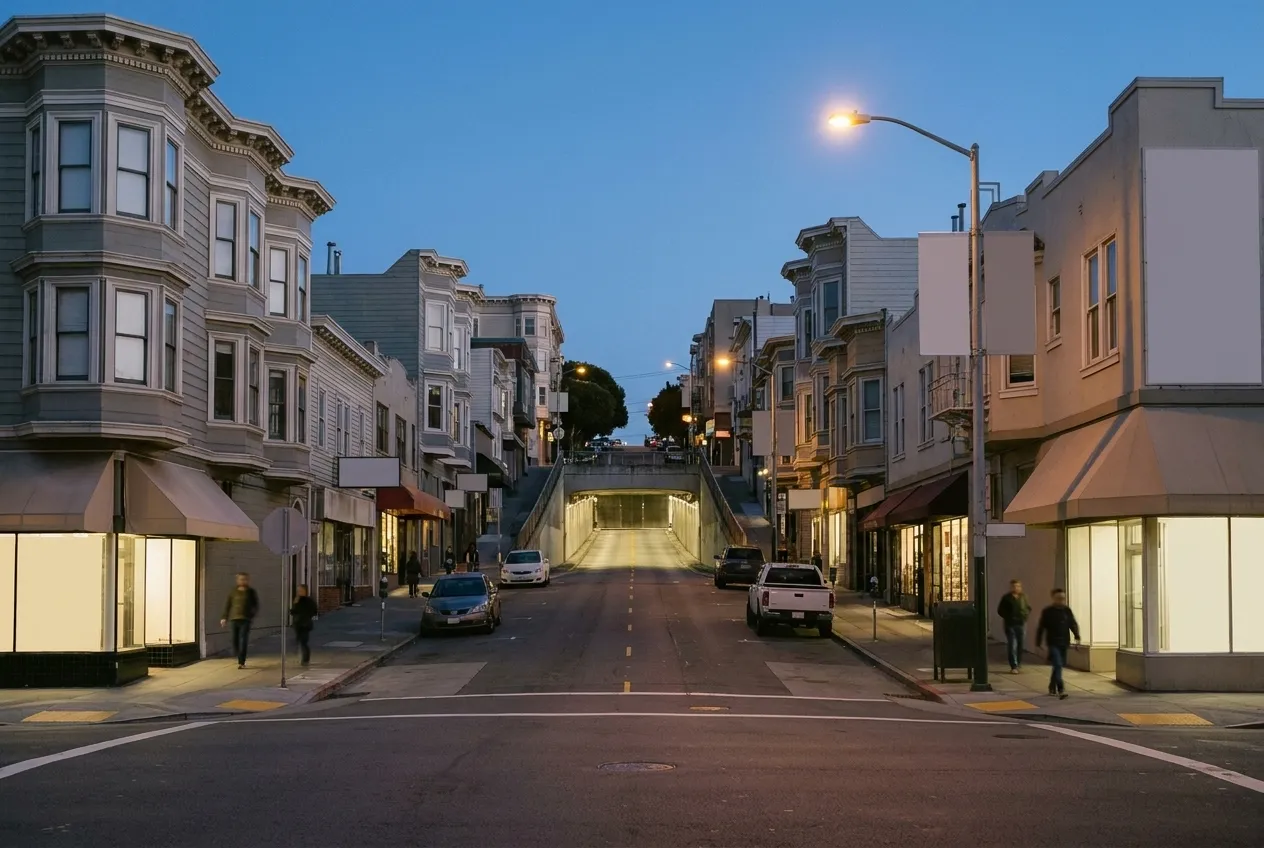
The Dogpatch is a former shipbuilding and industrial district that has become one of the more interesting corners of San Francisco: old brick warehouses, a couple of very good restaurants, a serious coffee scene, an art and design school presence and a long waterfront edge. It is flat, walkable and served by the light rail line running down Third Street, which makes it one of the easier parts of the city to reach without a car — the entire point when the activity involves drinking.
A sensible afternoon combines one winery, a walk along the waterfront and dinner in the neighbourhood, which is a much better use of a Saturday than most people's default plan and costs a fraction of a wine country day.
How it compares to driving north
Honestly: wine country has the landscape, the older estates and the depth of choice, and nothing in an industrial warehouse replicates standing in a vineyard. What the urban version gives you instead is access — no driver, no hour each way, no tasting appointments booked weeks ahead — and a much higher chance of talking to the person who made the wine. For an ordinary Saturday, that trade is a good one; for a special occasion, drive north.
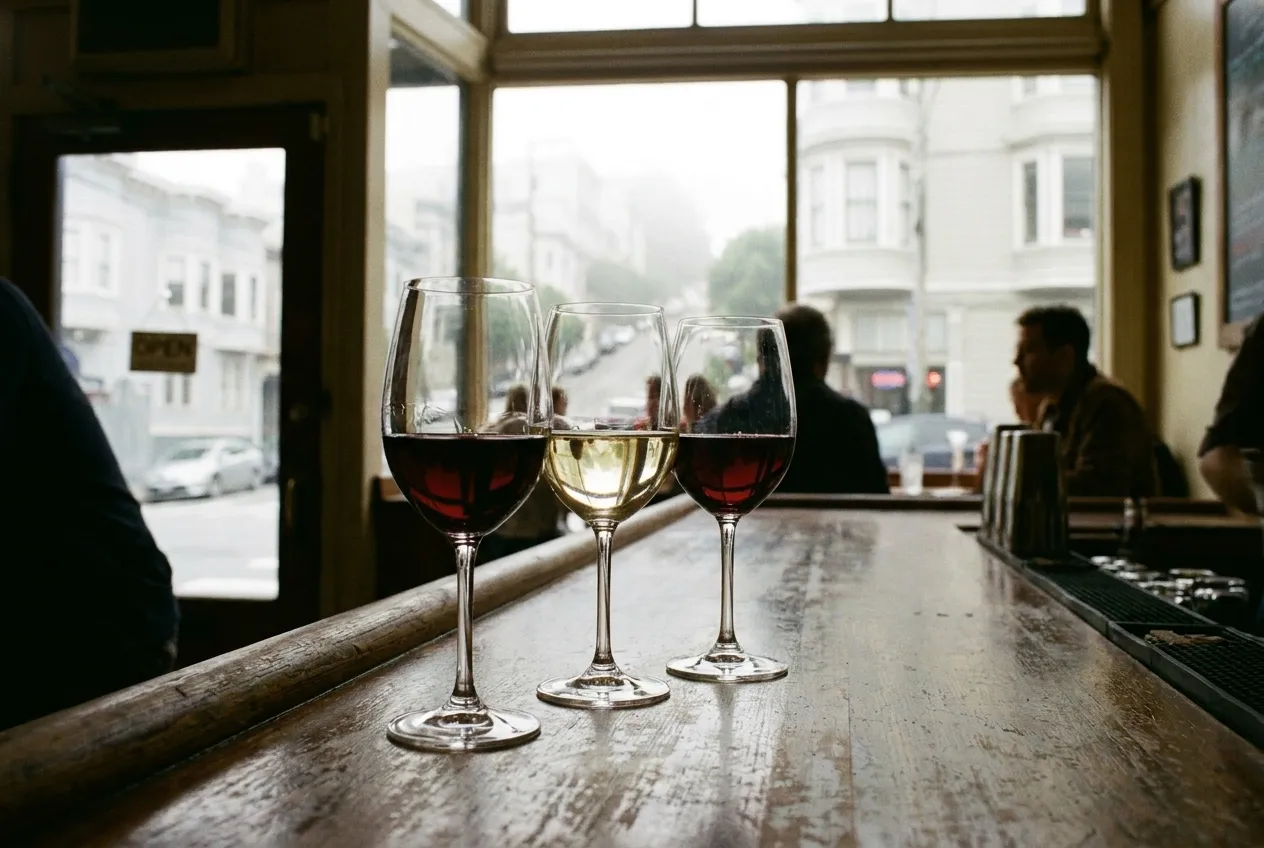
There is also a middle option in the city: wine bars with serious lists and by-the-glass programmes deep enough to function as a tasting. Several in the Mission, Hayes Valley and the Dogpatch itself will build you a flight if you ask, and they are open on the weekday evenings when the wineries are shut.
Practicalities
Take the light rail or a rideshare rather than driving. Eat first — flights are more generous than they look and warehouse tasting rooms rarely have proper food, though many allow you to bring some in or have a truck outside at weekends. Groups above six should always call ahead; these are small spaces and an unannounced party of ten will not be accommodated. And bring a jacket, because a concrete warehouse on the eastern waterfront is colder than the walk over suggested.
Tags: #WineTastingNearMe #Dogpatch #SanFrancisco #UrbanWinery #SFWine #BarsAndNightsOut #ThingsToDoSF #Harvest #SFNightlife #BayArea #WineBar #WeekendSF #ThirdStreet #SFDrinks
All trademarks are the property of their respective owners.
Ask Karpo first
Want to taste properly without leaving the city this weekend? Ask Karpo which urban wineries near you are open and whether they take walk-ins.