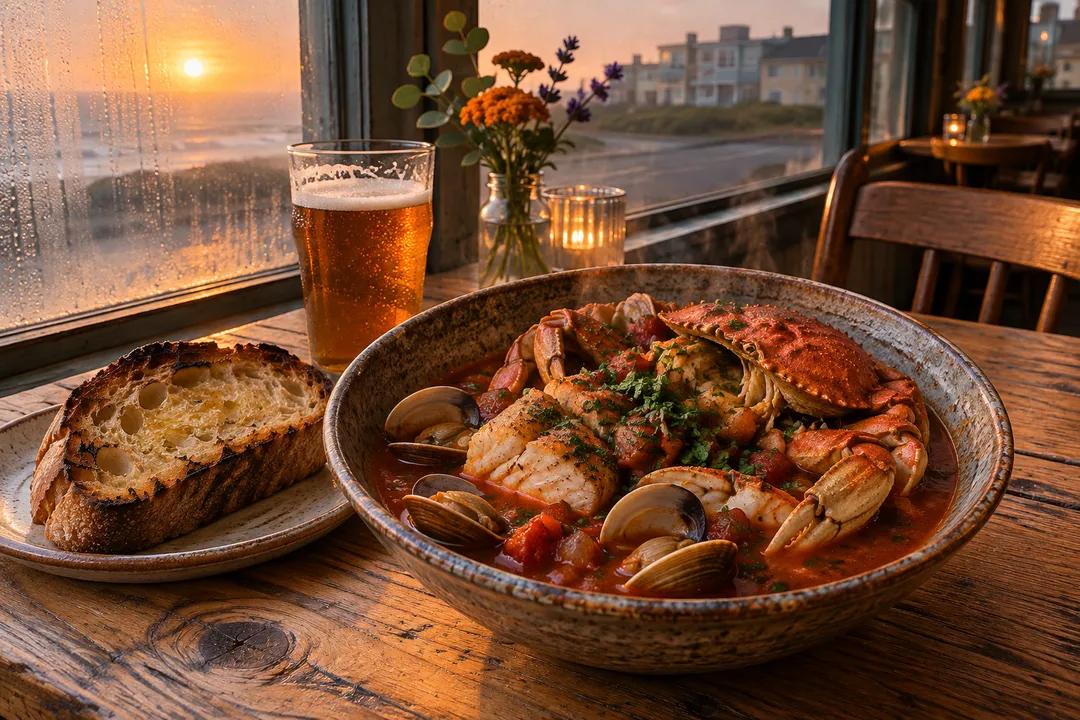
 Outer Sunset Cioppino Dinner Picker: Pots by Ocean Beach
Restaurants
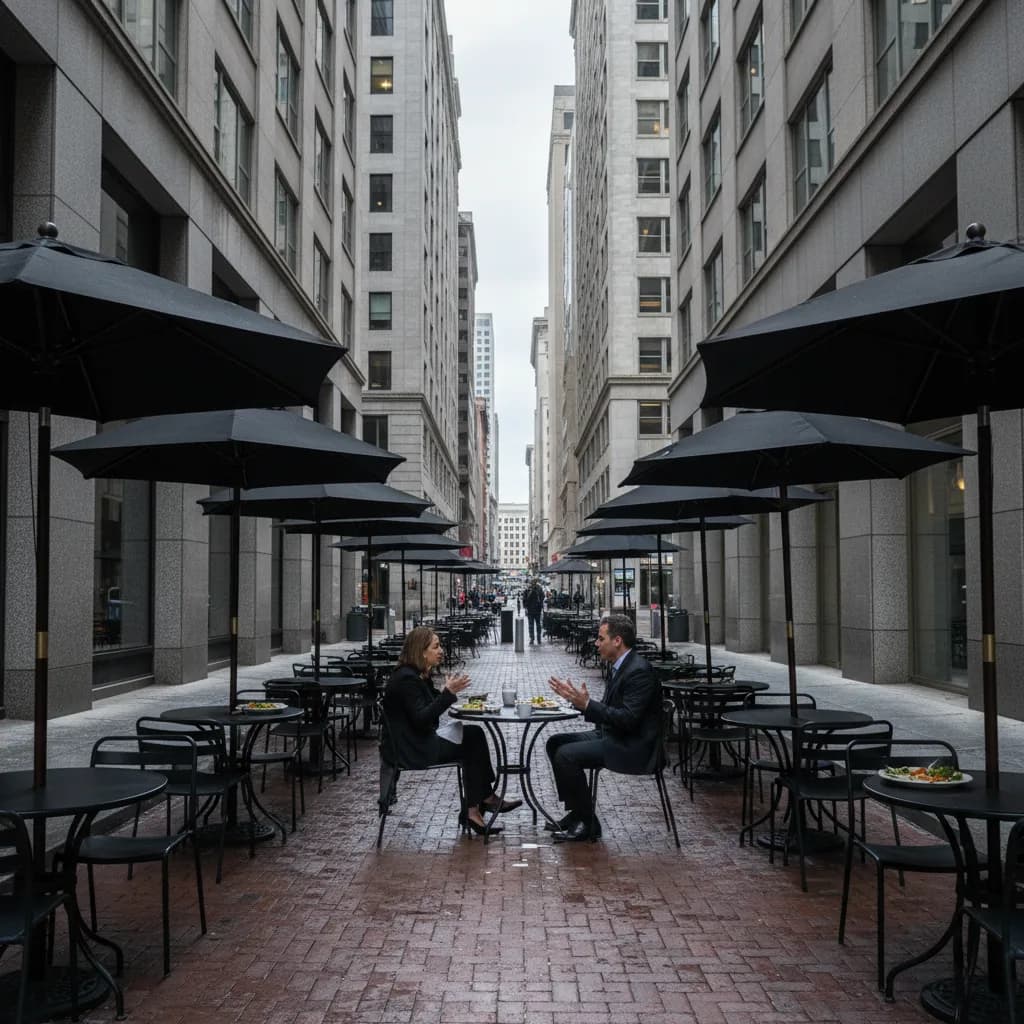
FiDi Weekday Lunch Meeting Spot Picker for Client Stakes
Pick a Financial District lunch table by what is at stake: alley terraces for first meetings, quiet back rooms for renewals, and a redwood walk to close.
A weekday lunch meeting in San Francisco's Financial District works best when you choose the room by what the hour has to accomplish, not by whatever is closest to the lobby. The streets between Montgomery, Kearny and the Embarcadero hold three very different kinds of tables: brick pedestrian alleys with terrace seating, hushed dining rooms built for bankers and lawyers, and quick counters that turn over before the elevator bank refills. This weekday lunch meeting spot picker sorts them by the stakes of the conversation.
Start With the Stakes, Then the Street
Before you search anything, write down the single outcome the lunch needs. A first handshake with a prospective client needs warmth and a little theatre, so the alley terraces do the work for you. A contract renewal or a difficult budget talk needs quiet and distance between tables, which points you indoors to a carpeted room with booths. A weekly sync with your own team needs speed above everything else. Once the outcome is clear, the right block of FiDi almost picks itself, and you stop circling the same three towers.
Then think about who is walking to meet you. Clients coming from the Ferry Building side have an easy stroll up Market or California, while anyone arriving on BART at Montgomery or Embarcadero surfaces right in the middle of the grid. Picking a room within a few minutes of their exit is a quiet courtesy, and it keeps the first five minutes of the meeting about the person rather than about the wind, the hills or the confusing tower entrances.

Alley Terraces for First Meetings
The narrow brick lanes tucked between the big buildings, Belden Place being the best known, feel like a small European street dropped into the canyon of offices. Tables spill out under umbrellas and strings of lights, waiters know the regulars by name, and the scale is human after a morning on the thirtieth floor. For a first meeting with someone you want to impress without trying too hard, this is the setting that does the talking. It reads as relaxed, local and confident.
The trade-off is privacy. Tables sit close, voices bounce off the brick, and a neighbouring party of six can swallow your conversation whole. Use the alley for rapport, not for numbers. Save the spreadsheet for a follow-up call, and if the lunch turns serious, suggest moving the second half of the talk to a quieter walk. Ask for a table at the far end of the lane, away from the street opening, where foot traffic thins and you can actually hear each other.
Back Rooms and Booths for Renewals and Hard Talks
FiDi still has the classic downtown dining room, the kind with white tablecloths, dark wood, servers in jackets and a steady murmur of deal talk. These rooms exist precisely because the neighbourhood has hosted bankers, insurers and law partners for well over a century, and the old San Francisco seafood grill tradition lives on here. When the meeting involves a renewal, a pricing change or a sensitive personnel topic, this is the right register. Booths give you a wall at your back and a natural buffer from the next table.
Reserve, and ask specifically for a booth or a corner rather than leaving it to chance. Arrive ten minutes early so you can choose the seat facing the room and give your guest the view. If you are the host, settle the bill quietly with the server before dessert so there is no awkward moment at the end. A good rule here is to order something easy to eat while talking, such as a grilled fish or a salad, rather than a dish that needs both hands and full attention.
Counters and Food Courts for Team Syncs
Internal lunches have a different job. Your team wants to eat, catch up and get back upstairs, so the polished rooms are overkill. The lower levels and plazas of the big office complexes hold food courts, salad bars, ramen counters and burrito spots where a group of five can grab trays and find a shared table without a reservation. These spaces get crowded right at the noon peak, when every tower empties at once, so the trick is timing rather than location.
Moving the team lunch to a slightly earlier or later slot is the single most useful habit in this part of town. Many people here keep East Coast market hours and break for lunch earlier than you might expect, which means the rush can start well before noon. Going after the first wave has cleared gives you a quieter table and a faster line. For a recurring weekly sync, pick one counter, become regulars, and let the staff start to recognise your group.
Finish the Meeting on a Walk
Some of the best FiDi conversations happen after the plates are cleared. Transamerica Redwood Park, the small grove of redwoods at the foot of the pyramid tower, is a calm spot for a ten-minute stroll that lets a decision settle. From there, Jackson Square sits just north, with its low brick buildings, antique dealers and design showrooms, a reminder of the city before the high-rises. A short loop through these blocks turns a sit-down lunch into a walking close.
Walking side by side changes the tone of a negotiation. It is easier to raise the one remaining concern, or to agree on next steps, when you are not staring across a table. If you have just finished a tense renewal talk in a booth, suggest the redwoods before heading back. If the meeting was a warm first introduction in an alley, a stroll toward Jackson Square gives you both a natural point to exchange cards and part ways.
Weather, Noise and Other FiDi Realities
San Francisco weather shapes every outdoor plan. The fog can roll in or the wind can whip down the street canyons between towers even on a bright morning, so an alley terrace that looked perfect at ten can feel chilly by one. Pick places with heaters or an indoor option, and mention to your guest that a light jacket will help. Clients flying in from warmer cities tend to underestimate this, and a thoughtful heads-up is noticed.
Noise is the other variable. Glass and stone interiors amplify every clatter, and the busiest spots can make a quiet talk almost impossible. When you scout a room, listen for carpet, curtains, booths and high ceilings with soft panels. Those details tell you more about whether you can close a deal over lunch than any menu does. For calls that need to happen during the meal, choose a table near a quiet corridor where you can step away for a moment.
How Karpo Helps You Pick the Table
Open the Karpo APP and describe the meeting in a sentence, for example a first client lunch for two near Montgomery that needs some character but still allows a real conversation. Karpo suggests nearby spots that fit that brief, and you can compare atmosphere, seating style and walking distance before you send the invite. It does not book tables for you, so once you have a shortlist, reserve directly with the restaurant.
Save your shortlist by meeting type. Keep one set for alley first meetings, one for quiet booth renewals and one for fast team syncs, so the next time a client calendar invite lands on short notice, you already know where to go. Over a few weeks, that small habit turns FiDi from a maze of identical lobbies into a set of reliable rooms, each matched to the kind of conversation you need to have.
Ask Karpo for more information.
Keep reading
- Outer Sunset Cioppino Dinner Picker: Pots by Ocean Beach
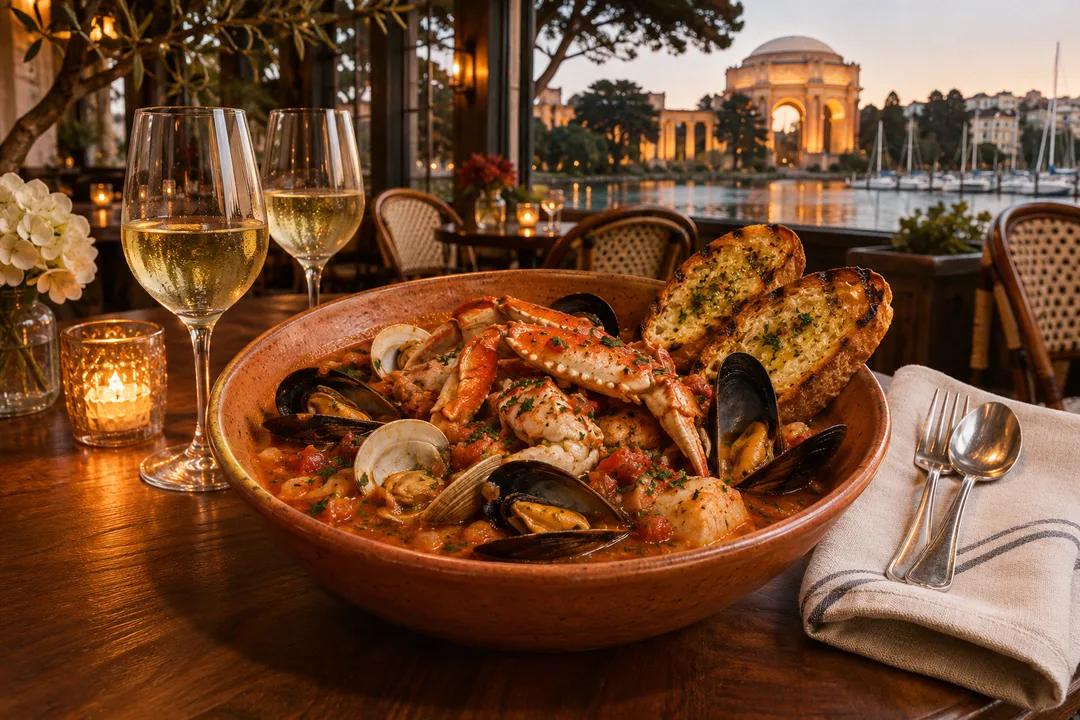 Marina Cioppino Dinner Picker: Bistros After Bay Walks
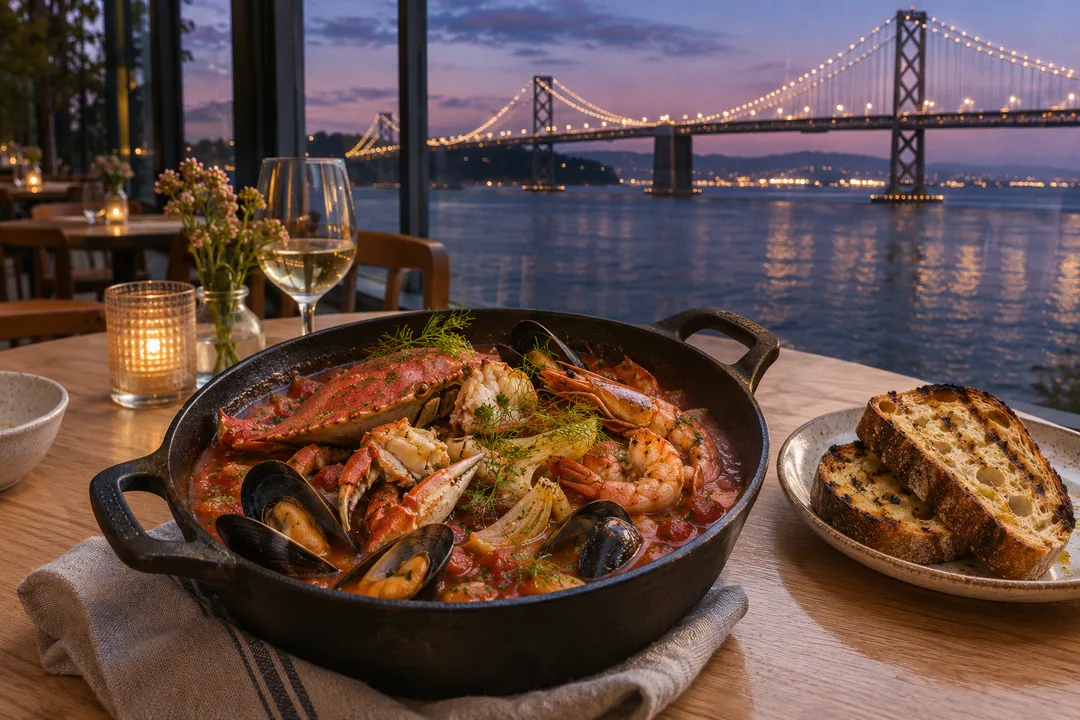 Embarcadero Cioppino Dinner Picker: Pots by the Bridge