 Inner Richmond Egg Tart Bakery Crawl: Clement Street Pastry
Coffee & Dessert
North Beach Tea Room Afternoon Picker for Gongfu Tea
Curious about gongfu tea near North Beach? Sit for a slow tasting where the cafe blocks meet Chinatown, buy a little loose leaf, then rest in Washington Square.
North Beach is famous for its espresso bars, Italian bakeries and literary history, but the neighborhood shares a border with Chinatown, and a few blocks can take you from tiny coffee cups to tiny tea cups. That edge is one of the best places in San Francisco to try gongfu tea, a slow Chinese way of brewing oolong and other teas in a small pot with many short steeps. This tea room afternoon picker is for curious drinkers who want to learn the ritual, with tips on how to sit for a tasting, how to talk to the person pouring, what to carry home and how to end the afternoon on a bench in Washington Square.
Two Cup Cultures on One Hill
For more than a century North Beach and Chinatown have lived side by side, each with its own way of slowing down. Italian families brought the espresso bar, where people stand at the counter and talk. Chinese families brought the tea shop, where people sit, pour and taste again and again.
Walking between the two in one afternoon is a small lesson in how cities mix. You can start with the smell of roasting coffee and pastries, cross a few streets and find yourself in a quiet room with the scent of roasted oolong and hot clay.
What Gongfu Tea Actually Is
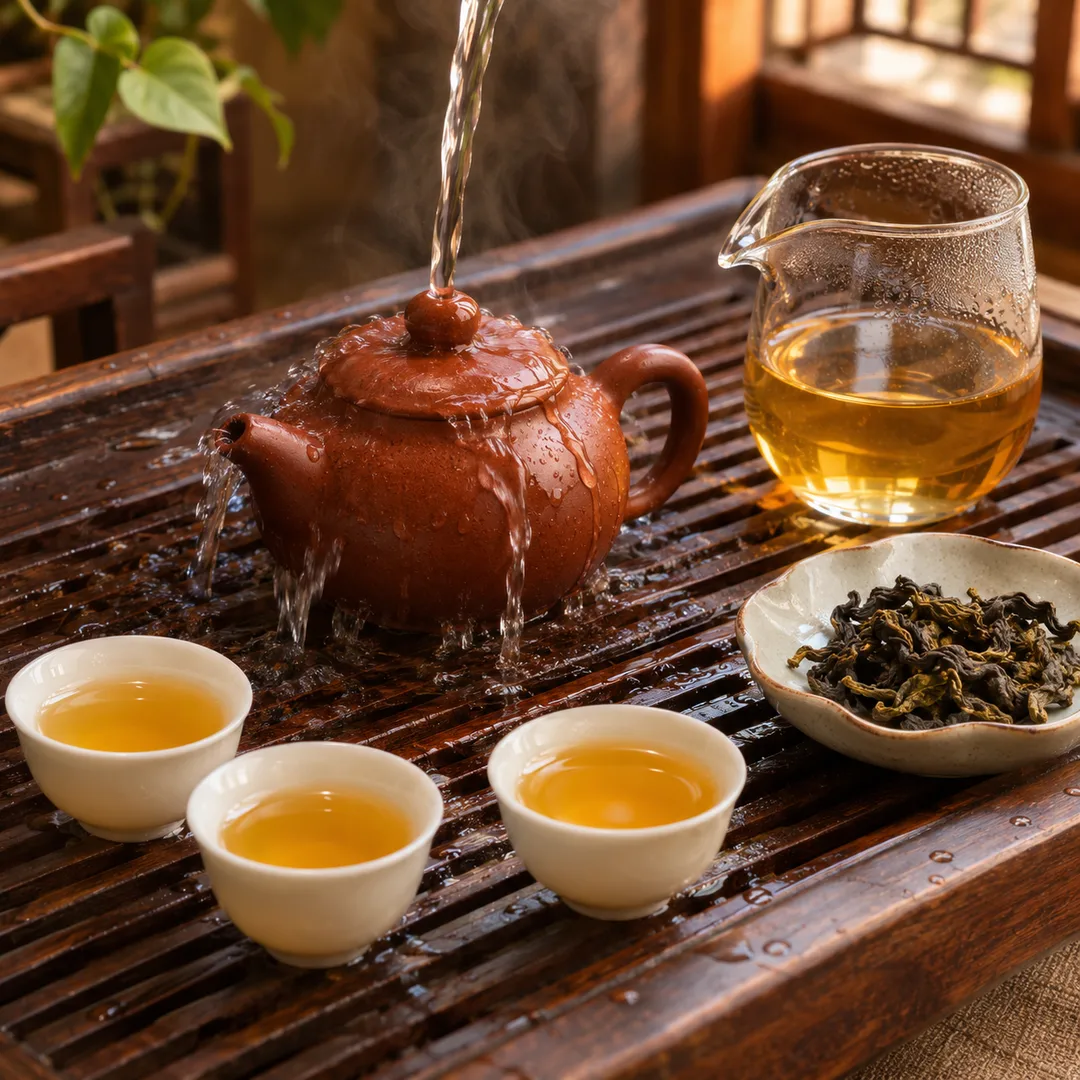
Gongfu tea means making tea with skill and care. Instead of a big mug that steeps for minutes, you use a small clay pot or lidded bowl packed with leaves and pour very short infusions of just seconds. Each round tastes a little different as the leaves open.
A single serving of leaves can last through many rounds. The first cups are often bright and floral, the middle ones are full and rich and the last are soft and sweet. Following that change is the real pleasure of the ritual.
Sit for a Tasting, Not a Takeaway
Some tea shops near the edge of Chinatown invite guests to sit at a tasting table while a staff member brews and pours. If you see an open table and people sipping from tiny cups, ask whether you can join a tasting. It is the best way to learn.
Plan to stay at least half an hour. A proper tasting cannot be rushed, and the conversation with the person pouring is part of the experience. Put your phone away and give the tea your attention.
How to Talk to the Person Pouring
You do not need any special words. Tell them what you usually drink and what you like, such as something floral, something toasty or something smooth, and let them choose. Experienced staff enjoy guiding newcomers and will often explain each tea as they pour.
Ask questions as you go. Where does this tea come from, why does it taste different in the third cup, how should I brew it at home? Good questions turn a tasting into a small class, and you will leave knowing far more than when you arrived.
Small Gestures at the Table
There are a few easy courtesies. Hold the tiny cup with two fingers and a thumb, sip in small mouthfuls and smell the empty cup between rounds, since the aroma often lingers. If someone refills your cup, a light tap on the table with two fingers is a traditional way to say thank you.
When you have had enough, leave a little tea in your cup or tell the pourer you are finished. They will know to stop, and you avoid an awkward moment of your cup being filled again and again.
Teas Worth Trying First
Oolong is the classic gongfu tea, and it comes in many styles. Lightly oxidized oolongs from Taiwan taste fresh and floral, while darker roasted styles from the Wuyi mountains in China are deep, mineral and toasty. Try one of each to feel the difference.
Pu-erh is another good choice for a cool afternoon. It is earthy and smooth, sometimes with notes of wood or dried fruit, and it holds up to many rounds. If you prefer something gentle, ask about white tea, which is soft and slightly sweet.
Carry Home a Small Bag
Most tea shops in this area also sell loose leaf, and buying a small bag of what you liked is the natural way to end a tasting. Start small. A little bag lets you practice at home without committing to a big tin of something you might not finish.
Ask for brewing notes: how much leaf, how hot the water and how long to steep. Write them on your phone before you leave. A cheap lidded bowl or small pot is enough to start, so there is no need to buy fancy tools on your first visit.
An Espresso First, If You Must
If you are with a coffee lover, start the afternoon at one of the old espresso bars in North Beach and save the tea for later. It makes a fun comparison and keeps everyone happy. Then walk toward Chinatown for the second half of the afternoon.
Skip a second coffee before the tasting, though. Too much caffeine makes it harder to notice the gentle flavors of tea, and gongfu sessions add up to quite a lot of caffeine on their own over many small cups.
A Last Pour in Washington Square
Washington Square Park sits at the heart of North Beach, with a wide lawn, cypress trees and the twin white towers of Saints Peter and Paul Church rising over it. It is a favorite resting place for neighbors, families and older residents practicing tai chi in the mornings.
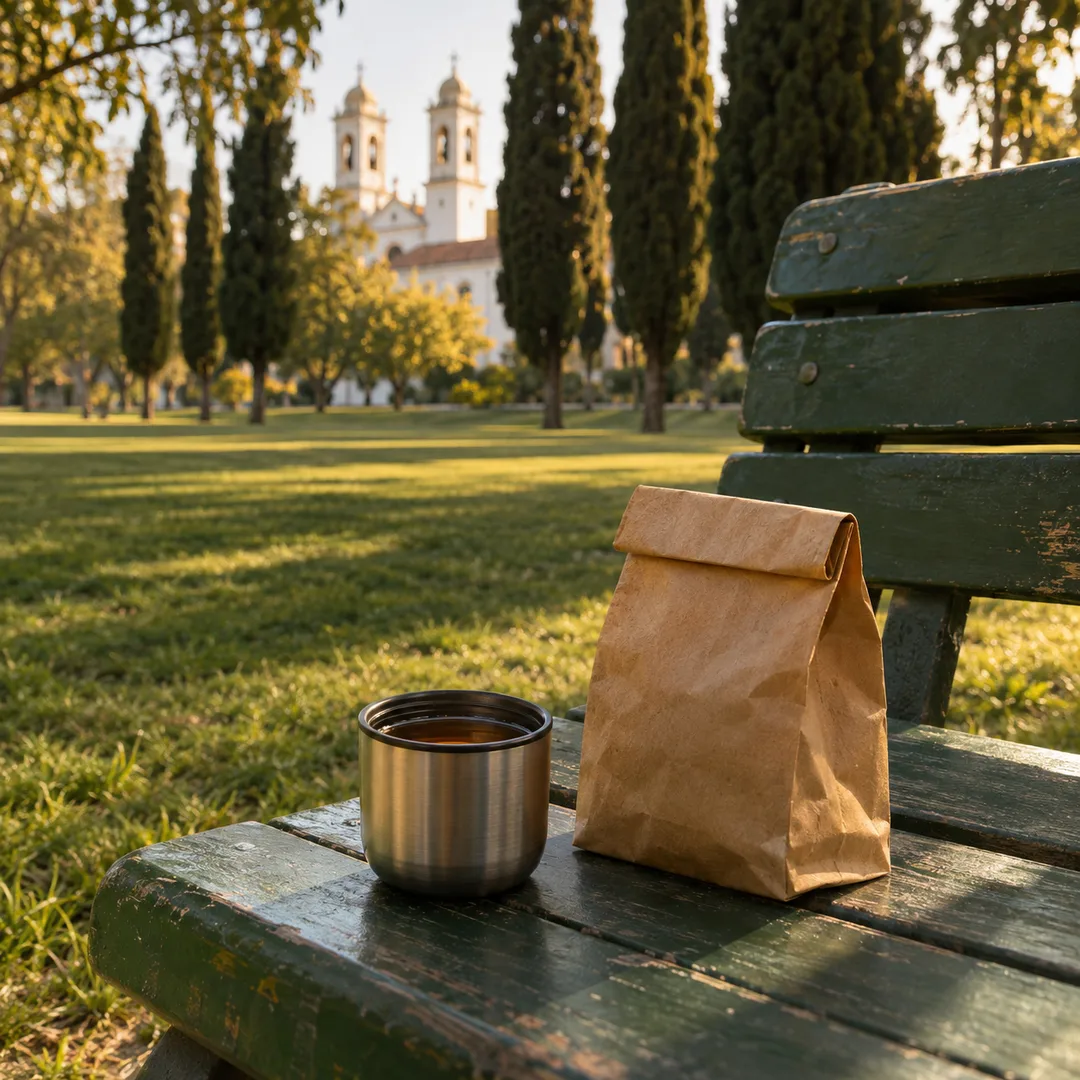
Fill a small thermos with your last brew, find a bench and watch the neighborhood pass by. The mix of languages, dogs, kids and church bells makes it a lovely place to close an afternoon that started in two different cup cultures.
Climb to Coit Tower if You Have Time
If you still have energy, walk up Telegraph Hill toward Coit Tower. The climb is steep but short, and the views over the bay and the city rooftops are wide on a clear day. The garden stairways on the east side are quiet and leafy.
Go before the light fades. In late autumn the sun sets early and the hill becomes windy and chilly. Wear sturdy shoes, take your time and let the tea in your thermos keep you warm on the way up.
Practical Notes
North Beach and Chinatown are easy to explore on foot, and several Muni bus lines and the cable cars run nearby. Parking is difficult, so public transit is the simplest choice. Tea shops here keep their own customs and rhythms, so watch how the room works when you arrive and follow the lead of the staff.
To plan the day, the Karpo APP can point you to tea shops, espresso bars and quiet benches around North Beach and Chinatown, so you can map out a slow afternoon of tasting and walking.
Ask Karpo for more information.
Keep reading
- Inner Richmond Egg Tart Bakery Crawl: Clement Street Pastry
 Portola Egg Tart Bakery Crawl: San Bruno Avenue Pastry
 Outer Sunset Egg Tart Bakery Crawl: Ocean Mist and Custard