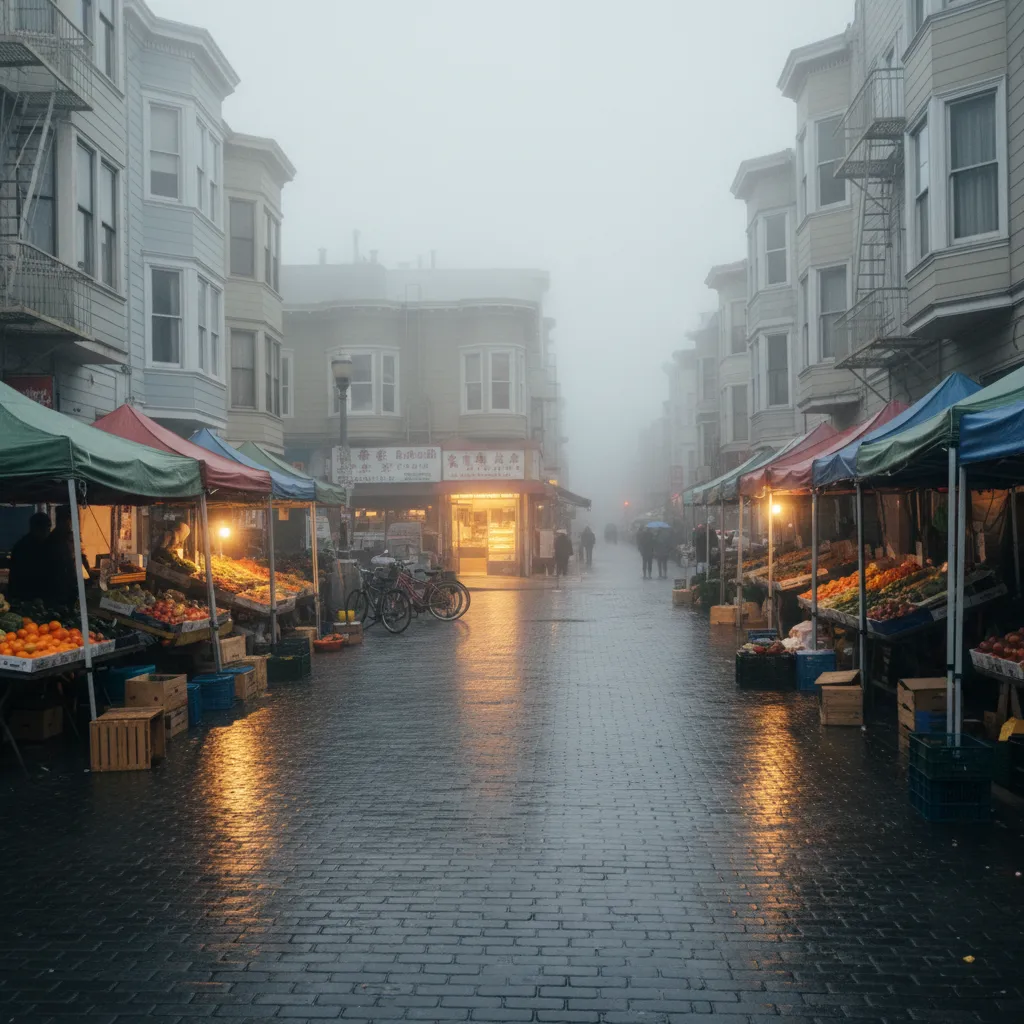
 Inner Richmond Egg Tart Bakery Crawl: Clement Street Pastry
Coffee & Dessert
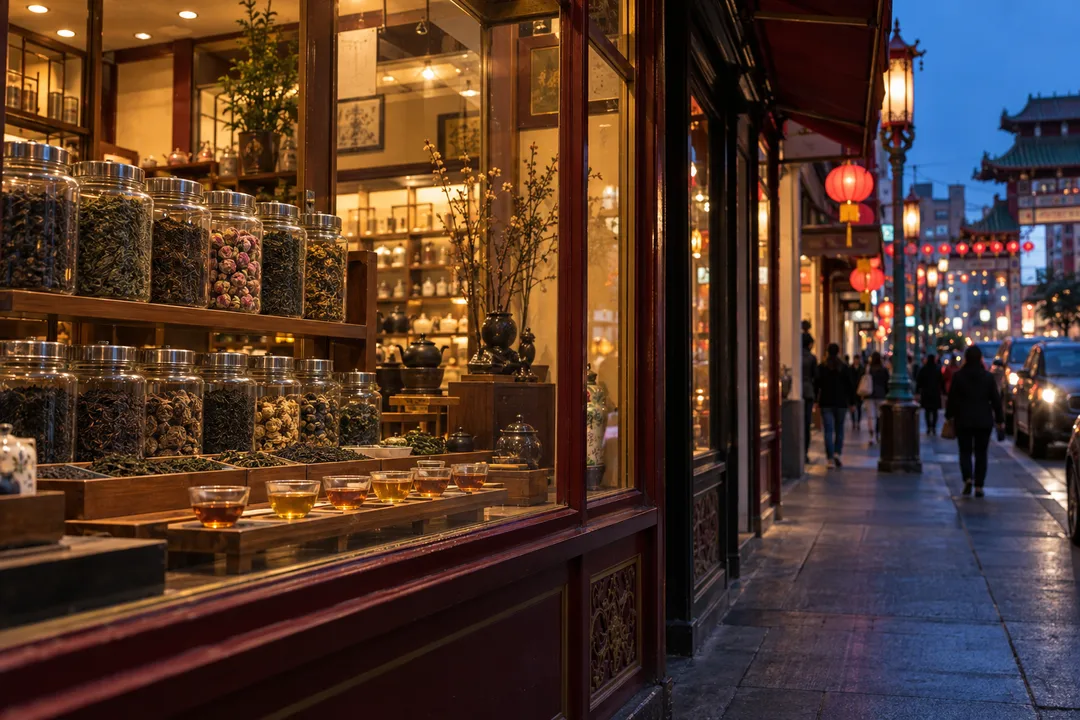
Vital Tea Boutique in Chinatown: Try Tea Before Buying
Vital Tea Leaf at 1044 Grant Avenue is a Chinatown tea boutique with staff-led sampling and loose-leaf jars. Come ready to compare aromas before buying.
Vital Tea Leaf is a useful answer when “tea boutique near me” means a place where you can smell, compare, and talk through a purchase instead of choosing a box from a shelf. The Chinatown shop at 1044 Grant Avenue has the energy of Grant Street around it, but the tea counter creates its own little pause. Jars, leaves, and brewed samples turn an unfamiliar tea name into something you can actually understand before carrying it home.
Use Grant Avenue as the Warm-Up
Vital Tea Leaf sits in the part of Chinatown where browsing is already a sensory activity. The street is full of food smells, bright packaging, and shop windows, so give yourself a few minutes outside before entering. That reset helps you notice what is happening inside: the fragrance of dry leaves, the color of a brewed sample, and the difference between a tea that announces itself immediately and one that grows quieter and deeper over several sips.
The storefront is a retail tea shop, not a formal appointment experience. That makes it friendly for first-time visitors, but it also rewards a little preparation. Know whether you want a morning tea, a digestif after a rich meal, a gift, or a leaf for a small pot. The staff can guide you more efficiently when the question is about use. “I want something floral that does not taste perfumed” is a better beginning than “What is popular?”
Ask for a Flight of Ideas, Not a Single Answer
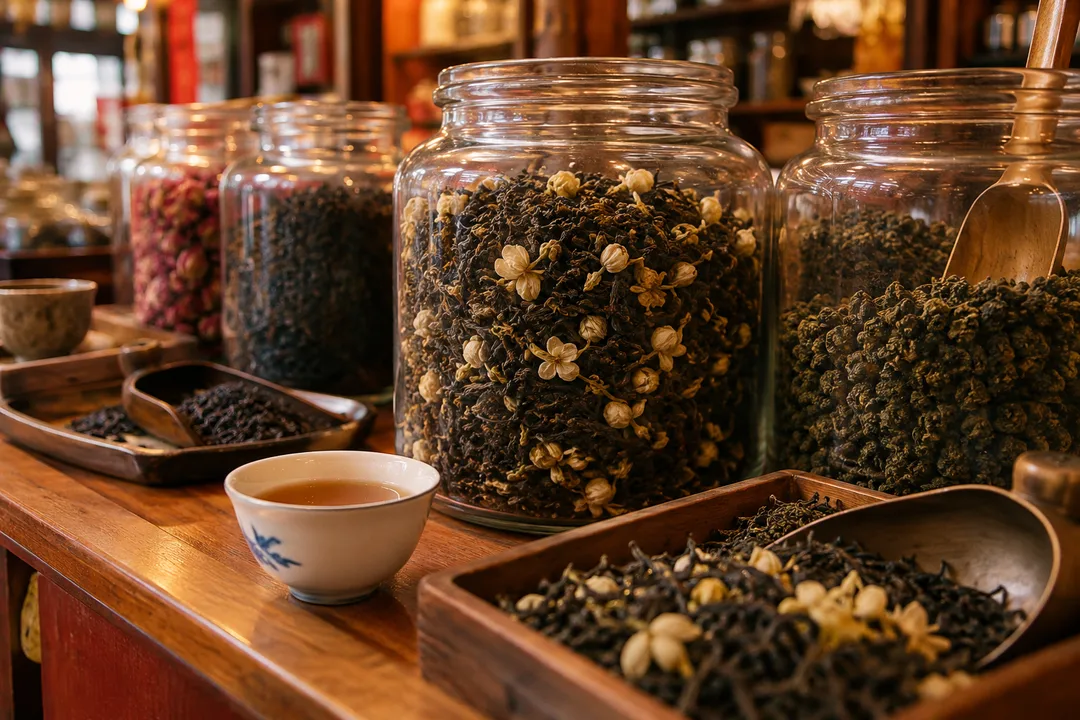
A tea boutique becomes valuable when you can compare styles side by side. Ask to smell an oolong next to a green tea, or a roasted leaf next to a bright, floral one. You may not receive a formal flight, but the comparison itself is useful. Look for the shape and color of the dry leaf, then notice what changes after water. A tightly rolled leaf and a broad, open leaf can behave very differently even when both are described as oolong.
Taste with a practical question in mind. Is the tea forgiving if you over-steep it? Does it stay interesting after the first infusion? Will the aroma survive in a travel mug? These details tell you whether a tea belongs in your real routine. If you are shopping for a gift, mention the recipient’s habits rather than trying to impress them with a difficult name. The right tea is the one they will brew again.
What to Notice in the Jars and the Cup
Vital Tea Leaf’s loose-leaf format encourages a closer look. Notice whether the leaves are wiry, rolled, twisted, or broad; notice whether the dry aroma is grassy, roasted, honeyed, or woodsy. Those observations are not a vocabulary exam. They are a way to remember what you liked after you leave. If a sample tastes thin, ask whether it was brewed lightly or whether the tea is meant to be delicate. Context matters before you make a judgment.
For a first purchase, choose one tea that is easy to understand and one that stretches your taste. The familiar option gives you a dependable cup; the stretch option gives you a new reference point. Keep the quantities modest until you know how quickly you brew through a leaf. Chinatown shopping can make it tempting to buy several small treats, but tea is most useful when the bag gets opened instead of becoming a souvenir.
Shopping Etiquette When the Counter Is Busy
Grant Avenue can bring in a steady stream of shoppers, especially around lunch and on weekends. If the counter is active, stand to the side while you smell or compare products, and keep your question ready for the next opening. Do not crowd a tasting conversation that belongs to another customer. When it is your turn, explain your taste in two or three sentences and let the staff lead. A clear answer is easier to give than a long list of every tea you have ever disliked.
A busy shop is also a good reason to return after you have tried your purchase at home. Write down the leaf, water temperature, and steeping time while the memory is fresh. If the cup was too bitter or too flat, bring that information back to the next visit. The conversation becomes more specific, and the second recommendation will usually be better than the first because you now have a real reference.
Turn a Tea Stop Into a Full Chinatown Afternoon
After Vital Tea Leaf, let the route follow Grant Avenue and the adjacent streets rather than jumping straight into a car. Chinatown is compact enough for a layered walk: market stalls, small groceries, bakeries, herbal shops, and historic commercial buildings all sit within a few blocks. A tea purchase is a good midpoint because it gives you a quiet object to carry through a busy neighborhood without needing another reservation or ticket.
If you eat afterward, keep the tea in mind and choose a pause that leaves room for the palate to recover. A light snack, fruit, or a simple bakery stop will help you remember the leaf more clearly than a meal with many aggressive flavors. Finish near the edge of the neighborhood with a slow walk toward the waterfront, where the street noise opens up and the tea’s aroma feels easier to recall.
Practical Notes for First-Time Vital Tea Leaf Visitors
Vital Tea Leaf is at 1044 Grant Avenue, San Francisco, California 94108. The useful thing to bring is not specialized equipment but a clear description of your routine. Mention milk, travel mugs, multiple infusions, or a preference for low bitterness. Staff-led sampling works best when it is tied to the cup you will actually make tomorrow morning.
The shop is a good fit for curious travelers, small gifts, and anyone who wants Chinatown context without a formal sit-down tea service. Buy one approachable leaf, one more surprising leaf, and take notes. If you are short on time, prioritize the comparison at the counter over browsing every jar; the memory of a useful recommendation will outlast a crowded bag of impulse purchases.
Ask Karpo for more information.
Keep reading
- Inner Richmond Egg Tart Bakery Crawl: Clement Street Pastry
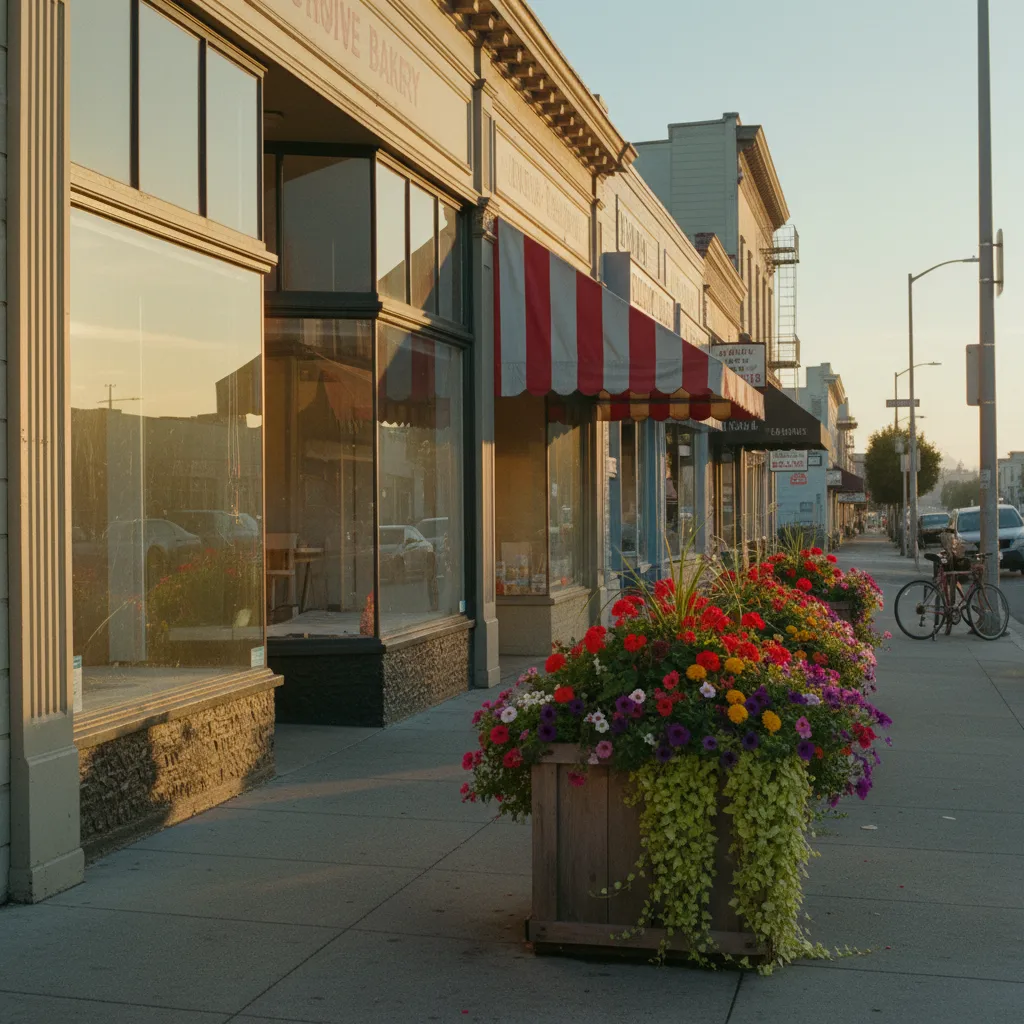 Portola Egg Tart Bakery Crawl: San Bruno Avenue Pastry
 Outer Sunset Egg Tart Bakery Crawl: Ocean Mist and Custard