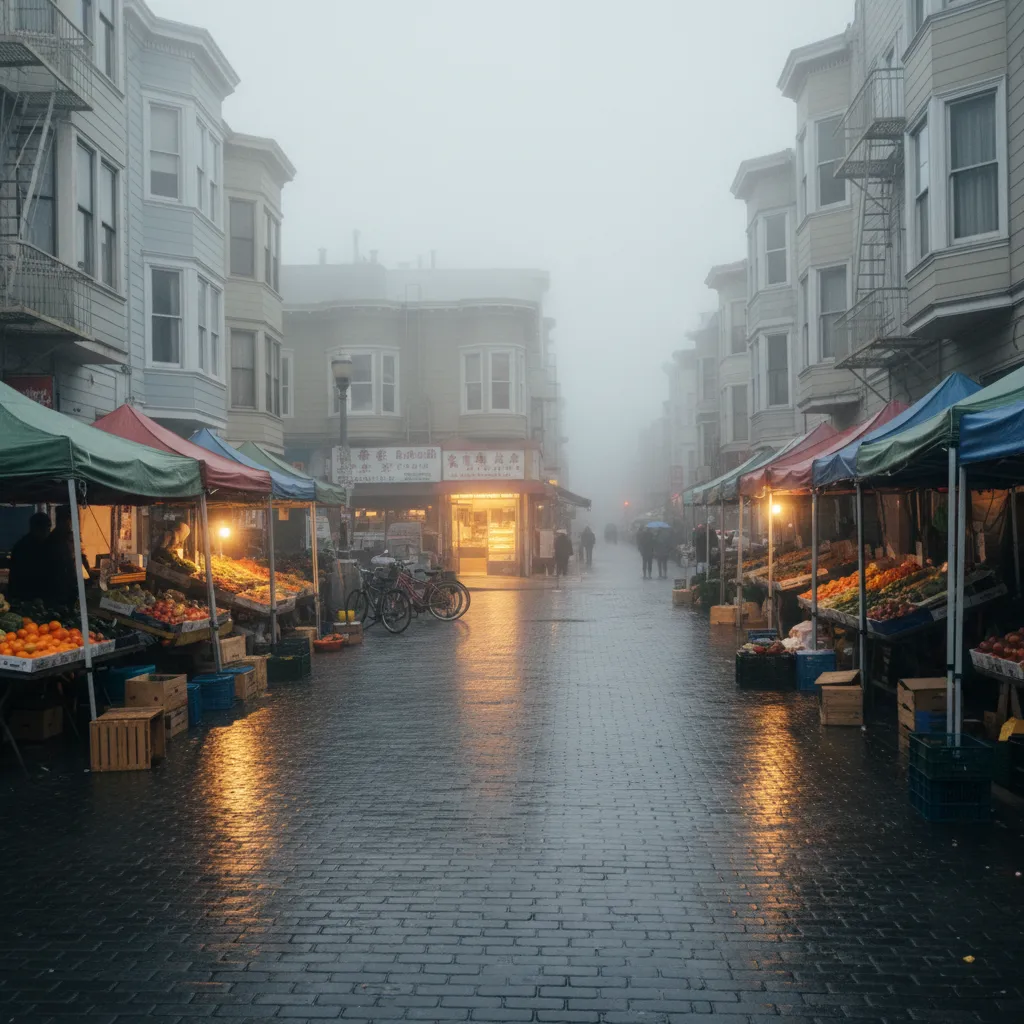
 Inner Richmond Egg Tart Bakery Crawl: Clement Street Pastry
Coffee & Dessert
Red Blossom Tea Boutique in Chinatown: 1985 Family Tradition
Red Blossom Tea Company at 831 Grant Avenue in Chinatown is open for walk-in tea shopping and tasting. Start with a single-origin pour before browsing.
If you search for a tea boutique near me in San Francisco Chinatown, Red Blossom Tea Company is the kind of result that rewards an unhurried visit. The shop at 831 Grant Avenue sits in the middle of the neighborhood’s busy pedestrian rhythm, yet the experience inside is deliberately slower: shelves of carefully sourced loose-leaf teas, a counter for questions, and a tasting culture that treats aroma and texture as seriously as price. It is a place to buy tea, but it is also a useful first lesson in how a single-origin leaf can change from steep to steep.
Start With Chinatown, Then Let the Tea Set the Pace
Grant Avenue is a practical arrival point because the street gives you a full neighborhood walk before and after the shop. Come from the Portsmouth Square side and you will pass produce stalls, bakeries, herbalists, and restaurants before reaching Red Blossom. The storefront is easy to fold into a morning Chinatown loop, but the best visit is not a rushed grab-and-go stop. Allow enough time to smell several leaves, ask what is drinking well, and decide whether you want something for a gaiwan, a mug, or a cold-brew bottle.
The store’s family-run identity is part of the appeal. Red Blossom has built its reputation around direct relationships and traditionally made teas rather than a wall of generic flavored bags. That does not mean the room feels intimidating. Staff can translate a vague request such as “something floral but not perfumed” into a useful starting point, then narrow the choice through tasting. The shop works especially well for visitors who want an informed recommendation without committing to an expensive ceremonial set on the first pass.
How to Taste Without Turning the Visit Into a Test
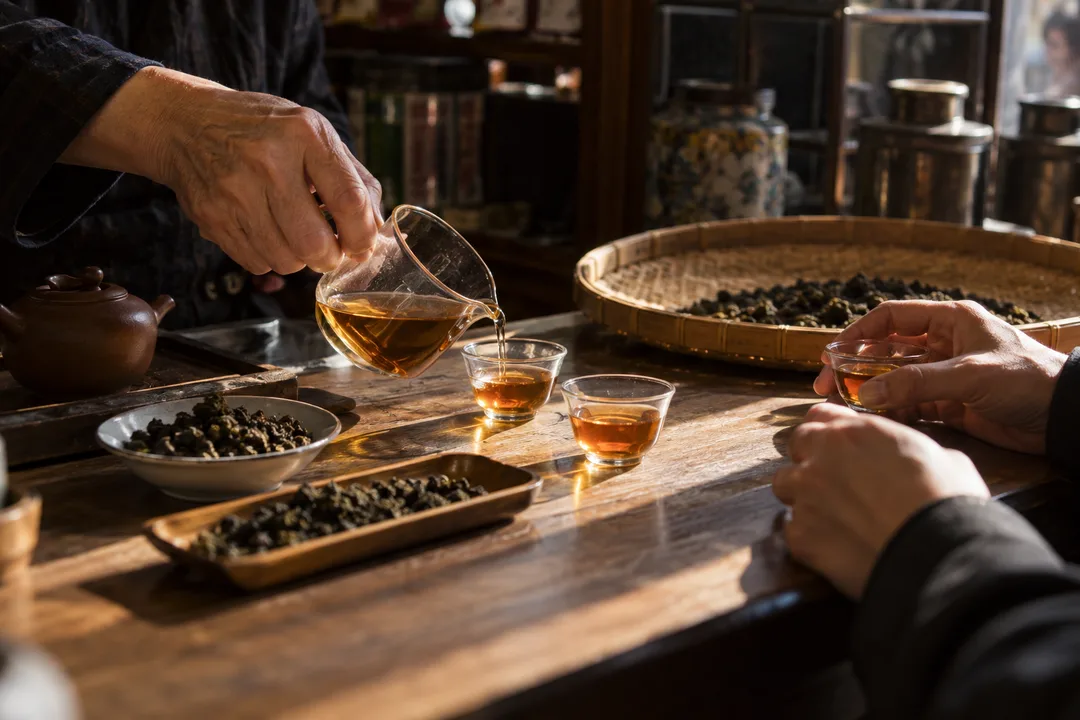
A good first move is to choose one broad family and compare two examples. Green tea, oolong, black tea, and aged tea each carry different expectations, and comparing within one family makes the differences easier to notice. Watch the color of the liquor, smell the dry leaf before water touches it, and take a small sip after the first infusion. A tea that seems quiet at the beginning may open into fruit, flowers, toast, or mineral notes a few rounds later.
There is no prize for guessing the exact tasting note. Ask how the tea was processed, how hot the water should be, and whether the leaf can handle repeated infusions. Those questions are more useful than asking which tea is “the best.” If you are buying a gift, explain the recipient’s habits instead: morning cup, afternoon pause, milk or no milk, and whether a kettle is available. The staff’s recommendation becomes much more precise when the destination of the tea is clear.
What Belongs in Your First Bag
For a beginner, a clean single-origin green tea or a fragrant oolong is a better first purchase than a large assortment. The goal is to learn what you like before building a cabinet. A lightly oxidized oolong can bridge the gap between green and black tea, while a roasted style gives a rounder, more savory cup. If you already drink tea daily, ask for a leaf with enough structure to survive multiple infusions; that makes a small serving feel generous and gives the afternoon a natural rhythm.
Tea ware is worth browsing even if you came only for leaves. A small gaiwan or practical infuser changes the conversation because it lets you adjust leaf, water, and time without hiding the result in a large pot. Buy the simplest tool you will actually use. Red Blossom is more valuable as a place to learn a repeatable brewing habit than as a showroom for objects that sit untouched in a cupboard.
Crowds, Counter Manners, and the Better Time to Go
The Chinatown location can feel busiest when the surrounding shopping streets are busiest. Visit earlier in the day if you want a quieter conversation, or choose a weekday when you can linger without standing behind a large browsing group. The shop is a retail counter rather than a formal reservation-only tea room, so patience and a little spatial awareness matter: step aside after tasting, keep bags and strollers clear of the counter, and let the next person ask a question while you inspect labels.
If a tea you wanted is not being poured, do not treat that as a dead end. Ask for a comparable leaf by style, region, or roast level. A useful boutique should be able to explain the substitution. The same approach helps when a particular harvest has sold through. You will leave with a better purchase if you describe the flavor you want instead of insisting on one name from a shopping list.
A Chinatown Walk That Makes the Purchase Make Sense
After shopping, walk north or south on Grant Avenue and let the neighborhood supply the contrast. A tea tasting feels different after the bright produce stalls and dense shopfronts of Chinatown, and the quiet of a brewed cup can reset the pace before lunch. Portsmouth Square is a natural pause if you want benches and a little open air. From there, you can continue toward the food halls and bakeries near Stockton Street or turn toward the waterfront-bound Embarcadero.
For a second stop, choose somewhere that does not compete with the tea. A short gallery browse, a slow look at ceramic and craft stores, or a walk through the older commercial blocks keeps the outing tactile. If you want a meal, make the tea the first chapter rather than the final errand. You will notice more about the leaf when your palate is not already crowded by a heavy lunch.
Practical Notes for a More Useful Visit
Red Blossom Tea Company is at 831 Grant Avenue, San Francisco, California 94108. Bring a small list of flavors you enjoy, but leave room for a recommendation; the most satisfying purchase is often the tea that gives you a new reference point. A reusable bag is helpful, and a small notebook can be surprisingly useful if you are comparing several leaves.
The shop suits solo visitors, thoughtful gifts, and travelers who want a culturally grounded Chinatown stop without booking a long experience. The best etiquette is simple: ask before photographing displays, keep tasting questions specific, and buy only what you can brew. If you need a fast present, staff can narrow the choice. If you want to learn, give yourself time for a second infusion and a walk afterward.
Ask Karpo for more information.
Keep reading
- Inner Richmond Egg Tart Bakery Crawl: Clement Street Pastry
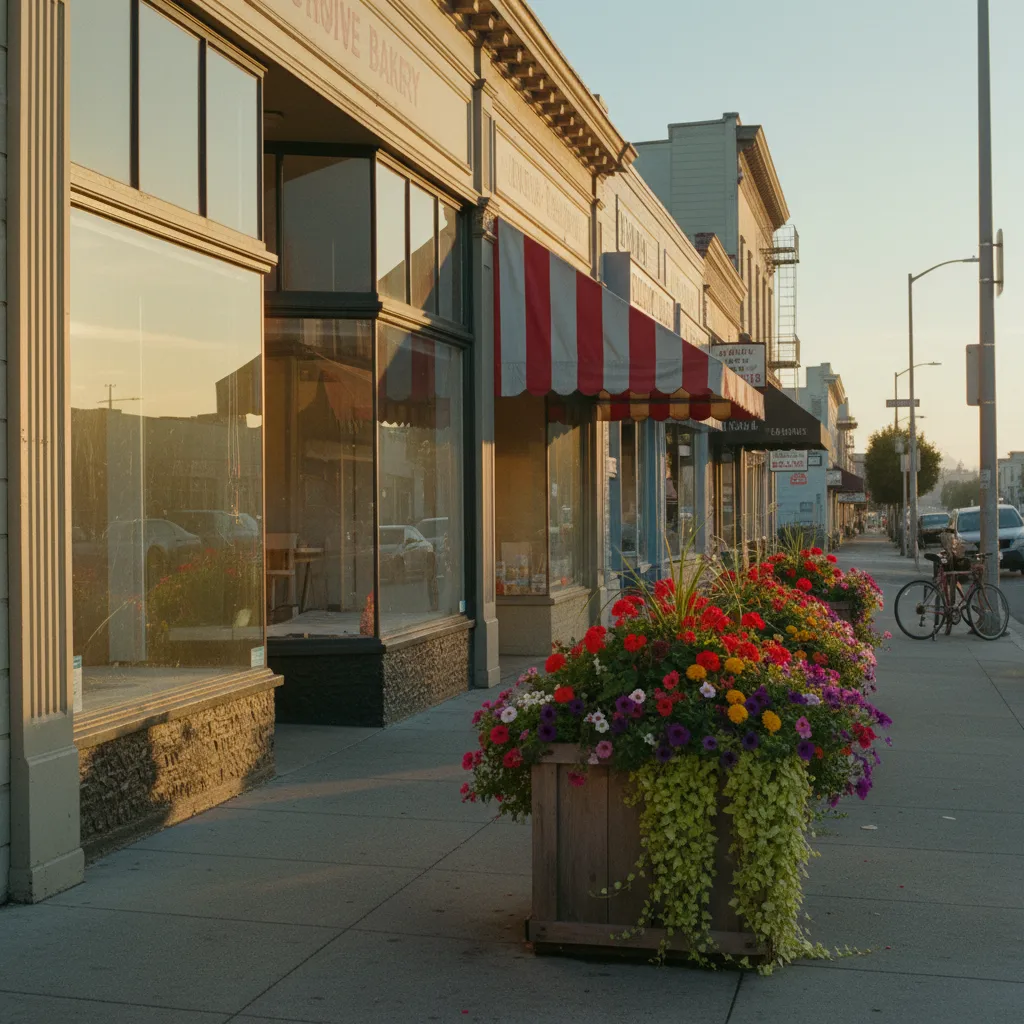 Portola Egg Tart Bakery Crawl: San Bruno Avenue Pastry
 Outer Sunset Egg Tart Bakery Crawl: Ocean Mist and Custard