 Inner Richmond Egg Tart Bakery Crawl: Clement Street Pastry
Coffee & Dessert
Aroma Tea Boutique in Inner Richmond: Free Tea Tastings
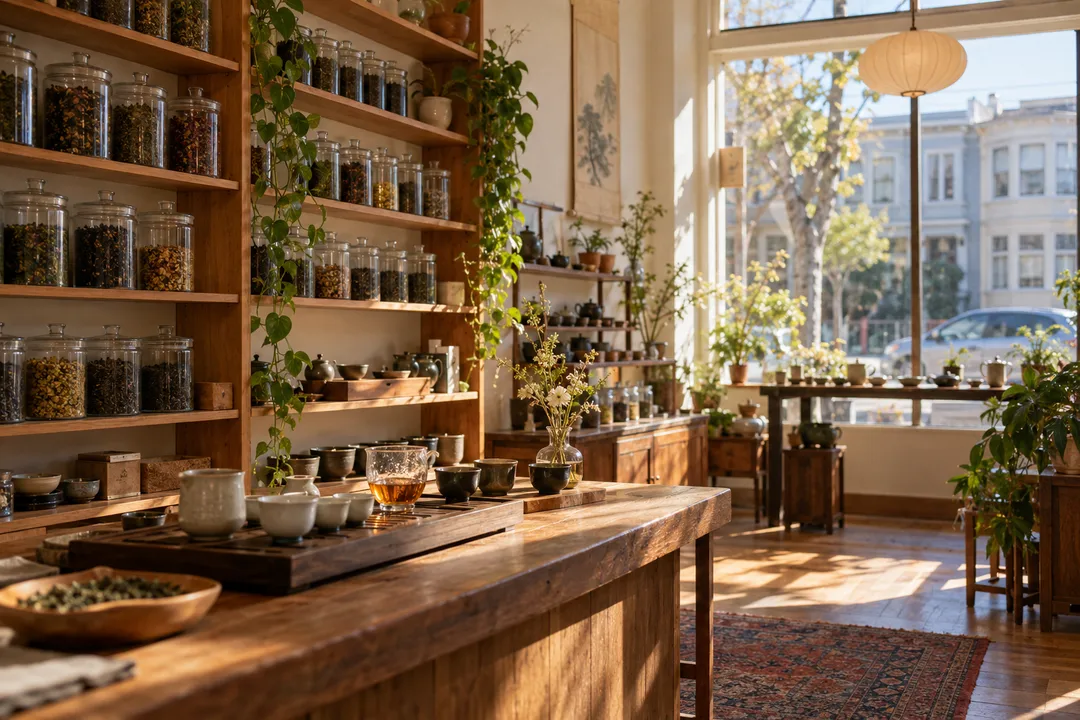
Aroma Tea Shop at 302 Sixth Avenue in Inner Richmond is open 10 a.m.–6 p.m. daily, with free tastings and advice for choosing organic tea before you buy.
Aroma Tea Shop is the tea boutique to choose when you want a neighborhood errand to feel useful, not precious. At 302 Sixth Avenue in San Francisco’s Inner Richmond, the shop focuses on organic teas and approachable blends that can fit into an ordinary kitchen. The shop says it has served tea shoppers since 2005 and offers free tastings, so you can compare a blend before committing to a full bag. You can browse for a calming evening cup, a lively morning leaf, or a practical gift, then leave with enough information to brew it without turning the purchase into homework.
The Inner Richmond Setting Is Part of the Appeal
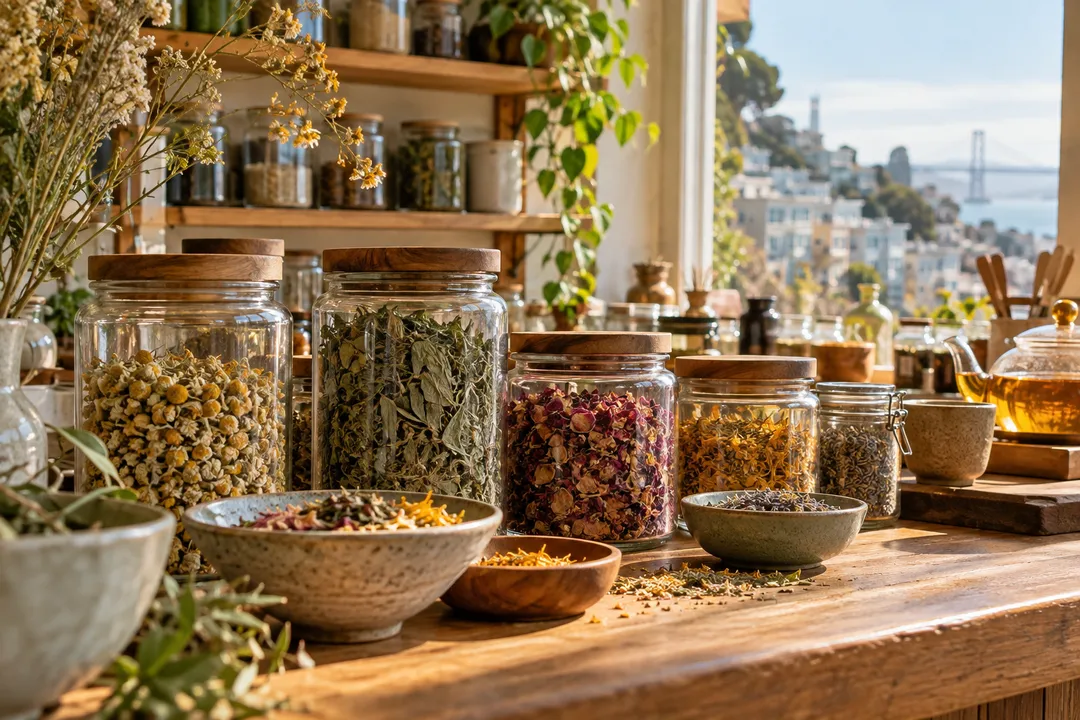
Aroma Tea Shop sits in a neighborhood where people are already shopping for daily life. That changes the feeling of a tea visit. You are not entering a destination showroom that expects a grand occasion; you are stepping into a local shop that can answer a small question about a cup you want tonight. The surrounding streets make it easy to combine tea with groceries, a bakery stop, or a walk toward the park without overplanning the afternoon.
Start by deciding whether you want a pure tea, an herbal infusion, or a blend. Those categories answer different needs, and the distinction is especially helpful if you are buying for someone who avoids caffeine. Tell the staff when you plan to drink it and what you want the cup to do: wake you up, settle you down, refresh you after a meal, or give you a comforting aroma before bed.
How to Read a Blend Without Guessing
Organic blends often work through balance rather than a single dramatic flavor. A blend may use flowers for aroma, herbs for body, citrus for lift, or spices for warmth. Smell the dry mixture before you taste it if the shop offers a sample. Then ask which ingredient should lead after brewing. That answer helps you understand whether to use a shorter steep, more leaf, or a lower temperature to keep the cup from becoming sharp.
If you are new to loose leaf, do not overcomplicate the equipment. A basket infuser with room for the leaves to expand is enough for most everyday cups. A small scale is helpful but not essential at the beginning. Pay attention to the amount you use, the temperature you choose, and the time you let it sit. Those three variables will teach you more than buying a new gadget every time the cup tastes different.
A First Shopping List That Stays Practical
A good first haul from a neighborhood tea shop has a clear division of labor. Choose one tea for the morning, one caffeine-free blend for later, and one small gift or experiment only if you know where it will go. That structure keeps the cabinet manageable and lets you compare how your preferences change through the day. If a blend includes a strong floral note, ask whether it is intended to be brewed alone or softened with honey, citrus, or milk.
Look for clues about the way the tea is packaged and stored. You want leaves protected from heat, light, and moisture, with enough information to repeat the cup later. Ask how long the shop recommends keeping an opened bag and whether the blend is best used fresh. These are practical questions, not fussy ones. A tea that stays aromatic in your pantry is more valuable than a more exotic option you cannot finish.
When to Browse and How to Ask for Help
The Inner Richmond is calmer than the center of Chinatown, but the shop still serves a neighborhood rhythm. A weekday visit gives you more space to ask questions, while a weekend stop works well if you are already walking the district. Keep the first question concise and mention allergies or caffeine needs early. If you want a gift, share the person’s habits and the occasion. Staff can then recommend a blend that feels personal without requiring a long tasting ritual.
If the first aroma is not right, say so plainly. “Too floral,” “not enough body,” or “I want something brighter” gives the next recommendation direction. Do not feel obligated to buy the first sample you smell. A boutique visit should reduce uncertainty, not create pressure. Once you find a blend that fits, ask for a simple home method and write it on the bag or in your notes before you leave.
A Tea-and-Walk Plan for the Richmond
Aroma Tea Shop works naturally as the center of a west-side walking loop. Start with the tea, then move through the neighborhood’s small markets and food businesses while the shop’s recommendations are still fresh. If you want a longer reset, head toward Golden Gate Park and let the change from commercial blocks to open paths change your pace. The tea becomes a portable part of the walk rather than a purchase you forget in a tote.
Keep the second stop gentle on the palate. A bakery or a simple snack can pair better with tea notes than a heavily spiced meal, especially if you bought a delicate blend. Save the more elaborate dinner for later and use the afternoon to decide how you will brew the tea at home. A good neighborhood itinerary leaves you with a habit, not just a photograph.
Practical Notes for Aroma Tea Shop
Aroma Tea Shop is at 302 Sixth Avenue, San Francisco, California 94118. Its organic-tea focus makes it especially useful for caffeine questions, herbal blends, and everyday brewing rather than formal tea ceremony. For a concrete starting point, the official tea collection lists Blue People Oolong from $25 and High Mountain Alishan Oolong from $40. Bring a list of ingredients you avoid and the size of your favorite mug; both details make a recommendation more accurate.
This is a good stop for a local gift, a low-pressure first loose-leaf purchase, or anyone building a more useful pantry. Buy enough for a week of real cups, not a lifetime of intentions. Keep the label, note the steeping advice, and return after you have brewed it twice. The best follow-up question is always based on what happened in your own kitchen.
Ask Karpo for more information.
Keep reading
- Inner Richmond Egg Tart Bakery Crawl: Clement Street Pastry
 Portola Egg Tart Bakery Crawl: San Bruno Avenue Pastry
 Outer Sunset Egg Tart Bakery Crawl: Ocean Mist and Custard