 SoMa Bowling Group Night Planner to Welcome New Hires
Sports Social
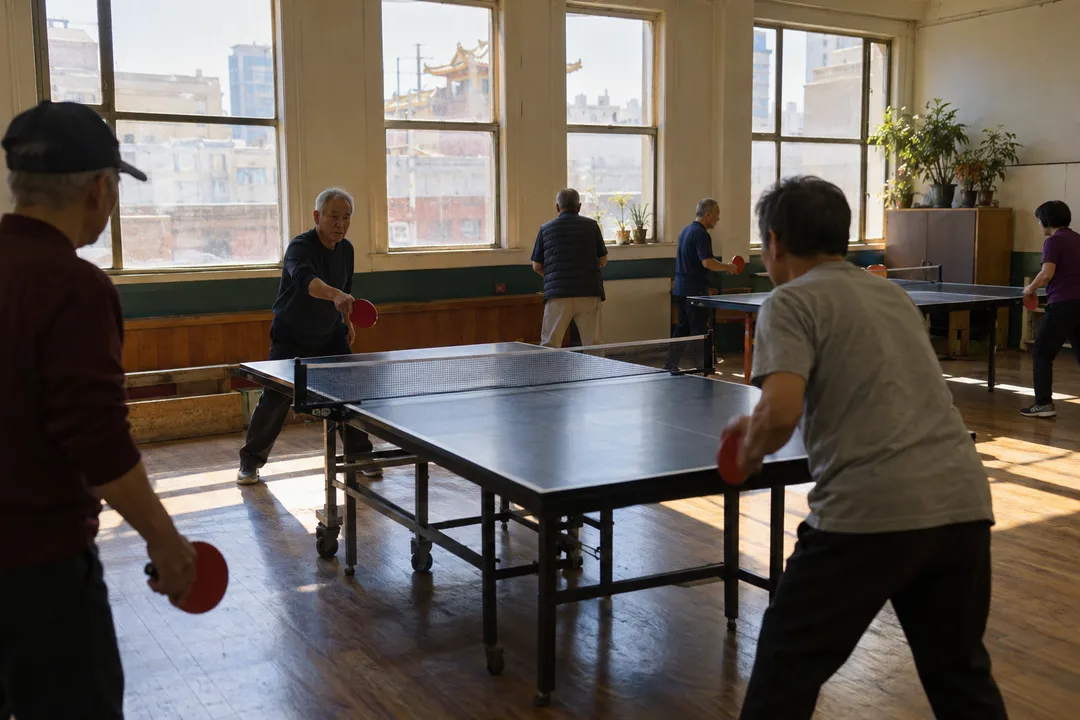
Table Tennis Club Near Me: CYC Ping Pong in Chinatown
CYC’s Willie “Woo Woo” Wong Clubhouse connects table tennis with Chinatown youth programming and a long-running community-center tradition.
CYC's table tennis program at the Willie “Woo Woo” Wong Clubhouse is a different kind of answer to a table tennis club near me search. It is rooted in Community Youth Center programming and community access rather than a private sports brand. The clubhouse is at 830 Sacramento Street in San Francisco's Chinatown, and CYC publishes 415-775-2636 for program contact. At CYC, the most useful habit is to set a small goal for the first class, such as making a controlled return or learning the room's rotation before trying to win points. CYC connects table tennis with youth programming and Chinatown community life. The Willie “Woo Woo” Wong Clubhouse feels like a place where practice, mentoring, and neighborhood identity can reinforce one another. The program’s community-center setting is especially helpful for players who feel nervous about formal competition, since the first success can simply be returning the ball and joining the room.
Who It Fits
After play, make a short loop through Sacramento Street, Waverly Place, Pagoda Place, and nearby alleys. Keep the walk relaxed and avoid treating the clubhouse as a photo stop — the meaningful part is the program itself. A snack afterward can turn the session into a family afternoon.
A family can make the first lesson feel approachable by treating each successful return as progress rather than keeping score from the first minute.
Final Take
Chinatown gives the program an unmistakable neighborhood context, with the clubhouse serving as a community anchor before and after play.
CYC is especially suited to players who want sport, youth programming, and local history to share the same room.
The program description says CYC offers table tennis once a week for middle- and high-school youth, along with community classes open to the public twice a week. Beginners and experienced players can take part in local scrimmages and the annual youth-led Chinatown Ping Pong tournament. The point is not only to rent a table, but to use play to build confidence and connection.
Why This Program Matters
The Willie “Woo Woo” Wong name honors a San Francisco Chinatown sports figure, and the facility sits within a compact neighborhood recreation setting. Treat it as a shared community resource. Give young players room to learn, listen to the host, and understand whether the session is a class, a public open hour, or a scheduled scrimmage before joining.
A first session should begin with a cooperative rally rather than a hard match. Keep the ball at a comfortable height, alternate forehands and backhands, and use the first minutes to learn your partner's pace. Adults should avoid turning the room into a contest for the fastest shot. A calm rally gives a newer player space to stay engaged.
What the Sessions Offer
For an all-level group, divide the time into stations. One can practice serves, another returns, and a third hosts short games. Rotate so nobody spends the afternoon watching. A player, partner, scorekeeper, or encouraging spectator can all have a role. That structure makes a public session easier for families.
The Chinatown Ping Pong tournament gives regular participants something to work toward, but you do not need tournament experience to enjoy the program. Serve legally, call the score clearly, and replay a point if a stray ball interrupts it. Good habits matter more than perfect technique when several ages and skill levels share a room.
Start With a Shared Rally
Wear clean indoor shoes and clothes that allow movement. Keep drinks capped and bags away from walkways. Follow directions about where to wait and when to collect balls. In a family and youth setting, visible patience matters: let the rally finish, praise effort, and give a player time to reset after a mistake.
Adults bringing younger players should explain the format before entering. Explain where to wait, how to hold a paddle safely, and why a ball should not be chased across another table. Older players can demonstrate a serve or rally at half speed. The result is a room where children can grow into the sport.
Rules for a Community Room
The public nature of the classes means you should not assume every visit has the same schedule. CYC lists program and contact details, while calendar entries may describe particular open hours. Use the published program listing before traveling, especially around school schedules or tournaments. This keeps the visit respectful of actual capacity.
A useful personal goal is to make the ball cross the net with a repeatable arc. Beginners often swing too hard because they want speed. Soften the grip, watch contact, and let the table provide rhythm. Once the ball is controlled, add placement. The approach rewards attention rather than strength.
Explore Chinatown After Play
CYC's strongest feature is the bridge between sport and community. A player may arrive for a weekly class, meet a mentor, join a scrimmage, and later return for a tournament. That is different from a one-off commercial attraction. If people and neighborhood matter, the clubhouse deserves a place on your list.
The program can suit a visitor who wants a low-pressure introduction to San Francisco table tennis. You do not need a league rating or expensive paddle. You need comfortable clothes, curiosity, and willingness to follow the session leader. Ask before borrowing equipment and let the first visit be about learning. That community setting can make the sport easier to enter. A young player can concentrate on balance and contact, while an adult joining a public class can model patience and good court manners. The first visit does not need a complicated training plan: observe the format, take turns, and ask how the next session is organized. Over time, the repeated setting can turn a casual lesson into a familiar weekly activity with its own small milestones.
Practical Notes
Chinatown is dense and walkable, so leave buffer time. Sacramento Street can be busy, and the clubhouse shares space with other neighborhood activities. Arrive early, keep the entrance clear, and avoid carrying a large bag onto the floor. These habits help when a class includes youth groups and community visitors.
Ask Karpo for more information.
Keep reading
- SoMa Bowling Group Night Planner to Welcome New Hires
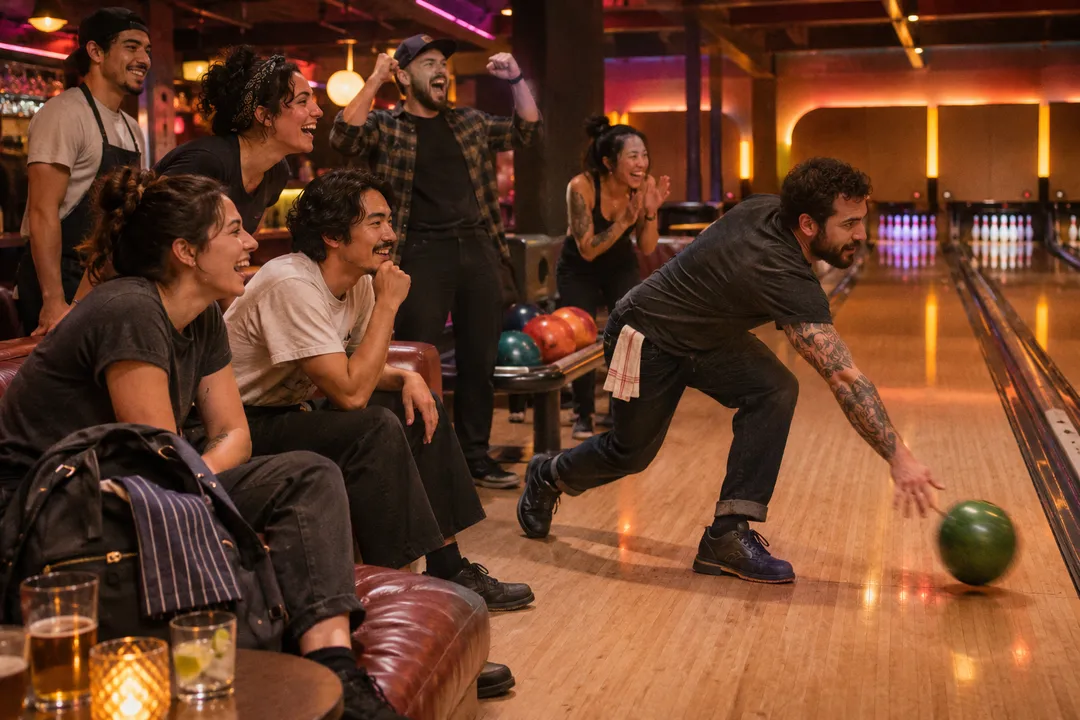 Lower Haight Bowling Group Night Planner for Kitchen Crews
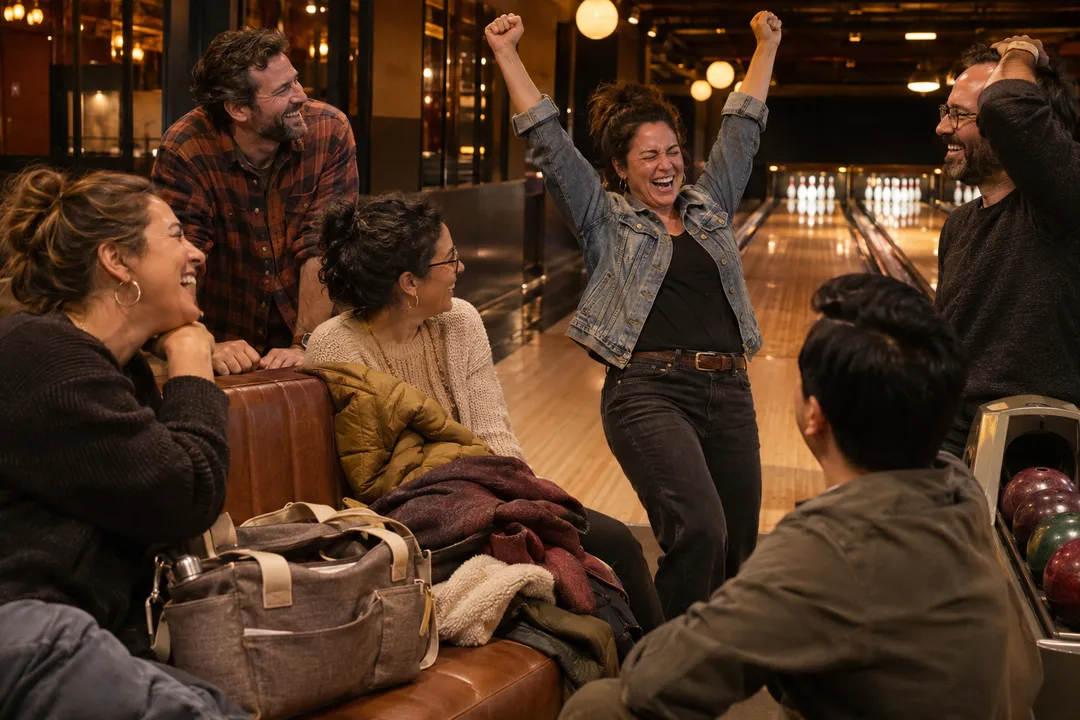 Bernal Heights Bowling Group Night Planner for Parents Out