 Outer Sunset Cioppino Dinner Picker: Pots by Ocean Beach
Restaurants
Szechuan Restaurant Near Me in Chinatown: Z & Y Restaurant Guide
A practical San Francisco guide to Z & Y Restaurant in Chinatown, with signature dishes, prices, ordering advice, timing, and a neighborhood walk.
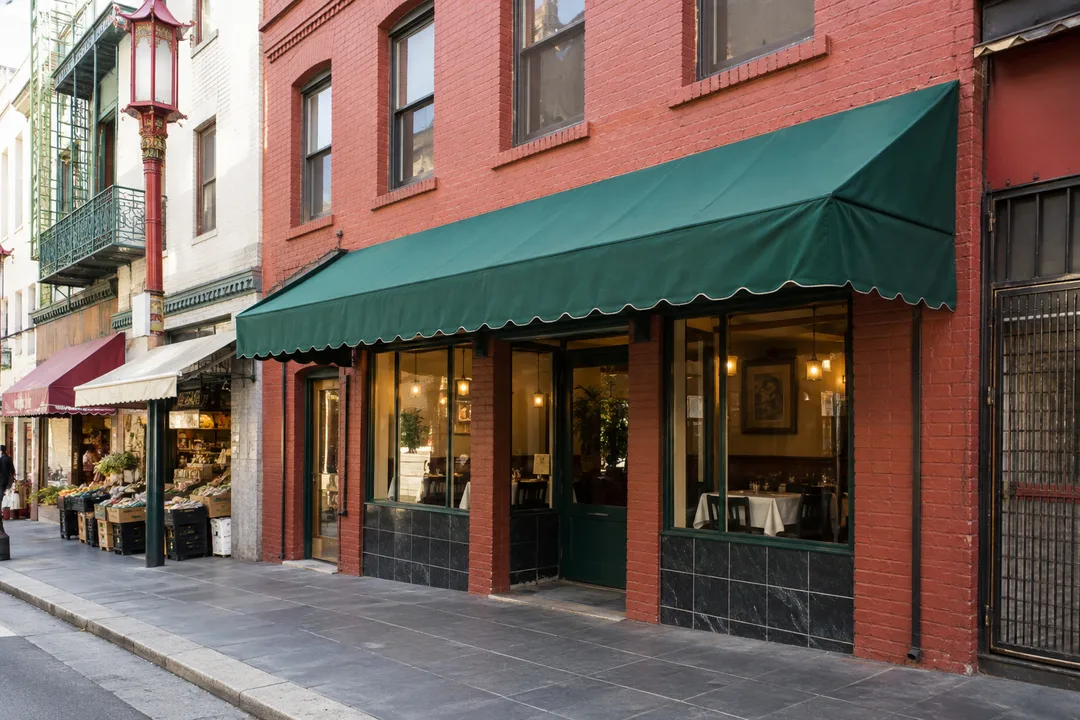
In San Francisco Chinatown, a szechuan restaurant near me search should point toward a table that understands both chile and neighborhood rhythm. Z & Y Restaurant, at 655 Jackson Street, is built for that kind of meal. The menu brings together dry-fried chicken, mapo tofu, tea-smoked duck, vegetables, and other dishes with the fragrance of dried chile and Sichuan pepper. Come ready to share, because the best order moves between crisp, saucy, smoky, and fresh.
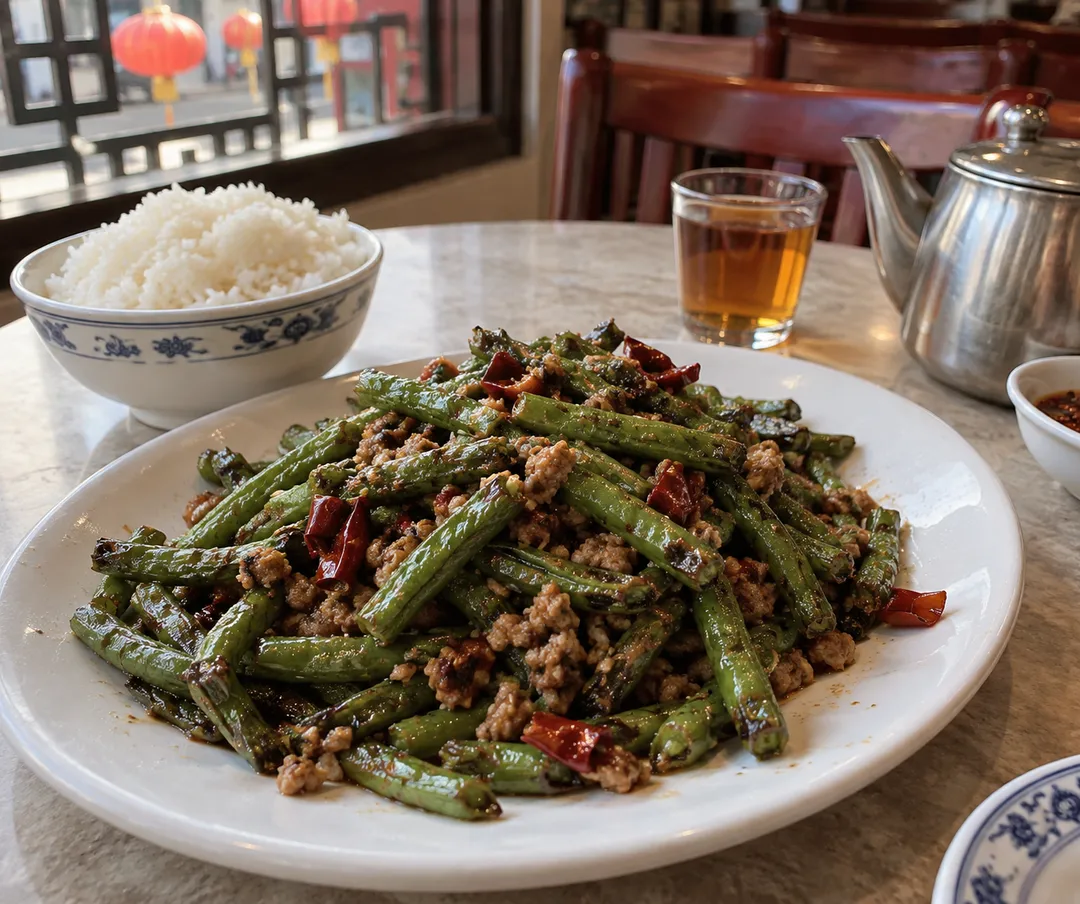
Jackson Street puts the restaurant within an easy walk of Chinatown's gates, Stockton Street markets, and the Montgomery Street BART and Muni connections. The sidewalks can be crowded, especially around lunch and weekend dinner, so build in time to cross the neighborhood rather than rushing from one block to the next. If you are driving, treat parking as a separate plan. Transit or rideshare is simpler, and the last few minutes on foot are part of the Chinatown experience.
Z & Y's reputation is tied to regional Chinese cooking with a serious approach to heat and aroma. The useful distinction is that the kitchen does not use spice as a single volume knob. Dried chile brings toast and smoke, peppercorn creates a citrusy tingle, and fermented bean adds depth to tofu and vegetables. A first visit is more rewarding when the group orders across those categories instead of selecting only the most aggressively red dishes.
The room is practical and lively, with tables that favor family-style ordering and a steady mix of visitors and regulars. Seat the group before choosing the full menu. A couple can split three dishes; four people can add a vegetable and rice without crowding the table. Ask which dishes are best for sharing and whether an item is especially large. Chinese restaurant portions can vary, and the goal is to leave enough space for the plate that the table did not expect.
Dry-fried chicken, often around $24 to $28, is a good signature choice when the group wants texture. The pieces should arrive with a roasted edge, dried chile, and aromatics that cling without turning the crust soggy. Take the first bite before adding rice so the contrast is clear. It is a dish that rewards a little patience: the heat arrives after the crunch, and the peppercorn lingers as the garlic and chile fade.
Mapo tofu in the $17 to $20 range supplies the softer course. It is not just a bowl of heat; the best version brings fermented bean, garlic, savory sauce, and peppercorn around silken tofu. Order rice at the same time and use a serving spoon. The dish can anchor the table between fried and smoked plates, especially for diners who want a familiar preparation that still shows why Sichuan cooking is so distinctive.
Tea-smoked duck, commonly around $30 to $36, is the meal's slower centerpiece. The smoke should be fragrant rather than bitter, with crisp skin and enough accompanying aromatics to make a complete bite. Ask about portion size and allow room on the table before ordering. If the group is small, choose duck instead of another large meat entree and add a vegetable. That keeps the dinner varied and makes the smoke easier to appreciate.
Dry-fried string beans, eggplant, or another vegetable plate in the $15 to $20 range gives the order a necessary change of pace. Beans bring blistered edges and garlic, while eggplant carries sauce in a softer way. A cold cucumber or seasonal starter can also make sense before the hot dishes. Build the table around different surfaces, not just different names. Crisp beans, tender tofu, smoky duck, and noodles create a meal that feels intentional.
Tea, beer, and water are the most useful drinks here. Tea keeps the peppercorn's aroma visible, and beer works with dried chile and fried textures. Tell the server if the group wants less heat, especially when ordering a dish whose name does not reveal the full preparation. Peanuts, sesame, shellfish, and soy can appear in sauces, so allergy questions should happen before the first plate is fired. A clear conversation is easier than trying to modify a finished dish.
Lunch can be easier for a small walk-in, while dinner and weekend service often fill with Chinatown visitors. Arrive near opening if you want a particular table, and bring the complete party before asking for a seat. If there is a wait, step away from the doorway and use the time to browse Stockton Street or the nearby shops. Do not plan the rest of the evening too tightly; a shared meal here can stretch when the table adds one more dish.
The restaurant's house rhythm is family-style. Put large plates in the center, serve smaller portions, and let the person with dietary needs ask about ingredients directly. Start with a vegetable or noodle, then move toward duck or chicken and finish with tofu or rice. This is not a rule about authenticity; it is simply the easiest way to protect texture and make the different levels of heat readable to everyone at the table.
After dinner, walk toward Portsmouth Square and the Chinatown gates, or turn west through North Beach for coffee, dessert, and a view of the evening streets. If you ate at lunch, continue toward the Ferry Building or the Embarcadero after a slow loop through the markets. Z & Y works especially well as the center of a neighborhood route because the surrounding blocks have their own pace, aromas, and small discoveries.
Practical notes: verify the current hours and menu before leaving, and treat listed prices as estimates rather than guarantees. The restaurant is casual, but a group should avoid oversized bags because tables can be close. Transit is usually easier than parking. San Francisco hills are not a major issue around this block, though the sidewalks can be crowded. Mention allergies, mild-spice needs, and any seafood restriction at the start so the server can steer the order.
Z & Y Restaurant fits diners who want a focused Chinatown meal with real regional character and enough range for a mixed group. It works for visitors after a neighborhood walk, locals introducing friends to Sichuan food, and families who want plates in the center of the table. Order one crisp dish, one saucy dish, one vegetable, and rice, then add the duck or noodles if the table still has appetite.
Ask Karpo for more information.
Keep reading
- Outer Sunset Cioppino Dinner Picker: Pots by Ocean Beach
 Marina Cioppino Dinner Picker: Bistros After Bay Walks
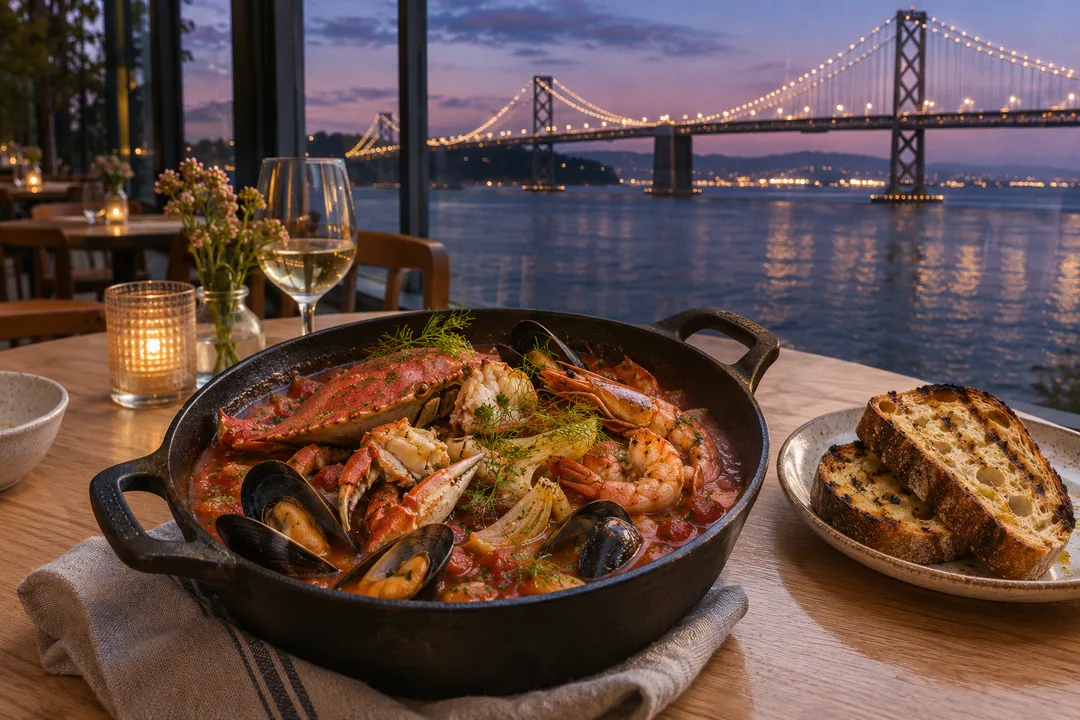 Embarcadero Cioppino Dinner Picker: Pots by the Bridge