 SoMa Bowling Group Night Planner to Welcome New Hires
Sports Social
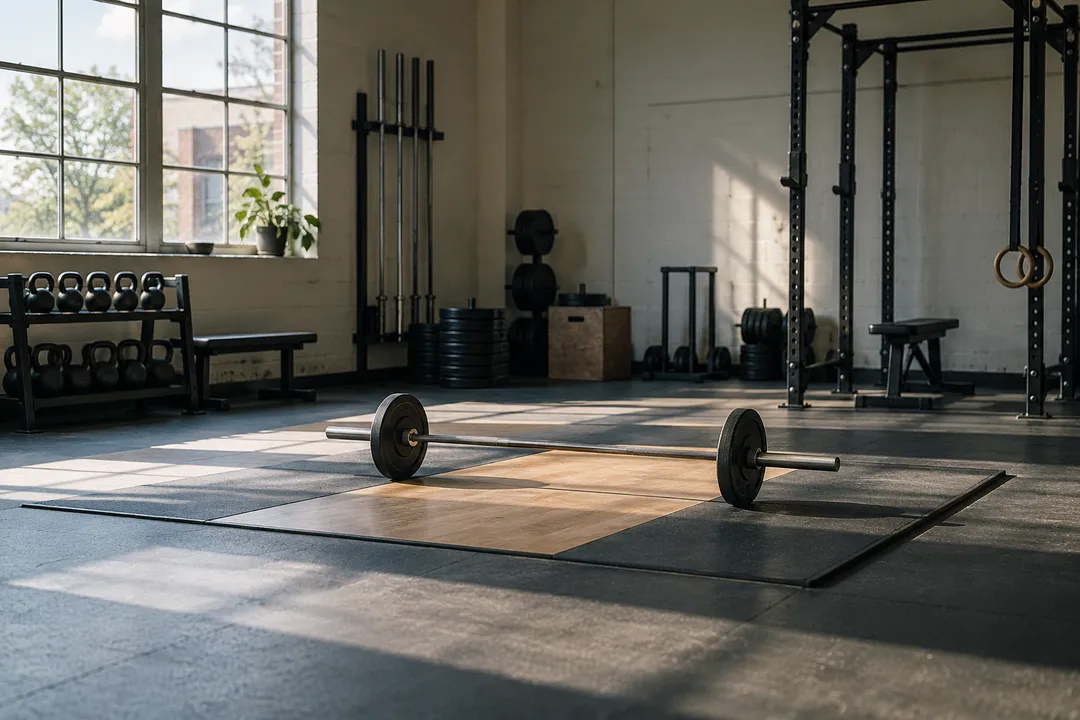
SF Strength Conditioning Gym Comeback After Months Off
Coming back to a San Francisco strength conditioning gym after months away? Start at half your old weights for four weeks and train at quieter hours.
Almost everyone who lifts takes a long break at some point. A new job, a move across the city, a new baby, a long trip or simply a busy season can pull you away from the gym for months. Walking back into a San Francisco strength conditioning gym after that kind of gap can feel strange. The good news is that strength returns faster than it was first built. The bad news is that the most common comeback mistake, lifting your old numbers in the first week, can set you back another month.
Accept Where You Are
Muscle and coordination fade during a layoff, but tendons and joints lose their tolerance for heavy loading as well, and they take longer to come back. That is why the first session often feels deceptively fine, followed by two days of intense soreness. Treat your first week back as practice rather than training. The goal is to remember how the lifts feel, not to prove anything to the person on the next rack.
Leave your old personal records out of the conversation for now. Comparing yourself to the version of you from last spring only adds pressure and tempts you into loading the bar too fast.
The Four-Week Ramp
In week one, use roughly half the weights you used to lift for your normal sets and reps, and stop every set well before it feels hard. In week two, move to around sixty percent. In week three, aim for seventy. By week four, you can begin working back toward your old training weights using how the bar moves as your guide. Most people are surprised by how quickly the numbers return once the base is rebuilt.
Keep conditioning gentle too. Easy bike or rower sessions and some carries are enough at first. Hard intervals can return once you are no longer sore for days after each session.

Pick a Quiet Slot
The first few weeks back are easier without a crowd. Mid-morning or early afternoon on weekdays, or Sunday afternoons, tend to be calmer at many San Francisco gyms than the after-work rush. Training when the floor is quiet takes away the self-consciousness of using light weights and lets you take your time with warm-ups and technique.
If your schedule only allows evenings, consider starting with a coached class. A good coach will scale the workout for someone returning from a break, and the structure helps you avoid doing too much.
Rebuild the Basics First
Return to the movements that form the foundation of strength training: a squat, a hinge, a push, a pull and a carry. Skip fancy variations and complex lifts for now. Goblet squats, Romanian deadlifts, dumbbell presses, rows and farmer's carries are forgiving, easy to load lightly and give you a clear sense of how your body is responding. Once those feel solid, add back the barbell versions.
Pay attention to the warm-up. After time off, hips, shoulders and ankles often stiffen. Ten minutes of mobility and light sets before each session makes the main work feel smoother and lowers the chance of a tweak.
Expect the Soreness and Plan Around It
Some soreness is normal in the first two weeks back. Schedule sessions with at least one day between them, walk on rest days and sleep well. San Francisco makes easy movement simple, since a stroll through Golden Gate Park or along the Embarcadero is a gentle way to keep stiff legs moving. If soreness lasts more than three days, you did too much and should lighten the next session.
Rebuild the Habit, Not Just the Strength
The deeper challenge after a long break is routine. Choose two fixed days a week and protect them as if they were appointments. Keep your gym bag packed by the door. Tell a friend or partner your plan so someone notices if you skip. In the early weeks, showing up matters far more than what you do once you are there, and a short session still counts.
When to Ask for Help
If your break was caused by pain or an injury, speak to a physical therapist or doctor before loading heavy weights again. Many strength gyms work alongside physical therapists, and some coaches specialize in helping people return after time away. A few sessions of guidance can prevent a repeat of whatever pulled you away in the first place.
Signs You Are Ready to Push Again
You will know the ramp has worked when your warm-up sets feel smooth, soreness after sessions fades within a day and you look forward to training rather than dreading it. That is usually the moment to start a structured program again, adding small amounts of weight each week. Some people find their comeback period becomes a fresh start, with better technique and habits than before the break.
A Sample First Week Back
Here is what a first week can look like. On Monday, do goblet squats, dumbbell bench press and one-arm rows for three sets of eight with light weights, then walk on a treadmill for ten minutes. On Wednesday, rest and take a long walk. On Thursday, do Romanian deadlifts with a light barbell, push-ups, lat pulldowns and farmer's carries, again for three easy sets each. That is enough. It may feel too easy, which is exactly the point.
By the end of that week you should feel lightly worked, not wrecked. If you do, the second week can add a little weight and one extra set to the main lifts.
Nutrition and Sleep Matter More Than Usual
Your body is rebuilding tissue quickly during a comeback, so give it what it needs. Eat enough protein spread across your meals, stay hydrated and do not try to diet aggressively in the same month you return to lifting. Combining a big calorie cut with a training restart usually leaves people tired and sore. Aim for regular sleep as well, because recovery between sessions depends on it more than on any supplement.
Practical Notes
Write your starting weights in a notebook and progress them deliberately each week. Book your first sessions at a quiet hour, and choose a gym you can reach easily from home or work so the habit has the best chance to stick. Bring a water bottle and a snack, since tired legs after a layoff can make the walk home feel long. The Karpo APP can help you shortlist nearby strength gyms that suit a gentle return, including spaces with coached classes for people restarting.
Ask Karpo for more information.
Keep reading
- SoMa Bowling Group Night Planner to Welcome New Hires
 Lower Haight Bowling Group Night Planner for Kitchen Crews
 Bernal Heights Bowling Group Night Planner for Parents Out