 SoMa Bowling Group Night Planner to Welcome New Hires
Sports Social

SF Strength Conditioning Gym and Hill Sprints Each Week
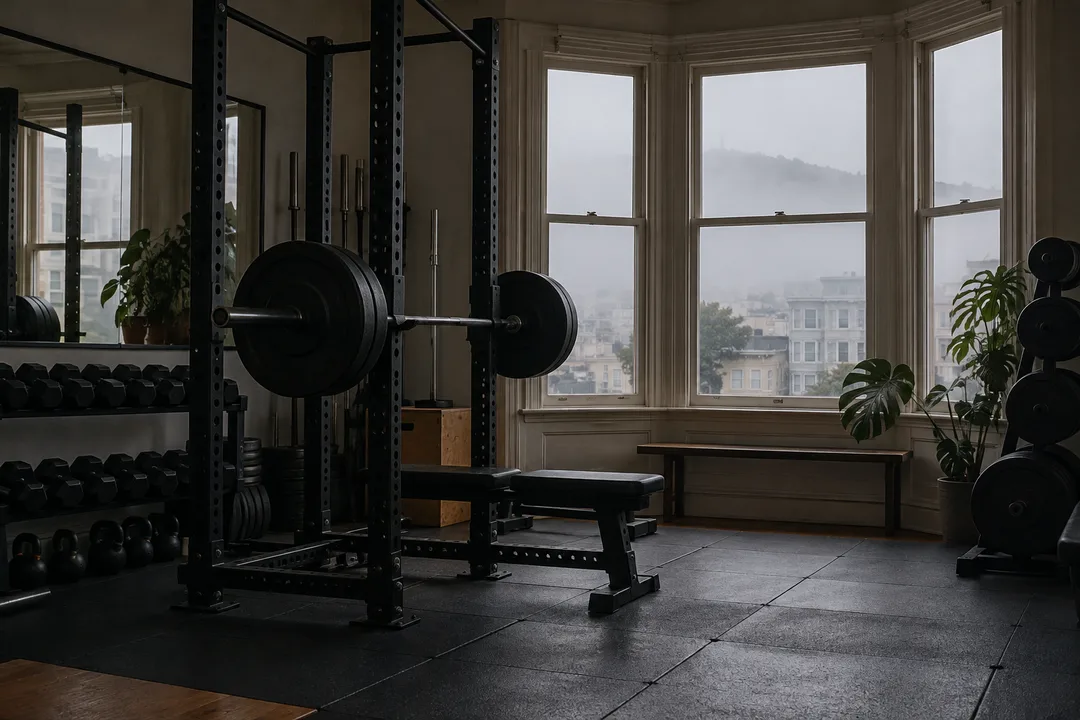
In San Francisco, pair two strength conditioning gym sessions with one weekly hill sprint workout outside, and you cover strength and conditioning for less.
San Francisco has a training advantage most cities would pay for. Within a few blocks of almost any apartment there is a hill steep enough to make your lungs burn in under a minute. That means a strength conditioning gym in this city does not have to carry the whole load. Lift indoors twice a week, sprint a hill outside once a week, and you have a balanced plan that costs less, gets you outdoors and fits neatly around foggy mornings.
Why Split Strength and Conditioning
A gym is the best place for the things that need equipment: barbells, racks, cable machines and heavy dumbbells. Conditioning needs far less. Short uphill efforts build the same leg drive and lung capacity that sled pushes and bike intervals offer indoors, and they do it on public streets that cost nothing. Splitting the two lets you spend your gym time on lifting, where the equipment matters, and leave the heavy breathing for the hills.
It also spreads the stress across the week. Two strength days separated by a hill day give each kind of work time to recover, which keeps your legs fresher than three back-to-back gym sessions.
Finding Your Hill
Look for a block that climbs steadily for about sixty to one hundred meters with a wide sidewalk and few driveways. Residential streets in neighborhoods like Noe Valley, Bernal Heights, Potrero Hill and Pacific Heights have plenty of candidates. Avoid the very steepest streets for sprinting, since the grade makes it hard to run with good form, and skip blocks with heavy car traffic or blind corners.
Walk the hill once before you sprint it. Note any uneven pavement, tree roots or loose gravel so you are not surprised mid-effort. A hill you know well becomes a measuring stick, because you can time the same climb every few weeks and see your progress.
The Hill Session
Warm up with ten minutes of easy jogging on flat ground, a few leg swings and some skips. Then sprint the hill hard for eight to fifteen seconds, walk back down slowly and repeat. Six to ten sprints is plenty. The walk down is your rest, so take all of it. Short, sharp efforts with full recovery train power without the grinding fatigue of long intervals.
Morning fog is your friend here. Cool, damp air keeps your temperature down and makes it easier to repeat hard efforts. Wear a light layer you can tie around your waist once you warm up, and shoes with decent grip, since sidewalks can be slick when the marine layer rolls in.
The Two Gym Days
With conditioning handled outside, your gym sessions can focus on strength. Day one centers on a squat pattern and a horizontal press. Day two centers on a hip hinge, like a deadlift or Romanian deadlift, and a pull. Add a little core work and some single-leg exercises, and you are done in under an hour. Keep the indoor conditioning to a short finisher or skip it entirely on weeks when the hills felt tough.
Space the gym days so neither sits right before the hill session. A Monday and Thursday lift with a Saturday sprint works well for many people, giving your hamstrings a full day before they are asked to drive you uphill.
When the Weather Turns
San Francisco rarely gets truly harsh weather, but winter rain can make hills unsafe. On wet days, move the sprint session indoors and swap it for bike or rower intervals at your strength gym, or run hard repeats on a stair machine if one is available. The same principle applies: short, intense efforts with plenty of rest. Treat it as a temporary substitute and head back outside when the pavement dries.
Choosing a Gym That Fits
Because conditioning happens outdoors, you can choose a gym based on lifting equipment and atmosphere rather than turf or sleds. Look for enough racks and platforms that you rarely wait, a sensible open gym schedule, and a location close to home or work. A smaller strength-focused space often suits this plan better than a large commercial gym full of cardio machines you will barely use.
A Sample Week
Here is how the pairing can look in practice. On Monday, squat, bench press and a few sets of walking lunges at the gym. On Wednesday, take a rest day with an easy walk. On Thursday, deadlift, do pull-ups and some single-leg Romanian deadlifts. On Saturday morning, sprint your hill eight times and finish with a slow walk through the neighborhood. Sunday and Tuesday stay easy. That rhythm gives you two quality lifting sessions and one quality conditioning session with plenty of recovery between them.
After six weeks, add one or two more sprints, or move to a slightly longer hill. On the lifting side, nudge the weights up whenever the final set feels controlled.
Safety on Public Streets
Hills are shared spaces, so be a considerate sprinter. Run on the sidewalk rather than the road, give way to people walking dogs or pushing strollers, and pause at cross streets even if the light seems clear. Early mornings on weekends are quieter and safer than weekday rush hours. Wear something visible if you sprint in low light, since fog can reduce how well drivers see pedestrians.
Listen to your body as well. Sprinting is demanding on hamstrings and calves, especially for people coming from desk jobs. Start with fewer and shorter efforts than you think you need, and build up over a month rather than a week.
Why This Plan Lasts
The pairing works long term because it keeps training varied and connected to the city. Lifting indoors gives you measurable progress, while the hills give you fresh air, views over the bay and a reason to explore new streets. Many people who drift away from a gym-only routine stick with this one because Saturday mornings outside become something they actually look forward to.
Practical Notes
Sprint on a hill near your home so the session takes under forty minutes door to door. Log your sprint count and how you felt rather than chasing times every week. Hydrate after hill days even when the fog makes it feel cool. Rest at least one full day before a heavy deadlift session. The Karpo APP can help you shortlist strength gyms close to your favorite hill so both halves of the week stay easy to reach.
Ask Karpo for more information.
Keep reading
- SoMa Bowling Group Night Planner to Welcome New Hires
 Lower Haight Bowling Group Night Planner for Kitchen Crews
 Bernal Heights Bowling Group Night Planner for Parents Out