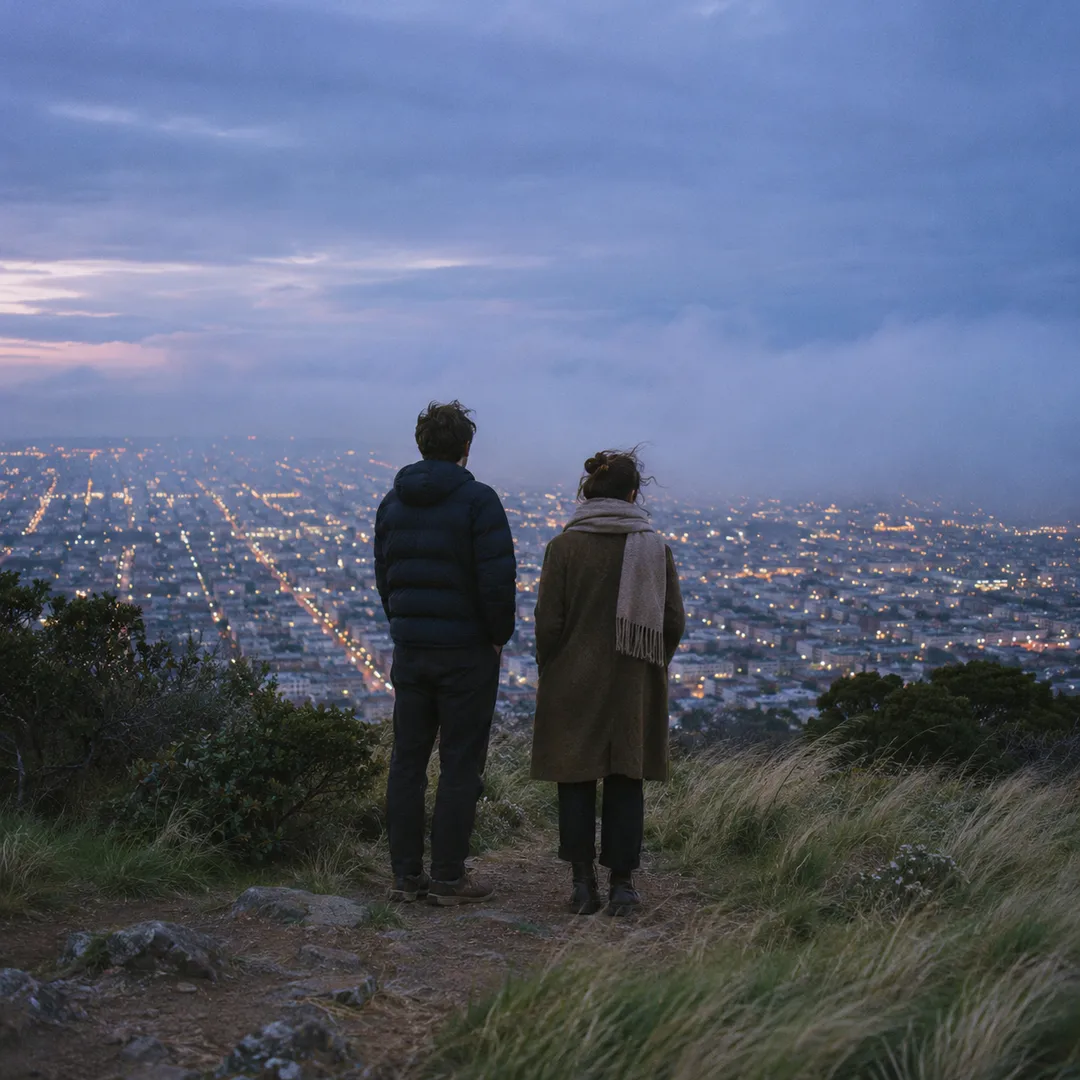
 Twin Peaks Hilltop Staircase Walk Planner for City Lights
Free Things to Do
Street Art Near Me in San Francisco: Clarion Alley Mural Project
A free Mission District walk through Clarion Alley, with public-art context, respectful viewing rules, and practical San Francisco timing.
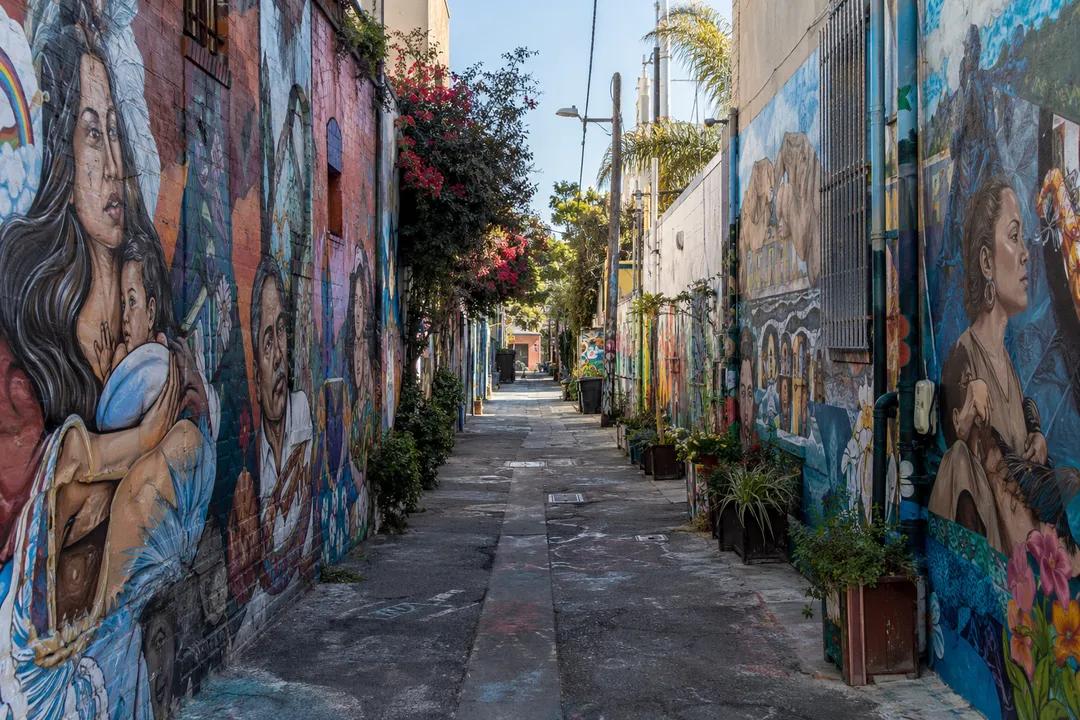
For street art near me in San Francisco, Clarion Alley is one of the clearest places to start. The narrow Mission District alley is filled with murals that often respond to politics, identity, migration, labor, and local life. It is free to enter on foot from the public street, but the lane is also a working passage for residents and deliveries. The right visit feels like attentive walking, not a private gallery takeover.
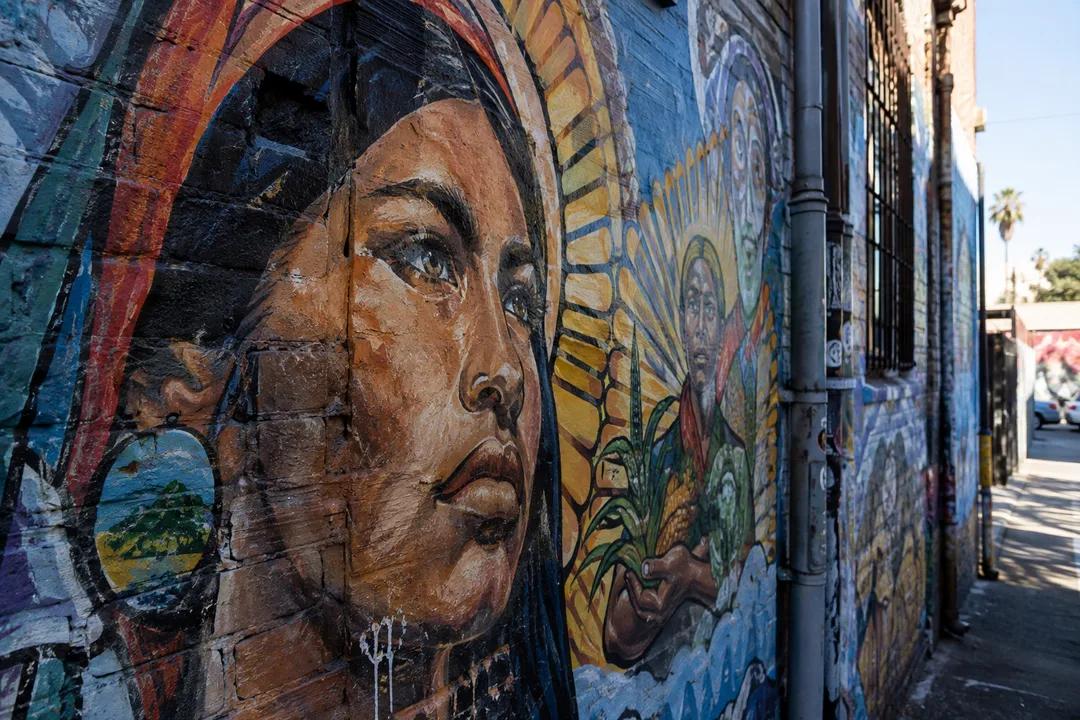
The project was founded in the early 1990s by a collective of artists and organizers who wanted a community-controlled space for socially engaged mural work. That origin still matters. Clarion is not a permanent theme park and not every wall speaks in the same voice. Panels can be painted over, repaired, or changed in response to current issues. Treat the alley as an evolving public forum with a strong visual archive.
Visit during daylight, preferably on a weekday morning if you want clear views and fewer groups. Late afternoon can produce beautiful side light on the brick and stucco, but the alley becomes busier and some panels fall into shade. Admission is $0 and there is no ticket line. If you want a quieter experience, the best queue strategy is to wait at the entrance until a group exits rather than pushing into a crowded section.
Clarion's murals are known for direct language and strong point of view, but the image does not always reveal itself from one angle. Read the full wall first, then examine borders, pasted paper, brush marks, and older layers. Some pieces are tightly composed; others use the alley's doors, pipes, and rough surface as part of the work. The physicality of the place is inseparable from what the artists are saying.
Because the alley is narrow, keep to one side when other people approach and never block a doorway. Do not touch the walls, lean equipment against them, or sit in front of a panel for a long portrait session. If residents or workers need through, move immediately. The free public setting works because access is shared. Respecting that rhythm is more important than getting an uninterrupted photograph.
The Mission is well served by BART and buses, and walking from a nearby station lets you build a useful mural route. Valencia Street offers food, shops, and cafes after the alley, while Mission Street gives you a different neighborhood pace. Driving is inconvenient because parking is scarce and the alley is not a drop-off zone. Plan to walk several blocks and use transit for the arrival and departure.
There is no menu or onsite price beyond free public access, so budget $0 for the mural itself. Bring water and choose a nearby cafe for a break instead of eating inside the alley. If you are with children, explain that the walls are artwork and private entrances remain private. A short visit can be enough; lingering is best done in a legal public space that does not narrow the passage.
The strongest photographs often avoid the obvious postcard frame. Try a low view down the alley, a vertical crop that includes utility lines, or a detail of paint crossing a seam in the wall. Natural light changes quickly between the buildings, so watch your exposure. Avoid adding artificial lights or flash when people are present. The documentary feel comes from accepting the alley as it is.
Clarion can feel different from one hour to the next. Quiet mornings make it possible to read small text and subtle layers, while busier afternoons reveal how the art functions as a shared neighborhood place. There is no reservation system. Check current project updates if you are hoping to see a particular artist's panel, because the collective's walls are intentionally subject to change.
Street art near me searches often reward spectacle, but Clarion's value is its argument. A mural can be beautiful and confrontational at the same time. Give yourself enough time to understand a wall before photographing it, and avoid treating political content as decoration. If a panel challenges you, note the artist or project context and continue. The alley is more rewarding when you arrive prepared to listen visually.
After Clarion, walk north or south through the Mission rather than immediately leaving. Pair the alley with a coffee, a bakery stop, or a longer look at nearby public murals, but keep the plan loose. Dolores Park is a possible extension if you want open space, while Valencia offers a dense urban finish. The neighborhood has enough detail that one focused art stop can become a half-day without feeling repetitive.
Practical Notes: Clarion Alley is free and self-guided from the public alley, with no standard reservation requirement. Verify current access and project notices before visiting because individual panels and conditions change. Wear layers, use transit, keep group sizes small, and avoid blocking doorways. A current map is useful, but the alley itself is the authoritative sequence. Do not assume a famous older mural is still present.
This is a strong fit for adults, older children, photographers, design students, and visitors who want socially engaged public art. It is less comfortable for anyone needing a wide, flat, quiet walkway or a weatherproof indoor attraction. The narrow space is part of the experience, but it also means visitors must share it carefully. Choose another stop if the alley is crowded or slick and you need more room.
Clarion Alley makes the phrase street art near me feel specific. It is not just a cluster of painted walls; it is a neighborhood-managed conversation that keeps changing as artists respond to the city. Walk slowly, read the edges, and leave room for residents. The best souvenir is not a perfect image but a clearer sense of how public art can be both a visual experience and a civic voice. Before leaving Clarion, look once more at the entrance and the exit as social spaces rather than photographic frames. A person carrying supplies, a resident opening a door, or an artist checking a panel may need the same few feet you are using. Step aside, lower the camera, and let the alley function. That simple courtesy is part of the project's history of shared authorship. You are not only observing a collection of murals; you are entering a space where public expression, private life, and neighborhood movement have to coexist every day.
Ask Karpo for more information.
Keep reading
- Twin Peaks Hilltop Staircase Walk Planner for City Lights
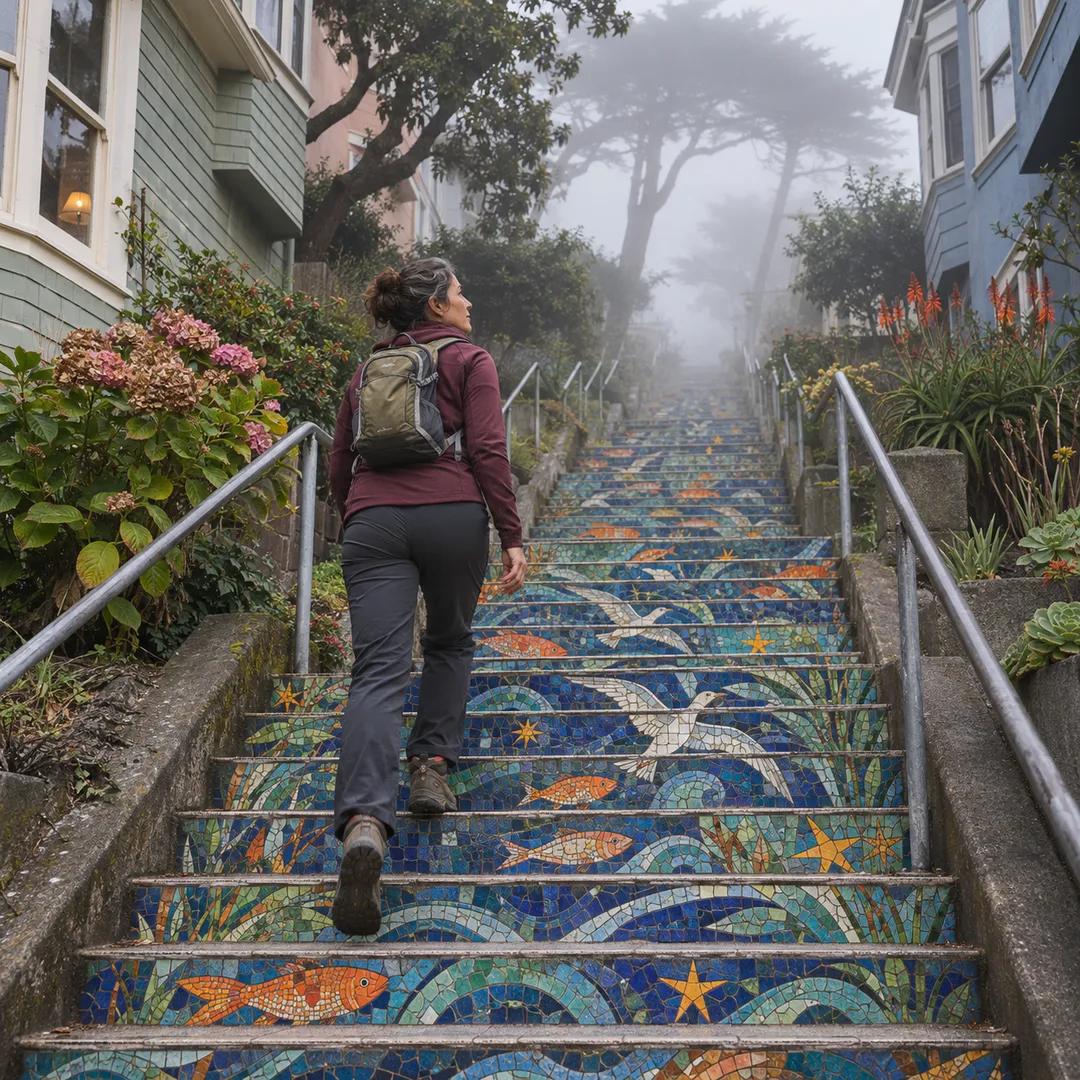 Inner Sunset Hilltop Staircase Walk Planner for Trekkers
 Bernal Heights Hilltop Staircase Walk Planner With Kids