 Twin Peaks Hilltop Staircase Walk Planner for City Lights
Free Things to Do
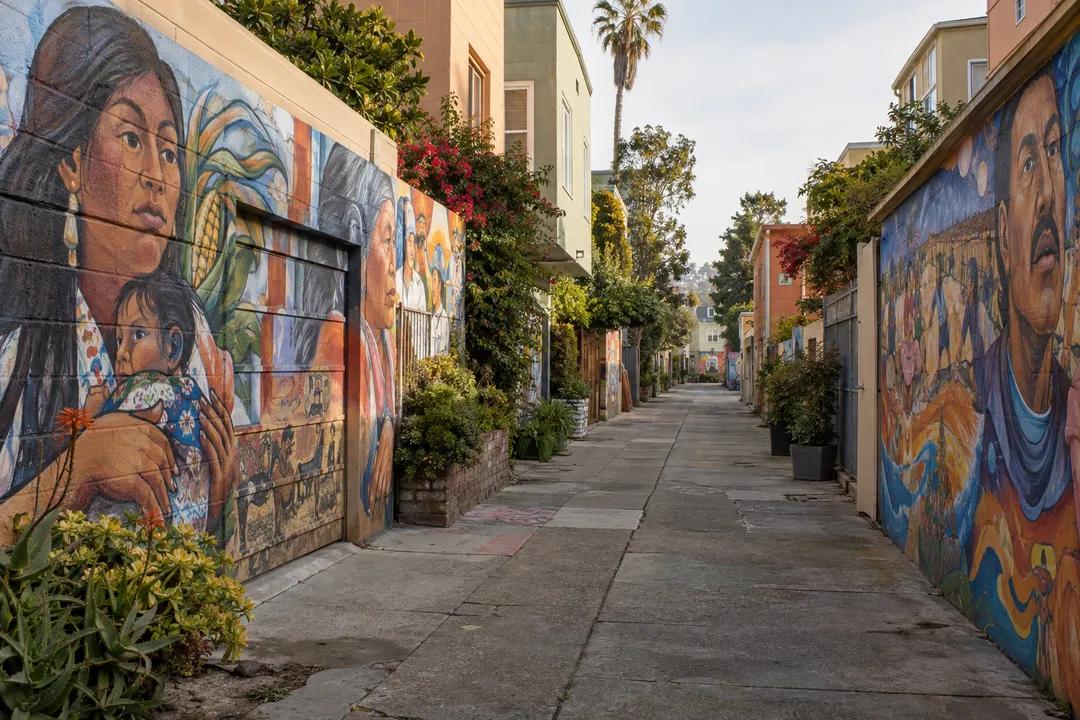
Street Art Near Me in the Mission: Balmy Alley Murals
A free Mission District mural walk through Balmy Alley, focused on Chicano and Latin American history, neighborhood etiquette, and practical route planning.
If you are searching street art near me in San Francisco's Mission District, Balmy Alley offers a quieter and more historical kind of mural walk. The alley is known for a concentrated group of murals rooted in Chicano and Latin American identity, community memory, and political expression. It is free to view from the public lane. Because homes and back entrances sit directly beside the work, visitors need to move with extra care.
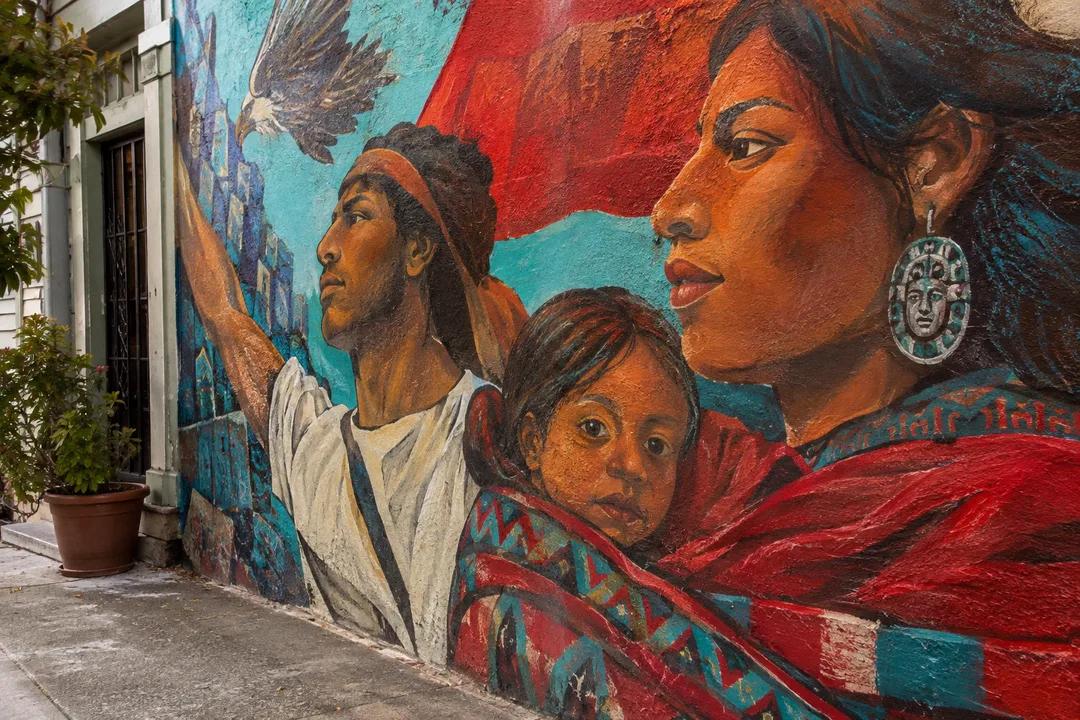
Balmy Alley began developing as a mural corridor in the 1970s, with artists using the walls to express solidarity, cultural pride, and resistance to violence and injustice. Precita Eyes has played an important role in preserving and teaching the Mission's mural tradition. Specific panels and dates can vary, but the long history is visible in the range of styles, restoration marks, and layers that connect older work to newer interventions.
Daylight is essential. Morning provides softer light and better conditions for reading details, while the afternoon can bring stronger contrast between sunlit walls and shadowed doorways. Admission is $0 for a self-guided walk. There is no formal queue, but pause at the entrance if a group is leaving and keep moving when the lane narrows. A quiet weekday visit is the easiest way to see the art without crowd pressure.
The murals cover a wide range of subjects, from Indigenous and Latin American imagery to labor, family, migration, peace, and neighborhood history. Look for repeated colors and symbols across separate walls. The alley works as a conversation, not a single artist's statement. Start with a wide photograph that shows the relation between panels, then return to faces, hands, plants, and painted borders that reveal the care in the smaller sections.
Balmy Alley is residential, so the etiquette is not optional. Stay out of doorways, do not sit on private steps, and keep voices low. Ask before photographing a resident or a child. The walls may be famous, but they are not a license to treat the alley as a film set. If a delivery or resident needs to pass, move to the nearest open space and let them through without making them ask twice.
Transit and walking are better than driving. The Mission's grid is walkable, and you can combine Balmy Alley with nearby mural corridors, cafes, and neighborhood businesses. Parking is limited and a car makes it harder to appreciate the small scale of the route. Carry a light layer because San Francisco weather can shift even on a bright day. A compact camera or phone is sufficient; a large rig is not.
The alley itself has no cafe, ticket counter, or retail price, so the art walk remains free. Plan a meal or drink outside the residential lane, and keep food away from painted surfaces. If you join a guided Precita Eyes tour, confirm the current schedule and price separately. A paid educational tour and a free self-guided visit are different experiences, and both should respect the same public-space boundaries.
The best way to read Balmy is slowly. A mural may reference a historical event or community figure that is not obvious from the image alone. Take notes about titles or artists when available, then research after you have made your own first impression. Do not reduce the work to a list of colorful photo spots. The project carries memory, and the memory becomes clearer when you let the walls remain connected.
Avoid the busiest weekend window if you want clean photographs. Early morning is usually more comfortable, while late afternoon can bring warm color and more pedestrians. There is no booking rule for the alley itself, but guided events may have a meeting time and group limit. If the lane feels crowded, step out, visit another nearby block, and return later. A shorter respectful visit is better than a stressful one.
Street art near me results can make every mural feel interchangeable. Balmy Alley resists that flattening because its history is legible in the subject matter and in the relationships between artists. Look for how a wall names a place, remembers a struggle, or turns a domestic boundary into a public story. The visual language is vivid, but the meaning is not just decorative. Let the context lead your attention.
Build a longer Mission itinerary around the alley only after you have protected time for the murals. Precita Park, nearby taquerias, and other public-art routes can extend the day, but do not try to photograph every wall in one pass. A good plan is Balmy first, a food stop second, and one more art corridor only if your group still has energy. The neighborhood offers plenty without requiring a marathon.
Practical Notes: self-guided viewing is free and outdoors, while organized tours may have separate dates, capacity, or pricing. Check Precita Eyes or current project information before traveling, especially if you want a guide. Wear walking shoes, keep clear of private entrances, and expect uneven light. Do not touch or lean on the walls. The murals are living neighborhood surfaces, not protected glass-front exhibits.
Balmy Alley suits visitors interested in public history, Chicano art, community murals, and thoughtful neighborhood walks. It is especially good for families who can discuss what they see and for photographers willing to work respectfully. It is less suitable for people seeking a broad plaza, a quick drive-by, or a completely silent gallery. The residential setting is part of the meaning and requires patience from everyone who visits.
The lasting value of Balmy Alley is the way it turns a narrow passage into a long-form community record. Search street art near me when you need a starting phrase, then let this Mission walk slow you down. Read the murals as images, documents, and acts of care. Leave the alley with the walls intact, the doorways clear, and enough curiosity to learn the history behind the colors. If you want more historical context, arrange a current Precita Eyes tour rather than relying on a caption copied from an old blog. A guide can explain artists, restoration, and the relationship between Balmy Alley and the Mission's broader mural movement. Confirm the meeting point, price, and accessibility before booking. On a self-guided visit, keep your own notes modest and verifiable. It is better to say that a mural carries a theme you are still researching than to attach an invented date or name. Accuracy is another form of respect for the people represented on the walls.
Ask Karpo for more information.
Keep reading
- Twin Peaks Hilltop Staircase Walk Planner for City Lights
 Inner Sunset Hilltop Staircase Walk Planner for Trekkers
 Bernal Heights Hilltop Staircase Walk Planner With Kids