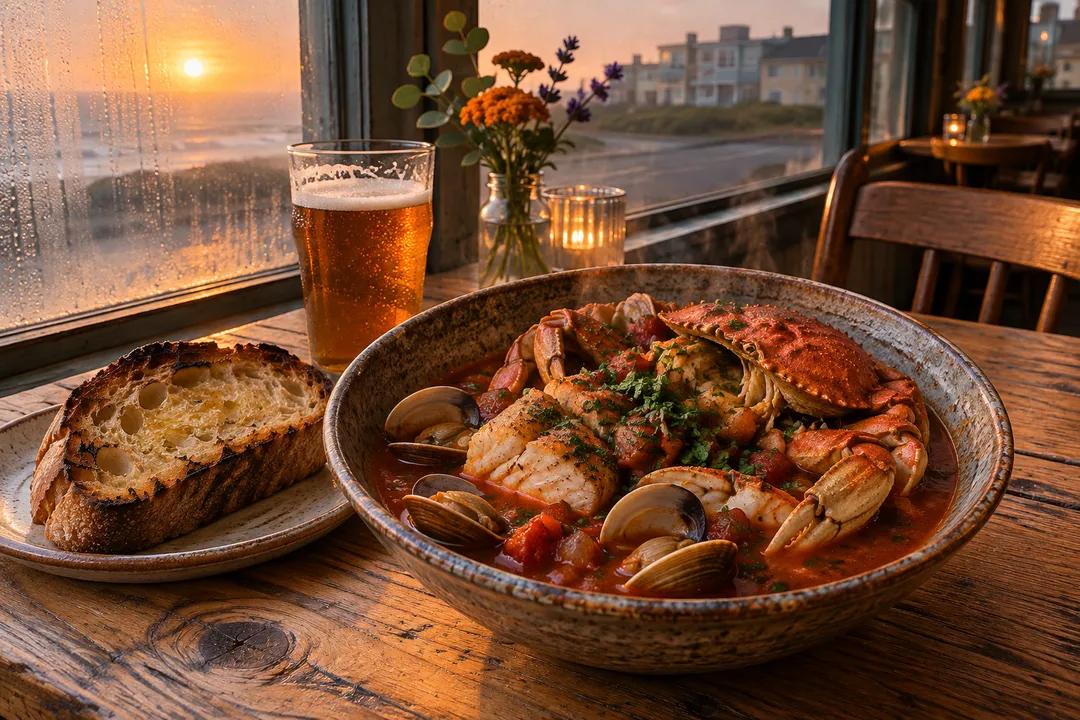
 Outer Sunset Cioppino Dinner Picker: Pots by Ocean Beach
Restaurants
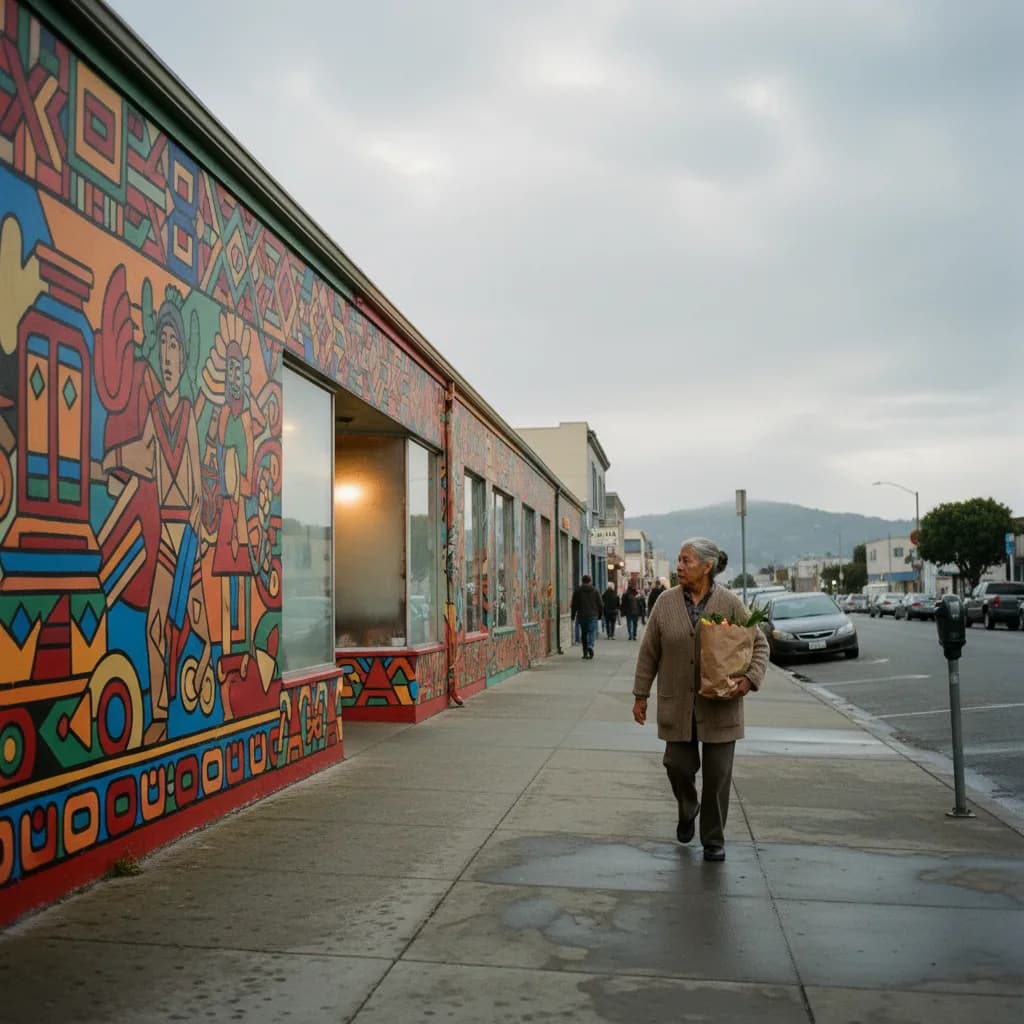
Mission District Steaming Broth Comfort Eats: Sunday Pozole
Mission District steaming broth comfort eats peak on weekend mornings: pozole, menudo, and caldo de res on 24th Street, then a mural walk through Balmy Alley.
Steaming broth comfort eats in the Mission District follow the calendar more than the clock. On Saturday and Sunday mornings, many of the neighborhood's Mexican and Central American kitchens bring out the slow-cooked soups that take hours to make: red or green pozole with hominy, tripe-heavy menudo, and big bowls of caldo de res with corn on the cob and wedges of cabbage. Families come in after church, friends come in after a long Saturday night, and nobody is in a hurry. If you want to understand why San Franciscans line up for soup when the summer fog sits on the city, spend one weekend morning walking 24th Street.
Why the Big Soups Arrive on Weekends
Pozole and menudo are labor-intensive. Hominy needs time to bloom, tripe needs long simmering and careful cleaning, and the chile base for a red pozole is ground and strained by hand in many family kitchens. For restaurants, it makes sense to cook a large pot once or twice a week, and in Mexican food culture these soups have long been associated with weekends, celebrations, and the morning after a party.
The result is a soft weekly rhythm. Weekday lunch along Mission Street means burritos, tortas, and plates of carne asada. By Saturday morning, chalkboards and paper signs taped to windows start advertising the soups, and by Sunday afternoon popular pots may be scraped clean. Arriving between nine and noon on a weekend gives you the best chance of finding everything on offer.
Red, Green, or Tripe: Choosing Your Bowl
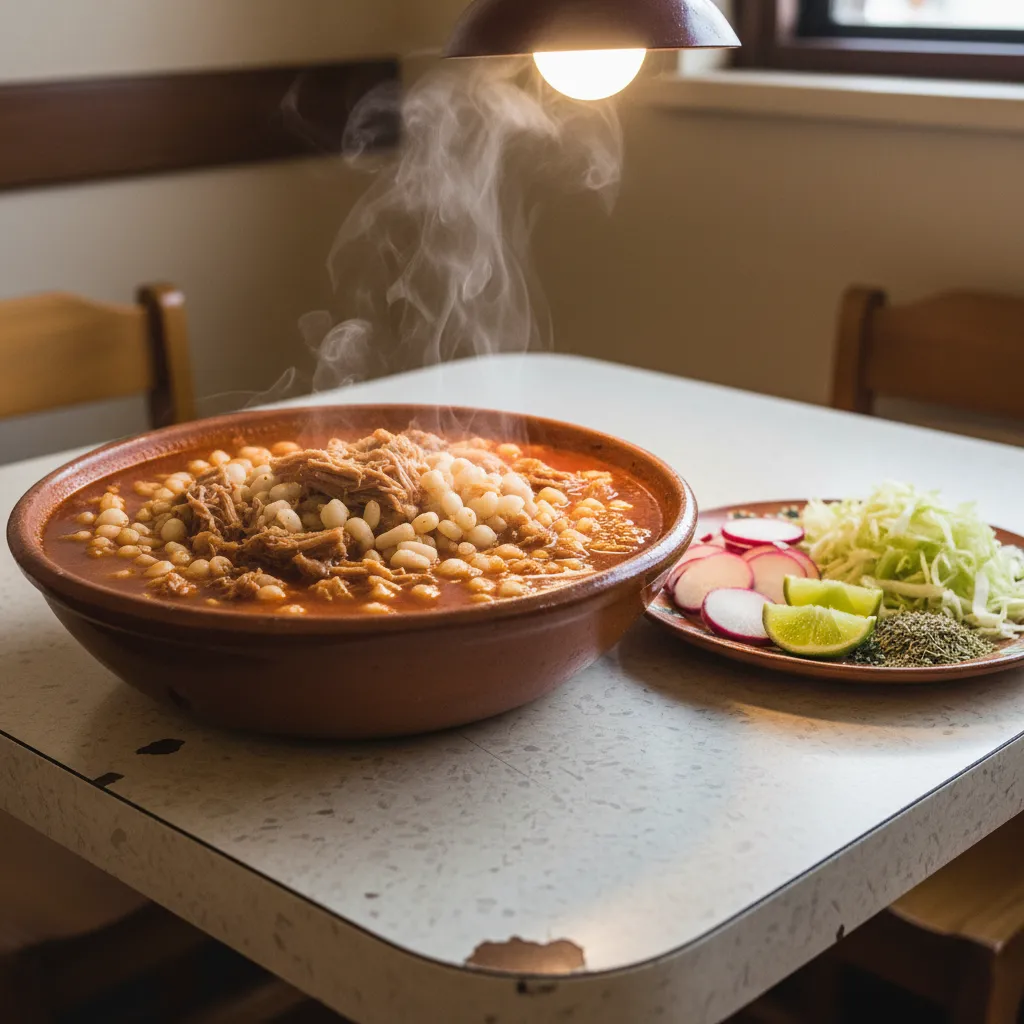
Red pozole, colored with dried guajillo or ancho chiles, is the most common version and the easiest introduction. It is earthy rather than fiery, usually built on pork, and comes with a plate of garnishes: shredded cabbage or lettuce, sliced radish, chopped onion, dried oregano, lime, and sometimes tostadas. The garnish is not decoration. Add it gradually and the bowl changes with every few spoonfuls.
Green pozole uses tomatillos, fresh chiles, and pumpkin seeds, and tastes brighter and more herbal. It is less common, so if you see it, try it. Menudo is the adventurous option, a beef tripe soup in a red chile broth that devotees swear by after a late night; the texture is chewy and the flavor deep. Caldo de res, a clear beef broth with large pieces of vegetables, is the gentle choice for children and for anyone who prefers a soup that tastes simply of meat, corn, and carrots.
Further along, some Salvadoran kitchens serve sopa de res or sopa de pata, rich beef soups with yuca and plantain, often alongside pupusas. Ordering one bowl of soup and one plate of pupusas to share is an excellent way for two people to sample both traditions.
How the Counter Works
Many Mission taquerias and family restaurants use counter ordering: you order and pay at the register, take a number, and find your own table. Soups are usually offered in two sizes, and the larger one is often enough for two light eaters. Ask for extra tortillas if you want to make small tacos from the meat at the bottom of the bowl, a habit that many regulars follow.
Weekend crowds come in waves. Large family groups tend to arrive after morning Mass, and the brunch crowd from Valencia Street drifts east a little later. A party of two can usually find a seat within a few minutes, while groups of six or more should be ready to wait or split across tables. Spanish is spoken everywhere, but menus and servers almost always handle English as well.
A few small courtesies help. Clear your own tray if you see others doing it, leave the salsa bottles where you found them, and do not hold a big table for latecomers while families wait by the door. If you are unsure how hot a salsa is, try a drop on a tortilla chip before adding it to the whole bowl; a kitchen's house salsa can be much stronger than the broth it is meant to brighten.
Walking 24th Street and Balmy Alley
Lower 24th Street is the heart of the Calle 24 Latino Cultural District, which the city formally recognized in 2014 to protect the neighborhood's Latino businesses and culture. On a weekend morning, the street smells of fresh bread from panaderías, roasting coffee, and the soup pots inside small diners. Fruit vendors set up along the sidewalk, and older residents gather outside the bakeries to talk.
Between 24th and 25th Streets, just east of Harrison, Balmy Alley is lined with murals painted on garage doors and fences. The tradition began in the early 1970s, and in the 1980s artists covered the alley with work responding to the conflicts in Central America. Pieces are repainted and replaced over time, so even regular visitors find something new. Precita Eyes Muralists, a community arts organization founded in 1977, runs guided mural walks from its center nearby if you want the full history.
Walk off your bowl by heading west on 24th Street toward Mission Street, then north on Valencia to see the neighborhood's newer shops, or west to Dolores Park, where the city view from the upper slopes explains why locals put up with the hill.
Practical Notes
BART stops at 24th Street Mission and 16th Street Mission, both on Mission Street, and Muni buses run along Mission, 24th, and Valencia. Parking on weekend mornings is limited, especially near the parks, so transit or a bicycle is the easier option.
Bring cash as a backup, because a few small family places prefer it, and dress in layers. The Mission is often one of the sunnier parts of the city, but a bowl of hot pozole at a window table still feels best when the morning fog has not yet burned off.
If you are planning a group outing, tell the Karpo APP which soup you are craving, how many people are coming, and whether you need a place for children, for example red pozole for six near 24th Street on Sunday morning. Karpo suggests spots to compare and keeps them in a shared list, so the group can agree before anyone leaves home. Confirm the day's soups with the restaurant, because weekend pots run out.
Ask Karpo for more information.
Keep reading
- Outer Sunset Cioppino Dinner Picker: Pots by Ocean Beach
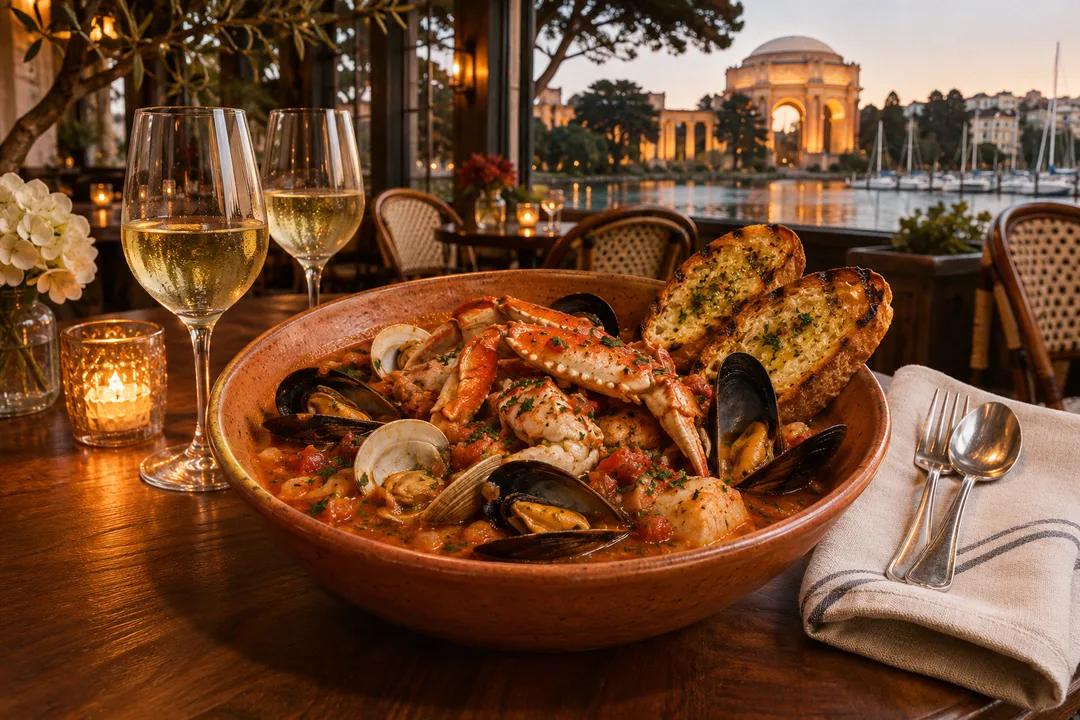 Marina Cioppino Dinner Picker: Bistros After Bay Walks
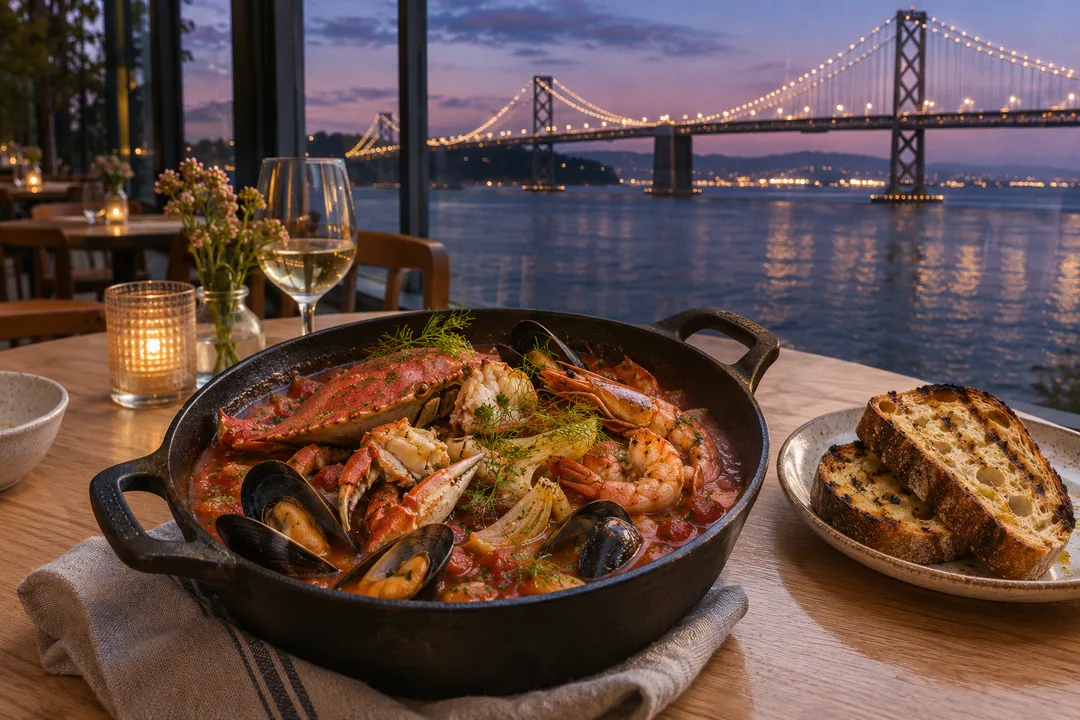 Embarcadero Cioppino Dinner Picker: Pots by the Bridge