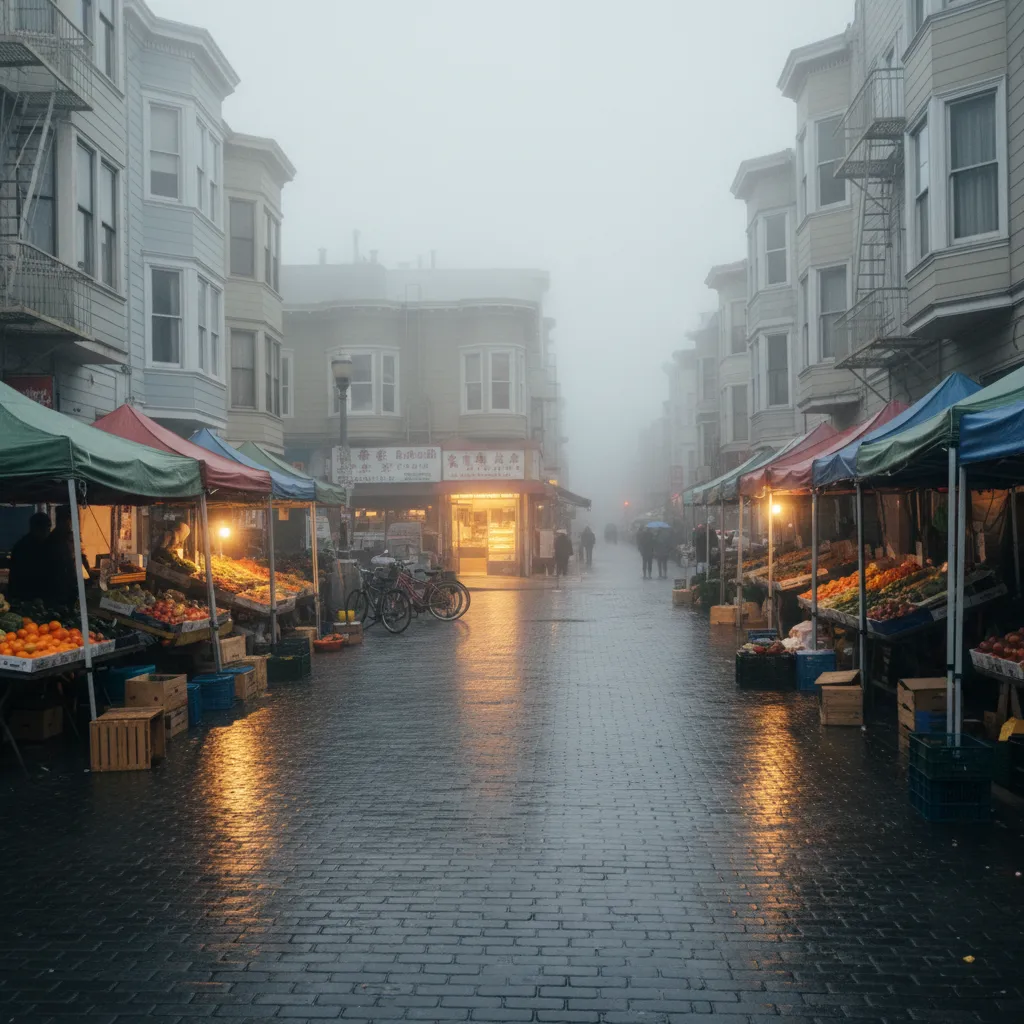
 Inner Richmond Egg Tart Bakery Crawl: Clement Street Pastry
Coffee & Dessert
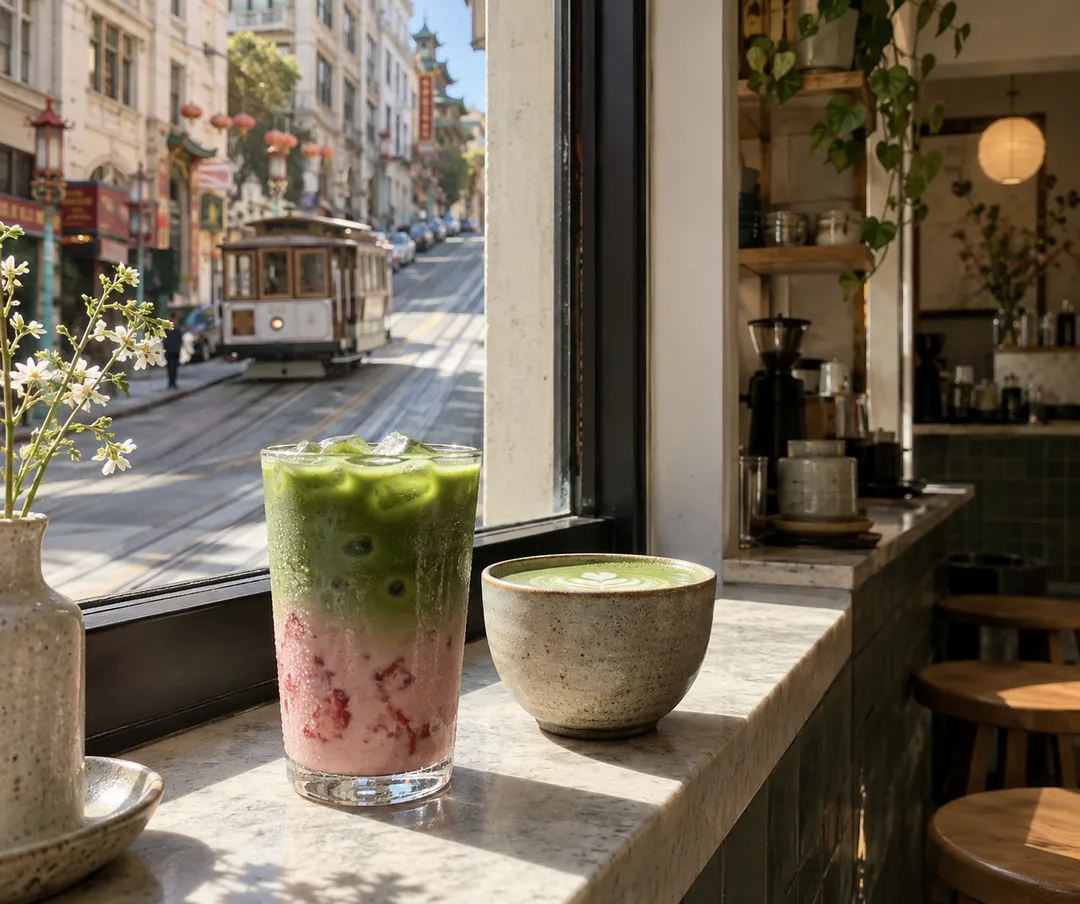
Coffee Movement Specialty Matcha Cafe: $6.50 Chinatown Tea
The Coffee Movement at 1030 Washington Street serves specialty matcha and lists $6.50 drinks. Order at the counter, then plan a tea break nearby.
The Coffee Movement is the specialty matcha cafe answer for a Chinatown morning that should continue beyond the cup. Its first permanent shop sits at 1030 Washington Street, partway up the hill between the neighborhood's busiest commercial blocks and Nob Hill. The menu treats matcha with the same focused curiosity that made the cafe known for coffee, moving from a plain latte to pistachio, strawberry, mango, and black sesame combinations without turning the counter into a novelty-drink warehouse.

The business began as a mobile coffee bar built into a cream-colored 1969 Volkswagen bus. Founders Bryan Wang, Taining Gui, and Chris Yen opened the Washington Street storefront in 2019, giving the roaming project a compact home in Chinatown. A second cafe later opened at 1737 Balboa Street in the Inner Richmond. That progression still explains the brand's personality: efficient enough for a moving line, detailed enough to make one carefully prepared drink feel like a destination.
Start with the original matcha latte at $7 if this is your first visit. It is the cleanest way to understand the shop's baseline before fruit, nuts, or sesame enter the cup. Order it hot when fog is sitting over the hill and iced when the sidewalks are bright. The original also makes sense for a solo walk because its flavor stays coherent as the drink cools, instead of changing dramatically when a puree settles or ice dilutes a layered mixture.
The pistachio matcha costs $8.50 and is the best bridge between tea and dessert. Pistachio adds a roasted, creamy direction without hiding the matcha's vegetal edge. Stir enough to combine the bottom layer, then pause before flattening every texture into one color. If two people are ordering, pair pistachio with the original rather than buying two flavored cups. That side-by-side comparison shows whether the nutty version is adding depth or simply more sweetness for your palate.
Strawberry matcha, black sesame matcha, and blue mango matcha are also listed at $8.50. Strawberry gives the sharpest fruit contrast, black sesame brings a deeper toasted character, and mango pushes the drink toward a tropical afternoon treat. These are not interchangeable choices. A group should order different flavors, set the cups together for one quick photo, then taste before the ice melts. Passing cups carefully is better than buying every version for one person and abandoning half-finished drinks.
The counter is small enough that indecision becomes visible. Read the menu before reaching the register, choose hot or iced, and know whether you want the original or a layered drink. If friends are still debating, step aside instead of blocking the pickup area. Keep backpacks close to your legs and do not spread shopping bags across spare stools. The room works best when customers treat it like a precise neighborhood stop rather than a long meeting hall.
Matcha orders and espresso orders also move at different rhythms, so do not assume the cup that was ordered after yours should finish later. Baristas may be pulling shots, whisking tea, and assembling layered drinks at the same time. Wait near the designated handoff point without leaning over the bar. When your name is called, collect every item before adjusting lids, straws, or sleeves. Those small habits keep the narrow service lane open during a rush.
Weekday timing is the easiest way to lower the friction. The official hours are 7 am to 2 pm Monday through Friday and 7 am to 4 pm on weekends. Arrive after the first commuter wave but before lunch traffic for the best chance of a calmer order. Weekend mornings can combine neighborhood regulars with visitors climbing toward the cable car line, so an early arrival is more useful than hoping the room suddenly empties at noon.
If you want to compare the tea program with the cafe's coffee identity, the menu offers an espresso trio for $9, a pour over for $7, and a deconstructed latte for $7. The espresso trio is a deliberate tasting order rather than a casual refill, while the deconstructed latte separates components so you can notice milk, espresso, and their combined form. Save those for a second visit unless your group can share; stacking multiple tasting drinks beside matcha makes the distinctions harder, not clearer.
Begin the neighborhood walk by heading downhill on Washington Street toward Grant Avenue. The grade immediately reminds you that this cafe is positioned between Chinatown and Nob Hill rather than on a flat shopping corridor. At Grant, turn south for decorated balconies, markets, bakeries, and the denser visitor flow. An iced strawberry or mango matcha suits that route because it can move with you, but finish most of the cup before entering a small shop where shelf space and aisles are tight.
For a quieter line, turn from Grant into Waverly Place and look up instead of rushing through. The short alley rewards slow attention to building facades, temple balconies, and the compressed vertical life of Chinatown. Continue toward Portsmouth Square for benches and a broader sense of the neighborhood's daily rhythm. Keep lids and straws secured on the slopes, and use a public bin rather than leaving cups on a planter or low wall when you stop.
A longer route continues east toward the edge of the Financial District, where the street grid changes and the hills briefly feel less dominant. Another option climbs west toward Nob Hill, but that version is more demanding with a full cold drink. Decide at the cafe based on wind, footwear, and how much of the matcha remains. The useful plan is not the longest one; it is the route that lets you notice the neighborhood without spending every block protecting a cup from spilling.
The shop's compact scale makes it better for conversation than for spreading out a full workday. If you open a laptop during a quiet weekday stretch, keep the footprint to one seat and one outlet only when available. During a visible queue, finish the task, close the screen, and release the place. A matcha visit here is strongest as a forty-minute chapter inside a Chinatown plan, not as an attempt to turn a small specialty counter into a private office.
Practical Notes: the Chinatown cafe is at 1030 Washington Street, San Francisco, CA 94108. The Inner Richmond branch is a separate location at 1737 Balboa Street, so everyone in the group should use the same address before boarding transit. Washington Street is steep, and the closest-looking route on a map may still involve a sharp climb. Choose The Coffee Movement when specialty matcha cafe means a focused drink followed by a neighborhood walk, not a formal tea ceremony or a large brunch. The original gives you the shop's clean reference point, pistachio adds roast and richness, and strawberry, mango, or black sesame can turn the stop into a shared tasting. Use the Karpo APP to connect the cafe with Chinatown shops, Portsmouth Square, and a later meal. A useful two-person plan is one original matcha and one black sesame or pistachio matcha, followed by a downhill loop through Waverly Place and Portsmouth Square. A three-person plan adds strawberry for color and acidity without repeating the same flavor family. Avoid ordering four sweet layered drinks just because they photograph well. The better memory comes from noticing how each cup changes the walk, then returning another day for the espresso side of a cafe that began on wheels.
Choosing the bowl, latte, or fruit matcha
Timing the counter and planning your order
A short neighborhood walk after tea
Ask Karpo for more information.
Keep reading
- Inner Richmond Egg Tart Bakery Crawl: Clement Street Pastry
 Portola Egg Tart Bakery Crawl: San Bruno Avenue Pastry
 Outer Sunset Egg Tart Bakery Crawl: Ocean Mist and Custard