 Inner Richmond Egg Tart Bakery Crawl: Clement Street Pastry
Coffee & Dessert

North Beach Specialty Coffee Bean Roaster: Moka Pot Picks
Brewing Italian-style coffee at home? North Beach roasters on Columbus Avenue sell darker beans built for moka pots, and the old cafes show how to drink them.
North Beach smells like roasting coffee on the right afternoon, and that is the best clue to why it is the place to buy beans for a moka pot or a home espresso machine. Generations of Italian families built cafes and roasters along Columbus Avenue and Grant Avenue, and the house style here still leans darker, sweeter and heavier than the light roasts on Valencia Street. If your morning ritual involves a stovetop pot hissing on the burner, this is the neighborhood that roasts for you.
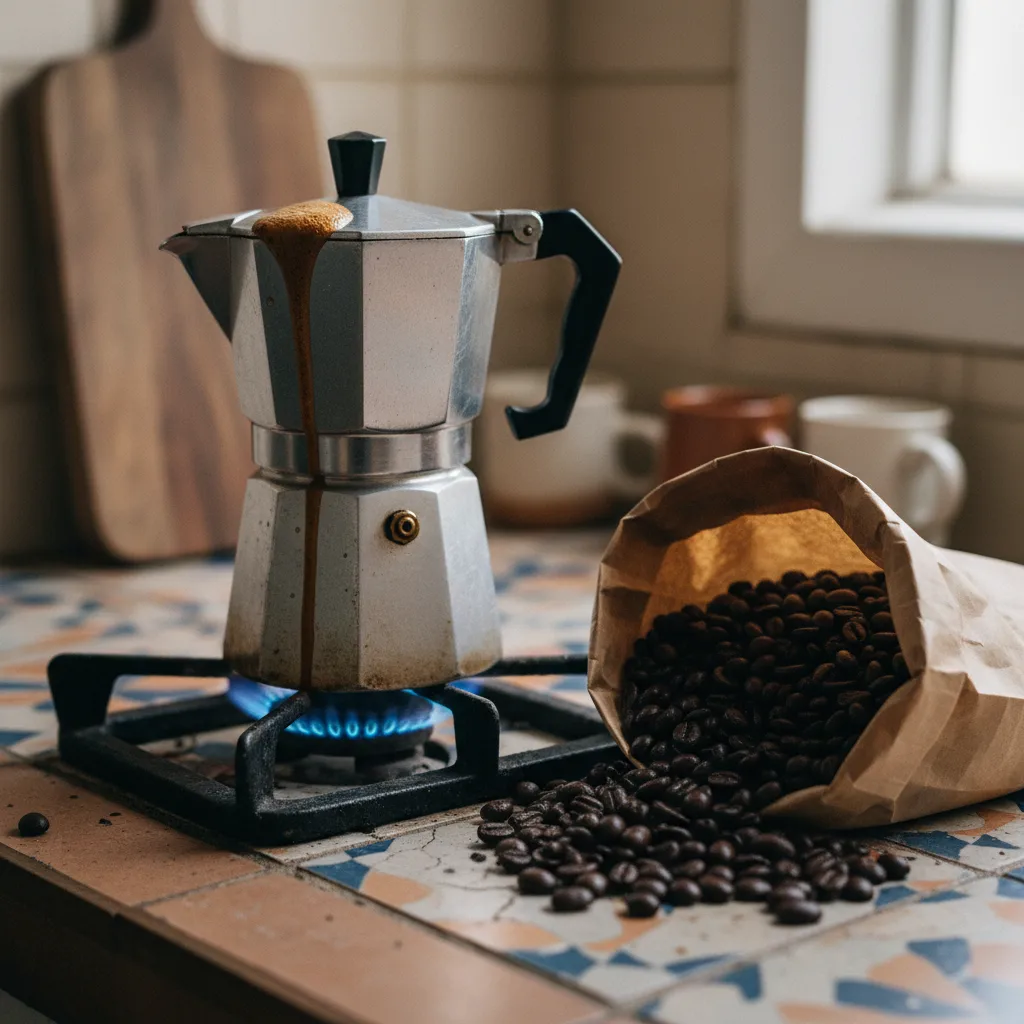
Graffeo: A Roaster That Only Sells Beans
Graffeo Coffee Roasting Company is the purest bean stop in the city. There are no tables, no pastry case and no latte menu, only a counter, scoops, paper bags and the roaster itself working behind it. The family-run shop keeps the choice short, built around a dark roast, a lighter roast and a decaf, which removes the overwhelm of a long single-origin board. Many longtime customers simply ask for a blend of the dark and light.
That half-and-half blend is a good starting point for a moka pot. Pure dark roast can taste bitter and smoky when brewed hot and fast on the stove, while the lighter roast on its own may feel thin under milk. Mixing the two gives you sweetness and body without harshness. Ask the staff to grind it for stovetop if you do not own a grinder, and tell them how you brew so they can set the grind a little coarser than espresso.
Learning the Style at Caffe Trieste and Caffe Roma
Before you take the beans home, sit down for a cup where the style was made famous. Caffe Trieste, at the corner of Vallejo and Grant, is the cafe of the Giotta family and a long-standing hangout for poets, musicians and neighbors, with photographs crowding the walls and weekend music that sometimes spills into the room. Order a cappuccino and notice how the coffee tastes through the milk: deep, chocolatey and low in acidity.
Caffe Roma on Columbus roasts its own beans in the shop, and the roaster sits in view of the tables, so you can watch a batch turn from green to brown while you drink. It is a good place to taste an espresso made from beans similar to the ones you will brew at home and to ask questions about roast level. Both cafes sell bags, which means you can buy where you liked the cup if that is easier.
How to Brew Dark Roasts Without Bitterness
Dark beans are more soluble than light ones, so they extract quickly and punish heat. Fill the base of the moka pot with water that is already hot from the kettle, which shortens the time the grounds sit on the burner. Level the basket without tamping, keep the flame low and take the pot off as soon as the stream turns pale and starts to sputter. Cooling the base under a cold tap stops the brew and keeps it sweet.
For an espresso machine, use a slightly lower brew temperature than you would for a light roast if your machine allows it, and stop the shot a touch shorter. Dark roasts shine with milk, so a cappuccino or a caffe latte will flatter these beans more than a straight double. If the shots still taste harsh, try a coarser grind before blaming the roast. Small changes matter more with these coffees than with lighter ones.
Freshness Matters Even for Dark Beans
Dark roasts look oily and seem sturdy, but they actually stale faster than light roasts because the long roast opens up the bean's structure. Buy smaller bags more often instead of one large bag a month. North Beach makes that easy, since the roasters scoop to order rather than selling only sealed retail packs. A half pound every week or so keeps the coffee tasting like it did in the shop.
Store the paper bag inside an airtight canister or roll it tightly and clip it, and keep it in a cool cupboard. Oil on the surface of the beans is normal for these roasts, but beans that smell flat or cardboard-like are past their best. If you do grind in the shop, use that coffee first and keep any whole beans for later in the week, when the ground portion is finished.
A Walk Around Washington Square
Make the bean errand part of a slow loop. Washington Square sits at the heart of the neighborhood, with Saints Peter and Paul Church rising on its north side and older residents practicing tai chi on the lawn in the mornings. City Lights Bookstore, the landmark of the Beat writers, is a short walk down Columbus toward Chinatown, and the climb up the Filbert Steps or Telegraph Hill to Coit Tower rewards you with views over the bay.
Shop for beans at the end of the walk rather than the beginning, so the bag does not ride around all day in a warm backpack. Grab a focaccia or a cannoli from one of the neighborhood bakeries to eat with your first home cup the next morning. That pairing is part of the North Beach habit, and it makes the routine feel like a small trip back every time you brew.
Using Karpo to Plan the Stop
Open the Karpo APP and describe what you need in chat, such as beans for a moka pot from a North Beach roaster and a cafe nearby where you can taste the style first. Karpo can suggest a short list with map links that you can save and revisit. It does not know what is in stock on a given day, so ask the counter staff directly about which roasts they have scooped fresh.
Practical Notes for Stovetop Brewers
Bring the size of your moka pot in mind when buying, since a three-cup pot uses roughly fifteen to eighteen grams of coffee per brew. Two brews a day go through a half pound in about a week. Clean the pot with hot water only and let it dry fully before storing it, because soap and leftover moisture both affect flavor. With fresh North Beach beans and a gentle flame, the stovetop cup at home gets very close to the one at the cafe.
Ask Karpo for more information.
Keep reading
- Inner Richmond Egg Tart Bakery Crawl: Clement Street Pastry
 Portola Egg Tart Bakery Crawl: San Bruno Avenue Pastry
 Outer Sunset Egg Tart Bakery Crawl: Ocean Mist and Custard