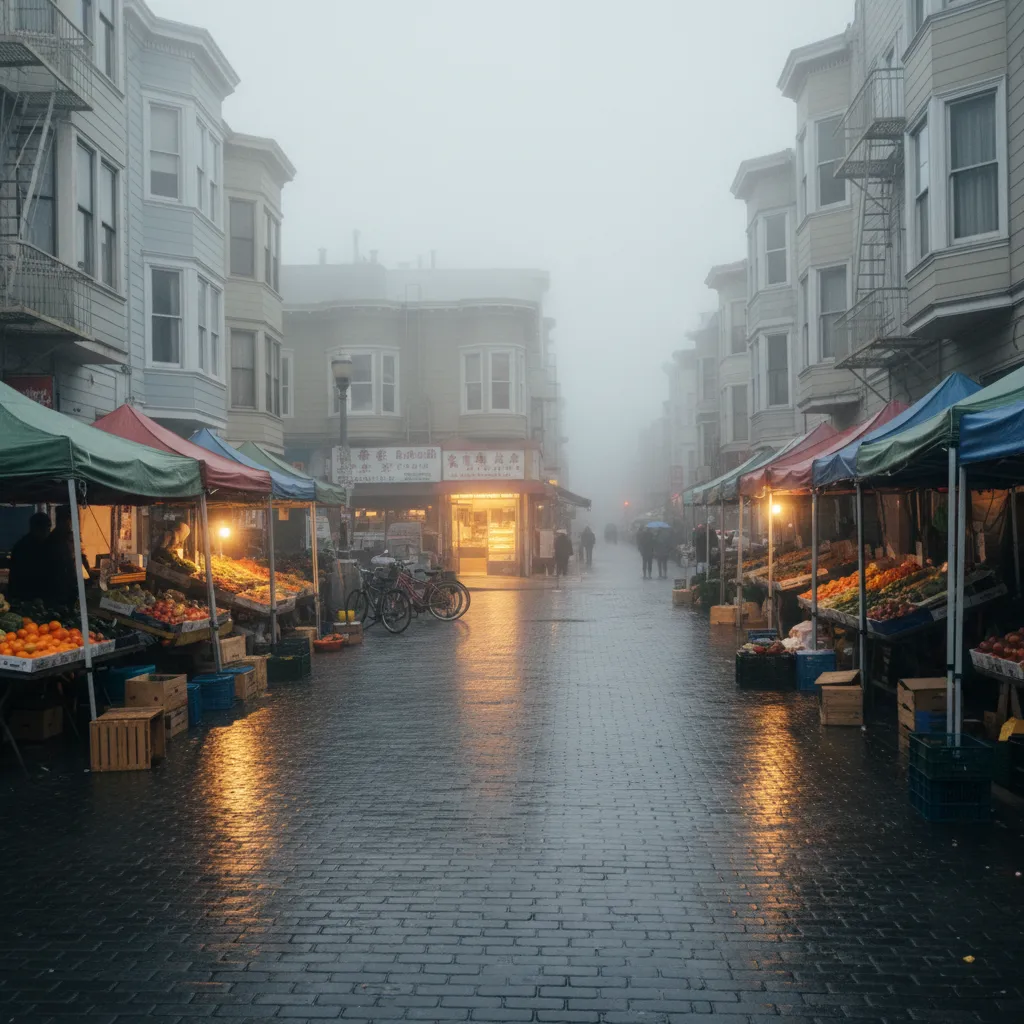
 Inner Richmond Egg Tart Bakery Crawl: Clement Street Pastry
Coffee & Dessert
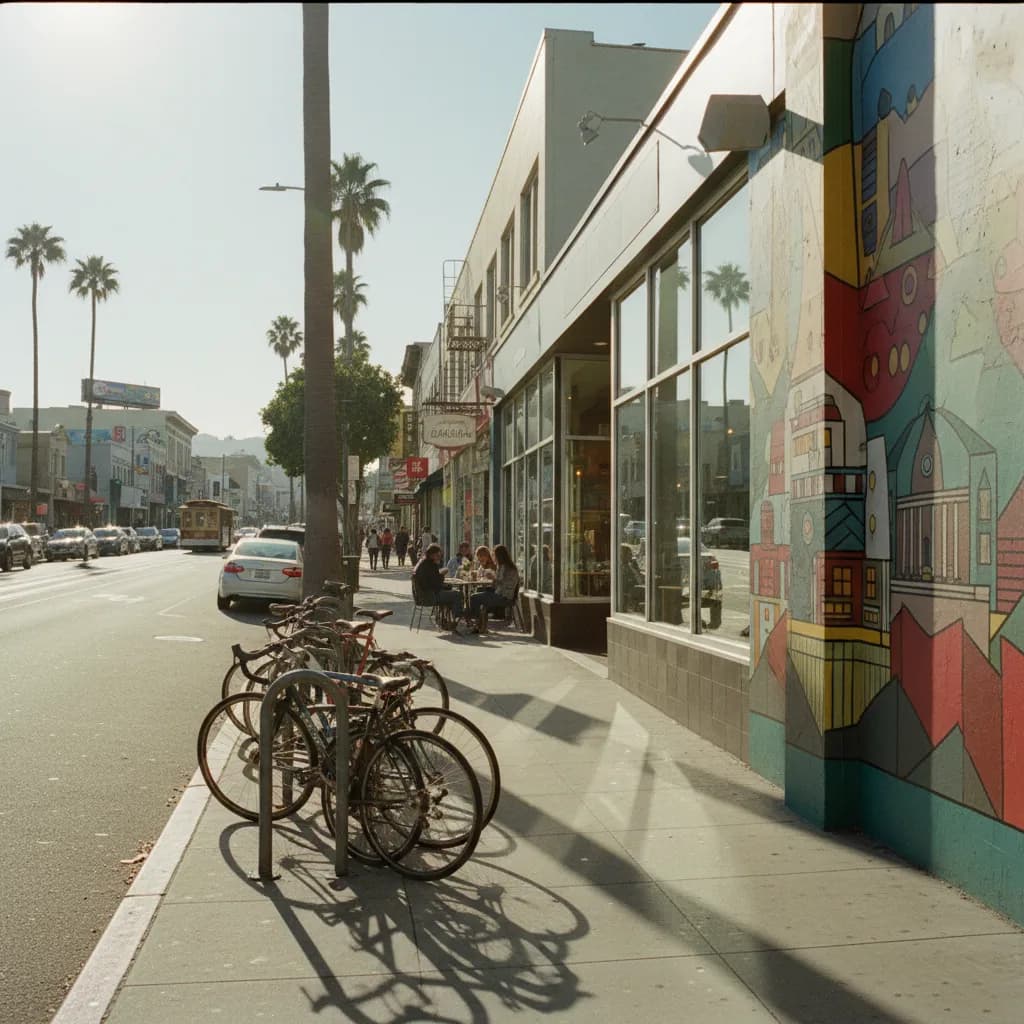
Mission Specialty Coffee Bean Roaster Trial: 3 Cups, 1 Plan
Thinking about a bean subscription? Taste three Mission District specialty roasters along Valencia Street first, then commit to the house style you finish.
A coffee subscription only pays off if you like the roaster's house style enough to drink it every morning for months. The Mission District is the easiest place in San Francisco to audition several before you sign up, because Ritual Coffee Roasters, Four Barrel and Sightglass all pour their own beans within a short walk of Valencia Street. Spend one Saturday tasting the three side by side, take a bag from the one you finish fastest, and only then hand over a recurring order.
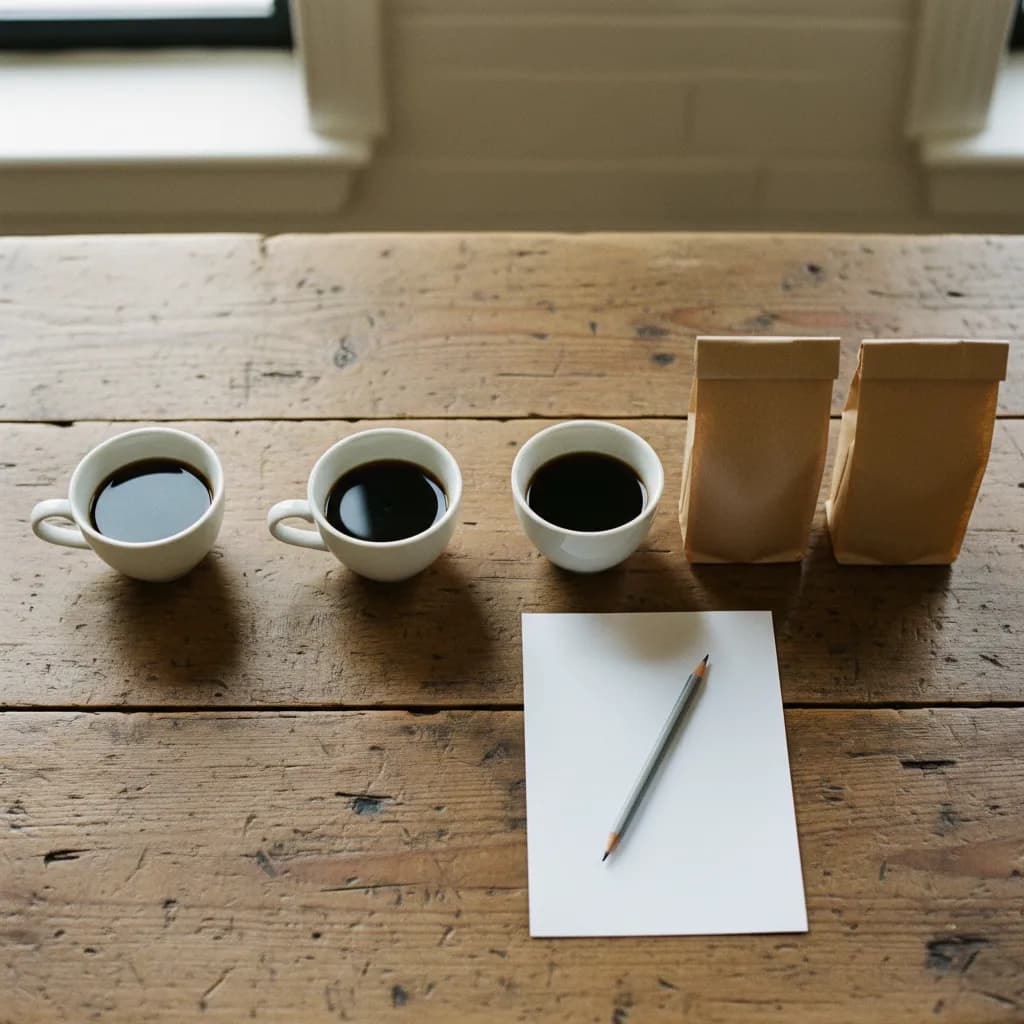
Ritual on Valencia: The Bright, Fruit-Forward Benchmark
Ritual was started by Eileen Hassi Rinaldi, who opened the Valencia Street cafe as a place where light roasting and direct relationships with farms were the point rather than a side note. The red flag on the storefront has become one of the neighborhood's landmarks. Its coffees tend to be bright and transparent, so this is the stop that tells you whether you actually enjoy high acidity in a daily cup or only admire it once in a while.
Order the coffee the barista is most excited about on pour-over and sip it slowly as it cools, since fruity coffees change the most as the temperature drops. Write down one word for how it tastes hot and another for how it tastes lukewarm. If you are still enjoying it at the bottom of the cup, Ritual's style is a real candidate. If it starts to taste sour, note that too, because a subscription would put that cup in front of you every day.
Four Barrel: Big Room, Rich Cups
Four Barrel, founded by Jeremy Tooker, roasts in the back of its Valencia Street space, and the open warehouse feel lets you watch the roasting floor while you wait. The coffee here often lands rounder and sweeter than at Ritual, with more body, which makes it a useful contrast. For a household that drinks coffee with milk, this is often the stop that wins, because heavier coffees hold their flavor better once dairy or oat milk goes in.
Try the same brew method you used at Ritual so the comparison is fair. If you drink lattes at home, add an espresso or a cortado here as a second test. Pay attention to the finish: does the flavor linger pleasantly after you swallow, or fade quickly? A long, sweet finish is a good sign that the beans will taste good even when your home brewing is a little rushed on a weekday morning.
Sightglass on 20th Street: The Balanced Middle
Sightglass was founded by the brothers Jerad and Justin Morrison, and its main roastery lives in a soaring brick building in SoMa. The Mission cafe on 20th Street is lighter and airier, with plants and a long bar, and it is close enough to Valencia to make it the natural third stop. Sightglass coffees usually sit between the other two in style, which is helpful for judging where your own preference falls on the spectrum.
By the third cup your palate will be tired, so order a smaller drink or ask for a short taste of the batch brew instead of a full mug. Drink some water between sips. This is the moment to look at your notes and rank the three, not by which coffee was most interesting, but by which one you would happily drink on a gray Tuesday. That honest ranking is what should decide where your subscription money goes.
A Simple Scorecard That Picks the Winner
Use three questions for every cup. First, did you finish it without forcing yourself? Second, would it work with your usual milk or sugar habit? Third, could you brew something similar at home with your current equipment? A coffee that scores well on all three beats a dazzling single origin that only tastes right on a perfectly tuned pour-over. Write the scores down before you leave each cafe so the last stop does not overwrite your memory of the first.
Buy one bag from the winner and brew it at home for a full week before subscribing. Real kitchens are different from cafe bars: your water, grinder and morning patience all change the result. If the bag still pleases you on day seven, set up the recurring order. If it disappoints, go back and buy a bag from the runner-up rather than signing up for the roaster whose cafe cup you liked most.
Stretch the Walk Through the Mission
The route is pleasant in its own right. Between stops, detour down Clarion Alley, where murals cover garage doors and walls from end to end, and keep walking south toward 24th Street, the heart of the neighborhood's Latino commercial strip, for panaderias and taquerias that make a good late breakfast after so much coffee. On a sunny day, finish with a bag in hand at Dolores Park, where the upper slope looks out over downtown.
Use the Karpo APP to set this up in chat: say you want to compare roasters in the Mission before starting a subscription, and ask for a short walking list with map links. Save the list, then come back after the tasting to jot down which shop won. Karpo does not manage subscriptions or know what is on each shelf today, so sign up directly with the roaster and ask the staff about current offerings.
Practical Notes for the Subscription Decision
Check how often each roaster ships and in what bag size, then match it to your real consumption. A single person brewing one mug a day uses about a pound in three weeks, while a couple drinking two each can finish that in under ten days. Choose a frequency that keeps beans arriving shortly before you run out, not weeks early, so fresh bags are not stacking up in the cupboard and aging before you get to them.
Finally, keep the scorecard. Many subscriptions rotate origins, and a roaster's light Ethiopian might delight you while its Sumatra does not. When a shipment misses, compare it to your Saturday notes and adjust the plan rather than quitting. The point of the Mission walk is not only to find a winner, but to learn which flavors you reach for, so every future bag you buy, from any roaster, is a better guess.
Ask Karpo for more information.
Keep reading
- Inner Richmond Egg Tart Bakery Crawl: Clement Street Pastry
 Portola Egg Tart Bakery Crawl: San Bruno Avenue Pastry
 Outer Sunset Egg Tart Bakery Crawl: Ocean Mist and Custard