 Inner Richmond Egg Tart Bakery Crawl: Clement Street Pastry
Coffee & Dessert
Hayes Valley Specialty Coffee Bean Roaster Bags to Fly Home
Flying out of San Francisco with beans? Shop a Hayes Valley specialty roaster near Patricia's Green and pack bags that still taste fresh after the trip home.
Hayes Valley is where a lot of visitors spend the last free morning of a San Francisco trip, and it is a smart place to buy coffee to take home. Blue Bottle's walk-up window on Linden Street sits a block from Patricia's Green, the shop-lined blocks of Hayes Street wrap around it, and the whole loop is flat enough to walk with a carry-on. This plan is about one task: choosing whole beans that survive a flight and still taste like the city when you brew them at home.
Why the Linden Street Window Is the Place to Start
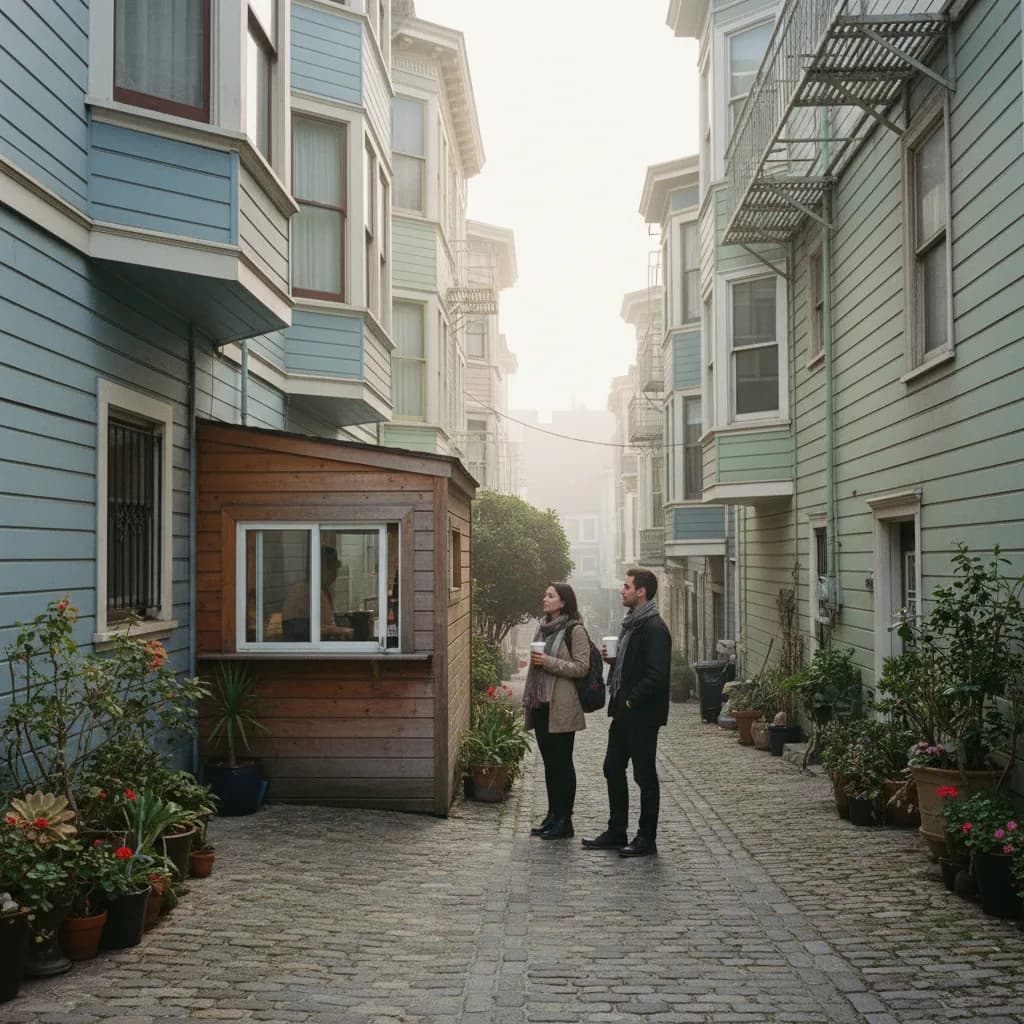
Blue Bottle began as one man's obsession. James Freeman, a clarinetist who was tired of stale coffee, started roasting small batches in the East Bay and selling them at farmers markets, insisting that beans be sold close to their roast date. The Linden Street window, cut into an old garage in the alley behind Hayes Street, became the company's first permanent home in the city. Standing in that alley with a cup is still the clearest way to understand what the brand set out to do.
For a traveler, the window matters because it lets you taste before you carry anything. Order a pour-over or a drip of whichever single origin is on the board and notice whether you like it bright and tea-like or round and chocolatey. That one cup tells you which bag to buy. People who skip the tasting and grab the prettiest label often end up with a light, citrusy coffee they never wanted to brew every morning.
Choosing Beans That Travel Well
Some coffees handle a trip better than others. Very light, floral roasts are delicate, and if the bag sits warm in a car or a hotel room they can taste flat by the time you open them. Medium roasts and blends built for everyday drip are more forgiving, and they still show where they came from. If you are buying for a household that drinks a pot each morning, pick one blend you liked in the cup and one single origin as a weekend treat.
Look at the roast date printed on the bag rather than any best-by stamp. Beans roasted within the past few days are ideal for a trip, because they will keep resting on the plane and reach their best stretch a few days after you get home. A bag that is already two weeks old will still be pleasant, but it gives you less runway. Asking the barista which bag came off the roaster most recently costs nothing and saves you from guessing.
Buy whole beans and never ground coffee for travel. Ground coffee loses its aroma within hours, and the extra surface area means it soaks up whatever it is packed next to, from sunscreen to a sandwich. If you do not own a grinder at home, this trip is a good excuse to start, and a small hand grinder fits in a suitcase corner. Otherwise, ask whether the shop will grind one bag to your brew method and plan to finish that one first.
Packing the Bags So They Land Fresh
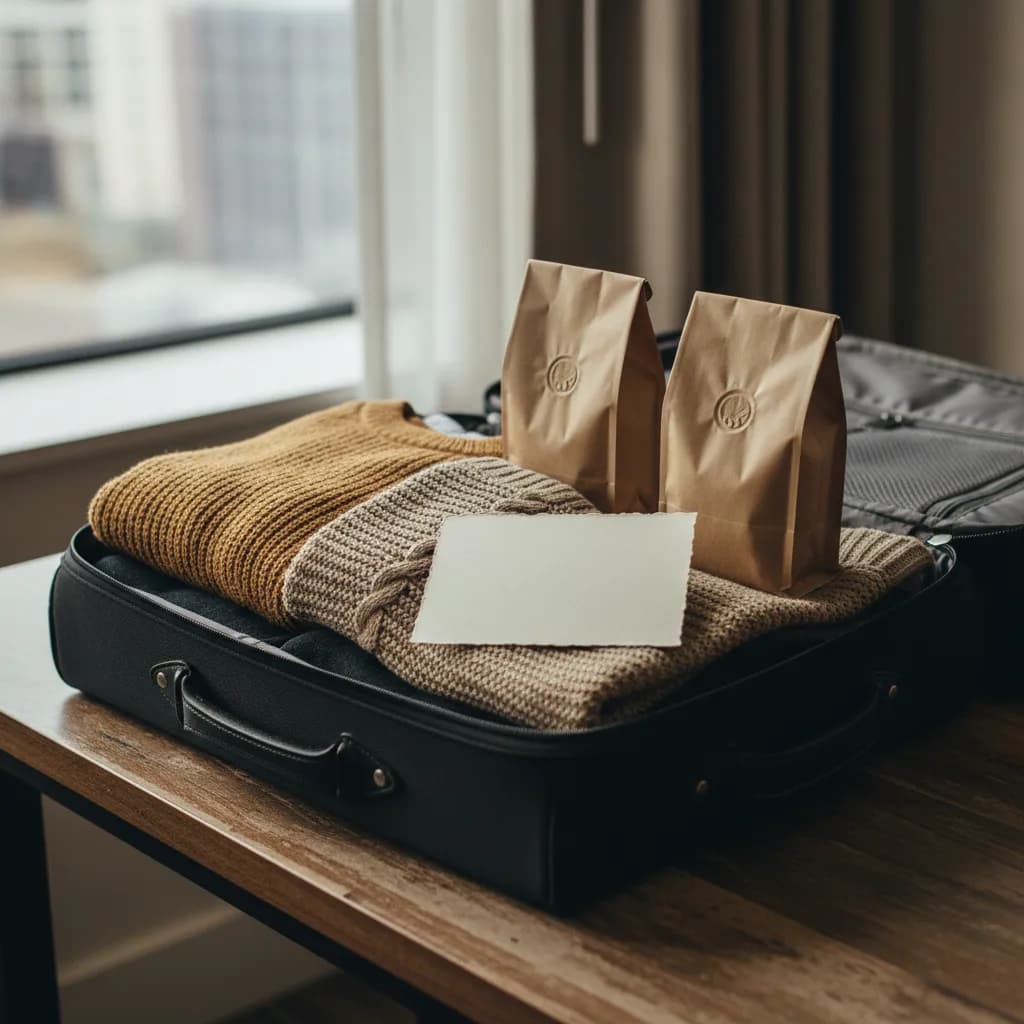
Specialty roasters seal their bags with a one-way valve so carbon dioxide can escape without letting air back in. Leave that valve alone and do not squeeze the bag flat to save room, since pressing it pushes out the gas that protects the beans. Wrap each bag in a sweater or a soft tote and keep it in the middle of the suitcase, away from the shell where temperature swings are largest during baggage handling.
Whole beans are fine in either carry-on or checked luggage on domestic flights, and many travelers keep at least one bag in the carry-on so it never sits in a hot cargo hold or goes missing with a delayed suitcase. If you are flying abroad, check what your destination allows before you pack, because some countries have strict rules on bringing in agricultural products. A sealed retail bag with a printed label is the easiest thing for an inspector to recognize.
Once you are home, move the beans into a dark container with a tight lid or simply roll the original bag closed and clip it. Keep it at room temperature in a cupboard away from the stove. The fridge is a poor choice because it adds moisture and odors every time the door opens. If you bought more than you can drink in three weeks, freeze the second bag unopened and thaw it fully before you break the seal.
A Last-Morning Walk Around Patricia's Green
Plan the bean stop as the first thing you do, before the shops on Hayes Street fill up. Take your cup to Patricia's Green, the small park built on the footprint of the old Central Freeway ramp, and sit on the benches while you decide how many bags you can fit. The park is a good spot to repack a bag on the bench, and the rotating public art on the lawn gives the neighborhood its open, easygoing feel.
From the Green, walk Hayes Street west toward Laguna and back along Linden or Ivy Street, the quieter alleys that run parallel. Hayes Valley's boutiques sell ceramics, cookware and small home goods, so this is a natural place to pick up a dripper or a pair of mugs to go with the beans. If you have time before the airport, the Civic Center and the War Memorial Opera House are a few blocks east and make a fine final photo stop.
Plan B When You Want More Than One Roaster
If you would rather bring home two different house styles, the Mission is a short ride south on Muni or a long walk down Valencia Street, and it is where several of the city's independent roasters have their flagships. Visitors with a free afternoon can taste in Hayes Valley in the morning and pick up a second bag in the Mission before heading to SFO. Build in time for that leg, because a rushed purchase usually means a coffee you did not taste first.
Use the Karpo APP to plan the morning in chat: tell it you are in Hayes Valley with a carry-on and want a short list of roasters that sell whole beans, then save the list and open the map links when you are ready to walk. You can come back to the same chat later to compare what you tasted. Karpo does not track stock or roast dates, so the barista at the counter is still the person to ask which bag is freshest.
Practical Notes Before You Head to the Airport
Bring a reusable tote so you can carry bags upright and avoid crushing them in a backpack. Count how much coffee you actually drink: at a 1:16 ratio, a 340-gram bag makes roughly seventeen mugs, so a household that brews twice a day finishes one in about a week. Write the roast date and the coffee's name on your phone notes, because once the bag is open on your kitchen counter, those details are what help you buy it again.
Finally, give the beans a few days of rest after you land before judging them. Coffee that tasted lively at the Linden Street window can taste sharp or gassy if brewed the morning after a long flight. By the fourth or fifth day it settles, and that is when the cup at home starts to resemble the one you had in the alley. That small wait is what turns a souvenir bag into a coffee you will want to reorder.
Ask Karpo for more information.
Keep reading
- Inner Richmond Egg Tart Bakery Crawl: Clement Street Pastry
 Portola Egg Tart Bakery Crawl: San Bruno Avenue Pastry
 Outer Sunset Egg Tart Bakery Crawl: Ocean Mist and Custard