 Inner Richmond Egg Tart Bakery Crawl: Clement Street Pastry
Coffee & Dessert
Dogpatch Sourdough Bakery Crawl Past the Old Shipyard
Plan a Dogpatch sourdough bakery crawl with a history lover: trace the Gold Rush starter story, pass the old shipyard and picnic at Crane Cove Park by the bay.
A Dogpatch sourdough bakery crawl is really two walks in one: a tasting of the city's most famous bread and a tour of the waterfront that fed the workers who ate it. Robert taught American history for thirty years, and when he visits his daughter in Mission Bay he wants every outing to come with a story. So she plans a morning that links Gold Rush starters, shipyard cottages and today's bread counters. Here is how the route works.
The Story Starts With the Miners
Robert opens the morning with a lecture he has clearly given before. When prospectors poured into San Francisco during the Gold Rush, many carried a pot of fermenting starter, because commercial yeast was unreliable and a living culture could be fed with flour and water for years. Old hands in the West were even nicknamed sourdoughs. The bread followed the city through every boom and fire that came afterwards.
He adds the scientific twist that delights him most. The bacteria that give San Francisco sourdough its signature tang were studied by scientists who named one species after the city itself. His daughter rolls her eyes, but she also takes notes for the crawl. Knowing that the flavour has a history makes every loaf taste a little more meaningful.
Why Dogpatch Fits the History Lesson
Dogpatch grew up as a working neighbourhood beside the shipyards and factories of the southern waterfront. Iron works, sugar refineries and dry docks drew thousands of workers, and many lived in small wooden cottages within walking distance of the yards. Much of that housing survived the great earthquake and fire, which is why the neighbourhood still feels like a page from an old photograph.
Today those same blocks hold bakeries, coffee roasters and small food workshops in converted warehouses. For Robert, that is the most satisfying part of the walk. Workers once bought bread from neighbourhood bakers before their shifts, and now new bakers are firing ovens in buildings that once made ship parts. The thread between then and now feels unbroken.
Planning a Two-Bakery Morning
His daughter keeps the crawl simple: two bakeries, a coffee and a long walk in between. The first stop is for a classic, deeply baked country sourdough, the loaf closest to what a working family might have eaten a century ago. The second is for something more modern, perhaps a loaf with whole grains or a seeded crust. Comparing old and new is the whole theme of the morning.
She warns him against buying too much at the first stop. Dogpatch bakeries sell tempting pastries alongside the bread, and it is easy to fill up before the walk has started. Her honest advice is to skip the sweet items at the first counter and save room. A heel of fresh sourdough eaten on the sidewalk is the right start for a history walk.
Reading the Worker Cottages
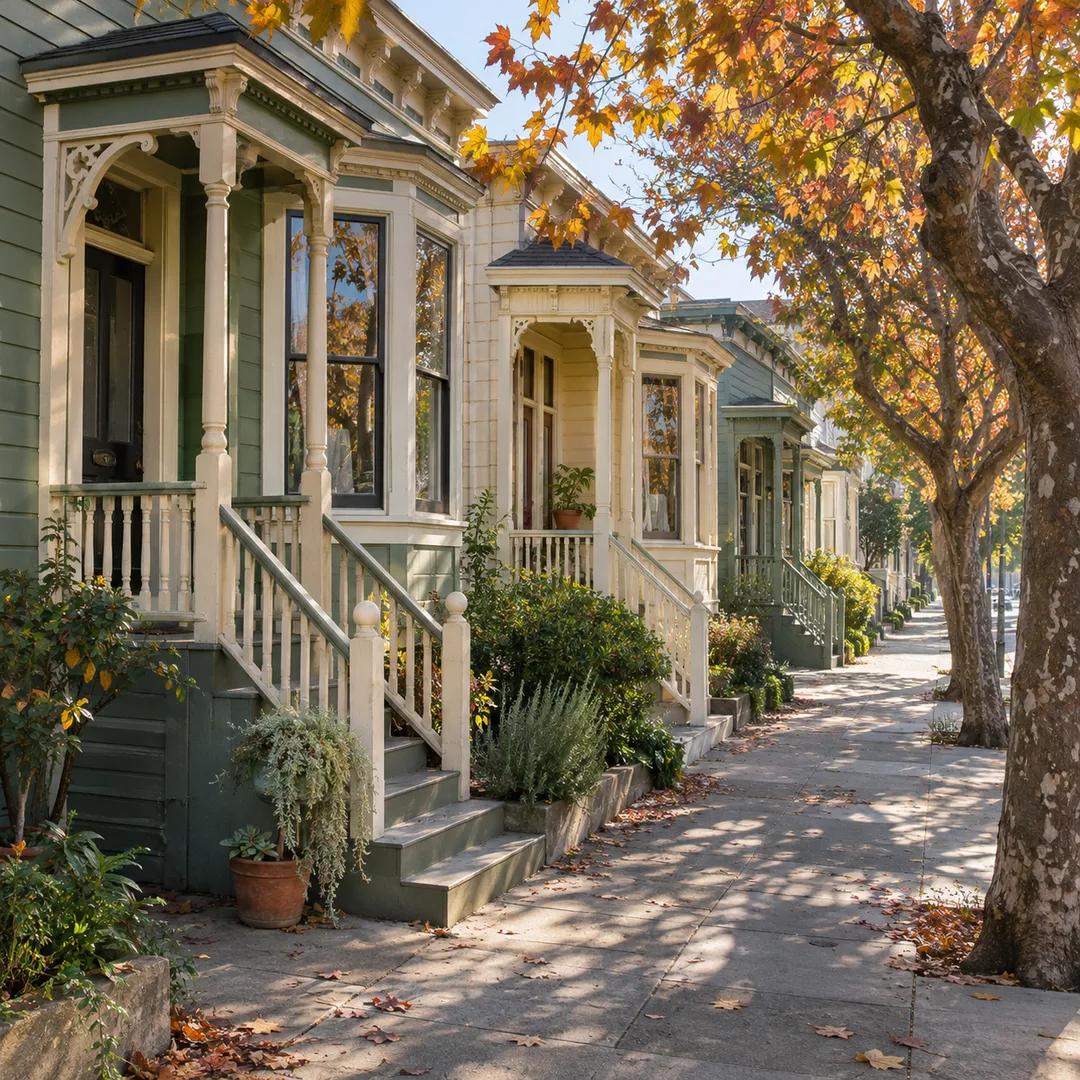
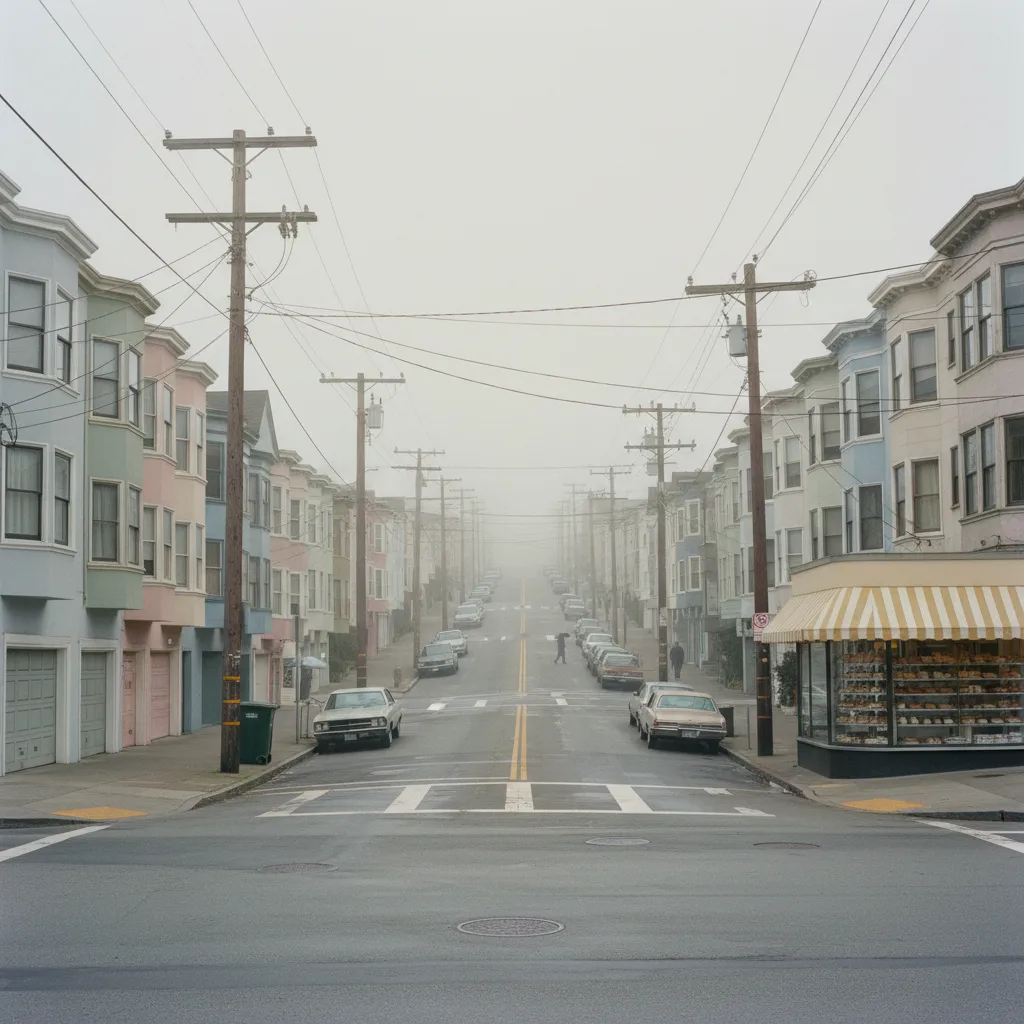
Between bakeries, the pair wander the residential blocks east of Third Street. Rows of small Victorian cottages, many with modest bay windows and narrow front steps, line the quieter streets. Robert points out how close the homes stand to the old industrial sites, a reminder that workers once walked to their shifts. He imagines the smell of bread drifting along these streets before dawn.
It helps to slow down here. The cottages are private homes, so look from the sidewalk and keep voices low on early weekend mornings. Some streets end in short slopes or stairs with views over the bay. These quiet blocks give the palate a rest and turn the crawl into a proper walk rather than a hurried list of shops.
Standing Before the Old Shipyard
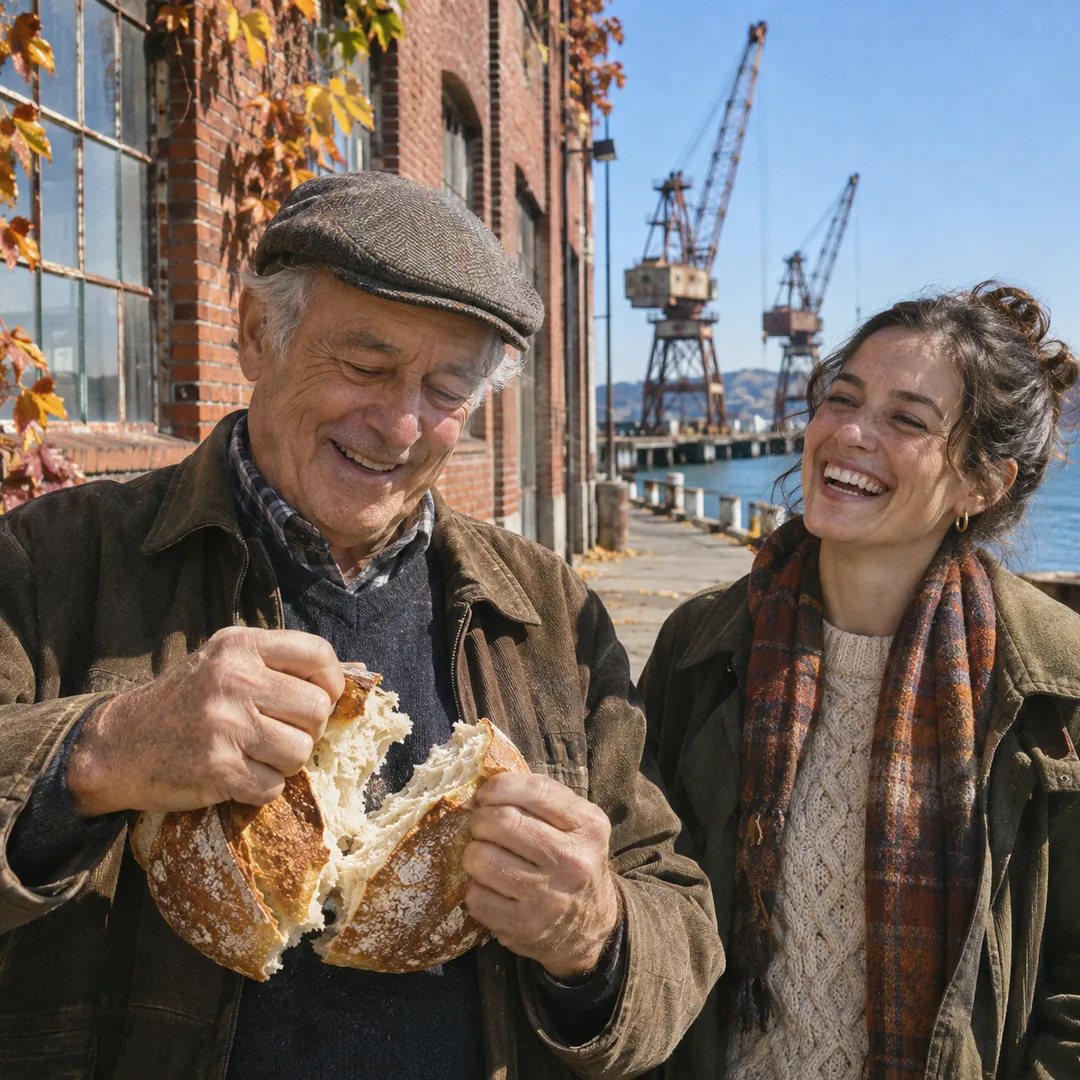
The highlight for Robert is the old shipyard at the edge of the neighbourhood, where brick workshops, giant cranes and dry docks still stand above the water. Ships were built and repaired here for generations, including vessels used in both world wars. Some buildings are being restored, and the scale of the place makes it easy to picture thousands of workers with lunch pails heading through the gates.
This is where he tears open the second loaf. Standing beside the cranes, father and daughter share bread and talk about what work felt like for the people who once filled these yards. For a history teacher, eating sourdough on that spot is more powerful than reading about it in a classroom.
A Bayside Picnic at Crane Cove Park
The walk ends at Crane Cove Park, a waterfront park built around the shipyard's history, with preserved cranes, a slipway leading down to a small beach and wide lawns facing the bay. On a calm day, people launch kayaks from the shore and families spread out on the grass. It is an ideal spot for a bread picnic.
Pack something simple to go with the loaves: a wedge of aged cheese, a few slices of salami, an apple and a thermos of coffee. The breeze off the water can be cool, even on sunny days, so bring a layer. Sit near the cranes and watch the ferries and cargo ships move across the bay while finishing the bread.
Who Will Enjoy This Crawl
This route suits anyone who likes a story with their food: visiting parents, history students or friends who prefer museums to nightlife. It is flat, short enough for a relaxed morning and full of places to sit. It also works well on a weekday, when the waterfront is quieter and bakeries are less crowded than on weekend mornings.
If the weather turns or the shipyard area feels too exposed to the wind, a plan B is easy. Head back toward Third Street, find a warm cafe table and finish the bread with a hot drink. The Muni line along the street makes it simple to get back to Mission Bay or downtown without a long walk.
Taking the Story Home
Robert flies home with a loaf in his carry-on and a new chapter for his family history talks. His daughter has since repeated the crawl with other visitors, swapping in different bakeries each time. When she wants to find a new bread counter for the next guest, she opens the Karpo APP, describes a neighbourhood sourdough bakery near Dogpatch for a relaxed morning walk, and Karpo suggests nearby places to explore.
A crawl like this proves that sourdough in San Francisco is more than a tourist souvenir. It is a working-class bread with roots in the miners, the shipyards and the neighbourhoods that grew around them. Tasting it in Dogpatch, beside the cranes and cottages that tell the same story, gives every bite a little more weight.
Ask Karpo for more information.
Keep reading
- Inner Richmond Egg Tart Bakery Crawl: Clement Street Pastry
 Portola Egg Tart Bakery Crawl: San Bruno Avenue Pastry
 Outer Sunset Egg Tart Bakery Crawl: Ocean Mist and Custard