 Outer Sunset Cioppino Dinner Picker: Pots by Ocean Beach
Restaurants
SF Solo Dining Finder: Japantown Quiet Noodle Counters
A San Francisco Japantown solo dining finder for noodle counters, Peace Plaza pauses, compact ordering, and an unhurried Buchanan Mall finish.
Tucked quietly between the Western Addition and Pacific Heights, San Francisco's historic Japantown functions as a tranquil sanctuary for solitary eaters who appreciate the restorative power of hot broth. Stepping into the shaded corridors of the Japan Center or strolling down the cobblestone pedestrian path of Buchanan Mall leads you to a concentration of traditional udon counters, ramen stalls, and soba bars. Unlike high-decibel dining rooms where loud music and crowded banquettes dominate, Japantown's noodle establishments prioritize serene efficiency, meticulous broth balance, and single-diner hospitality. You slide onto a simple wooden stool, take in the gentle aroma of kombu dashi and roasted sesame oil, and settle into a deeply calming meal. The minimalist decor, soothing wooden screens, and respectful murmurs of the room wrap you in an atmosphere of contemplative calm. Seated alone at a polished cedar counter, you can watch steam rise toward the acoustic ceiling baffles while your shoulders drop and the tension of city commuting evaporates completely. Karpo's solo dining finder helps you compare Japantown noodle-counter settings and plan a route from the chilly afternoon fog into piping hot comfort.
The Meditative Pace of the Udon and Soba Counter
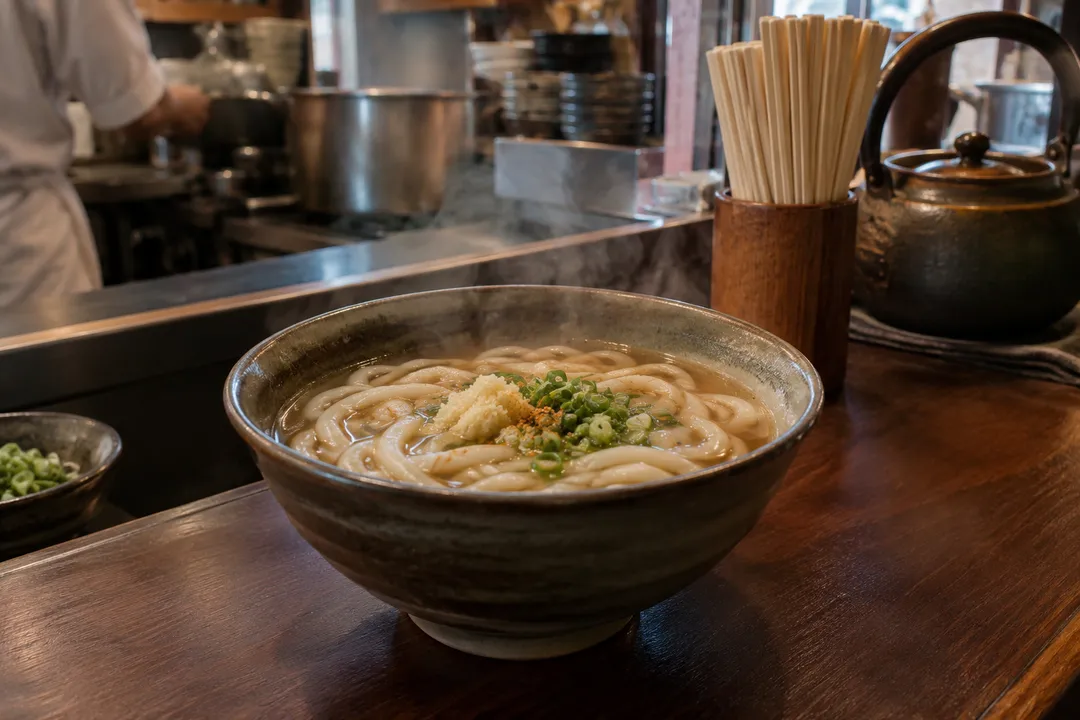
While ramen commands massive weekend lines, traditional handmade udon and buckwheat soba counters offer some of the most serene solo dining in San Francisco. Watching noodle masters roll, slice, and plunge fresh dough into boiling water within a few feet of your stool provides captivating, quiet theater. A steaming bowl of nabeyaki udon arrives in a heavy iron pot, bubbling with shrimp tempura, shiitake mushrooms, tender chicken, and a soft-poached egg. For solo diners seeking cooling clarity on a warmer afternoon, chilled zaru soba served on bamboo slats with cold dipping tsuyu broth, fresh wasabi, and slivered scallions delivers a refreshing, clean-eating experience that leaves you light on your feet. Counter seating allows you to savor each slurp in complete mindfulness, free from conversational obligations. The simplicity of the ingredients allows the depth of the seasoned broth to shine through with pure, unadulterated clarity. Taking small, unhurried mouthfuls while observing the steady, practiced movements of the kitchen staff provides an anchor of calm in the middle of a busy travel itinerary.
Navigating Ticket Machines and Counter Flow
Many of Japantown's premier casual noodle spots utilize self-service ordering terminals or simple counter-service queues that streamline the dining process for single guests. You browse the menu, customize your broth salinity and noodle thickness, and pay immediately at the kiosk before taking your assigned seat. Once seated, your receipt is collected and a ceramic cup of hot barley tea (mugicha) is placed before you. Because orders are transmitted directly to the kitchen line without floor server delays, steaming bowls appear within five to seven minutes. This agile operational model makes Japantown counters ideal for solo diners on a tight schedule or those who simply value prompt, efficient culinary execution without lingering table service. You are never left wondering when your check will arrive or waiting awkwardly to catch a server's eye. The streamlined format frees up mental space, allowing you to enjoy your meal with total presence and zero logistical friction from start to finish.
Strategic Off-Peak Timing in the Japan Center
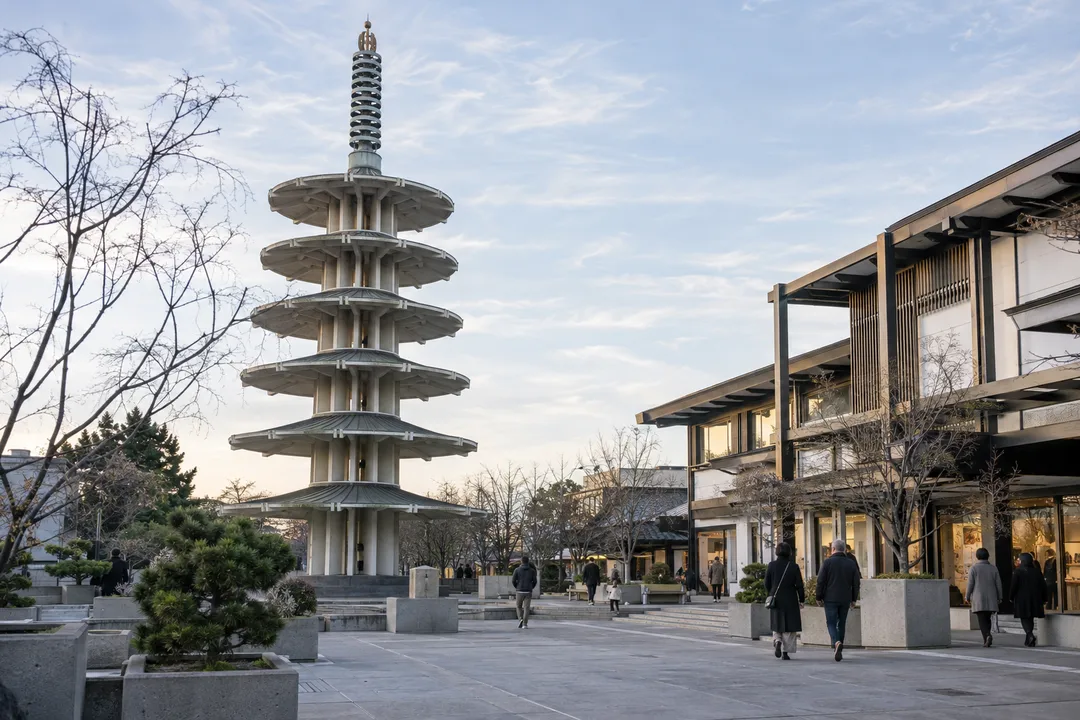
The secret to enjoying Japantown's noodle bars in total serenity lies in timing your visit outside peak weekend lunch hours. On Saturday and Sunday afternoons, families and anime fans flood the corridors of the Kinokuniya and Kintetsu buildings, generating lengthy queues. In contrast, visiting on a weekday between two o'clock and four-thirty in the afternoon rewards you with an almost meditative quiet. The counter stools are widely spaced, steam drifts lazily toward ceiling fans, and chefs are eager to customize your broth or offer an extra side of crispy tempura flakes (tenkasu). Even on busy evenings, stopping by after eight-fifteen at night lets you bypass groups and slip into solitary counter vacancies as early diners depart. Taking advantage of these quiet windows transforms an ordinary meal into a restorative retreat from the busy city outside. You can read several chapters of a favorite book or write in a journal while savoring the final warm drops of your barley tea. Japantown rewards a slower map than a restaurant list. Enter through Peace Plaza, take in the pagoda before you choose a counter, and let the Japan Center arc guide the next decision. Buchanan Mall is close enough for a second look at the neighborhood’s bookshops and specialty windows, while Fillmore Street gives the route a wider sidewalk and different light. A small noodle order leaves room for that walk; a large bowl asks for a bench and a few quiet breaths. The point is not to rush from stall to stall, but to make the counter a warm center inside a compact, legible district.
A Reflective Walk Around Peace Plaza and Buchanan Mall
After warming your core with hot dashi, take a slow digestive walk around the open-air Peace Plaza to observe the five-tiered concrete Peace Pagoda illuminated against the night sky. The quiet courtyard, framed by cherry trees and geometric planters, provides a peaceful transition back to the urban rhythm. Stroll westward along Buchanan Mall past traditional stone lanterns, wooden entry torii gates, and quiet origami gift shops. The calm, respectful atmosphere of this historic enclave encourages deep reflection, allowing the soothing flavors of the meal to settle comfortably in your memory before you catch the Muni bus back across town. Pausing to listen to the gentle splash of courtyard fountains creates a serene closing chapter to your afternoon excursion. The quiet pace of the neighborhood encourages you to slow your breathing and appreciate the architectural tranquility that has anchored this community for over a century.
Practical Rules for Solitary Noodle Diners
To ensure smooth dining at compact Japantown counters, keep personal gear minimal. Use the under-seat wooden shelving or floor baskets to store shopping bags and umbrellas so aisles remain completely clear for servers carrying scalding broth bowls. It is customary to consume noodles immediately upon arrival while the texture is firm and the soup remains hot; lingering over phone messages while your bowl cools is considered poor dining etiquette. Once finished, return your empty bowl to the top counter tier if requested by signage, wipe your place setting with the provided moist towelette (oshibori), and exit promptly so waiting solo diners can take your stool. Showing respect for counter space and kitchen pacing reinforces the community spirit of these beloved neighborhood spots.
The Enduring Solace of Japantown Counters
In an ever-changing urban landscape, the humble noodle counters of San Francisco's Japantown offer an unchanging, deeply dependable refuge. They remind us that some of the greatest dining pleasures in life require neither company nor ceremony—only fresh noodles, hot broth, and an open heart. Karpo's solo dining finder helps you organize these timeless neighborhood culinary stops around a slower solo rhythm and a bowl of restorative comfort. Stepping into Japantown alone remains one of the simplest and most rewarding ways to care for yourself in San Francisco.
Ask Karpo for more information.
Keep reading
- Outer Sunset Cioppino Dinner Picker: Pots by Ocean Beach
 Marina Cioppino Dinner Picker: Bistros After Bay Walks
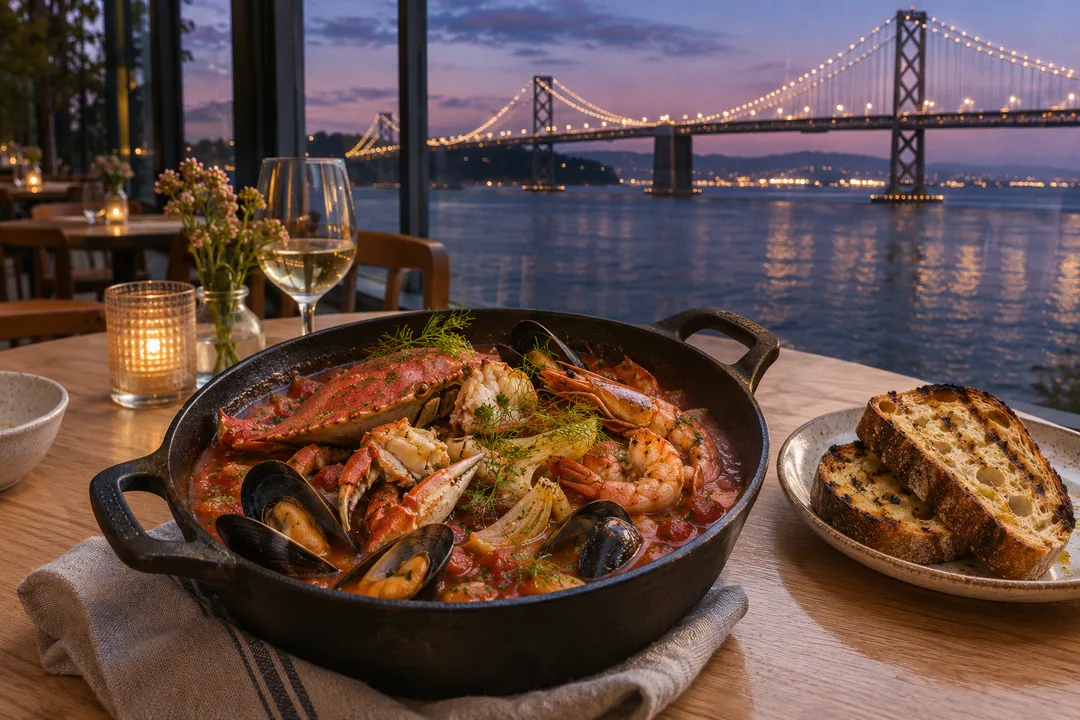 Embarcadero Cioppino Dinner Picker: Pots by the Bridge