 Outer Sunset Cioppino Dinner Picker: Pots by Ocean Beach
Restaurants
Dogpatch Shawarma Late Night Finder for Studio Night Owls
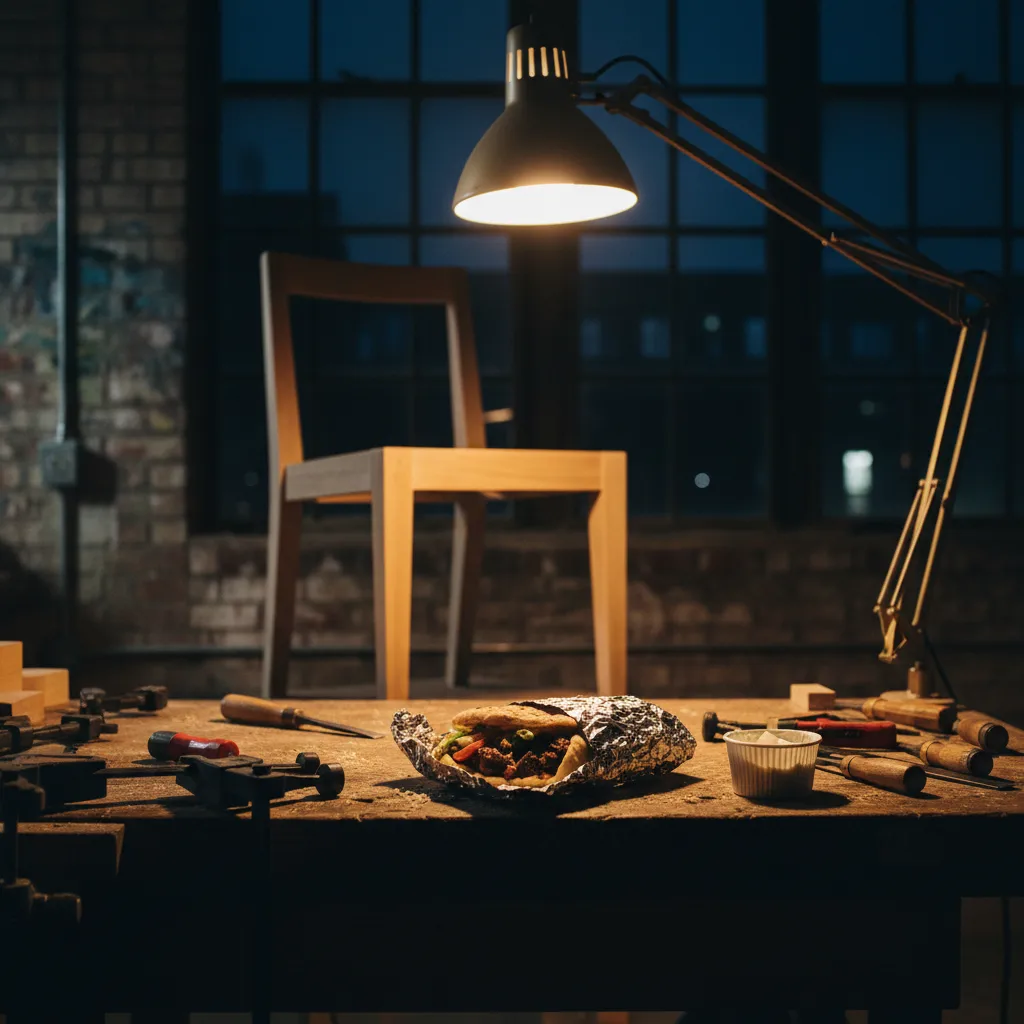
A Dogpatch guide for makers working late in studios: plan the shawarma run early, carry wraps back to the bench, and keep a second portion for breakfast.
Dogpatch is a neighborhood of roll-up doors and long work sessions, and this shawarma late night finder is written for the people behind those doors. Furniture makers, ceramicists, metal fabricators and painters rent space in the old warehouses here, and plenty of them look up from a project to find the street outside gone dark and silent. The neighborhood does not hand you dinner at that hour, so the trick is to plan the shawarma run before hunger turns into a bad cut on the table saw.
Why Dogpatch Needs a Plan After Dark
By day, Dogpatch feels busy in a small, practical way. Delivery vans idle outside fabrication shops, a few cafes fill with laptops, and people carry lumber across Third Street. After dark the mood shifts. Many of the restaurants that feed the daytime crowd are small and run on neighborhood rhythms, so the blocks between the water and the freeway can feel almost empty while you are still deep in a glaze firing or a weld.
That quiet is part of the charm, and it is the reason studio people here talk about food the way sailors talk about weather. You learn to look ahead. A shawarma wrap makes sense for this life because it travels well, survives a twenty minute bike ride, and can be eaten with one clean hand while the other hand is still holding a pencil or a brush.
Make the Call Before the Work Takes Over
The most useful habit is to decide on food at the first natural pause in the evening, not at the moment you feel faint. When the kiln is loading or the paint needs to set, open the Karpo APP and look at the shawarma counters around the Mission, Potrero Hill and the edges of SoMa. Save two or three that sit along the route you already ride or drive, so a single detour solves the whole night.
Studio mates often turn this into a small ritual. One person keeps the shortlist and asks who is staying, then sends a single combined order to whoever is heading out. It saves three separate trips across the neighborhood and it gives everyone a reason to stop at the same time, wash their hands and talk for a few minutes.
Carrying It Back to the Bench
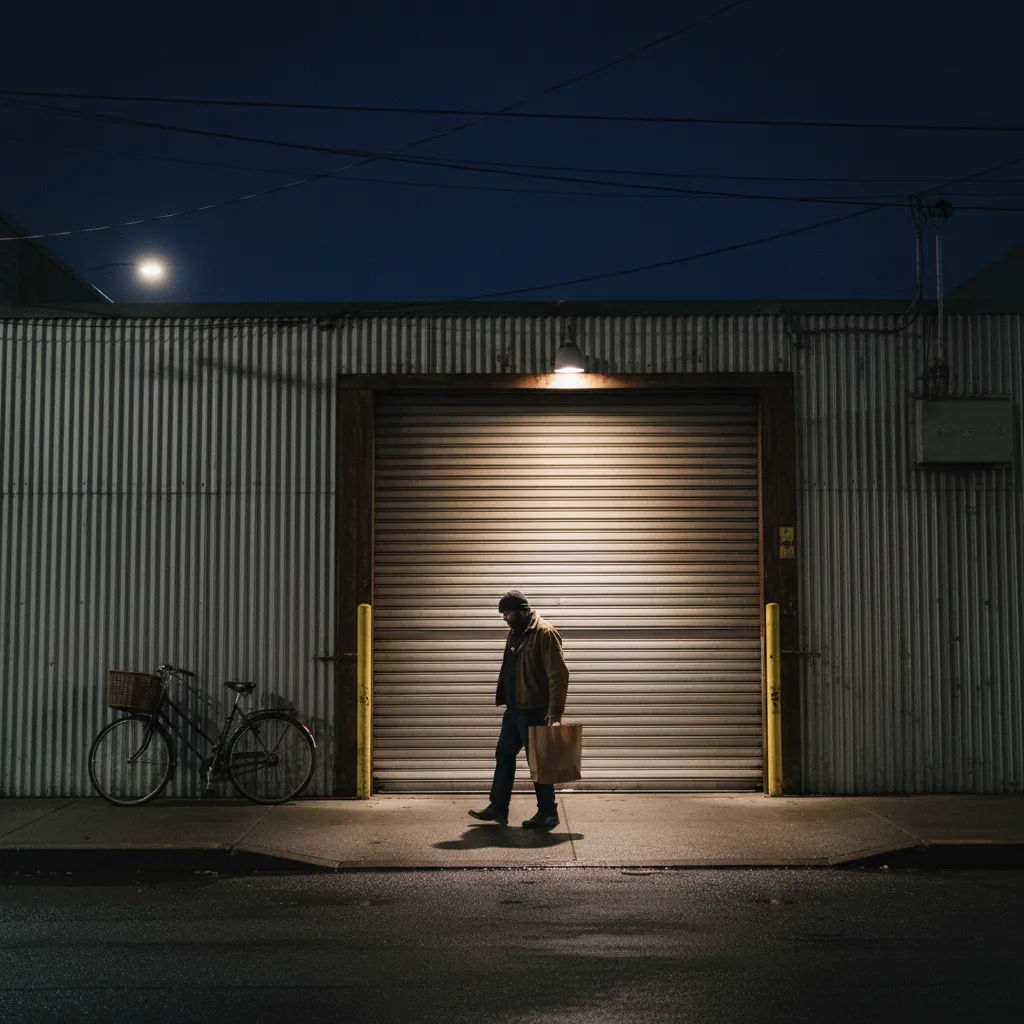
Shawarma rides home best when it is wrapped tight and the sauces stay separate. Ask for the garlic sauce and the hot sauce on the side, and pack pickles in their own container so the bread does not go soft before you get back. A small insulated bag, the kind people use for groceries, keeps the wrap warm through a ride along the waterfront wind.
Inside the studio, clear a real space before you unwrap anything. Sawdust, clay dust and solvent fumes do not belong in dinner, so a clean board on a stool or a corner by the open door works better than the workbench itself. Many makers keep a cheap tablecloth folded on a shelf for exactly this, which turns a rough work floor into a dining room for twenty minutes.
What to Order When You Still Have Hours of Work
Heavy food and late concentration do not mix well. If you plan to keep sanding, cutting or painting, a chicken wrap with plenty of salad and a squeeze of lemon usually sits lighter than a full platter of rice, fries and lamb. Save the bigger plate for nights when you are finishing and simply want to sit down and enjoy it.
Think about drinks too. A bottle of water or a yogurt drink like ayran does more for a long session than another energy drink, and mint tea is a calm way to close out a night. If you order falafel on the side, it reheats surprisingly well in a toaster oven, which many shared studios keep near the sink.
Save Half for the Morning
One of the quiet joys of a late shawarma run is the breakfast it creates. Order a little more than you need, keep the extra pita, salad and meat in separate containers, and put them in the studio fridge before you lock up. The next morning, warmed meat folded into toasted pita with a fried egg becomes a hearty start to a long day.
This habit also means you do not have to repeat the late night search tomorrow. Leftover hummus and pickled turnips can carry a lunch, and a tub of garlic sauce lifts almost anything you cook on a hot plate. People who share a building start to trade these extras, which is how a lot of studio friendships begin.
When the Whole Building Is Still Working
Some nights the entire warehouse is awake. A woodworker is rushing a commission, a sculptor is getting ready for an opening, and two painters are prepping for an open studio weekend. That is the moment to switch from one wrap to a shared spread. A tray of chicken, a tub of hummus, a stack of pita and a big salad feed a hallway of people without anyone stopping work for long.
Set the food on a folding table near the freight elevator and let people drift by as they reach a pause. Someone always brings out a speaker, and the break becomes a little party with the tools still humming in the background. It is one of the friendliest ways to meet the neighbors you only ever nod at on the stairs.
Getting Home Safely From the Waterfront
Dogpatch streets can be dark and wide, with long stretches of fences and parked trucks. If you go out for food on foot, carry a light and walk along Third Street where the light rail runs, since there is more movement there. Cyclists should keep lights on both front and back and watch for rail tracks, which catch thin tires easily.
When the night ends, leave the leftovers sorted, the space swept and the door properly locked. Many makers text a friend when they leave a studio late, and it is a good habit even if the ride home is short. The T Third line runs along the edge of the neighborhood, so you can pair the last bite with a calm ride rather than a tired drive.
A Neighborhood Built by Night Workers
Dogpatch grew up around shipyards and factories, and the people who worked those yards kept odd hours too. Walking past the old worker cottages at the top of the hill, it is easy to picture a welder coming off a shift and looking for something hot to eat. Today the tools are different, but the rhythm of working past dark is still part of the neighborhood.
A wrap eaten on a loading dock under a single bulb is a small way to belong to that story. Studio people here are generous with tips, so ask a neighbor which counter they trust and why. You might learn which kitchen piles on the pickles, which one makes the fluffiest bread, and which one makes the sauce everyone fights over.
Ask Karpo for more information.
Keep reading
- Outer Sunset Cioppino Dinner Picker: Pots by Ocean Beach
 Marina Cioppino Dinner Picker: Bistros After Bay Walks
 Embarcadero Cioppino Dinner Picker: Pots by the Bridge