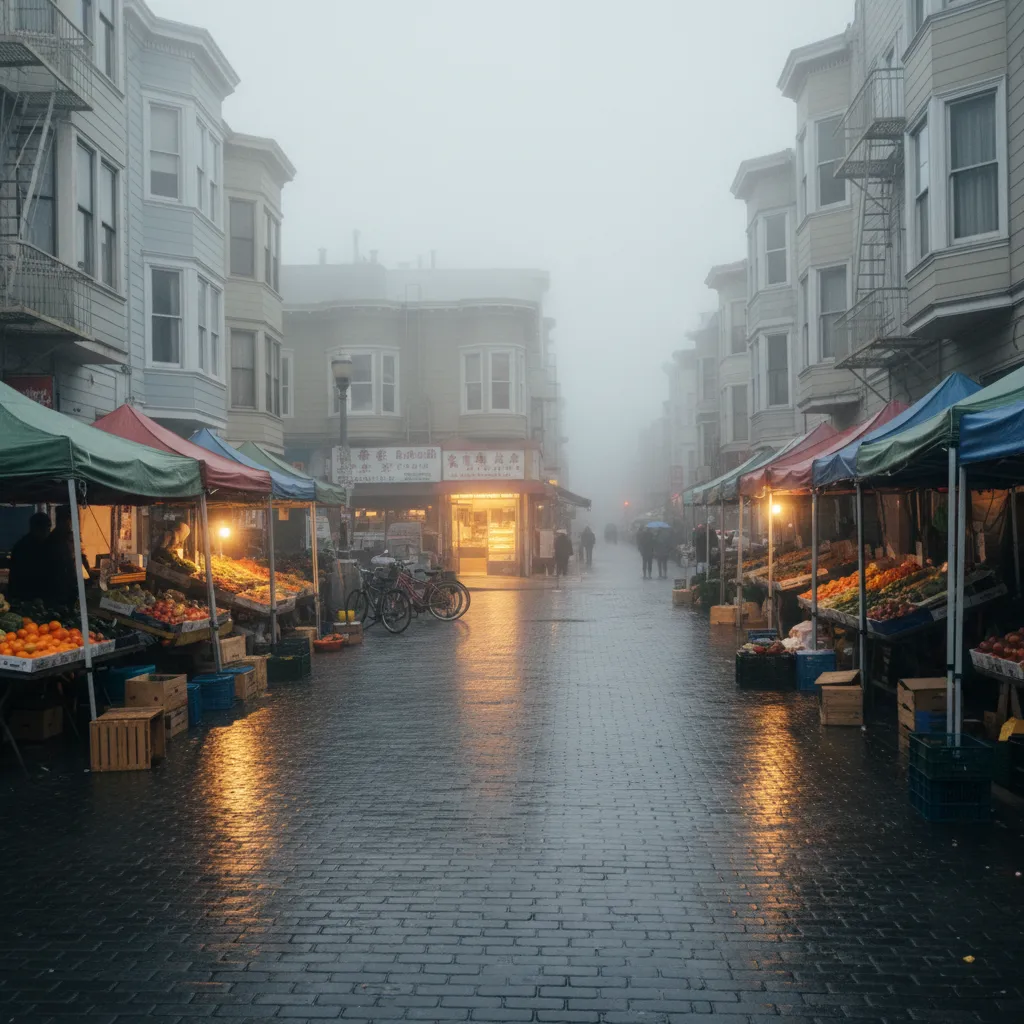
 Inner Richmond Egg Tart Bakery Crawl: Clement Street Pastry
Coffee & Dessert
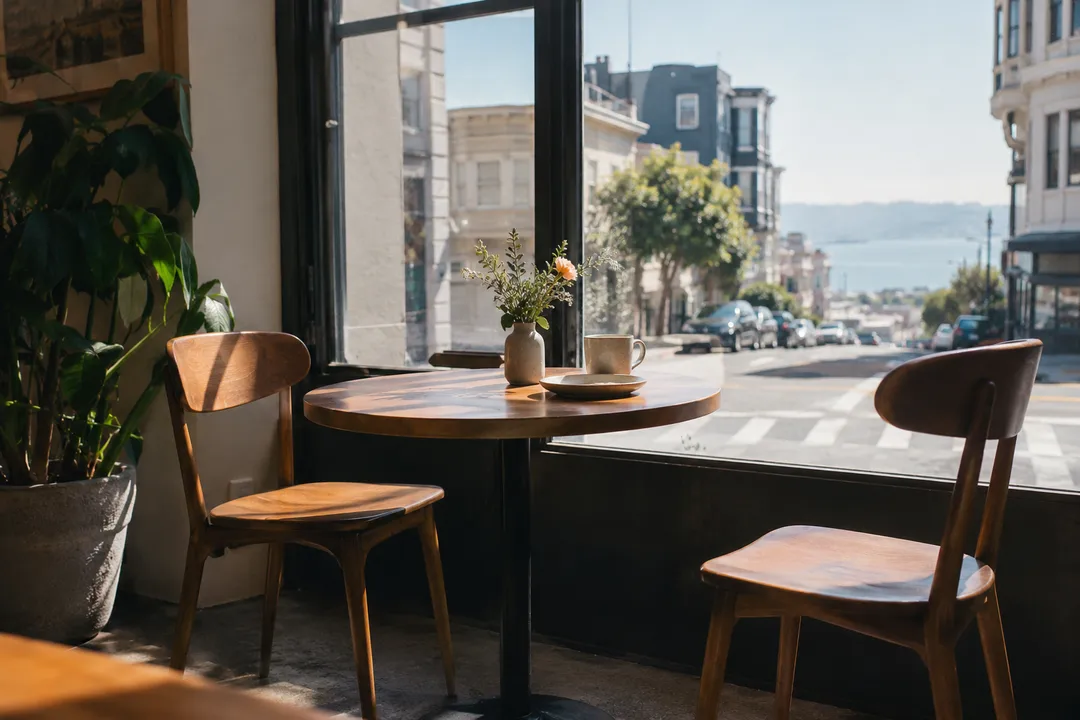
SF Remote Work Cafe Finder: Team Calls Without Drift
Plan a San Francisco cafe work session around call timing, speaking comfort, table shape, and a fallback for the rest of the day. Keep the next task visible.
A team-call day has two different needs: a place where you can speak clearly and a place where you can finish quieter work afterward. Begin by listing the calls, their lengths, and the moments when you can move. The finder becomes more useful when those windows are separate instead of one broad “work cafe” request. A call plan works when the next state is already visible. Team session note: Before the first transition, write the smallest action that counts as progress.
Start With the Call Map
Mark which conversations require a steady voice and which can be handled by chat later. Add a short buffer before the first call so you are not opening the meeting while still walking. A route built around these windows feels calmer because it respects the transitions that a generic venue list ignores. Keep the conversation goal separate from the room description. Team session note: At the midpoint, pause long enough to notice whether the setting still fits.
Speaking comfort is personal. Some people need a wall behind them, others need a little room tone so a low voice does not feel exposed. Describe the sound you can tolerate and whether you need a seat that lets you keep your materials close. The more honest the constraint, the easier the comparison becomes. Team session note: If attention slips, change one condition before changing the whole route.
Choose a Speaking Comfort
Avoid promising privacy that a public cafe cannot guarantee. Instead, compare candidates by the conditions you control: a quieter period, a stable surface, and an easy exit if the room changes. Save a second option for calls and a different one for writing so the plan can adapt without drama. A quiet corner is useful only if it supports the next action. Team session note: A clear surface makes the next decision easier to see.
If a call uses video, decide what the frame needs before searching. Natural light, a clear background, and enough space to place a device are practical filters. The finder can help you record those preferences, but it cannot promise a flattering angle or a free chair at a specific moment. Let the schedule set the pace rather than the room. Team session note: Keep the fallback close enough that it remains a real option.
Keep the Camera Question Honest
When video is optional, leave it optional. A voice-first plan can open more choices and reduce the pressure to stage a public room. Add a note for headphones, posture, and a quick mute check. Those small actions protect the conversation better than a polished imagined backdrop. Save a fallback that still respects the day’s main purpose. Team session note: Let the session end before fatigue starts choosing for you.
Place the most demanding conversation when your energy is strongest, then follow it with a task that benefits from notes while the context is fresh. Leave a small gap for packing and moving. One clear branch is easier to follow than six tiny contingencies. Team session note: One honest constraint can save more time than another search.
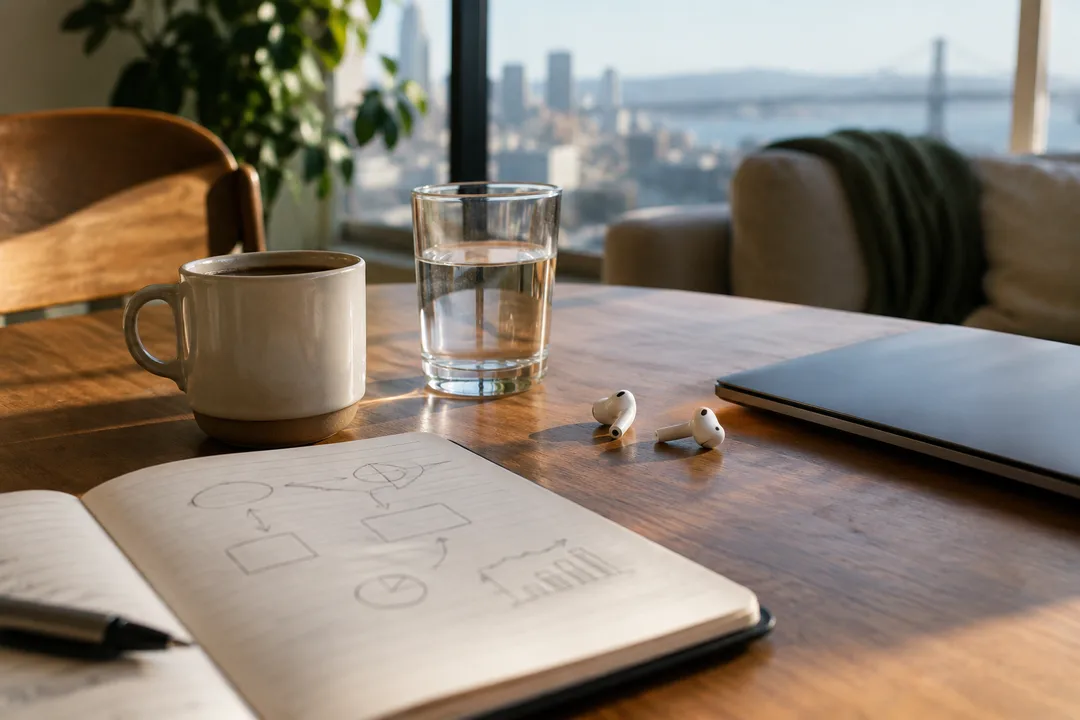
Sequence Calls and Quiet Work
The route should not require a new search between every call. Save two or three states: call-ready, quiet writing, and light admin. Each state can use different noise and surface preferences. This turns a complicated day into a few deliberate transitions instead of a single overloaded request. Transitions deserve the same care as the calls themselves. Team session note: Use the route as a prompt for action rather than a promise.
A lunch break can reset a call-heavy day if it has a clear boundary. Mark whether you want a short walk, a change of light, or simply ten minutes away from a screen. Keep the lunch state separate from the work state so you do not evaluate every meal option as a desk. The route should leave a little space for human timing. Team session note: The next useful comparison begins with what happened today.
Plan a Lunch Reset
If the day runs late, shorten the reset rather than deleting it entirely. A brief pause can protect the afternoon call. Use the finder to save a route that keeps the next work window reachable, then stop browsing once the choice is good enough. A short note after each call can guide the rest of the session. Team session note: Protect a little space for packing and changing tasks.
A public room can fill unexpectedly. Decide in advance what you will change first: walking radius, sound tolerance, or session length. A fallback should be acceptable for one specific task, even if it is not your ideal all-day base. Do not confuse visual polish with conversational comfort. Team session note: A small note can carry context across a busy afternoon.
Handle a Full Room
Write the fallback rule in plain language. “If speaking feels exposed, switch to drafting” is easier to follow than a long list of conditions. Save that rule beside the route. When a room is busy, you can act on it instead of negotiating with yourself. If the day changes, preserve the sequence before the scenery. Team session note: Do not add complexity when a shorter block will work.
A short neighborhood walk can separate conversation from concentration. Look for a route that gives your eyes distance and does not create another appointment. The transition is part of the workday design, not a reward you have to earn. The best plan is one you can explain while already moving. Team session note: The plan should make movement feel ordinary and reversible.
Walk the Neighborhood Between Modes
Keep the walk matched to the calendar. A five-minute loop may be enough after a short call, a longer gap can support a fuller reset. Note what you want from the transition, then let the route stay simple and repeatable. Keep the final task light enough to close without strain. Team session note: Leave one detail unfinished only when it has a named next step.
Practical Notes for Call Days
Carry a charger, headphones, one notebook, and a backup task that works offline. Use Karpo APP to compare your call-ready and quiet-work filters, then choose the sequence that feels easiest to execute. Patterns from one call day can improve the next one. Team session note: Your future self benefits from a decision written while it is fresh.
Ask Karpo for more information.
Keep reading
- Inner Richmond Egg Tart Bakery Crawl: Clement Street Pastry
 Portola Egg Tart Bakery Crawl: San Bruno Avenue Pastry
 Outer Sunset Egg Tart Bakery Crawl: Ocean Mist and Custard