 Outer Sunset Cioppino Dinner Picker: Pots by Ocean Beach
Restaurants
Ramen Near Me: Beating the Line at Marufuku Ramen
How to plan Marufuku Ramen in San Francisco Japantown: the line, the Hakata bowl, ordering etiquette, and a useful neighborhood walk.
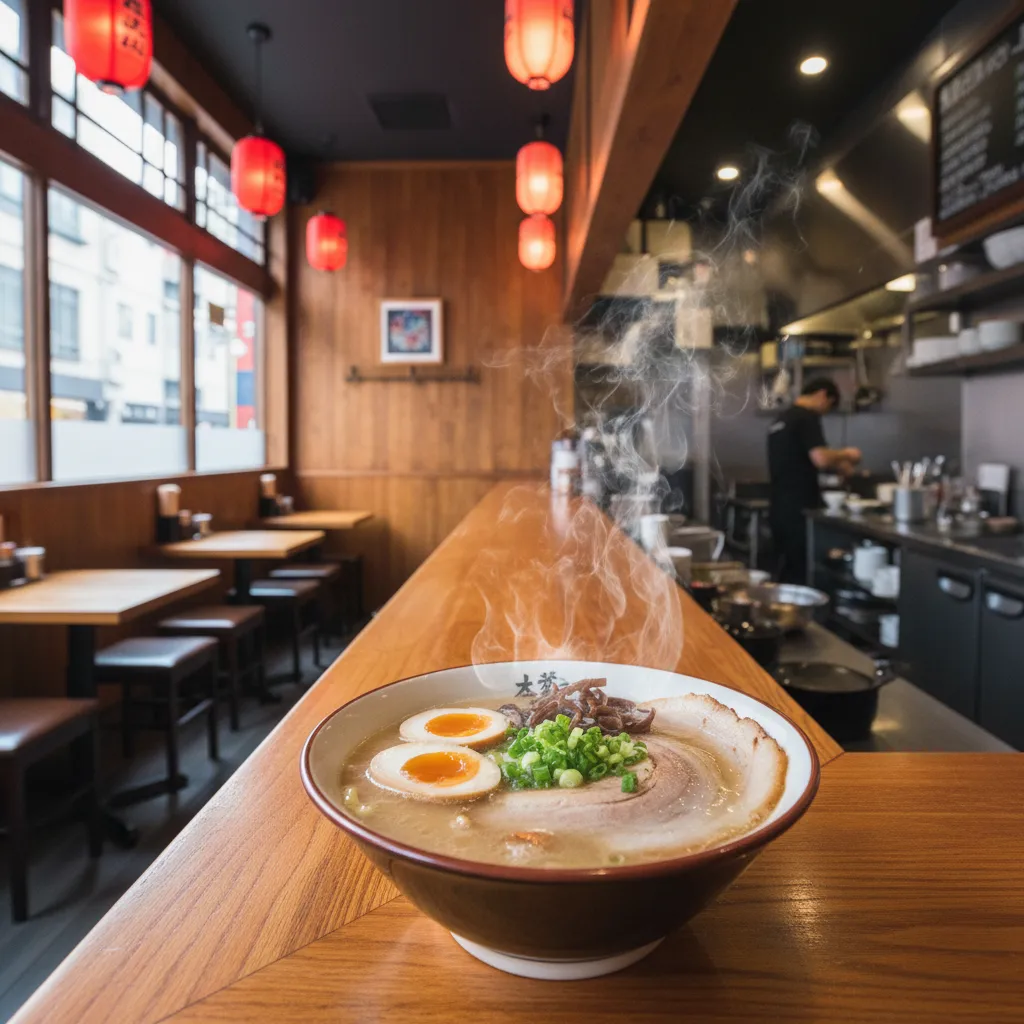
For anyone searching ramen near me in San Francisco, Marufuku Ramen in Japantown is less a spontaneous drop-in than a small dinner operation with a predictable ritual: decide when you can wait, put your name down, and make the most of the neighborhood while the broth is doing its work. The reward is a focused Hakata-style bowl built around thin noodles, creamy tonkotsu broth, chashu, green onion, and the concentrated comfort that makes ramen especially persuasive on a cool evening. The line is part of the experience, but it does not have to consume the night if you plan the hour and arrive with a specific order in mind.
Find Japantown ramen nearby.
The best strategy is to plan around the queue
Marufuku's popularity means the first decision is logistical. Check the restaurant's current hours and waitlist process before crossing the city, because service policies and opening times can change. For a weeknight, arriving before the main dinner wave is generally easier than showing up at the moment everyone gets hungry. On weekends, treat the waitlist as the beginning of the outing. Keep your full party together when you check in, make sure someone can hear the host's call, and avoid wandering so far that you miss your table. The most common mistake is building a rigid second reservation immediately afterward. Ramen service can be quick once seated, but the queue is not a train timetable. Leave breathing room, especially if you are meeting friends arriving from different parts of San Francisco.
What to order for a first visit
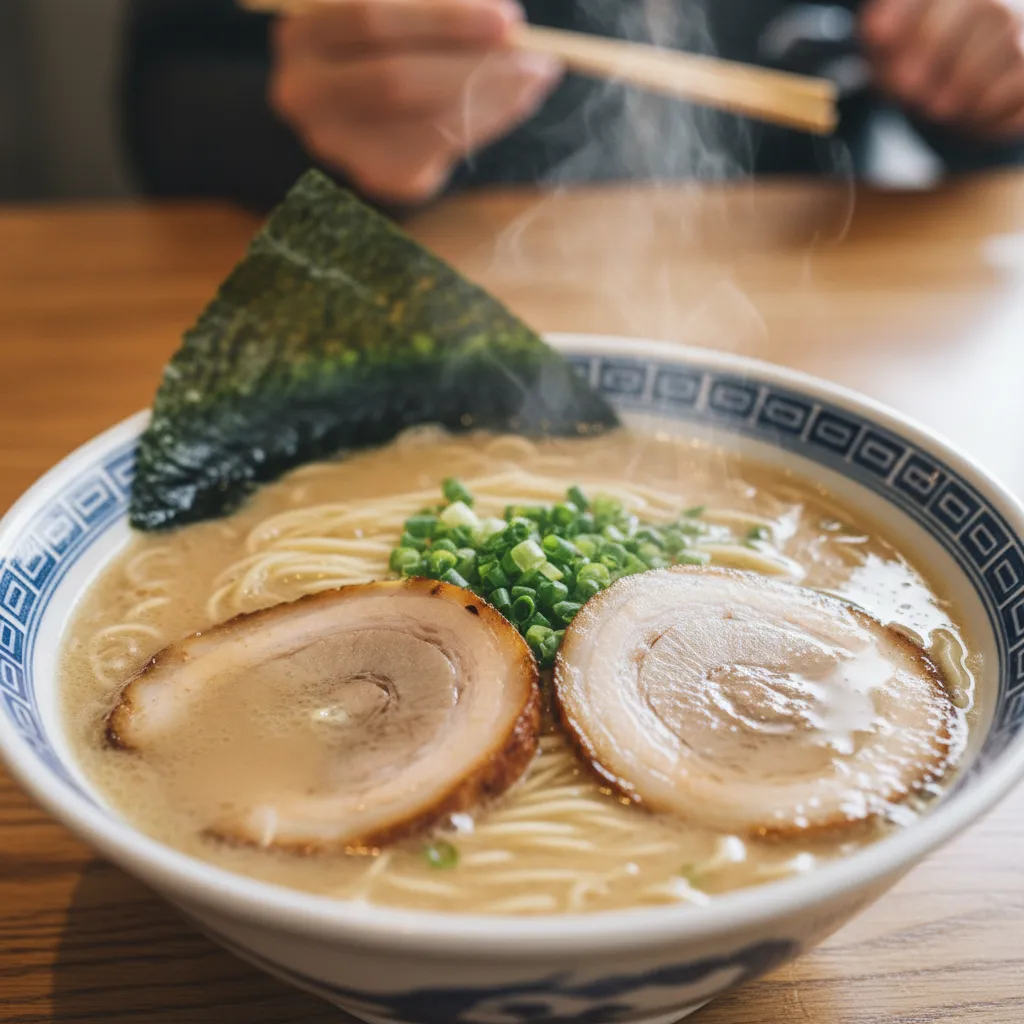
The classic Hakata tonkotsu bowl is the logical starting point. Its appeal is balance: a pork broth with body but enough seasoning to stay lively, thin noodles that are designed to be eaten promptly, and toppings that add texture without turning the bowl into a buffet. Choose your noodle firmness thoughtfully. A firmer texture holds up if you like to eat slowly or expect to add toppings; a softer setting is more forgiving if you prefer a tender noodle and plan to finish quickly. Chashu brings richness, while wood ear mushrooms and green onion keep the bowl from becoming one-note. An egg can be a useful add-on when you want more substance, but it is not mandatory. The better move is to taste the broth before adding anything aggressive. If you want heat or garlic, add gradually so the tonkotsu remains recognizable.
Restaurant etiquette that helps everyone
Ramen is served hot and the dining room is designed for turnover, so be ready when your table opens. Have your group order settled before the server reaches you, then keep conversation moving while the kitchen works. When the bowl arrives, eat the noodles while they are at their best rather than waiting for a perfect photograph. Slurping is not a performance requirement, but it is a practical way to cool noodles and take in broth; do whatever is comfortable without blocking the table. Keep bags compact, respect the restaurant's seating limits, and do not treat an empty chair as a place to store shopping. If you need a modification, ask clearly and early. A focused noodle shop can accommodate ordinary preferences, but it cannot redesign every bowl during a busy service. The most considerate customer is decisive, attentive, and willing to leave the table once the meal is complete.
Turn the wait into a Japantown walk
Japantown gives you a compact route that makes the wait feel intentional. Start around the Peace Plaza and its recognizable pagoda, then browse the arcades and small food businesses that frame the neighborhood. You can look for tea, stationery, ceramics, or snacks without committing to a second full meal. The walk is useful because it keeps you close to the restaurant while giving your group something concrete to do. If the wait is short, stay nearby and take in the architecture rather than attempting a long detour. If the estimate stretches, make a loop through the surrounding streets and return with time to spare. After dinner, a slow pass through the plaza is a better decompression plan than immediately ordering another heavy dish. The neighborhood's layered history also explains why Marufuku feels rooted here: the bowl is not isolated from place, it is part of a dense Japanese American commercial and cultural district.
Practical notes before you go
Bring a light layer because San Francisco evenings can turn cool while you wait. Wear comfortable shoes and keep your phone audible if the restaurant uses a text-based queue. Confirm accepted payment methods and current menu pricing, and remember that add-ons can move a simple bowl into a larger dinner bill. If you are vegetarian or avoiding pork, read the current menu carefully rather than assuming a substitution will be available; the defining broth is the reason most people come. Ramen is also a poor choice for a rushed pre-show meal unless you have a generous buffer. Once seated, the food arrives quickly enough that you should be prepared to eat, but getting seated is the variable. Use the Karpo APP to find a nearby tea stop, a quiet bar, or another Japantown idea while you wait, then let the bowl remain the main event.
The verdict
Marufuku is a strong answer to ramen near me when you value a clear style and a bowl that rewards attention. Beat the line by choosing the right arrival window, keep your group organized, order the Hakata tonkotsu with a noodle texture you will actually enjoy, and use Japantown as the buffer around the meal. The result is not just a bowl checked off a list; it is a tidy San Francisco evening with a warm center. The wait feels worthwhile because the surrounding district gives it shape.
Ask Karpo for more information.
Keep reading
- Outer Sunset Cioppino Dinner Picker: Pots by Ocean Beach
 Marina Cioppino Dinner Picker: Bistros After Bay Walks
 Embarcadero Cioppino Dinner Picker: Pots by the Bridge