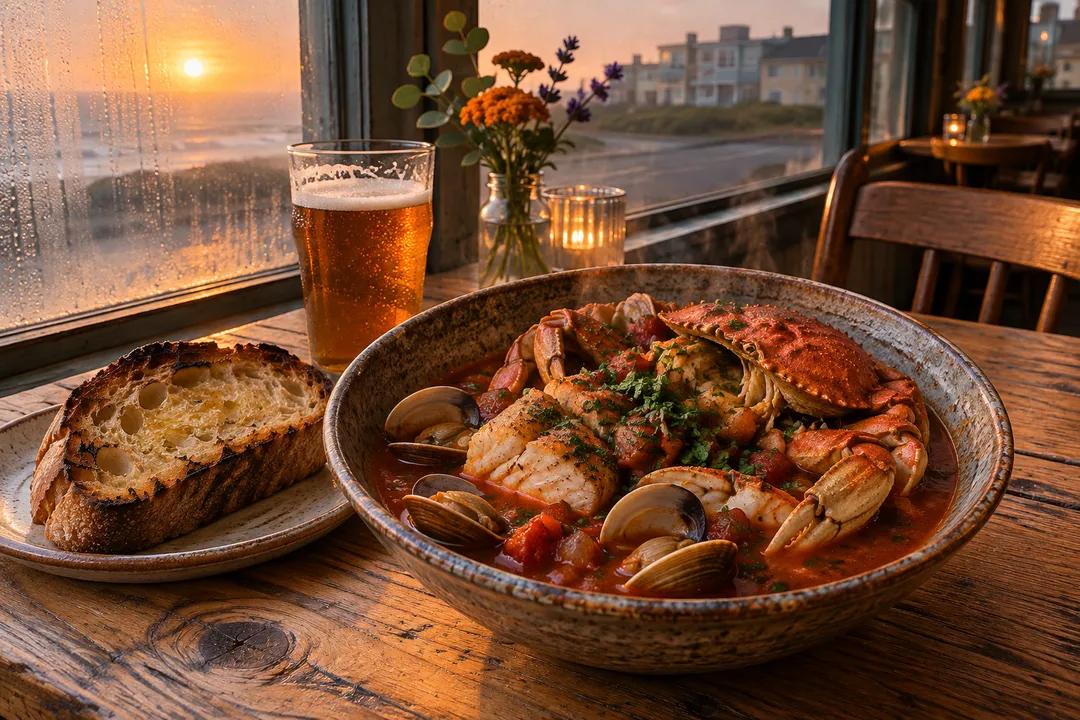
 Outer Sunset Cioppino Dinner Picker: Pots by Ocean Beach
Restaurants
Japantown Pupusa Spot Picker for a Foggy Okonomiyaki Swap
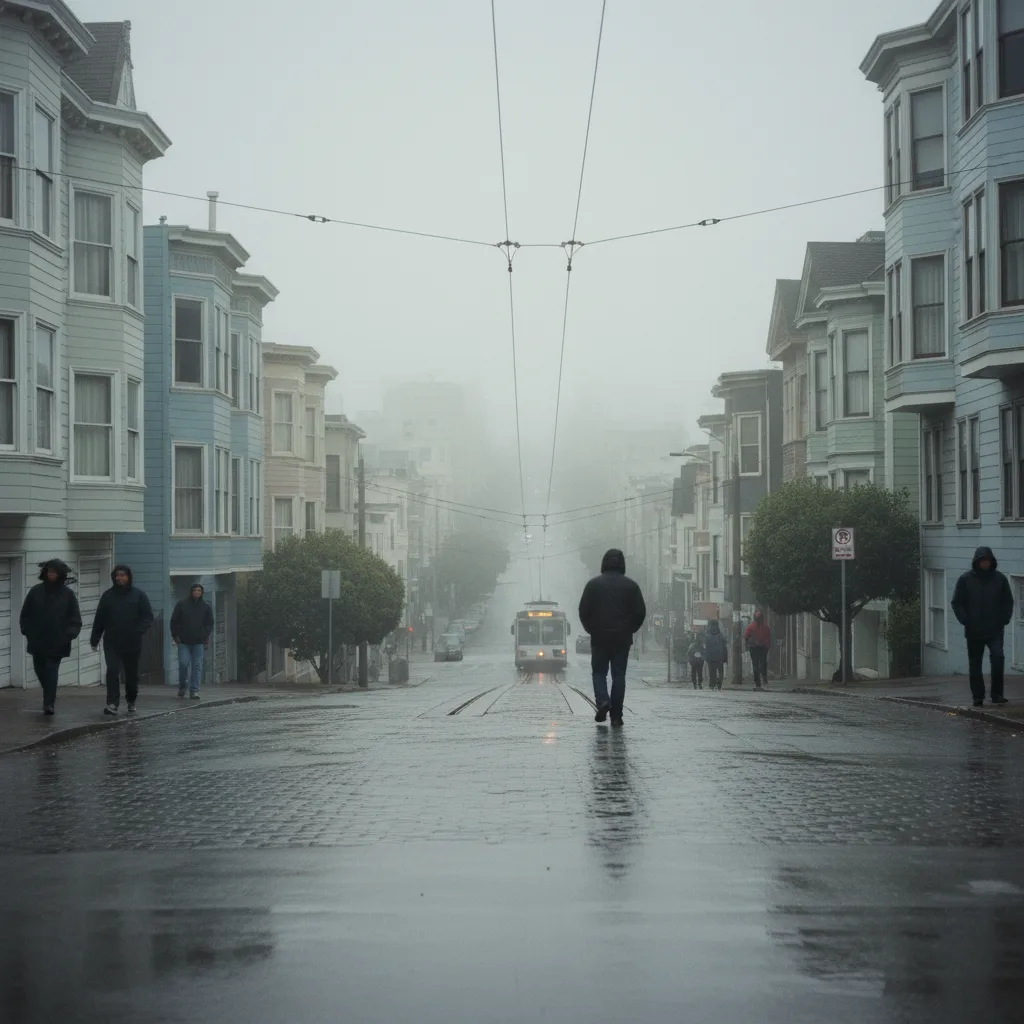
From Japantown, ride the 22 Fillmore toward the Mission on a foggy day and pick a pupusa spot like okonomiyaki: by the griddle, the crust and the toppings.
A Japantown pupusa spot picker makes sense on exactly the kind of day San Francisco does best: gray, cool and drifting with fog. Japantown already teaches a love of griddled comfort food, from okonomiyaki cooked on a flat teppan to taiyaki pressed in iron molds. Salvadoran pupusas belong to the same family of warm, griddled pleasures. They are thick rounds of corn masa stuffed with cheese, beans or pork and cooked on a comal until speckled and crisp. The Mission District, long a center of Salvadoran life in the city, is a straightforward bus ride south.
Start Under Cover in Japantown
On a damp afternoon, Japantown's connected malls are a gift. You can wander between bookshops, stationery counters, ceramics stores and snack stalls without stepping into the drizzle, then step outside to the Peace Pagoda when the fog lifts for a moment. Keep the snacking light here. A small sweet or a cup of tea is enough, because the real meal waits across town.
Pay attention to the griddles while you browse. The flat steel surfaces, the cooks flipping and pressing, the smell of toasting batter. Those are the same signals you will look for in a pupuseria. The idea is to bring an okonomiyaki eye to a Salvadoran kitchen and notice how two very different cultures arrived at the same answer to cold weather: a hot, filled pancake straight off the iron.
Ride South Toward the Mission
From Fillmore Street, the 22 Fillmore trolley bus runs south and curves toward the Mission along 16th Street, so you can ride most of the way without a transfer. Watch the neighborhoods change through the window. Victorian flats give way to taquerias, panaderias and murals once you cross into the Mission, and the streets fill with Spanish conversation and the sound of street vendors.
Get off and walk. The blocks around Mission Street and 24th Street, including the stretch recognized as the Calle 24 Latino Cultural District, hold the city's thickest concentration of Central American and Mexican kitchens. Salvadoran families have shaped this part of San Francisco for decades, and pupuserias are woven into everyday neighborhood life, with families stopping in after church, work or school.
Give yourself time to look around once you arrive. The murals along Balmy Alley and the side streets off 24th Street tell stories of Central American migration, family and resistance, and many were painted by neighborhood artists. Walking past them before eating helps you understand why pupusas carry so much meaning here. For many Salvadoran San Franciscans, a plate of pupusas on a weekend is a direct line back to home, to grandparents and to small-town pupuserias where the whole street gathered around the comal.

Reading the Comal Like a Teppan
At an okonomiyaki counter, you judge a cook by how evenly the batter browns and whether the pancake holds together when flipped. Apply the same test here. Look for pupusas patted by hand and cooked to order on a wide, seasoned comal. They should show dark freckles across both faces and a lacy fringe of browned cheese where the filling touched the iron. A pale, uniform surface means the round was rushed or reheated.
The toppings play the same role as the sauce and bonito on okonomiyaki. Curtido, a tangy, lightly fermented cabbage slaw with carrot and oregano, brings crunch and acid. A thin, mild tomato salsa adds warmth and moisture. Spread both over each torn piece. You will notice that, like a good okonomiyaki, a pupusa is best eaten immediately, before the steam softens its crust.
What to Order on a Cold Day
Order the revuelta first, a mix of cheese, refried beans and finely ground chicharrón pork. It is the most traditional filling and the richest on a chilly afternoon. Then try queso con loroco, cheese with the buds of a Central American vine, which tastes green and slightly floral, a little like a cross between asparagus and fresh herbs. If you like the shredded cabbage inside okonomiyaki, you will appreciate how loroco lightens a heavy filling.
Many Mission kitchens also make rice-flour pupusas, which are softer and chewier than corn ones, almost like a cousin of mochi in texture. Ordering one of each dough is a fun way to compare. For a warm drink, look for atol de elote, a sweet, thick corn drink that is perfect on a foggy day, or a cup of Salvadoran coffee.
If the group is hungry, add a bowl of sopa de res, a hearty beef and vegetable soup, or a plate of fried yuca with chicharrón. They are not pupusas, but they round out a cold-weather table and show how much more a Salvadoran menu offers.
Leave room for something sweet. Some Salvadoran bakeries in the Mission sell quesadilla salvadoreña, a dense, slightly cheesy sweet cake that has nothing to do with the Mexican quesadilla, and it pairs beautifully with coffee on a gray day.
Eating Like the Regulars
Eat with your hands. Salvadoran regulars tear off a piece, scoop curtido on top, add a little salsa and eat it in one or two bites. Forks are available, but cutting a pupusa with a knife crushes the crust. Two or three rounds make a full meal for most people, so order a first round, see how it feels and add more if needed.
Weekend afternoons are the liveliest time, when big families fill several tables and the comal never stops. Weekday afternoons are quieter and better for a first visit if you want to watch the cook or ask about fillings. Either way, settle in. A pupuseria on a foggy day is a place to linger over a second coffee rather than rush through lunch.
When to Change the Plan
If the fog turns into real rain and the walk sounds miserable, skip the ride and stay in Japantown for ramen or okonomiyaki instead. Save the Mission for a drier afternoon when you can stroll Balmy Alley's murals after eating. And if a pupuseria has a long line out the door on a weekend, take it as a good sign but have a second option a few blocks away rather than waiting in the cold.
Mapping Your Swap With Karpo APP
Before you leave Japantown, open Karpo APP and ask for pupuserias and Salvadoran kitchens in the Mission that suit a relaxed afternoon. Karpo can suggest spots that fit what you are in the mood for, from a busy family room to a quiet counter, and help you think through the trip from Fillmore Street. Save your favorites so the next foggy day already has a plan.
Ask Karpo for more information.
Keep reading
- Outer Sunset Cioppino Dinner Picker: Pots by Ocean Beach
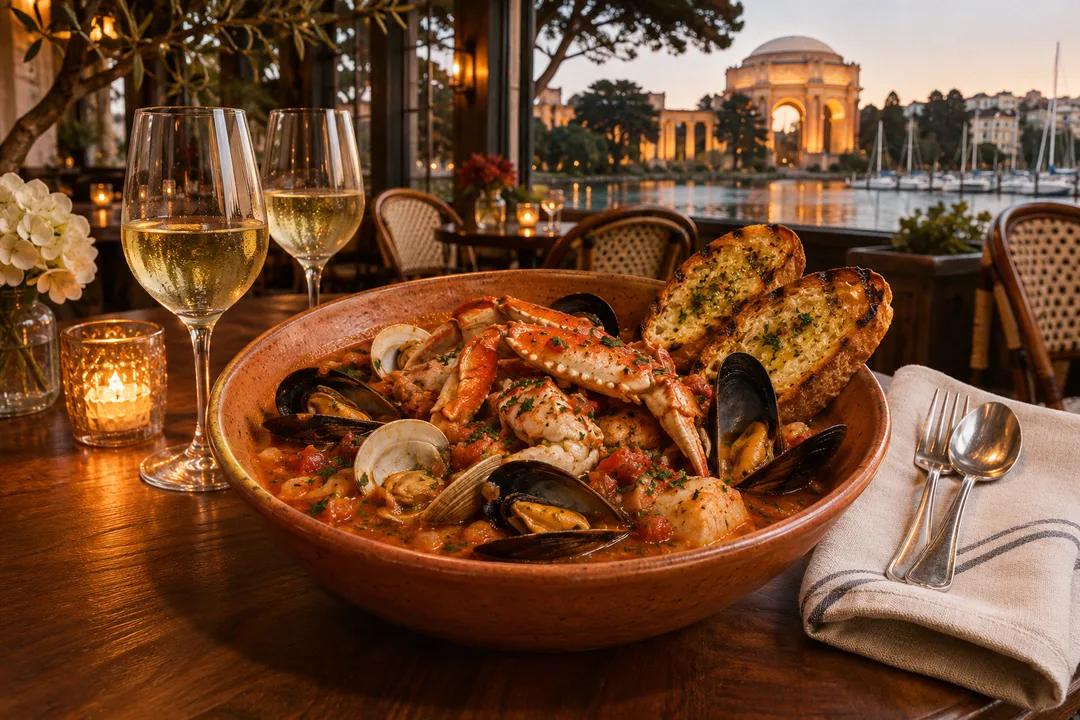 Marina Cioppino Dinner Picker: Bistros After Bay Walks
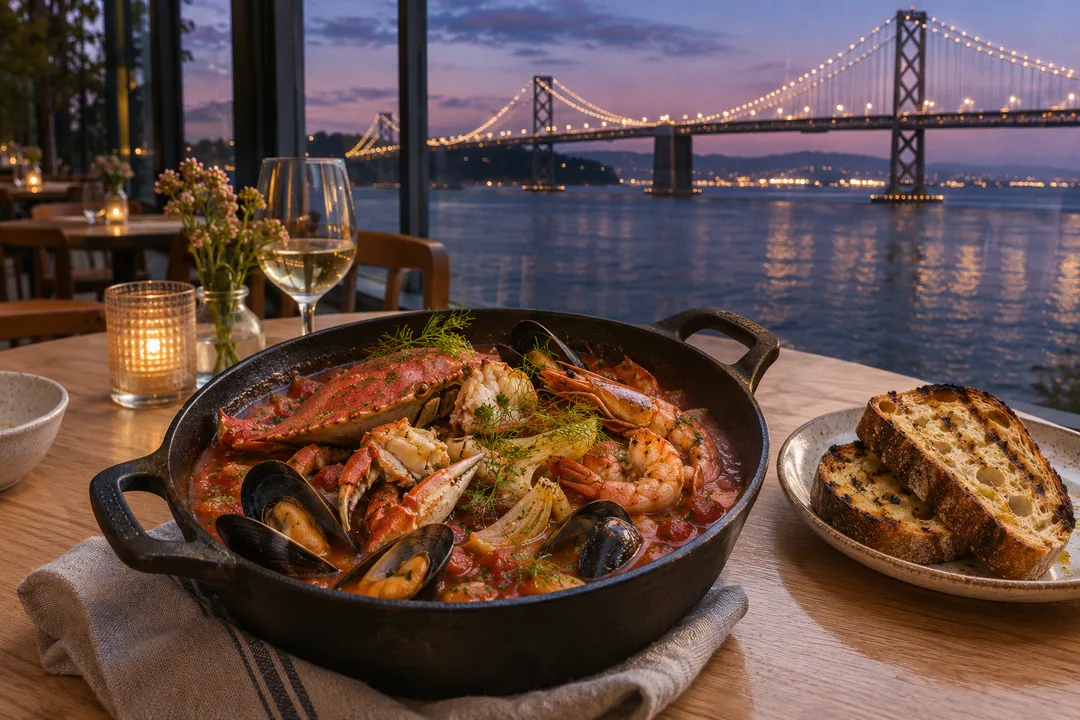 Embarcadero Cioppino Dinner Picker: Pots by the Bridge