 SoMa Bowling Group Night Planner to Welcome New Hires
Sports Social
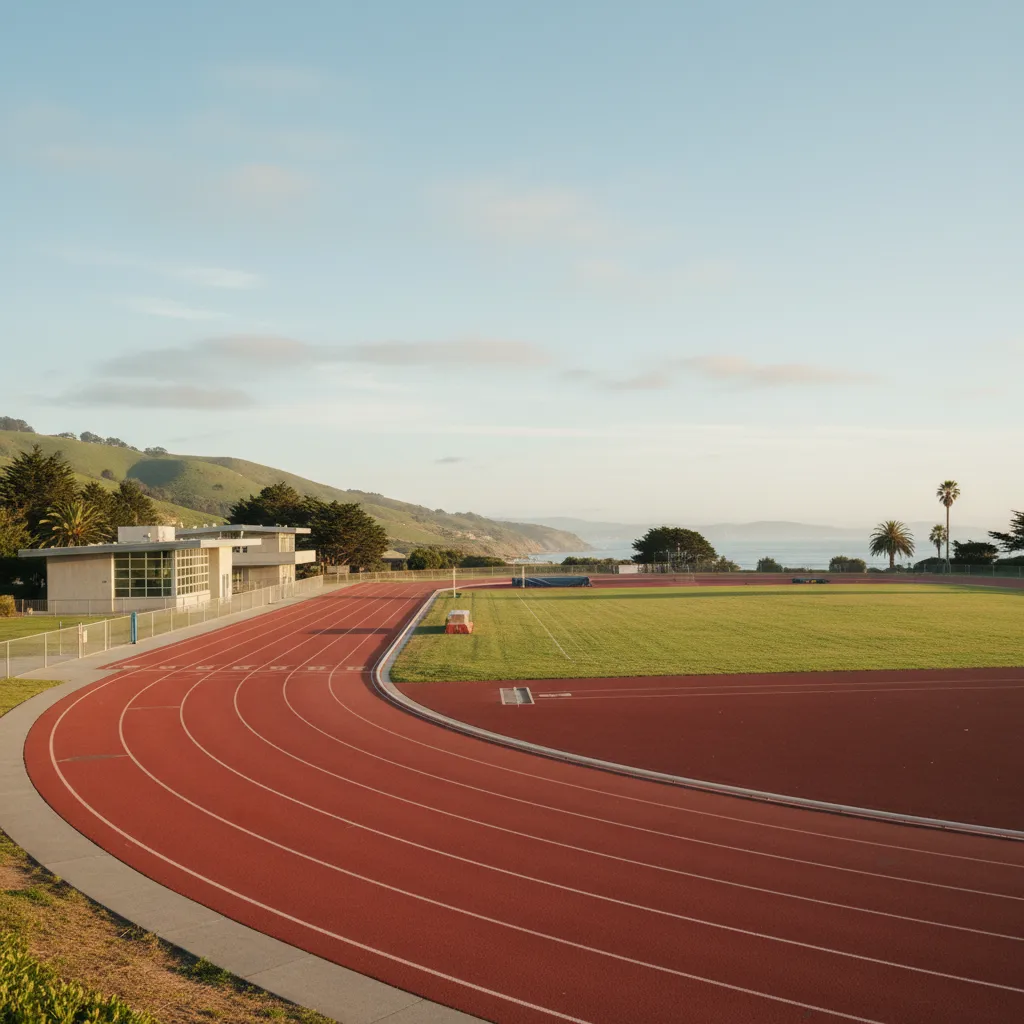
Mission District Public Track Running Loop: Free Turf Laps
Map free public track running loop options in the Mission District. Connect Dolores turf circuits and Kezar synthetic lanes for swift training.
San Francisco's Mission District is renowned for its vibrant murals, rich culinary heritage, and energetic street life, but local athletes know that executing structured speed training requires finding flat, uninterrupted running loops tucked within the city's varied topography. While the Mission itself is relatively flat along Valencia and Mission Streets, busy commercial traffic and crowded sidewalks make street sprinting impractical. Fortunately, Mission runners have access to several nearby outdoor athletic spaces that deliver exceptional conditions for public track running loop sessions, from community park perimeters to iconic regulation stadium tracks situated within easy jogging distance.

Urban Park Perimeters and Regulation Stadium Tracks
At the western boundary of the neighborhood, Mission Dolores Park offers wide paved pedestrian pathways that form an active perimeter loop around expansive hillside lawns and palm trees. While Dolores Park features noticeable elevation changes on its western side along Church Street, its lower pathways provide smooth, continuous surfaces for interval drills and tempo laps. For runners seeking a certified flat four-hundred-meter synthetic track, historic Kezar Stadium sits just one point five miles west through the Castro and Cole Valley. Located on Kezar Drive at the eastern edge of Golden Gate Park, this legendary eight-lane all-weather public track is open daily for free community use, serving as the premier speedwork destination for Mission District athletes.
Navigating Track Etiquette and Shared Public Turf
Training at shared athletic venues across San Francisco demands an understanding of local track etiquette and community sports conventions. At Kezar Stadium, runners from across the city gather to execute demanding track workouts, requiring everyone to observe clear lane disciplines. The innermost lanes, lane one and lane two, are reserved strictly for high-speed intervals, time trials, and fast pace repeats. If you are jogging at a recovery pace, warming up, or walking between reps, you must move outward to lanes five through eight. Never stand motionless in the inside lanes; after completing a hard sprint, look back over your right shoulder before drifting safely onto the outer apron.
When utilizing park circuits within the Mission District, such as the perimeter path around Franklin Square at 17th and Bryant Streets or the paths of Garfield Square, runners share space with dog walkers, families, and neighborhood commuters. Always announce your presence gently when overtaking pedestrians from behind, offering a polite passing on your left call well in advance. Running counter-clockwise around park perimeters mirrors standard track flow and helps maintain predictability among multiple runners sharing the path. By respecting these communal standards, athletes foster a supportive, welcoming environment where everyone can train safely.
Structuring Incline Repeats and Flat Sprint Sets
The unique geography surrounding the Mission District allows runners to design diverse, high-impact workouts that combine flat track speed with functional hill power. A popular training protocol begins with an easy one-mile warmup jog through the flat residential streets of the Mission, followed by an arrival at Dolores Park for hill repeats. Running hard uphill surges along the paved path parallel to Church Street builds explosive quad and calf strength, while jogging slowly downhill provides aerobic recovery. This incline work develops raw leg power that directly translates into faster flat racing performances.
Following hill sessions, runners can head over to Kezar Stadium to execute flat, cadence-driven four-hundred-meter repeats on the rubberized track. The synthetic polyurethane surface of Kezar absorbs foot strike shock while offering snappy rebound, allowing runners to turn over their legs at maximum speed without the joint battering of concrete sidewalks. A classic speed session consists of six to eight four-hundred-meter laps run at target five-kilometer pace, with two-hundred-meter recovery walks between sets. Alternating between the natural inclines of the Mission and the certified flat geometry of Kezar Stadium creates a comprehensive, highly adaptable training routine that builds resilient all-around fitness.
Microclimates, Wind Patterns, and Water Availability
San Francisco's famous microclimates play a major role in planning outdoor track sessions from the Mission District. The Mission sits in a sheltered geographical basin that enjoys some of the warmest, sunniest weather in the entire city, often remaining bright and dry even when thick Pacific fog blankets the western neighborhoods. However, runners heading west toward Kezar Stadium near Golden Gate Park will often experience a rapid temperature drop of ten to fifteen degrees, accompanied by gusty coastal head-winds sweeping through the stadium oval. Dressing in versatile, lightweight moisture-wicking layers allows you to adapt seamlessly as you move between microclimates.
Public amenities and hydration stations are reliably accessible across the Mission's primary running hubs. Drinking fountains are situated throughout Mission Dolores Park near the central playground and the public restroom pavilion, offering clean municipal water from spring through winter. At Kezar Stadium, water fountains and public restrooms are located near the south entrance tunnel, ensuring athletes can easily refill bottles during demanding interval sets. In summer and autumn, late afternoon runs in the Mission can become surprisingly warm, making it wise to carry a handheld hydration flask for extended distance runs across neighborhood corridors.
Coordinating Running Schedules Through Digital Guides
Optimizing your urban athletic routine is greatly streamlined through modern digital mapping and route coordination tools. Karpo APP provides Mission District runners with detailed spatial guides that plot the safest, lowest-traffic connector streets linking Mission homes to neighborhood park loops and regional athletic tracks. Athletes can preview elevation profiles, locate public restrooms, and track precise distance splits across multi-park training circuits. Having reliable, up-to-date route information directly on your phone eliminates guesswork and lets you focus completely on athletic form and endurance.
After completing a rewarding track and loop workout, the Mission District provides an extraordinary environment for post-run recovery and nourishment. Cool down with an easy stroll down leafy residential blocks on 21st or 22nd Street, allowing your cardiovascular system to settle naturally. The grassy slopes of Dolores Park offer unmatched vantage points overlooking the downtown San Francisco skyline, serving as an inspiring setting for post-run stretching, foam rolling, and mobility work. Rehydrate at neighborhood juice bars and independent coffee houses along Valencia Street. Combining rigorous track training with the vibrant spirit of the Mission creates an energizing fitness habit that keeps you strong, motivated, and deeply connected to your community.
Ask Karpo for more information.
Keep reading
- SoMa Bowling Group Night Planner to Welcome New Hires
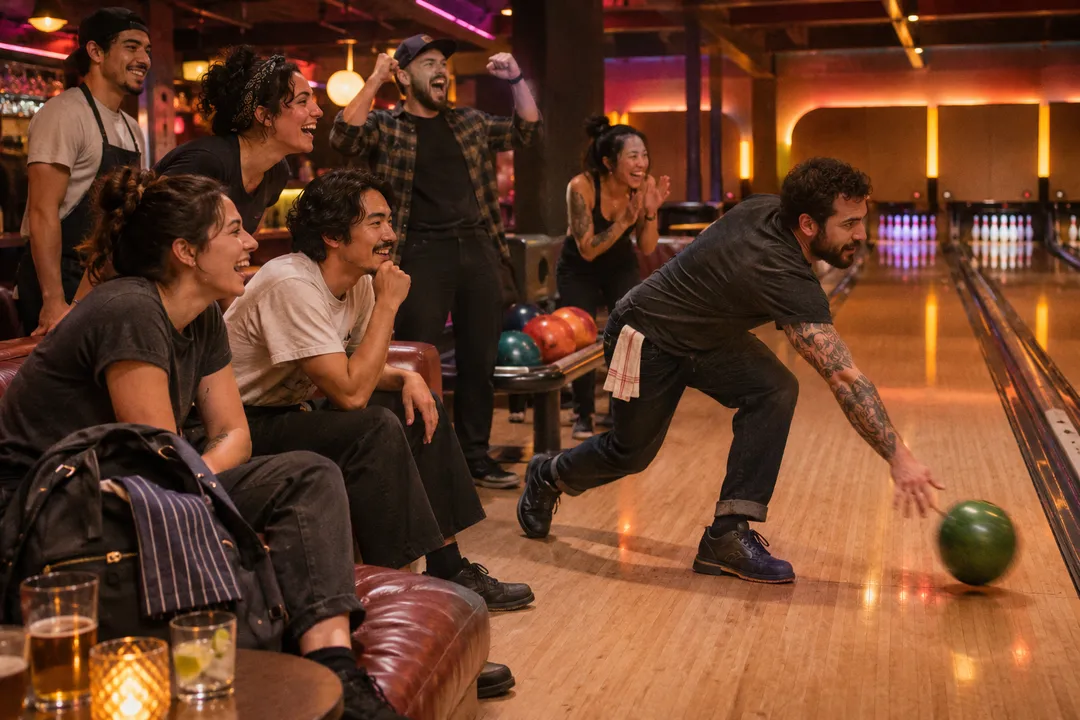 Lower Haight Bowling Group Night Planner for Kitchen Crews
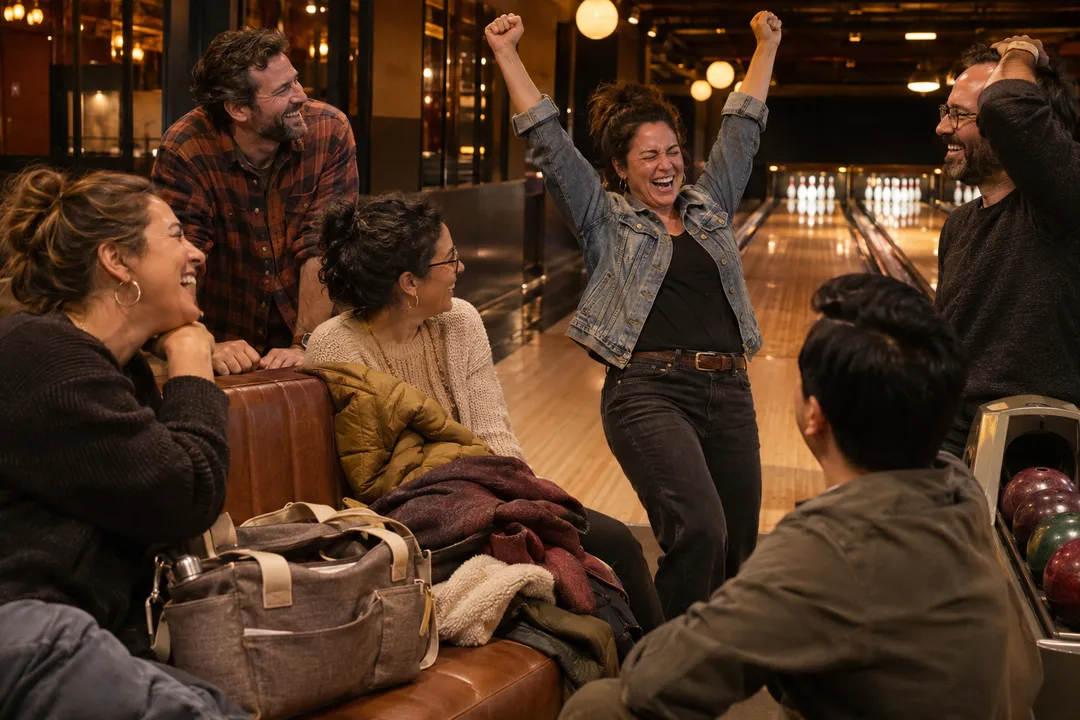 Bernal Heights Bowling Group Night Planner for Parents Out