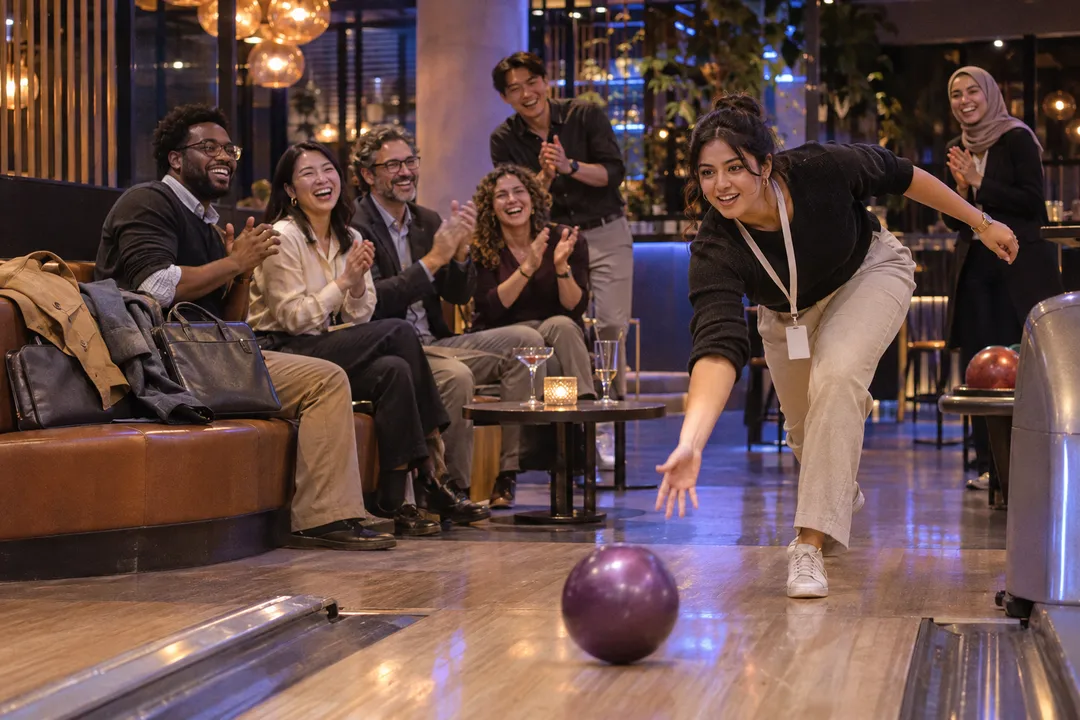
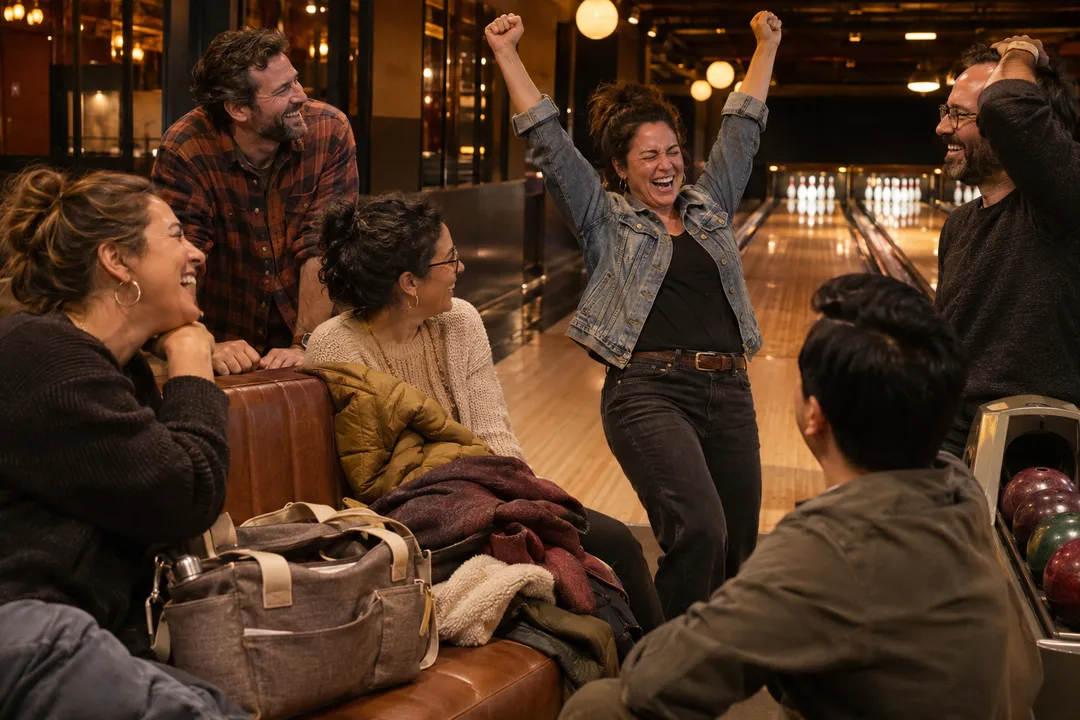
 SoMa Bowling Group Night Planner to Welcome New Hires
Sports Social
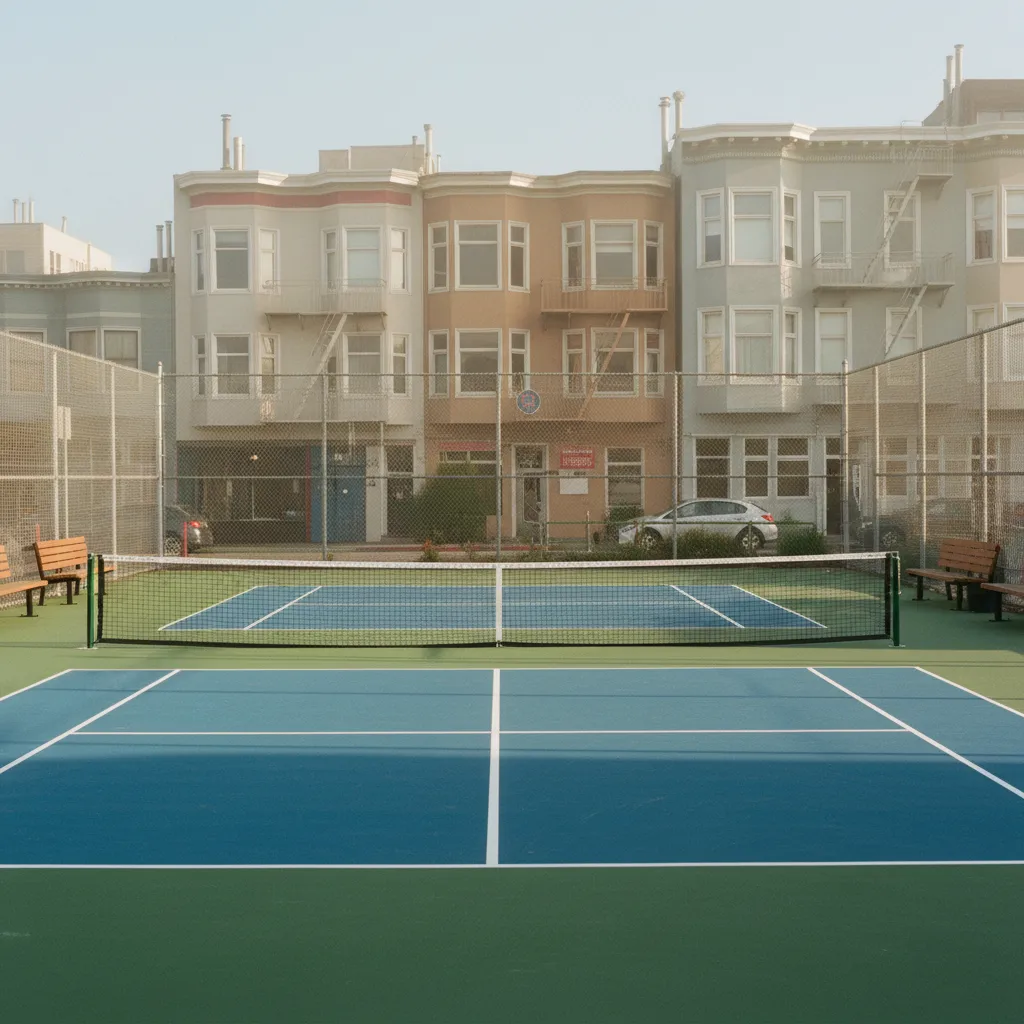
Mission District Public Pickleball Court Finder: Game Rules
Mission District public pickleball court finder options connect local players across SF parks. Learn paddle queue rules and open game timings before arriving.
The Mission District offers a lively starting point for recreational sports across San Francisco, with public courts drawing a steady mix of enthusiastic neighbors and visitors. Using a thoughtful public pickleball court finder approach helps you navigate where games gather, how community recreation schedules function, and what equipment to carry. Rather than wandering between parks hoping for an empty surface, successful players coordinate their arrival windows around established open play patterns. Morning fog often lifts over the neighborhood by nine oclock, creating comfortable conditions for spirited rallies and social recreation.
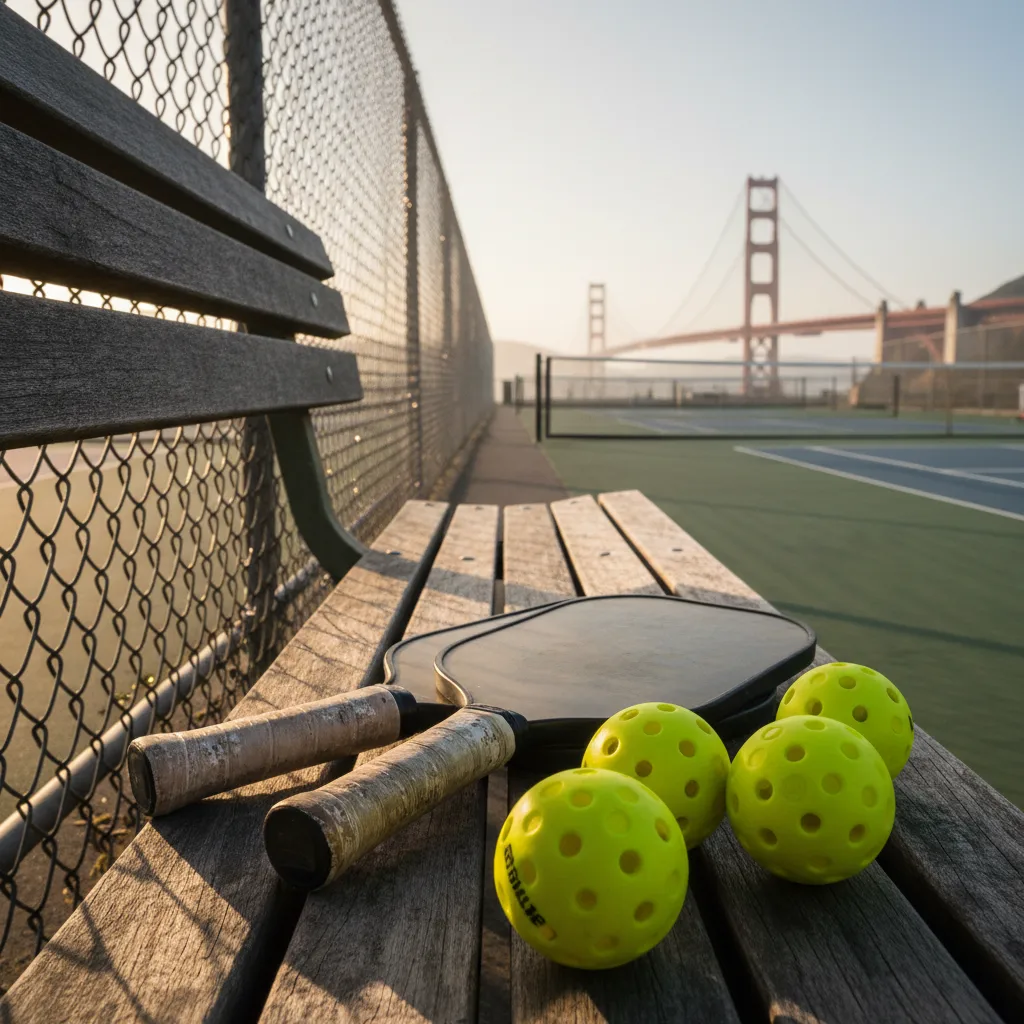
Morning paddle rack rotations and court rules
Public courts in San Francisco operate on community courtesy systems that keep games moving when recreation spaces fill up. When multiple groups arrive at busy parks near the Mission, players place their paddles in an outdoor queue rack or bench lineup to mark their position for the next game. Games typically play to eleven points, requiring a margin of two points to secure victory, which keeps court turnaround predictable. If four or more paddles wait in line, players vacate the court promptly after their match finishes so the next group can warm up and begin.
Arriving as a solo player or an incomplete doubles pair is common throughout neighborhood park sessions. Experienced community members welcome newcomers who introduce themselves and place their paddles into the queue with clear communication about their skill comfort. Sticking to standard doubles play allows four people to enjoy the court simultaneously instead of limiting access to singles matches. Keeping warm-up rallies brief ensures that everyone waiting gets equal time on the court during peak recreational hours.
Navigating wind and court surface conditions
San Francisco microclimates require practical adjustments when planning outdoor pickleball sessions in the Mission corridor. While the Mission often enjoys milder temperatures than coastal neighborhoods, breezy gusts can sweep across open park flats by late afternoon. Experienced local players favor outdoor pickleballs with smaller, precision-drilled holes, such as forty-hole composite balls that cut through moderate air currents without erratic drift. Carrying a couple of wind-resistant balls in your bag prevents frustrating interruptions when park breezes pick up.
Court traction also deserves careful attention on asphalt and painted public surfaces that may collect morning dampness or urban dust. Wearing court shoes designed with firm lateral support and non-marking rubber outsoles protects your ankles during quick lateral maneuvers near the net. Running shoes with thick, squishy soles lack the side stability required for sudden changes of direction. Taking a quick walk around the baseline before serving allows you to check for loose gravel, damp patches, or uneven painted lines.
Mastering non-volley zone and serving etiquette
Fair play on community courts relies on mutual understanding of core pickleball rules and honest boundary calls. The seven-foot non-volley zone, widely referred to as the kitchen, prohibits players from stepping onto or touching the line while executing a volley out of the air. When an airborne ball drops beyond the kitchen line, you may step forward to hit it after the bounce, provided you reset your footing before volleying again. Respecting this zone keeps soft dink rallies safe, engaging, and tactically rewarding for both sides.
Serving courtesy sets a respectful tone for the entire match in public recreation environments. Servers should announce the complete score audibly before striking the ball, stating the serving team score, receiving team score, and server number in clear sequence. In recreational park settings, players call balls on their own side of the net with generosity, awarding the point to their opponents whenever a shot lands on or dangerously close to the boundary line.
Coordinating transit and neighborhood arrival
Reaching recreation spots around the Mission District is remarkably convenient without bringing a car into crowded residential streets. The twenty-fourth street and sixteenth street BART stations place players within easy walking distance of community parks, while frequent Muni bus lines crisscross the flat neighborhood grid. Biking along marked Valencia Street bike lanes or walking past vibrant community murals offers an active warm-up before you even pick up your paddle. Avoid driving when possible, as neighborhood street parking quickly becomes competitive near popular recreation grounds.
Meeting up with playing partners works best when you establish a specific meeting landmark rather than a broad neighborhood corner. Selecting a well-known park entrance, community plaza, or distinctive outdoor bench gives your group a reliable gathering spot to organize bags and stretch together. Having everyone arrive ten minutes before your target playing hour allows your group to place paddles into rotation together, ensuring you enter the next open doubles match as a coordinated unit.
Equipment checklist for park play sessions
Packing an efficient gear bag keeps your park visit enjoyable without weighing you down during your neighborhood stroll. A balanced graphite or composite paddle with a comfortable grip circumference provides reliable ball control for both defensive resets and decisive overhead putaways. Carrying a compact microfiber towel, a reusable water bottle, and a small tube of sunscreen prepares you for bright morning sun that breaks through city cloud cover. Packing an extra overgrip helps maintain a secure paddle hold when hands get sweaty during intense games.
Hydration and personal care require self-reliance when spending hours outdoors at municipal park facilities. While public drinking fountains operate in most city parks, bringing your own chilled water ensures you stay properly hydrated between hard-fought points. Stashing a light windbreaker or zip-up sweatshirt in your backpack lets you cool down comfortably after vigorous play without catching a chill in the coastal breeze. A dedicated zippered pocket for keys, transit cards, and small items keeps your valuables secure near the court benches.
Post-game strolls along vibrant mural corridors
One of the greatest pleasures of playing in the Mission is transitioning from an energetic morning match directly into the neighborhoods celebrated street life. Wandering down nearby Balmy Alley or Clarion Alley reveals decades of expressive community murals, political artwork, and vivid neighborhood storytelling painted across garage doors and building walls. The flat sidewalks and relaxed pedestrian pace make it easy to cool down while admiring local creative traditions that give the district its unmistakable identity.
Finding a casual spot for post-match refreshments completes a memorable community sports outing. Grabbing a fresh fruit juice from a neighborhood grocer or sitting down for warm pastries along Mission Street gives your group a chance to replay game highlights and discuss strategy. Because outdoor courts emphasize casual community connection, fellow players often join the conversation, sharing recommendations for upcoming open sessions and friendly weekend round-robins across the city.
Practical notes for public court planning
Successful court visits require realistic scheduling and consideration for the municipal recreation rhythm. Public courts throughout San Francisco welcome open community access, but peak morning hours between eight and eleven oclock regularly see active queue rotations. Planning an early arrival gives your group immediate court access or a prime spot near the front of the paddle rack. If you visit during late afternoon hours, expect casual doubles rotations where patience and positive sporting attitudes keep the games welcoming for all skill levels.
Turning to the Karpo APP provides a practical way to discover neighborhood routes, coordinate walking connections to local sports facilities, and find nearby spots to unwind after your session. While the app helps you plan your transit approach and explore neighborhood surroundings, actual court access follows municipal first-come park policies and on-site queue etiquette. Pack your gear, respect the players waiting on the benches, and enjoy the lively spirit of San Francisco community pickleball.
Ask Karpo for more information.
Keep reading
- SoMa Bowling Group Night Planner to Welcome New Hires
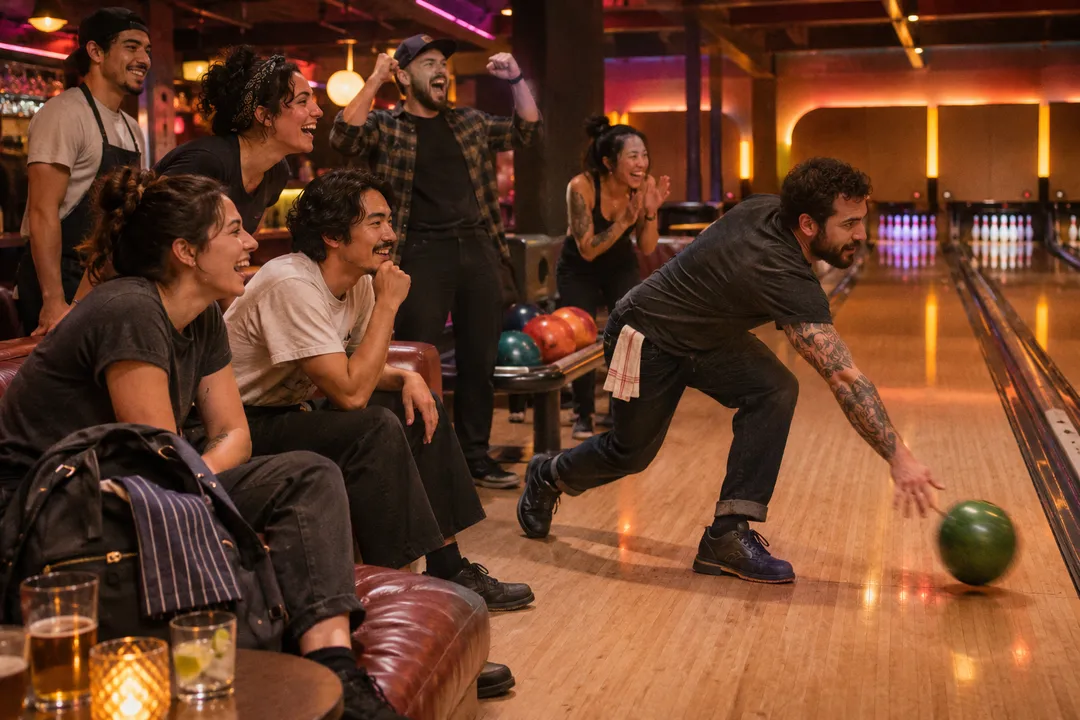 Lower Haight Bowling Group Night Planner for Kitchen Crews
 Bernal Heights Bowling Group Night Planner for Parents Out