San Francisco's omakase market splits cleanly into two tiers: the $300-plus temples where counter seats require insider knowledge and a month's notice, and the casual kaiten-zushi spots where fish circles on a conveyor. Ijji, the 17-seat Divisadero restaurant that closed permanently in 2019, occupied the vanishing middle ground—a proper chef-driven omakase at $135, in a neighbourhood setting where you could book a week out and still afford drinks.
Karpo tracks which sushi counters are still operating, which have moved or closed, and which accept walk-ins tonight. Search 'omakase' in the app to see what's open now and how to get there.
The restaurant never reopened after what was initially announced as a temporary closure. That matters now because the search for accessible omakase in San Francisco has only grown harder, and understanding what Ijji offered—and where that kind of experience migrated—helps frame what's actually available when you're trying to spend less than two hundred quid on raw fish.
Why Ijji stood out
The restaurant sourced 90% of its fish directly from Japan and listed specific regional origins for each piece—Kagoshima snapper, Spanish mackerel from defined coastal waters. That level of provenance usually signals a certain price point, but Ijji kept the 19-course menu (five appetizers, thirteen nigiri, soup) at $135 before beverages and gratuity. The hinoki cypress counter seated seven; the remaining seats scattered across a few tables. No cold case displaying the day's fish, which is unusual for a traditional sushi bar but kept the aesthetic clean and minimalist.
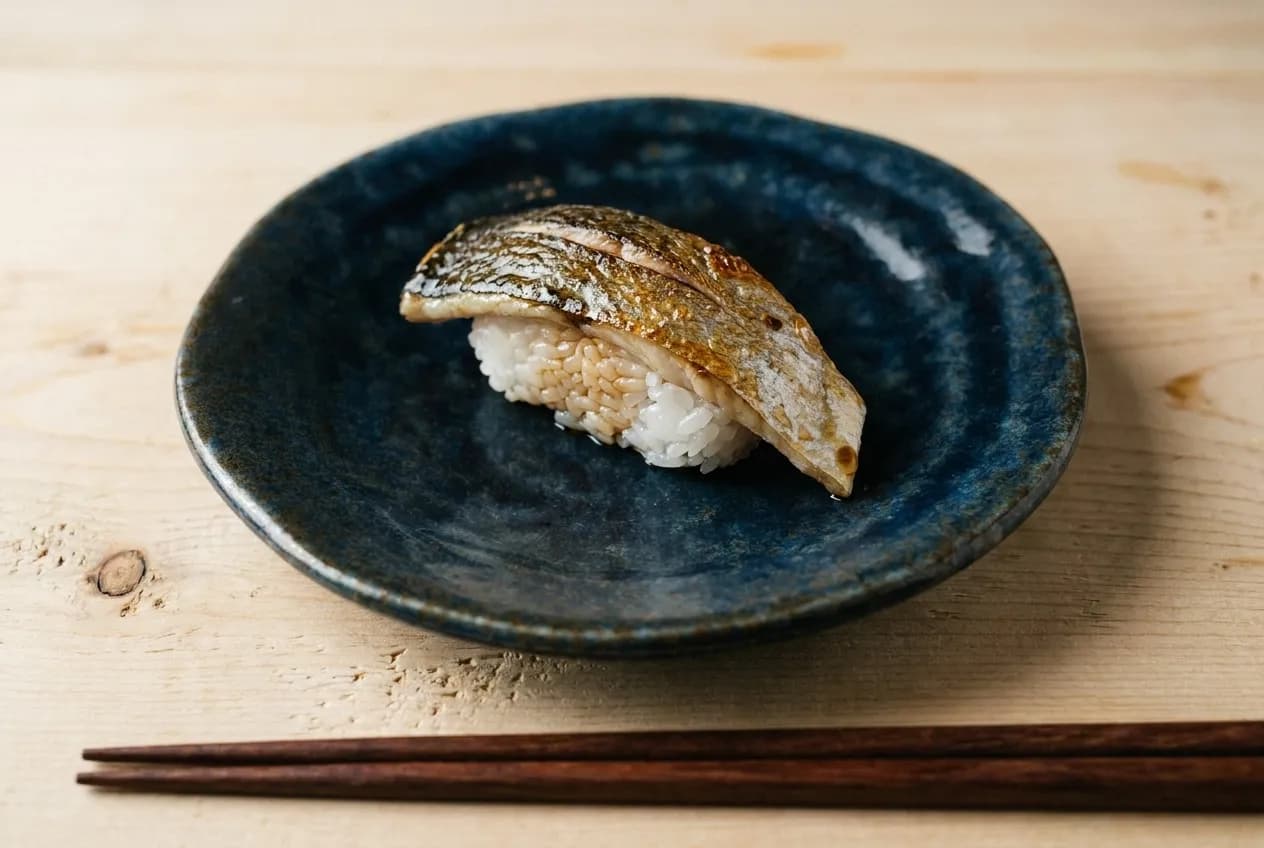
Two seatings nightly meant the kitchen could focus on a fixed progression rather than à la carte chaos. Counter seats were reservation-only and gave you direct access to the chef, who would guide you on what to eat with fingers and what required chopsticks. The Spanish mackerel arrived with quick-fired crispy skin; the Kagoshima snapper sat in soy-vinegar. House-made green tea ice cream with red bean paste closed the meal. It was the kind of place that felt serious without requiring you to dress up or pretend you knew more than you did.
The trade-off
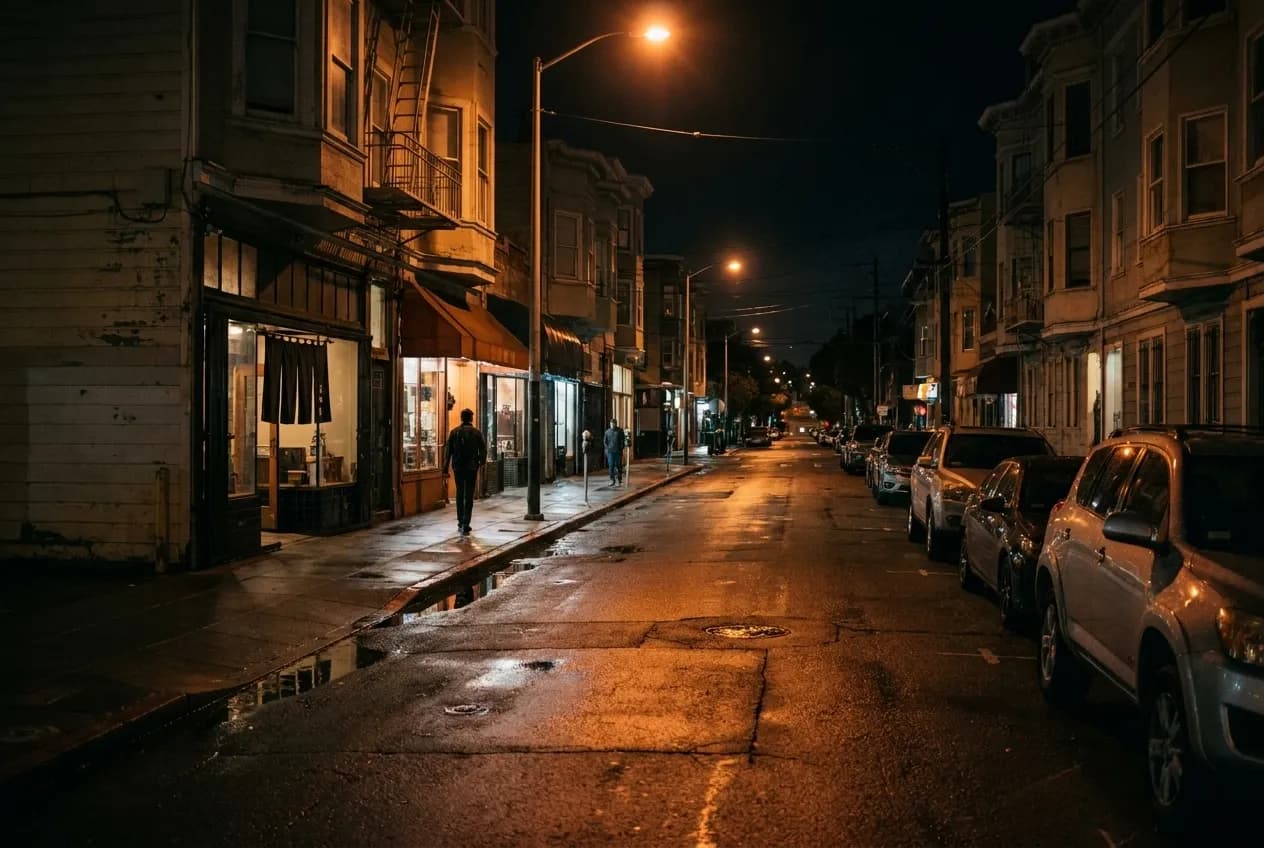
Ijji was almost invisible from the street—no exterior signage except 'iii' on noren curtains—which meant you had to know it was there. Divisadero parking was difficult then and remains difficult now; the advice was to arrive early for your seating time, which in practice meant circling the block or paying for a garage. Seventeen seats total meant that if you wanted the counter experience, you booked well in advance or you didn't go.
The omakase format itself left no room for substitutions or preferences. You ate what the chef served, in the order it arrived. That works brilliantly if you trust the kitchen and enjoy the ritual; it's frustrating if you dislike uni or have a shellfish issue. The $135 price excluded drinks, tax and gratuity, so the final bill edged closer to $180 per person once you added sake or beer. Still cheaper than the top-tier spots, but not casual.
Timing and money
When Ijji first opened in February 2016, the omakase ran eight courses for $70 to $80. In November 2016, the format shifted to nineteen courses at $135, which represented both an expansion in ambition and a significant increase in cost. Individual nigiri pieces, if you somehow ordered à la carte, ran $6 to $10 each. The fixed-price model made the maths straightforward: you knew what you'd spend before you sat down, assuming you could resist the sake list.
The two-seating structure gave the restaurant predictable rhythm but limited flexibility. If you wanted omakase on a Saturday night, you booked the week before or you tried the sister restaurant, Kinjo, at 2206 Polk Street. When Ijji announced its temporary closure in 2019, the owners recommended Kinjo as the alternative. Kinjo had earned a Michelin star by then and operated in a larger format, which meant it absorbed some of Ijji's displaced regulars. Ijji never reopened; the temporary closure became permanent.
What you would have ordered
You didn't order at Ijji—the chef decided. The 19-course progression moved from lighter appetisers through thirteen pieces of nigiri, with soup arriving near the end. The Spanish mackerel with crispy skin and the Kagoshima snapper in soy-vinegar were signature pieces, but the menu rotated based on what arrived from Japan that week. The chef would tell you the fish's origin, sometimes down to the prefecture, and whether to use your hands or chopsticks.
The green tea ice cream with red bean paste was the only dessert, and it was made in-house. Some regulars skipped it; others considered it essential. The sake selection leaned Japanese and small-production, with a few options by the glass. Beer was available but felt beside the point. The experience was structured to last about ninety minutes, which meant you weren't rushed but also weren't lingering over a third round of drinks.
Kinjo versus other Divisadero options
Kinjo, the sister restaurant at 2206 Polk Street, is still operating and represents the closest living relative to Ijji's approach. It's larger, it earned a Michelin star, and the price point has climbed accordingly—expect closer to $200 for omakase now. The advantage is consistency and the knowledge that the same ownership and philosophy are intact. The disadvantage is that it's further from Divisadero, and the Michelin recognition brought a different crowd.
If you're committed to staying near Divisadero and want omakase, your options narrow quickly. Most of the neighbourhood sushi is either kaiten-style or à la carte nigiri bars without a fixed progression. The omakase format—especially the kind Ijji practiced, with direct-from-Japan sourcing and chef interaction—has largely moved to higher price tiers or different neighbourhoods entirely. Kinjo remains the most direct successor, but it's not a like-for-like replacement in cost or location.
Getting there and what it cost
Ijji was located at 252 Divisadero Street, in the Lower Haight corridor—not the Inner Richmond, despite some early confusion. The restaurant has been permanently closed since at least 2019. When it was operating, reservations were required for the seven-seat hinoki counter; the remaining table seats sometimes accepted walk-ins, though that was never guaranteed. Two seatings nightly allowed the kitchen to maintain focus and consistency.
The 19-course omakase cost $135, excluding beverages, tax and gratuity. Individual nigiri pieces ranged from $6 to $10 if ordered separately. Parking on Divisadero was difficult; arriving fifteen minutes early was standard advice. The restaurant had no exterior signage beyond the noren curtains marked 'iii', so first-timers often walked past it. That invisibility was part of the appeal for regulars and part of the frustration for everyone else.
Please drink responsibly. Must be of legal drinking age.
Tags: #omakase #divisadero #lowerhaight #sushi #closedsanfrancisco #kinjo #japanesefood #sushibar #sanfranciscodining #michelin #polkstreet #rawfish #chefscounter #hinokicypress #omakasenearme
All trademarks are the property of their respective owners.
Ask Karpo first
Ask Karpo which omakase counters near Divisadero or Polk Street are open tonight and still taking reservations. Check live wait times for walk-in sushi bars in the Lower Haight, and get a route that avoids the Divisadero parking nightmare.