 SoMa Bowling Group Night Planner to Welcome New Hires
Sports Social
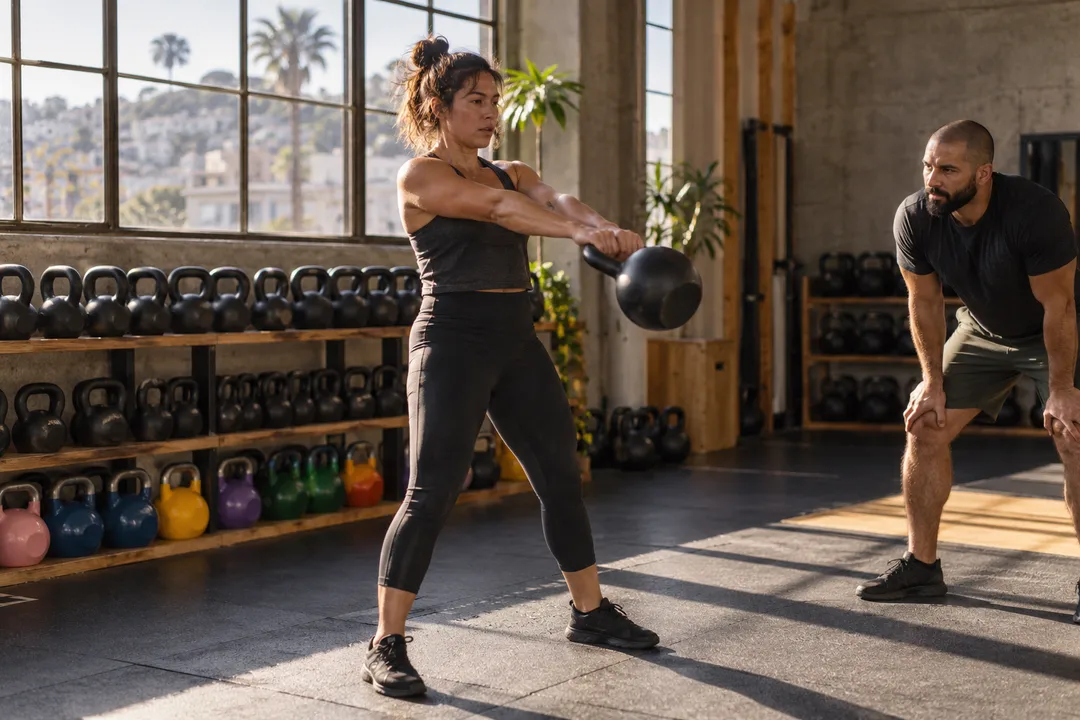
SF Kettlebell Gym in Mission: 3 Cues, Better Form
SF Kettlebells at 3430 19th Street offers coached kettlebell training in San Francisco’s Mission. Learn the form cues that make each session count.
SF Kettlebells is a different answer to the phrase kettlebell gym near me: it is a teaching practice, not a warehouse of machines. The official site places the work around assessment, movement efficiency, breathing, and progressive instruction, with the studio listed at 3430 19th Street in the Mission. That small planning step matches the atmosphere: you arrive for coaching, not for anonymous equipment access.
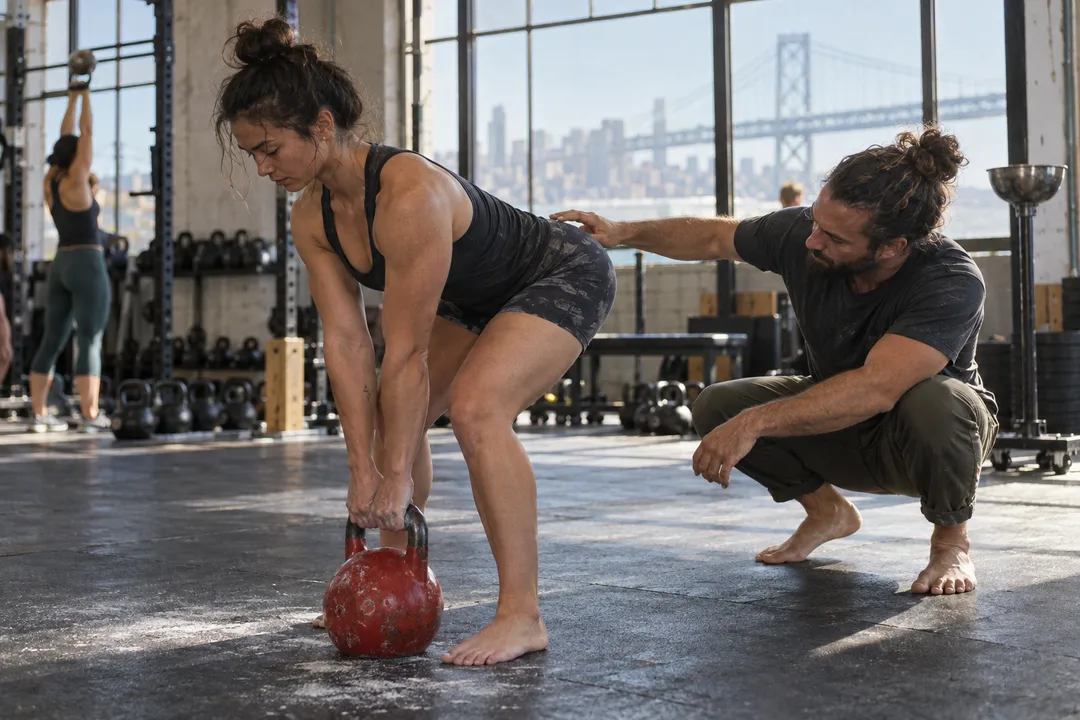
Start With the Hinge
The first useful question is not how heavy a bell you can swing. It is whether your feet, ribs, hips, and hands are cooperating. The training page describes beginning assessments that look for weaknesses and asymmetries before loading a full program. In practice, that means a first session can feel slower than a boot-camp class, with time spent rehearsing a hinge, breathing behind tension, and finding a safe path for the bell. That patience is the point, especially if your goal is durable strength rather than a dramatic first workout.
A quiet rule here is to treat the kettlebell as a moving weight, not a prop for improvisation. Set the bell where you can reach it without rounding into a rushed pickup, keep the handle clean, and stop when the shape of the repetition changes. Newer athletes often want to chase the snatch or Turkish get-up immediately because those movements look distinctive. A better visit is built around one clear lesson, such as keeping the lats connected during a swing or stacking the wrist over the forearm in a press.
Marty Covault’s site tells a useful story about the method: he began training with kettlebells in 2005, became a Russian Kettlebell Certified instructor in 2006, and assisted at seminars led by Steve Maxwell and Pavel Tsatsouline. Those dates are not a reason to perform harder; they explain why the instruction emphasizes technique and repeatability. The room suits the person who wants a coach to notice a small compensation before it becomes a habit, whether that person is an athlete, a desk worker, or someone rebuilding confidence after time away from training.
A Teacher-Led Kettlebell Room
If you are deciding what to practice, start with the deadlift, then the two-hand swing, then a carry or get-up variation only when the first two feel organized. The site connects kettlebell work with functional strength, shoulder stability, mobility, and efficient power. That is a more honest promise than instant transformation. One strong set of clean hinges can teach more than a frantic circuit of five movements. Bring shoes that let you feel the floor, clothes that do not catch the handle, and a notebook for the one cue you will remember tomorrow.
The Mission setting gives the visit a useful before-and-after rhythm. Walk in with one physical question: why does my back tighten during swings, why does my overhead position feel crowded, or why do I lose balance in a lunge? Leave with a smaller question you can practice. Nearby errands can wait until after training; the smartest post-session choice is a calm walk while your breathing returns to normal. If you stop for coffee, keep the conversation about the cue, not about adding more weight before the movement is ready.
A session at SF Kettlebells is best for people who value correction over spectacle. A runner may like the emphasis on hip drive and foot pressure. A grappler may appreciate the grip and trunk demands. A beginner may simply like having someone explain why a bell belongs close to the body on one movement and farther away on another. The shared expectation is attention. You are not competing with the person in the next lane, and nobody benefits from making a technical drill look heroic.
Build a Session Around One Goal
There is one honest reason to skip this option: if you want an open gym where you can wander in late and choose machines without a booking conversation, this is the wrong format. The same limitation is also its advantage. A scheduled lesson protects the time from turning into a random workout. Ask about the session length, what to wear, and whether a first visit includes an assessment before you go.
Mission rewards a compact route. Train first, then walk a few blocks while your forearms and shoulders settle, choosing a simple meal rather than stacking another strenuous activity on top. If you are meeting a friend, explain that the session may include pauses and repeated drills; the quiet intervals are not wasted time. They are where the nervous system learns the pattern. The Karpo APP can help choose a nearby stop after class, but leave enough margin to stretch, hydrate, and write down what changed.
Practical details matter more in a coaching studio than in a large club. The official site does not list a fixed daily schedule, so do not treat the address like a drop-in retail counter. Arrive with a goal, disclose any injury history early, and keep the first load conservative. The most valuable takeaway may be a correction you can reproduce at home with a light bell.
Practical Notes for Mission Training
The larger lesson is that kettlebell training works when the details are allowed to stay small. A stable foot, a quiet neck, a clean exhale, and a bell that travels on the intended path can make a short session feel substantial. SF Kettlebells earns a place in a San Francisco kettlebell gym search because the program is built around learning those details. If you want to leave tired but unsure what you did, choose a different format. If you want a repeatable skill, this Mission appointment is worth investigating.
The final test is simple: can you describe the session without listing how much weight you moved? If you can say that your hinge felt clearer, your shoulder stayed packed, or your breathing stopped fighting the repetition, the visit did its job. Keep the address, phone, and source page together in your notes. Then return only when you can practice the cue with patience. Good kettlebell work does not need a dramatic finish; it needs a movement you can trust on the next day.
The useful finish is a small promise: repeat this cue with the same patience before you add another movement.
On the way out, keep one cue in mind: the next session begins with the same hinge, not a heavier bell. That continuity is what turns a Mission lesson into lasting strength.
Ask Karpo for more information.
Keep reading
- SoMa Bowling Group Night Planner to Welcome New Hires
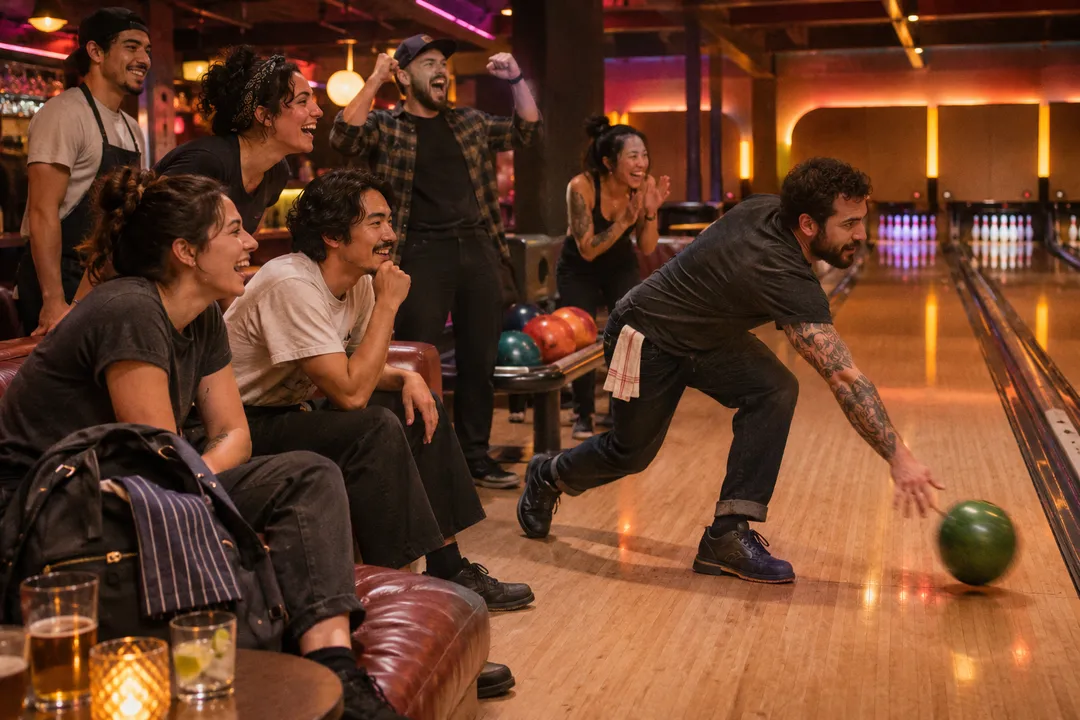 Lower Haight Bowling Group Night Planner for Kitchen Crews
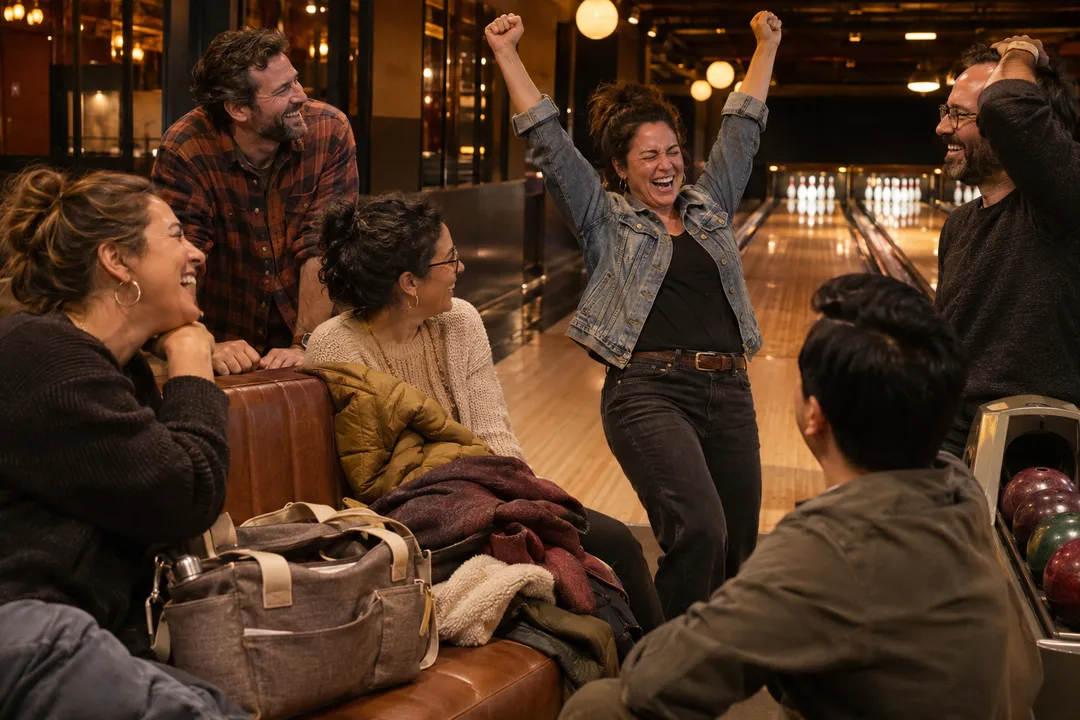 Bernal Heights Bowling Group Night Planner for Parents Out